Featured image for AirPods 4 ANC feature
Image source: fdn.gsmarena.com
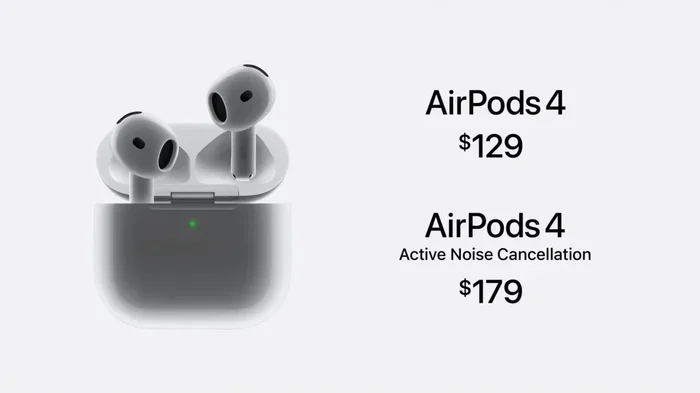
Yes, AirPods 4 do have ANC—but only in the premium version. Apple released two AirPods 4 models in September 2024: a standard edition and an ANC edition that includes Active Noise Cancellation, Transparency mode, and Adaptive Audio. The base model AirPods 4 do not include ANC. This guide explains the differences, how ANC works, and which AirPods 4 version fits your lifestyle and budget.
Imagine this: you’re sitting on a crowded subway, the rumble of the train mixing with chatter from strangers, and someone three seats away is watching a video at full volume. Normally, you’d need to crank your music just to hear your podcast. But with the right pair of earbuds, the noise simply melts away.
This is the magic of Active Noise Cancellation, or ANC. It’s one of the most sought-after features in modern wireless earbuds, and Apple finally brought it to the AirPods 4 lineup. But here’s the catch—only some AirPods 4 have it. If you walked into an Apple Store expecting ANC and grabbed the wrong box, you might be disappointed.
That’s exactly why you’re here. You want to know: do AirPods 4 have ANC, and if so, which version? This guide gives you the full picture. We’ll cover what ANC actually does, how it works on the AirPods 4, the difference between the two models, and how to decide which one deserves a spot in your ears.
Key Takeaways
- Two Models, One Name: Apple sells two AirPods 4 versions—a $129 base model without ANC and a $179 ANC model with premium features.
- ANC Works on the H2 Chip: Active Noise Cancellation on AirPods 4 uses Apple’s H2 processor to analyze and cancel ambient noise 48,000 times per second.
- Three Listening Modes: The ANC AirPods 4 offer Noise Cancellation, Transparency mode, and Adaptive Audio that adjusts automatically.
- Open-Ear Design Challenge: Unlike AirPods Pro, AirPods 4 use a non-silicone, open-ear fit, making ANC performance slightly less powerful but more comfortable for many users.
- Battery Trade-Off: Enabling ANC reduces listening time from 5 hours to 4 hours per charge on AirPods 4 ANC.
- Who Should Buy ANC: Commuters, office workers, travelers, and anyone in noisy environments benefit most from the ANC version.
- Who Should Skip ANC: Casual home listeners and budget-conscious shoppers can save $50 with the standard AirPods 4.
📑 Table of Contents
- The Quick Answer: Yes, But Only in One Model
- What Exactly Is Active Noise Cancellation?
- AirPods 4 ANC vs. AirPods 4: What’s Different?
- How Well Does ANC Actually Work on AirPods 4?
- Who Should Buy AirPods 4 with ANC?
- AirPods 4 ANC vs. AirPods Pro 2: Which Should You Get?
- Tips to Get the Most Out of AirPods 4 ANC
- Common Misconceptions About AirPods 4 ANC
- The Future of AirPods and ANC
- Final Verdict: Do AirPods 4 Have ANC?
The Quick Answer: Yes, But Only in One Model
Let’s clear this up right away because it confuses a lot of people. Apple sells two different AirPods 4 models, and they look almost identical. The only way to tell them apart from the outside is the case design and the price tag.
Here’s the breakdown:
- AirPods 4 (Standard): Released September 20, 2024, priced at $129. This is the entry-level option. It has the H2 chip, Personalized Spatial Audio, and the new fit. But it does not have Active Noise Cancellation.
- AirPods 4 with Active Noise Cancellation: Also released September 20, 2024, priced at $179. This version includes everything the standard model offers, plus ANC, Transparency mode, Adaptive Audio, and Conversation Awareness.
Did you know? Apple hasn’t released an AirPods model with “ANC” right in the name since the AirPods Pro. By offering ANC on a non-Pro AirPods version, Apple made premium audio features accessible at a lower price point. According to Apple, this was a strategic move to capture more of the mid-range earbud market, which Statista estimates to be worth over $40 billion globally.
So if you walked into the store and asked for “AirPods 4 with ANC,” the associate should hand you the $179 version. If they hand you a $129 box, stop them and ask again.
What Exactly Is Active Noise Cancellation?
Before we dig deeper into AirPods 4, let’s talk about what ANC actually is. If you’ve ever wondered how earbuds can “cancel” noise, you’re not alone.
Visual guide about AirPods 4 ANC feature
Image source: cdn.headphonecheck.com
The Science Made Simple
Think of noise cancellation like this: imagine you’re pushing a friend on a swing, and they swing back toward you. If you time your push perfectly with their return, you stop the swing. ANC works the same way, but with sound waves.
Every sound is a wave. When your earbuds detect unwanted sound (say, an air conditioner humming), they generate a mirror-image wave that crashes into the original wave. The two waves cancel each other out, and your brain hears… silence. Well, almost silence. It’s more like a gentle reduction in noise.
How Fast Does It Happen?
Here’s a fun fact: Apple’s H2 chip processes sound 48,000 times per second. That’s faster than you can blink. This is why modern ANC feels almost magical—it’s reacting to noise in real time, faster than your ears can even process the original sound.
ANC vs. Passive Noise Isolation
There’s a difference between ANC and simply “blocking” noise. Passive noise isolation is what happens when you stuff earplugs in your ears. The physical barrier reduces some sound. ANC is active—it uses microphones and processors to fight noise electronically.
The AirPods 4 ANC model uses both. The new acoustic architecture creates a better seal in your ear (passive isolation), while the H2 chip handles the active part. Together, they deliver a cleaner, quieter experience.
AirPods 4 ANC vs. AirPods 4: What’s Different?
Let’s put both models side by side so you can see exactly what you’re getting.
Design and Fit
Both AirPods 4 versions share the same shape—a refined design based on data from millions of ear scans. Apple says this is the “most comfortable AirPods ever.” The new model uses a slightly different contour to fit more ear shapes securely.
Neither version uses silicone ear tips. That’s a key difference from AirPods Pro 2, which do have tips. The open-ear design feels lighter and less intrusive, but it also means a less tight seal. For some users, this affects how well ANC works compared to in-ear designs.
The H2 Chip Advantage
Both models use Apple’s H2 chip, which is a big deal. The H2 enables:
- Personalized Spatial Audio with dynamic head tracking
- Voice Isolation for clearer calls
- Faster pairing with Apple devices
- Lower latency for gaming and video
The H2 chip is also what makes ANC possible on the ANC version. Without it, you can’t run the noise-canceling algorithms effectively.
The ANC-Exclusive Features
If you spring for the ANC model, here’s what you unlock:
- Active Noise Cancellation: Reduces low-frequency rumble like airplane engines, HVAC systems, and traffic.
- Transparency Mode: Lets outside sound in when you need to hear announcements or have a quick chat.
- Adaptive Audio: A smart blend that adjusts ANC and Transparency based on your surroundings.
- Conversation Awareness: Lowers your music when you start speaking to someone nearby.
Did you know? Adaptive Audio is one of Apple’s most underrated features. It uses machine learning to detect whether you’re in a quiet room or a noisy café, then automatically adjusts your noise-cancellation level. You don’t have to touch anything—it just works.
Battery Life Differences
Battery life takes a small hit when ANC is on. Here’s how the numbers stack up:
- AirPods 4 (Standard): Up to 5 hours of listening, up to 30 hours with the case.
- AirPods 4 ANC: Up to 4 hours with ANC on, up to 5 hours with ANC off. The case delivers up to 20 hours with ANC and up to 30 hours without.
If battery life is your top priority, the standard model wins. But most users won’t notice the one-hour difference in daily use.
How Well Does ANC Actually Work on AirPods 4?
This is the question everyone wants answered. Let’s be honest about it.
The Honest Performance Review
The ANC on AirPods 4 is good, but it’s not as powerful as AirPods Pro 2. Why? Two reasons:
- Open-Ear Design: Without silicone tips sealing your ear canal, some noise leaks in. AirPods Pro 2 creates a tighter seal, which boosts passive isolation and makes ANC more effective.
- Microphone Placement: AirPods 4 use outward-facing microphones to pick up noise. AirPods Pro 2 have additional inward-facing mics that detect sound inside your ear, allowing for finer tuning.
That said, AirPods 4 ANC still does a solid job with:
- Airplane cabin drone
- Office air conditioning hum
- Café chatter and background music
- Traffic noise on your commute
- Gym equipment whirring
Where it struggles a bit: sudden, sharp sounds like a baby crying or a car horn. These are harder for any ANC system to handle because they don’t have the steady waveform that ANC targets best.
Real-World Scenarios
Let’s walk through some practical situations.
Scenario 1: The Morning Commute
You’re on a bus with the engine roaring. AirPods 4 ANC will noticeably quiet the rumble. You’ll still hear some voices, but they won’t be as distracting. Music sounds cleaner at lower volumes.
Scenario 2: Open Office
Your coworker three desks down won’t stop clicking their mechanical keyboard. ANC on AirPods 4 reduces the high-frequency click but won’t eliminate it. For this, you might want earplugs. But for general office hum, ANC helps a lot.
Scenario 3: Working from Home
The dishwasher is running, the dog is barking outside, and your partner is on a Zoom call in the next room. AirPods 4 ANC smooths out the dishwasher drone and softens the dog bark. It’s not perfect silence, but it’s noticeably calmer.
Scenario 4: Air Travel
On a plane, AirPods 4 ANC noticeably reduces engine noise. Reviewers consistently report that it cuts the low-frequency rumble significantly. It’s not quite AirPods Pro 2 level, but it’s impressive for open-ear buds.
Who Should Buy AirPods 4 with ANC?
Now that you understand the differences, let’s figure out if the ANC model is right for your life.
You Should Buy AirPods 4 ANC If:
- You commute daily. Trains, buses, and subways are full of low-frequency noise that ANC handles beautifully.
- You work in a noisy office. ANC helps you focus by reducing background distractions.
- You travel frequently. Airplane cabins are one of the best use cases for ANC.
- You love Transparency mode. Being able to hear your surroundings without removing your earbuds is genuinely useful.
- You want Adaptive Audio. It’s a “set it and forget it” feature that makes your life easier.
- You can afford the extra $50. It’s a small price difference for a big feature boost.
You Should Stick with AirPods 4 (Standard) If:
- You mostly listen at home. If your environment is quiet, ANC isn’t necessary.
- You’re on a tight budget. That $50 savings could go toward AppleCare or accessories.
- Battery life is your priority. The standard model gives you an extra hour per charge.
- You dislike the ear-tip feel. If you want true silence, AirPods Pro 2 might be a better investment.
- You’re buying for a kid. Kids don’t typically need ANC, and the lower price is easier on the wallet.
AirPods 4 ANC vs. AirPods Pro 2: Which Should You Get?
This is the real question on many people’s minds. If you’re choosing between the two, here’s how they stack up.
The Comfort Factor
AirPods 4 have an open-ear design that many people find more comfortable for long listening sessions. There’s no pressure inside your ear canal. If you’ve ever felt “plugged up” by ear tips, AirPods 4 will feel like a breath of fresh air.
AirPods Pro 2 use silicone tips in four sizes. They create a tighter seal, which is great for ANC and bass, but some users find them uncomfortable after an hour or two.
The ANC Performance
AirPods Pro 2 win this category, hands down. The combination of a tight seal, better microphones, and a more advanced algorithm makes Pro 2 noticeably quieter in noisy environments. If pure ANC performance is your priority, go Pro.
The Price Difference
- AirPods 4 ANC: $179
- AirPods Pro 2: $199 (often discounted to $169-$179)
The price gap is small, often just $20-$30. That makes the choice interesting. For a small premium over the ANC AirPods 4, you get better ANC, silicone tips, and additional features like the H2 chip’s full capabilities in a Pro design.
Which Should You Buy?
Here’s a simple way to decide:
- Pick AirPods 4 ANC if: Comfort matters more than maximum noise cancellation. You want a lighter, less intrusive fit.
- Pick AirPods Pro 2 if: You want the best possible ANC and don’t mind silicone tips. You travel a lot or work in very noisy places.
Did you know? According to a 2024 Counterpoint Research report, AirPods Pro 2 were the best-selling true wireless earbuds globally, capturing over 15% of the premium market. AirPods 4 ANC quickly climbed to a strong second place after its September 2024 launch.
Tips to Get the Most Out of AirPods 4 ANC
Once you have your AirPods 4 ANC, here are some pro tips to maximize your experience.
1. Master the Force Sensor
The stems of AirPods 4 have a force sensor. A single press plays or pauses. A long press switches between Noise Cancellation and Transparency mode. Get familiar with this—it’ll save you from pulling out your phone.
2. Use the Ear Tip Fit Test
Wait—AirPods 4 don’t have ear tips. Skip this one if you have AirPods 4. But if you’re also considering AirPods Pro 2, definitely use the fit test in iOS settings.
3. Update Your iPhone
ANC features work best with the latest iOS version. Apple often adds new features through software updates. Make sure your iPhone is running iOS 18 or later.
4. Try Adaptive Audio for a Week
If you’re new to ANC, Adaptive Audio is a great starting point. It automatically blends noise cancellation and transparency based on your environment. Give it a week, and you’ll wonder how you lived without it.
5. Customize Your Settings
Go to Settings > AirPods > Noise Control on your iPhone. You can choose which modes appear when you long-press the stem. Pick the ones you use most.
6. Clean Your AirPods Regularly
Dirt and earwax can block the microphones, reducing ANC effectiveness. Wipe your AirPods with a soft, dry cloth weekly. Avoid water and cleaning solutions.
7. Use Conversation Awareness in Public
This feature is a lifesaver at coffee shops. When you start speaking to a barista, your music automatically lowers. No more yanking out an earbud mid-order.
Common Misconceptions About AirPods 4 ANC
Let’s bust some myths that float around the internet.
Myth 1: “AirPods 4 ANC matches AirPods Pro 2”
Not quite. AirPods Pro 2 have better ANC due to their in-ear seal and additional microphones. AirPods 4 ANC is great, but not Pro-level.
Myth 2: “ANC Drains Battery Fast”
It’s a small drain. You lose about one hour of listening time compared to having ANC off. For most people, this isn’t a dealbreaker.
Myth 3: “ANC Causes Headaches”
Some people report a “pressure” sensation with ANC, especially when they’re not used to it. This isn’t harmful, but if it bothers you, use Transparency mode or turn ANC off.
Myth 4: “ANC Blocks All Noise”
No ANC system blocks 100% of noise. Think of ANC as reducing noise, not eliminating it. You’ll still hear loud or sudden sounds.
Myth 5: “You Need a New iPhone”
You don’t. AirPods 4 work with any device running iOS 18, iPadOS 18, macOS Sequoia, or later. Older iPhones work too, but you might miss some features.
The Future of AirPods and ANC
Apple continues to push ANC technology forward. While we can’t predict the future with certainty, industry trends suggest a few possibilities for upcoming AirPods models.
Expect even better noise cancellation algorithms, possibly powered by next-generation chips. There’s also growing interest in personalized ANC profiles that adapt to your unique ear shape and hearing. Health-focused features, like heart rate monitoring and hearing tests, are also expanding.
Did you know? Apple has filed patents for ANC systems that use bone conduction to detect internal sounds, potentially improving how earbuds distinguish your voice from background noise. This could revolutionize call quality on future AirPods.
For now, AirPods 4 ANC represents an excellent balance of price, comfort, and noise-canceling performance. It’s a sweet spot for many users who want premium features without the Pro price tag.
Final Verdict: Do AirPods 4 Have ANC?
Let’s wrap this up with a clear answer.
Yes, AirPods 4 have ANC—but only in the $179 model. The standard $129 AirPods 4 do not include Active Noise Cancellation. If you want ANC, make sure you buy the right version.
The ANC model delivers solid noise cancellation, three listening modes, and the comfort of an open-ear design. It’s not as powerful as AirPods Pro 2, but it’s also not trying to be. It sits in a comfortable middle ground for users who want premium features without silicone tips or the highest price.
For most people in moderately noisy environments—commuters, students, office workers, travelers—AirPods 4 ANC is a fantastic choice. The extra $50 over the standard model is well worth it for the noise-canceling boost and smart features like Adaptive Audio.
If you’re on the fence, think about your daily life. Are you often surrounded by noise you can’t control? If yes, the ANC version will change your listening experience. If your world is mostly quiet, save your money and go with the standard AirPods 4.
Either way, you’re getting a great pair of earbuds. Apple has once again raised the bar for what we expect from wireless audio.
Frequently Asked Questions
Do all AirPods 4 models have ANC?
No, only the AirPods 4 with Active Noise Cancellation model has ANC. The standard AirPods 4 ($129) does not include noise cancellation. The ANC version costs $179 and includes Transparency mode and Adaptive Audio as well.
How do I know if my AirPods 4 have ANC?
Check the model number on the charging case or in Settings > Bluetooth > tap the “i” next to your AirPods. AirPods 4 ANC has model number A3056 (each earbud) and A3057 (case). You can also look for ANC in Settings > AirPods > Noise Control.
Is AirPods 4 ANC as good as AirPods Pro 2?
No, AirPods Pro 2 have better noise cancellation due to their silicone ear tips that create a tighter seal and additional inward-facing microphones. AirPods 4 ANC is still very good, but Pro 2 is the gold standard for Apple’s ANC technology.
Can I turn ANC off on AirPods 4?
Yes, you can switch between Active Noise Cancellation, Transparency mode, and Off by long-pressing the force sensor on the stem. You can also change modes in iOS Settings or Control Center. Turning ANC off saves battery life.
Does ANC work without an internet connection?
Yes, Active Noise Cancellation is processed entirely on the H2 chip inside the AirPods. It does not require an internet connection, Wi-Fi, or even a paired device to function. The microphones and processor handle everything locally.
Will ANC hurt my ears?
ANC is safe for most people. Some users experience a slight “pressure” sensation, similar to what you feel on an airplane. This is normal and not harmful. If it bothers you, switch to Transparency mode or turn ANC off. People with certain medical conditions should consult a doctor before using ANC for extended periods.