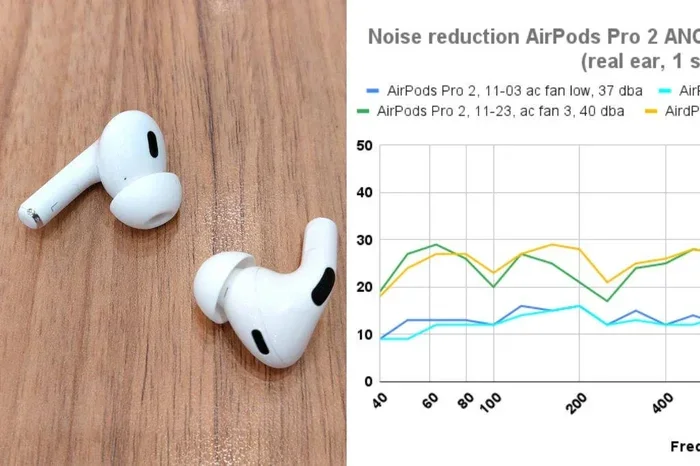
Featured image for AirPods noise cancellation lifestyle
Image source: cdn.noisyworld.org
AirPods can block out noise, but how well they do it depends on the model and technology inside. Standard AirPods rely on their physical seal to muffle sound, while AirPods Pro and AirPods Max use Active Noise Cancellation (ANC) to counter low-frequency noise in real time. Understanding the difference between passive noise isolation and active noise cancellation will help you choose the right pair for your needs. With the right fit and settings, AirPods can dramatically reduce unwanted background noise.
Ever wondered if those tiny white earbuds can actually give you peace in a noisy world? You’re not alone. Millions of commuters, students, and remote workers rely on AirPods every day to escape the chaos around them. But here’s the thing: not all AirPods block noise the same way, and the difference between models can be night and day.
In this guide, we’ll break down exactly how AirPods handle noise, what makes one model different from another, and how you can squeeze every drop of quiet out of your earbuds. Whether you’re trying to focus in a busy café or catch some sleep on a flight, understanding noise blocking will change the way you use your AirPods forever.
Let’s dive into the science, the specs, and the practical tips that turn AirPods from simple earbuds into a personal sound sanctuary.
Key Takeaways
- Two Types of Noise Blocking: AirPods use passive noise isolation (physical seal) and active noise cancellation (electronic sound waves) depending on the model.
- Not All AirPods Are Equal: Only AirPods Pro (1st, 2nd, and 3rd gen) and AirPods Max feature Active Noise Cancellation. Standard AirPods do not.
- ANC Targets Specific Frequencies: Active Noise Cancellation works best on low, constant sounds like airplane engines or HVAC hum, not sudden sharp noises.
- Fit Matters A Lot: A proper seal from the right ear tip size can improve noise blocking by up to 50% in passive models.
- Transparency Mode Is a Trade-Off: It lets outside sound in intentionally, useful for safety but the opposite of noise blocking.
- Battery and Processing Power: Active Noise Cancellation requires battery life and onboard processing, which slightly reduces overall listening time.
- AirPods Won’t Fully Silence the World: They reduce noise significantly but cannot create complete silence, especially for high-frequency or irregular sounds.
📑 Table of Contents
- How AirPods Block Noise: The Two Core Methods
- Which AirPods Models Actually Block Noise?
- The Science Behind Active Noise Cancellation Explained Simply
- How Well Do AirPods Block Specific Types of Noise?
- Practical Tips to Maximize Noise Blocking with AirPods
- Comparing AirPods to Other Noise-Canceling Options
- Common Misconceptions About AirPods and Noise Blocking
- The Future of Noise Blocking in AirPods
- Final Thoughts: Are AirPods Worth It for Noise Blocking?
How AirPods Block Noise: The Two Core Methods
When people ask “can AirPods block out noise,” the answer is yes, but the how is what really matters. Apple uses two distinct techniques, sometimes together, to keep unwanted sound away from your ears.
Passive Noise Isolation: The Physical Barrier
Think of passive noise isolation like plugging your ears with your fingers. It’s simple physics. By physically covering your ear canal, AirPods create a barrier that blocks some sound waves from reaching your eardrum. Standard AirPods (2nd and 3rd generation) use this method alone.
The effectiveness of passive isolation depends entirely on fit. If your AirPods sit loosely in your ears, sound leaks in around the edges. If they form a snug seal, mid and high-frequency sounds like chatter or clinking dishes get noticeably muffled. It’s like closing a window: the tighter the seal, the less noise sneaks through.
Standard AirPods don’t have silicone tips, so the fit varies from person to person. Some users get a great seal, while others feel like noise leaks in constantly. That’s why Apple introduced customizable ear tips with the Pro line.
Active Noise Cancellation: The Smart Technology
Active Noise Cancellation, or ANC, is where things get interesting. Imagine a superhero who detects incoming sound waves and fires back an “anti-sound” wave to cancel them out. That’s essentially how ANC works.
Inside AirPods Pro and AirPods Max, tiny microphones listen to the ambient noise around you. A processor then generates an opposite sound wave (called anti-phase) in real time. When the two waves meet, they cancel each other out. The result? The low-frequency hum of an airplane engine or the drone of an air conditioner fades away almost like magic.
This technology is most effective on consistent, low-frequency sounds. Sudden, sharp noises like a dog barking or a car horn are harder to cancel because they change too quickly for the system to react.
Why Two Methods Work Better Together
AirPods Pro and AirPods Max combine both passive and active techniques. The silicone tips physically block mid and high frequencies, while ANC electronically tackles low frequencies. Together, they create a much quieter environment than either method alone.
It’s like wearing both earplugs and noise-canceling headphones on a construction site: double protection for maximum peace.
Which AirPods Models Actually Block Noise?
Here’s where many buyers get confused. Not every AirPod model offers noise cancellation, and the price tag reflects that. Let’s look at each model and what it offers.
Visual guide about AirPods noise cancellation lifestyle
Image source: i.pinimg.com
AirPods (2nd Generation): Basic Passive Isolation
The 2nd generation AirPods, released in 2019, do not have Active Noise Cancellation. They rely entirely on their one-size-fits-all hard plastic design to block noise. For some people, they fit well and muffle sound reasonably. For others, especially those with smaller or differently shaped ear canals, noise leaks in freely.
If you’re buying 2nd gen AirPods today, you’re essentially getting the same noise-blocking experience as a basic pair of earbuds. They work great for music in quiet rooms but struggle in loud environments.
AirPods (3rd Generation): Slightly Better Passive Isolation
The 3rd generation AirPods, released in 2021, improved the design with a more contoured shape. They fit more securely than the 2nd gen and block a bit more noise passively. However, they still don’t have Active Noise Cancellation.
Apple positioned the 3rd gen as a middle-ground option: better sound and fit than the 2nd gen, but without the premium ANC feature. They include a “skin-detect sensor” that pauses audio when removed, but noise blocking remains passive.
AirPods Pro (1st and 2nd Generation): Full Noise Cancellation
AirPods Pro is where Apple brought serious noise-blocking to the small earbud format. Both the 1st gen (2019) and 2nd gen (2022) feature Active Noise Cancellation, Transparency mode, and silicone ear tips in three sizes for a custom fit.
The 2nd generation Pro takes it further with the H2 chip, which Apple claims offers up to twice the noise cancellation of the original Pro. For most users, this is more than enough to silence a noisy office or make a flight peaceful.
AirPods Pro (3rd Generation): The New Standard
Released in late 2025, AirPods Pro 3 build on the 2nd gen foundation with even better noise cancellation. Apple claims these can reduce noise more effectively than any previous in-ear AirPods, thanks to improved microphones and processing power.
AirPods Max: Over-Ear Noise Blocking Champion
AirPods Max are Apple’s over-ear headphones, released in 2020. They combine plush ear cushions (passive isolation) with powerful Active Noise Cancellation (active cancellation). Because they cover the entire ear, they block more noise than any in-ear AirPod.
For someone who wants maximum noise blocking in a home or office setting, AirPods Max deliver. They’re heavier and more expensive, but the noise reduction is in a class of its own.
The Science Behind Active Noise Cancellation Explained Simply
Let’s make ANC easy to understand, even if you slept through physics class. Sound travels in waves, like ripples in a pond. These waves have peaks (loud moments) and valleys (quiet moments). Now, imagine creating a mirror image of that wave and playing it at the same time. The peaks fill the valleys, and suddenly, you get a flat line. That’s silence.
This is exactly what ANC does. Your AirPods listen to the sound around you, create an inverted version, and play it into your ears. When the two waves collide, they neutralize each other.
Why ANC Works Better on Some Sounds Than Others
Not all noise is created equal in the eyes of ANC. Low, steady sounds are the easiest to cancel because they’re predictable. The hum of a plane, the whir of a fan, the rumble of a train: these are ANC’s best friends.
High-frequency or irregular sounds are tougher. A baby crying, a sudden announcement, or a crash: these happen too fast and vary too much for the system to react in time. AirPods handle these by physically blocking them (passive isolation) rather than canceling them.
Think of ANC like a skilled chess player. It can plan several moves ahead against a steady opponent, but a wild, unpredictable player is harder to beat.
The Limits of Noise Cancellation
Even the best ANC cannot create perfect silence. A few factors limit its effectiveness:
- Processing delay: The system needs a few milliseconds to analyze sound and generate anti-noise, so very sudden sounds slip through.
- Battery and processing power: ANC uses more battery and computing resources, which can affect overall performance.
- Fit and seal: If your AirPods don’t fit well, outside sound leaks in and ruins the cancellation effect.
In practice, AirPods reduce noise by roughly 70-85% in ideal conditions, depending on the model and environment. That’s a huge difference, but it’s not the same as true silence.
How Well Do AirPods Block Specific Types of Noise?
Let’s get practical. Different environments create different noise challenges. Here’s how AirPods handle common scenarios.
Airplanes and Travel Noise
Airplanes are one of the best use cases for ANC. The engine drone is a low, steady frequency that ANC cancels beautifully. Many travelers report that AirPods Pro or AirPods Max make flights dramatically more peaceful.
According to a 2023 survey by the Points Guy, 78% of frequent flyers consider noise-canceling headphones essential for long flights. AirPods Pro and Max consistently rank among the top choices for travelers.
Office and Café Chatter
Human speech is mostly mid-frequency, which ANC handles less effectively. However, the passive seal of AirPods Pro does a great job muffling voices. With music playing at moderate volume, you’ll barely hear conversations around you.
In a quiet office, AirPods Pro can make you feel like you’re in your own private bubble. In a loud café, they reduce chatter to a soft background hum.
Public Transportation (Buses, Trains, Subways)
Subways and trains produce a mix of low rumbles and higher-pitched screeches. AirPods Pro handle the rumble beautifully but won’t eliminate sudden screeching brakes. Overall, the experience is far more pleasant with ANC turned on.
Home Noise (Appliances, HVAC, Family)
At home, ANC works well against appliances like dishwashers, dryers, and air conditioners. It’s also great for blocking the sound of a TV playing in another room. For families in shared spaces, AirPods Pro can be a lifesaver for focus.
Construction and Loud Outdoor Noises
AirPods aren’t designed for industrial-level noise. Construction sounds include sudden impacts and high-frequency whines that ANC struggles with. For construction sites, you need industrial earmuffs, not consumer earbuds.
Practical Tips to Maximize Noise Blocking with AirPods
Buying AirPods is only half the battle. How you use them determines how much noise they actually block. Here are proven tips to get the most quiet from your earbuds.
Choose the Right Ear Tip Size
This is the single most important tip. AirPods Pro come with silicone tips in multiple sizes (XS, S, M, L). Most people wear the wrong size without realizing it. If your ear tips are too small, sound leaks in. If they’re too large, they’re uncomfortable and may not seat properly.
Apple includes an “Ear Tip Fit Test” in iOS settings. It plays a short audio clip and uses the microphones to detect if you have a good seal. Take this test seriously. A proper fit can double your noise isolation.
Keep Your AirPods Clean
Earwax and debris on the silicone tips or speaker mesh break the seal. A clean AirPod blocks more noise than a dirty one. Wipe your tips weekly with a dry cloth and avoid using water directly on the speaker mesh.
Use the Right Listening Mode
Make sure you’re actually in Noise Cancellation mode, not Transparency mode. On iPhone, you can switch modes by:
- Pressing and holding the force sensor on the AirPod stem
- Opening Control Center and tapping the volume slider with AirPods connected
- Asking Siri to “turn on noise cancellation”
It sounds obvious, but many users accidentally leave Transparency mode on and wonder why they can hear everything.
Combine Noise Cancellation with Music or White Noise
ANC works best when paired with audio. Playing music, a podcast, or even white noise at low volume enhances the blocking effect. The audio masks any residual noise that gets through the cancellation. It’s like wearing sunglasses on a cloudy day: the glasses don’t fully block light, but they dim it to a comfortable level.
Update Your Firmware
Apple occasionally improves ANC through software updates. Keeping your AirPods firmware up to date ensures you’re getting the best performance. Firmware updates happen automatically when your AirPods are charging near your iPhone.
Comparing AirPods to Other Noise-Canceling Options
AirPods are popular, but are they the best noise blockers? Let’s compare them to alternatives.
AirPods vs. Dedicated Noise-Canceling Headphones
Brands like Bose, Sony, and Sennheiser make over-ear headphones with industry-leading ANC. The Sony WH-1000XM5 and Bose QuietComfort series are often rated higher than AirPods Max for pure noise cancellation.
However, AirPods win on convenience, ecosystem integration, and portability. For most people, especially Apple users, AirPods Pro offer the best balance of noise blocking, sound quality, and everyday usability.
AirPods vs. Wired Earplugs
High-quality foam earplugs (like those used by musicians) can block more noise than any electronic device. But they block all sound, including alarms and conversations. AirPods offer adjustable control, which earplugs cannot.
AirPods vs. Other Wireless Earbuds
Many wireless earbuds now offer ANC, including options from Samsung, Google, and Jabra. Some match or exceed AirPods Pro in noise cancellation. The choice often comes down to ecosystem loyalty, sound preference, and fit.
Common Misconceptions About AirPods and Noise Blocking
Let’s clear up some myths that circulate online.
Myth 1: All AirPods Block Noise Equally
False. Standard AirPods block very little noise compared to AirPods Pro or AirPods Max. If noise blocking is your priority, choose a Pro or Max model.
Myth 2: ANC Can Block All Sound
False. ANC reduces noise significantly but cannot create silence. Sudden, high-frequency, or irregular sounds will still be partially audible.
Myth 3: Higher Volume Equals Better Noise Blocking
False. Turning up the volume to dangerous levels is not a substitute for proper noise cancellation. In fact, prolonged loud listening damages hearing. Use ANC instead of maxing out the volume.
Myth 4: AirPods Block Noise Without Music Playing
True, but with a caveat. ANC works without music, but you may notice a faint “pressure” sensation in your ears, and some residual sound becomes more noticeable. Playing low-volume audio makes the experience smoother.
Myth 5: AirPods Are Waterproof and Safe for Swimming
Off-topic but worth mentioning: AirPods are not designed for swimming or showering. This doesn’t relate to noise blocking, but it’s a common confusion.
The Future of Noise Blocking in AirPods
Apple continues to invest heavily in audio technology. Patents and leaks suggest future AirPods may include:
- Adaptive ANC: Automatically adjusting cancellation levels based on your environment.
- Health sensors: Heart rate, temperature, and even posture tracking built into earbuds.
- Improved transparency mode: Making outside sound feel even more natural.
The goal is for AirPods to become all-day wearables that seamlessly switch between total immersion and full awareness. For now, the current lineup offers some of the best consumer noise blocking available.
Final Thoughts: Are AirPods Worth It for Noise Blocking?
If noise blocking is a priority for you, AirPods Pro or AirPods Max are excellent choices. They combine effective Active Noise Cancellation, comfortable fit, and seamless Apple integration. For casual users in quiet environments, standard AirPods may suffice, but you’ll miss the magic of ANC.
The key is matching the model to your needs. Frequent flyer? Get AirPods Pro. Work in a noisy office? AirPods Pro. Want maximum quiet at home? AirPods Max. Prefer something lightweight for the gym? Stick with standard AirPods or AirPods 4 with ANC.
Remember: even the best AirPods can’t create perfect silence, but they can transform a chaotic environment into a calm, focused space. And for most people, that’s more than enough.
Try the Ear Tip Fit Test, keep your AirPods clean, and choose the right mode for the moment. With these habits, you’ll get the quiet you crave, whether you’re commuting, working, or simply relaxing.
Frequently Asked Questions
Do all AirPods have noise cancellation?
No. Only AirPods Pro (1st, 2nd, and 3rd generation) and AirPods Max have Active Noise Cancellation. Standard AirPods (2nd and 3rd generation) rely on passive noise isolation only.
Can AirPods block out voices and talking?
AirPods Pro and Max reduce voices significantly, especially mid-frequency speech, but they cannot eliminate conversation completely. Playing music or white noise at low volume helps mask residual chatter.
How effective is AirPods noise cancellation on airplanes?
AirPods Pro and AirPods Max are highly effective on airplanes because engine drone is a low-frequency sound that ANC cancels very well. Most travelers report dramatic noise reduction during flights.
Do AirPods block noise without music playing?
Yes, Active Noise Cancellation works without audio playing. Some users feel slight ear pressure, and pairing ANC with low-volume audio creates a smoother, quieter experience.
What’s the difference between Transparency mode and noise cancellation?
Transparency mode lets outside sound in deliberately so you can hear announcements or conversations. Noise cancellation blocks outside sound. They’re opposites, switchable based on your environment.
Can AirPods damage hearing while blocking noise?
AirPods themselves don’t damage hearing, but listening at high volumes for long periods can. Use noise cancellation instead of cranking the volume to protect your ears while still blocking external sound.