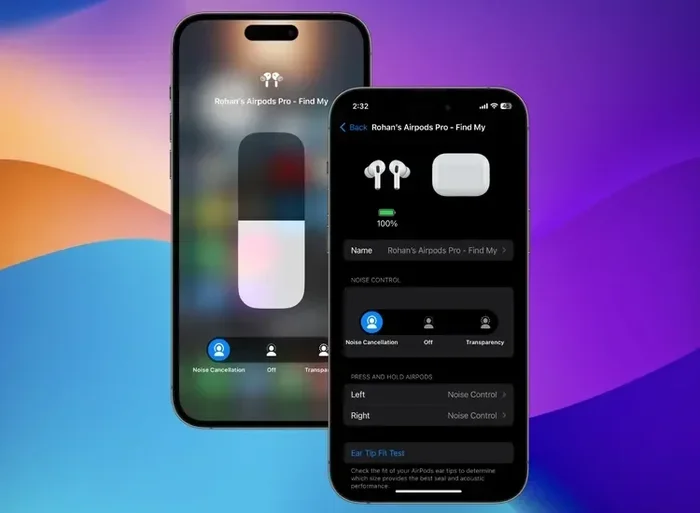
Featured image for AirPods noise cancellation feature
Image source: static.beebom.com
Regular AirPods (2nd, 3rd, and 4th generation) do not have Active Noise Cancellation (ANC). They offer basic sound isolation through their design, but only AirPods Pro and AirPods Max feature true ANC technology. The confusion often arises because newer AirPods 4 include an optional ANC version, but standard models rely solely on physical fit for passive noise reduction. Understanding this difference helps you make smarter buying decisions.
Imagine you’re sitting on a crowded subway train. The roar of the train, the chatter of passengers, and the screech of brakes surround you. You pop in your AirPods, press play on a podcast, and… you can still hear everything. Frustrating, right? This is the daily reality for millions of regular AirPods users who mistakenly believe their earbuds cancel noise.
The confusion around AirPods and noise cancellation is widespread. Marketing terms like “immersive sound” and “spatial audio” lead many people to assume their earbuds actively block outside noise. But here’s the truth bomb: most regular AirPods do not have noise cancellation in the active sense. They’re designed differently than their Pro siblings, and understanding this can save you money and disappointment.
In this comprehensive guide, we’ll break down exactly what noise cancellation means, which AirPods models offer it, and why regular AirPods still might be the perfect choice for your needs. Whether you’re a commuter, a student, or a fitness enthusiast, knowing the facts helps you make the best audio decision for your lifestyle.
Key Takeaways
- No Built-In ANC: Standard regular AirPods (2nd Gen, 3rd Gen, and basic 4th Gen) lack active noise cancellation technology entirely.
- Passive Isolation Only: Regular AirPods block some noise through physical seal and design, but this is not the same as active cancellation.
- AirPods Pro Difference: AirPods Pro 1st and 2nd generation feature industry-leading ANC with Transparency mode for environmental awareness.
- AirPods 4 Exception: The AirPods 4 released in 2024 comes in two versions, one with ANC at a higher price point.
- AirPods Max Premium: AirPods Max over-ear headphones offer the most powerful noise cancellation in Apple’s lineup.
- Price Tied to Feature: ANC functionality significantly increases cost, making regular AirPods more budget-friendly for casual listeners.
- Use Case Matters: Regular AirPods work great for podcasts and calls in quiet environments, but struggle in loud settings without ANC.
📑 Table of Contents
- What Exactly Is Noise Cancellation?
- Which AirPods Models Have Noise Cancellation?
- Why Don’t Regular AirPods Have Noise Cancellation?
- How Well Do Regular AirPods Block Noise?
- Alternatives for Noise Cancellation on a Budget
- Making the Right Choice for Your Needs
- Common Myths About Regular AirPods Noise Cancellation
- The Future of AirPods and Noise Cancellation
- Final Verdict: Do Regular AirPods Have Noise Cancellation?
What Exactly Is Noise Cancellation?
Before we dive into AirPods specifically, let’s clear up a common misconception. Noise cancellation isn’t one single thing. It comes in two main flavors, and understanding the difference is crucial.
Active Noise Cancellation (ANC) Explained
Active Noise Cancellation is like having a tiny sound wizard inside your earbuds. It works by using microphones to listen to the world around you. The earbuds then create an “anti-noise” sound wave that’s the exact opposite of the background noise. When these two waves meet, they cancel each other out. It’s the same principle as noise-canceling headphones used by pilots.
Think of it like this: if someone pushes you to the right with a force of 10, and someone else pushes you to the left with a force of 10, you don’t move at all. That’s essentially how ANC works with sound waves. The result is near-silence, even in loud environments like airplanes or busy offices.
Passive Noise Isolation Explained
Passive noise isolation is much simpler. It’s just the physical barrier that earbuds create when you put them in your ears. Like putting your fingers in your ears when loud noises happen, but more comfortable and less obvious.
Regular AirPods rely on this passive isolation. Because they sit in your ear canal and create a seal, they block some outside noise naturally. However, this effect is much weaker than ANC and depends heavily on how well the earbuds fit your specific ears.
The Hybrid Approach
Some premium earbuds use both ANC and passive isolation together for maximum effect. The physical seal helps block high-frequency sounds, while ANC tackles the low-frequency rumble of engines and air conditioners. This combination is what makes AirPods Pro so effective.
Which AirPods Models Have Noise Cancellation?
Now that we understand the two types of noise reduction, let’s look at every AirPods model Apple has released and identify which ones actually cancel noise.
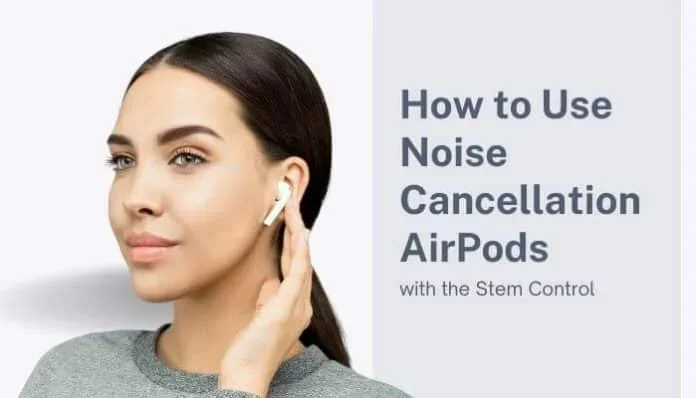
Visual guide about AirPods noise cancellation feature
Image source: tycoonstory.com
AirPods 1st Generation (2016)
The original AirPods that started the wireless earbud revolution had no noise cancellation whatsoever. They offered basic passive isolation at best. Released in 2016, these earbuds focused on convenience and the magical Apple ecosystem integration rather than audio purity.
AirPods 2nd Generation (2019)
The second generation brought hands-free Siri and better battery life, but still no active noise cancellation. These remained essentially the same design as the originals, just with internal upgrades. If you own these and expected noise cancellation, you’re not getting it.
AirPods 3rd Generation (2021)
The third generation introduced spatial audio and a new contoured design. While the fit improved passive isolation somewhat, there’s still no ANC built into these earbuds. They use the same H1 chip as previous generations but with updated acoustic design.
AirPods 4 (2024) – The Game Changer
Here’s where things got interesting. In 2024, Apple released the AirPods 4 in two distinct versions. The standard AirPods 4 still lacks active noise cancellation. However, the AirPods 4 with Active Noise Cancellation (sold at a premium price) does include this feature for the first time in the regular AirPods line.
This was a major shift in Apple’s strategy. For the first time, consumers could get ANC without buying the Pro version. The ANC version also includes Transparency mode and Adaptive Audio features that were previously exclusive to Pro models.
AirPods Pro 1st Generation (2019)
The first AirPods Pro revolutionized the lineup with active noise cancellation. They use two microphones and advanced algorithms to cancel background noise continuously. The silicone ear tips also create a better seal than regular AirPods, boosting passive isolation significantly.
AirPods Pro 2nd Generation (2022)
The second-generation AirPods Pro took things even further. They feature the H2 chip, which enables up to twice the noise cancellation of the original Pro. They also introduced Adaptive Transparency mode, which reduces loud environmental sounds while still letting you hear important things like conversations and announcements.
AirPods Max (2020)
The over-ear AirPods Max represent Apple’s premium offering. They feature the most powerful noise cancellation in the lineup, with multiple microphones and computational audio. The ear cups themselves create a seal, plus the ANC system actively cancels remaining noise.
Did You Know? AirPods Max use six outward-facing microphones to detect environmental noise and two inward-facing microphones to measure what you actually hear. This dual system allows for incredibly precise noise cancellation that adapts in real-time to your environment.
Why Don’t Regular AirPods Have Noise Cancellation?
You might wonder: if ANC is so great, why doesn’t Apple just put it in all AirPods? The answer involves several important factors that affect both pricing and design.
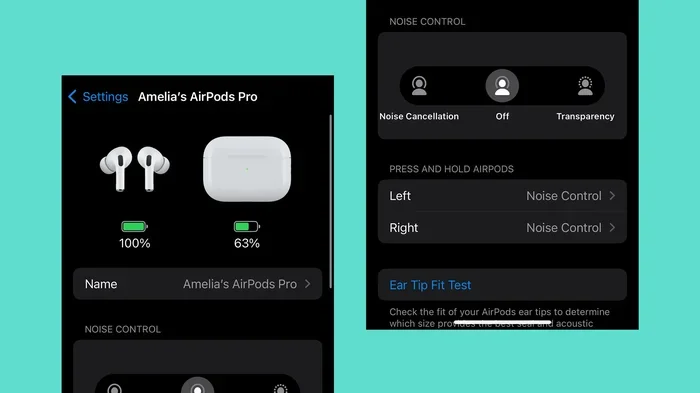
Visual guide about AirPods noise cancellation feature
Image source: cdn.mos.cms.futurecdn.net
The Cost Factor
Active noise cancellation requires additional hardware. You need extra microphones, specialized chips, and more complex audio processing. Adding ANC to regular AirPods would increase the manufacturing cost significantly. Apple chooses to keep the regular AirPods at a lower price point to attract budget-conscious consumers.
Think of it like buying a car. A base model gets you from point A to point B just fine. But the premium model adds leather seats, a sunroof, and advanced safety features. ANC is the “leather seats” of the earbud world.
The Design Limitations
Regular AirPods have a hard plastic design that doesn’t create a perfect seal in most ears. Effective ANC requires a good seal to work properly. Without that seal, the anti-noise waves can’t properly cancel the incoming sound. This is why AirPods Pro use silicone ear tips in multiple sizes.
The universal fit design of regular AirPods is intentional. Apple wanted earbuds that work for almost anyone without needing to find the right tip size. However, this design philosophy conflicts with the requirements for optimal noise cancellation.
Battery Life Concerns
Active noise cancellation requires power. The microphones, processing chips, and audio drivers all consume energy when ANC is active. Adding ANC to regular AirPods would reduce battery life noticeably, which Apple has worked hard to optimize in their regular models.
Market Segmentation Strategy
Apple, like most companies, uses a tiered product strategy. They offer different products at different price points to capture various market segments. Having regular AirPods without ANC creates clear differentiation that pushes serious audio enthusiasts toward the Pro models.
This isn’t unique to Apple. Sony, Bose, and other premium audio brands all offer similar tiered structures. The entry-level models focus on convenience and basic functionality, while premium models add advanced features like ANC.
How Well Do Regular AirPods Block Noise?
While regular AirPods don’t have ANC, they do provide some passive noise reduction. Let’s explore how effective this actually is in real-world situations.
Office and Home Environments
In quiet to moderately noisy settings, regular AirPods perform reasonably well. The slight seal they create blocks some ambient noise. Conversations become muffled, and the hum of an air conditioner might fade into the background. However, loud or sudden noises will still be clearly audible.
Public Transportation
This is where regular AirPods struggle. On buses, trains, and subways, the low-frequency rumble of engines penetrates easily. You’ll likely need to increase your volume significantly to hear your audio clearly. This isn’t ideal for your hearing health over time.
Did You Know? The World Health Organization estimates that over 1 billion young people worldwide are at risk of hearing loss due to unsafe listening practices. Using earbuds in loud environments often leads people to turn up the volume to dangerous levels, which ANC helps prevent.
Airplane Travel
Without ANC, regular AirPods are not recommended for flights. The constant drone of airplane engines is exactly the type of low-frequency noise that ANC handles best. Regular AirPods will leave you constantly adjusting volume and struggling to enjoy movies or music.
Workout and Outdoor Use
For running or exercising outdoors, some people prefer regular AirPods precisely because they don’t block all ambient noise. Being aware of traffic and surroundings is a safety feature, not a bug. However, gym environments with loud music and clanking weights can be challenging without ANC.
Alternatives for Noise Cancellation on a Budget
If you want noise cancellation but can’t afford AirPods Pro, there are several options worth considering.
The AirPods 4 with ANC Route
Released in late 2024, the AirPods 4 with Active Noise Cancellation offers a middle ground. They’re more affordable than AirPods Pro while still providing effective ANC. For many users, this is the sweet spot of features and value.
Third-Party Earbuds with ANC
Brands like Sony, Bose, Anker, and Jabra offer excellent noise-canceling earbuds at various price points. Many of these rival or exceed AirPods Pro in ANC performance, sometimes for less money. Popular options include the Sony WF-1000XM4 and Bose QuietComfort Earbuds.
The AirPods Pro 2nd Generation Value
With the release of newer models, the previous-generation AirPods Pro often sees price drops. These offer excellent ANC at a reduced cost compared to the latest models. Refurbished options from Apple can provide even more savings.
Using Regular AirPods with Software Tricks
While not a true replacement for ANC, some apps and settings can help reduce noise perception. iOS has accessibility features that can adjust audio to compensate for noisy environments. Additionally, turning up the volume moderately and using high-quality audio sources helps mask background noise.
The “One Earbud Out” Strategy
Some regular AirPods users adopt a practical approach: they remove one earbud in loud environments to stay aware, then put it back in quieter settings. This isn’t a technological solution, but it’s a practical workaround that many people use daily.
Making the Right Choice for Your Needs
Choosing between regular AirPods and ANC models ultimately depends on how and where you plan to use them. Let’s explore the best use cases for each.
Regular AirPods Are Perfect For:
- Casual music listening in quiet environments like homes or offices
- Podcast and audiobook enjoyment where voice clarity matters more than immersion
- Phone and video calls where you need to hear your own voice naturally
- Fitness activities where situational awareness is important for safety
- Budget-conscious shoppers who want the Apple ecosystem without premium pricing
- All-day comfort since the open design is less fatiguing for some users
ANC AirPods Are Perfect For:
- Frequent travelers who fly or take long train rides regularly
- Open-office workers who need to focus amid chatter and distractions
- Public transit commuters dealing with daily subway or bus noise
- Students in noisy dorms or libraries who need concentration
- Audio enthusiasts who want the best possible listening experience
- People with sensory sensitivities who find certain sounds overwhelming
The choice really comes down to your lifestyle. If you’re constantly in loud environments and need focus or immersion, ANC is worth the investment. If you mostly listen in quiet settings and value comfort and awareness, regular AirPods serve you well.
Common Myths About Regular AirPods Noise Cancellation
Let’s bust some persistent myths that confuse AirPods users.
Myth: “All AirPods Cancel Noise”
This is false. As we’ve established, only specific models with ANC cancel noise actively. Don’t assume any AirPods you buy will have this feature. Always check the specific model name and features before purchasing.
Myth: “Regular AirPods Block Noise as Well as Pro Models”
Not even close. AirPods Pro block significantly more noise thanks to their silicone tips, better seal, and active cancellation technology. If noise blocking is your priority, the Pro models are in a different league entirely.
Myth: “Software Updates Can Add ANC to Regular AirPods”
False. Active noise cancellation requires specific hardware components that regular AirPods simply don’t have. No software update can add microphones or processing chips that aren’t physically present in the device.
Myth: “Expensive Regular AirPods Have Hidden ANC”
There’s no hidden ANC in any regular AirPods model. The technology is either present or absent at the hardware level. Marketing might use terms like “immersive” or “spatial,” but these refer to different audio processing features, not noise cancellation.
Myth: “Higher Volume Provides the Same Effect as ANC”
This is dangerous misinformation. Cranking up the volume to drown out noise can cause permanent hearing damage. ANC lets you listen at lower, safer volumes while still hearing your content clearly. They are not equivalent, and your ears will thank you for choosing ANC over excessive volume.
The Future of AirPods and Noise Cancellation
Looking ahead, the trend is clear: noise cancellation is becoming standard across more AirPods models. The release of AirPods 4 with ANC option signals Apple’s direction.
Industry experts predict that within a few years, active noise cancellation will become a standard feature across most premium earbuds, not just the top-tier models. Apple’s pricing of the AirPods 4 ANC version suggests this technology is becoming more affordable to produce.
Emerging technologies like adaptive noise cancellation, which automatically adjusts the level of cancellation based on your environment, are likely to become more prevalent. We may also see improvements in transparency modes that make artificial awareness sound more natural than ever before.
For now, regular AirPods remain a solid choice for users who don’t need ANC. They offer excellent sound quality, seamless Apple integration, and comfortable wear for most people. Understanding their actual capabilities helps you appreciate them for the right reasons and avoid disappointment when they don’t perform miracles in noisy environments.
Final Verdict: Do Regular AirPods Have Noise Cancellation?
The straightforward answer is no, with one notable exception. Standard regular AirPods (2nd generation, 3rd generation, and basic 4th generation) do not have active noise cancellation. They rely entirely on passive noise isolation through their physical design and fit in your ears.
The exception is the AirPods 4 with Active Noise Cancellation, released in 2024. This specific variant includes ANC technology, bridging the gap between the regular AirPods and the Pro lineup. However, it’s sold at a premium price and is a distinct product from the standard AirPods 4.
For genuine noise cancellation in the Apple ecosystem, your options remain the AirPods Pro (1st or 2nd generation), AirPods Max, or the AirPods 4 with ANC. Each offers different form factors and price points to suit various needs and preferences.
Before making your next AirPods purchase, honestly assess your listening environments. If you spend most of your time in quiet spaces, regular AirPods serve you wonderfully and save you money. If you’re frequently battling background noise, investing in ANC will transform your listening experience and protect your hearing in the long run.
The key takeaway? Know what you’re buying. Marketing terms can be confusing, and “AirPods” isn’t a single product but a family of devices with very different capabilities. Armed with this knowledge, you can choose the perfect pair for your ears, your budget, and your lifestyle.
Frequently Asked Questions
Do regular AirPods have any noise cancellation at all?
Regular AirPods (2nd and 3rd generation) do not have active noise cancellation. They only provide passive noise isolation through their physical fit in your ears. This blocks some ambient sound but is much less effective than true ANC technology found in Pro models.
Which AirPods model is the cheapest with noise cancellation?
The AirPods 4 with Active Noise Cancellation, released in 2024, is currently the most affordable AirPods option with ANC. It’s priced between the standard AirPods 4 and the AirPods Pro, making it a budget-friendly middle ground for noise cancellation.
Can I tell if my AirPods have noise cancellation by looking at them?
Not easily, since AirPods look similar across models. The best way is to check the model number in Settings, look for silicone ear tips (Pro models), or try enabling Noise Cancellation in Control Center. If the option appears, your AirPods have ANC.
Is noise cancellation worth the extra cost for AirPods?
If you frequently use earbuds in loud environments like airplanes, subways, or open offices, ANC is absolutely worth the investment. It improves audio clarity, reduces listening fatigue, and protects your hearing by allowing lower volumes. For quiet environments, regular AirPods work fine.
Do AirPods Pro cancel more noise than AirPods Max?
AirPods Max generally provides superior noise cancellation due to their over-ear design and larger drivers. However, AirPods Pro 2nd generation comes remarkably close in performance and offers much better portability. The choice depends on whether you prioritize maximum cancellation or convenience.
Will future regular AirPods include noise cancellation as standard?
Industry trends suggest ANC is becoming more accessible. With Apple releasing the AirPods 4 with ANC option, it’s likely that future generations of regular AirPods will include noise cancellation as a standard feature, though probably at gradually increasing price points to maintain product tiering.