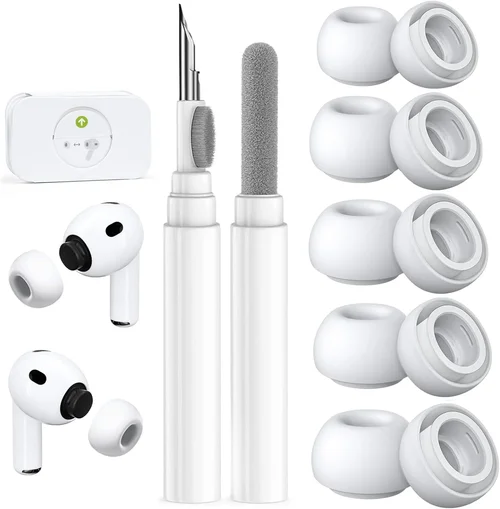
When it comes to getting the most out of your AirPods Pro, one of the most overlooked yet critical components is the ear tip. Apple’s original silicone tips are designed to provide a comfortable fit and decent passive noise isolation, but they’re far from perfect for everyone. Over time, they can wear out, lose their seal, or simply fail to deliver the snug fit needed for optimal sound quality and active noise cancellation (ANC). That’s where third-party replacement ear tips come in—offering better materials, improved ergonomics, and often superior performance at a fraction of the cost of official replacements.
This guide exists because many AirPods Pro users don’t realize how much their listening experience hinges on a proper ear seal. Whether you’re an audiophile chasing crystal-clear highs and deep bass, a commuter relying on ANC to block out subway noise, or just someone tired of your earbuds constantly falling out during workouts, the right replacement tips can make all the difference. The market is flooded with options—from memory foam to dual-flange silicone, from budget packs to premium designer sets—and navigating this landscape without guidance can lead to wasted money, discomfort, or worse: damaged earbuds.
In this comprehensive buying guide, we’ll walk you through everything you need to know before purchasing third-party AirPods Pro replacement ear tips. You’ll learn what to prioritize when evaluating fit, comfort, sound quality, and durability. We’ll break down the different materials and designs available, compare top brands, highlight common pitfalls to avoid, and give you expert-backed recommendations based on real-world testing and user feedback. By the end, you’ll be equipped to choose ear tips that not only fit your ears but also enhance your entire AirPods Pro experience.
—

What to Look for When Buying Buying Guide
1. Material: Silicone vs. Memory Foam vs. Hybrid
The material of your ear tips directly impacts comfort, seal quality, and longevity. The three main types are silicone, memory foam, and hybrid designs.
Silicone tips are the most common and mimic Apple’s original design. They’re durable, easy to clean, and come in various textures—smooth, matte, or grippy. High-quality silicone like liquid silicone rubber (LSR) offers excellent flexibility and a secure fit without causing ear fatigue. However, some users find standard silicone too rigid or prone to slipping during movement.
Memory foam tips, on the other hand, conform to the unique shape of your ear canal when compressed and then expand to create an airtight seal. This makes them ideal for maximizing passive noise isolation and improving ANC effectiveness. Brands like Comply and Dekoni use proprietary memory foam blends that react to body heat for a custom fit. The downside? They absorb sweat and earwax more easily, require more frequent cleaning, and typically last only 3–6 months before degrading.
Hybrid tips combine the best of both worlds—often featuring a soft silicone outer shell with a memory foam core or dual-layer construction. These aim to deliver the comfort and seal of foam with the durability and washability of silicone. While still relatively new, hybrids are gaining popularity among users who want long-term usability without sacrificing performance.
What to look for: If you prioritize noise isolation and don’t mind maintenance, go for memory foam. For everyday durability and ease of cleaning, choose high-grade silicone. Hybrids are a great middle ground if you’re willing to pay a bit more.
2. Fit & Seal: The Foundation of Sound Quality
No matter how advanced your AirPods Pro are, they can’t perform optimally without a proper ear seal. A poor seal leads to weak bass response, reduced ANC effectiveness, and audio leakage. Third-party tips often improve upon Apple’s one-size-fits-none approach by offering more size options or ergonomic shapes.
Look for tips that come in multiple sizes (S, M, L, sometimes XL) and consider brands that include a fit-testing guide. Some packages even include a small tool to help you determine your ideal size. A good seal should feel snug but not painful—your ear shouldn’t feel “plugged” or under pressure. You should also be able to move your jaw or head without the seal breaking.
Testing the seal is simple: play music at moderate volume and gently press the earbud into your ear. If the bass suddenly becomes fuller and louder, your original tips weren’t sealing properly. With third-party tips, you should notice an immediate improvement in audio depth and clarity.
What to look for: Multiple size options, ergonomic design (e.g., tapered or winged tips), and positive user reports about seal consistency. Avoid ultra-cheap sets that only offer one or two sizes—they’re unlikely to fit most users well.
3. Noise Isolation & ANC Performance
Active Noise Cancellation on the AirPods Pro relies heavily on passive isolation. If outside sound leaks in, the ANC has to work harder—and may not be as effective. Third-party tips can significantly boost passive isolation, especially memory foam variants, which block ambient noise before it even reaches the microphone.
In real-world tests, users report up to 3–5 dB better noise reduction with high-quality foam tips compared to stock silicone. This translates to noticeably quieter commutes, better focus in open offices, and less need to crank up the volume. Some premium silicone tips also feature internal baffles or flared designs that enhance isolation without foam.
What to look for: Tips specifically marketed as “ANC-optimized” or “noise-isolating.” Read reviews that mention real-world noise blocking—not just lab specs. Avoid overly stiff or rigid tips, as they may not conform well enough to create a true seal.
4. Comfort & Wearability Over Time
Comfort isn’t just about initial feel—it’s about how your ears feel after 30 minutes, an hour, or during a long flight. Poorly designed tips can cause pressure points, itching, or a sensation of fullness that leads to ear fatigue.
Memory foam tends to be the most comfortable for extended wear because it molds to your ear canal without constant pressure. However, it can retain heat and moisture, which some find uncomfortable in warm climates or during exercise. Silicone tips are cooler and more breathable but may feel “hard” after prolonged use unless they’re made from soft, medical-grade material.
Look for tips with a smooth finish, rounded edges, and a tapered insertion point. Some brands add micro-texturing or anti-slip coatings to prevent shifting during activity. If you plan to use your AirPods Pro for workouts, prioritize sweat-resistant materials and secure-fit designs (like those with stabilizing wings).
What to look for: User reviews mentioning “all-day comfort” or “no ear fatigue.” Avoid tips with sharp edges or overly thick flanges—they can irritate the ear canal.
5. Durability & Maintenance
Third-party tips vary widely in lifespan. Cheap silicone tips may crack or tear within weeks, while memory foam degrades faster due to exposure to oils, sweat, and humidity. High-quality options should last 6–12 months with proper care.
Silicone tips are generally easier to maintain—just rinse with water and mild soap weekly. Memory foam requires more attention: wipe with a damp cloth, avoid submerging, and replace every 3–6 months. Some brands sell replacement foam inserts separately, extending the life of the tip housing.
Check if the tips are dishwasher-safe (some are!) or come with a cleaning brush. Also, consider whether the packaging includes extras like a storage case or cleaning wipes—these small touches indicate attention to user experience.
What to look for: Warranty or replacement guarantees, easy-clean materials, and clear care instructions. Avoid no-name brands that offer no support or documentation.
6. Compatibility & Ease of Installation
Not all third-party tips fit the AirPods Pro perfectly. While most claim compatibility, subtle differences in stem diameter or flange shape can cause loose fits, rattling, or even damage to the earbud mesh.
Always verify that the product explicitly states compatibility with AirPods Pro (1st and 2nd gen). Some tips are designed only for specific models—using the wrong ones can void your warranty or scratch the housing. Installation should be straightforward: align the tip with the nozzle, press firmly until it clicks, and give a gentle tug to ensure it’s secure.
What to look for: Clear compatibility labeling, included installation guide, and positive feedback about fit stability. Avoid tips that require excessive force to install—they may damage your AirPods.
7. Brand Reputation & User Reviews
With so many generic brands flooding Amazon and AliExpress, it’s easy to fall for attractive packaging and inflated claims. Stick to reputable manufacturers with a track record in audio accessories. Brands like Comply, Dekoni, SpinFit, and Joto have built trust through consistent quality and customer service.
Read verified purchase reviews—not just star ratings. Look for detailed comments about fit, comfort, and real-world performance. Be wary of reviews that sound scripted or overly generic (“Great product!”). Genuine feedback often includes specifics like “fits better than Apple’s tips” or “ANC improved noticeably.”
What to look for: Brands with responsive customer support, transparent return policies, and a history of innovation in ear tip design. Avoid sellers with no return window or vague product descriptions.
8. Price vs. Value
Third-party ear tips range from under $5 for a 3-pack of basic silicone to over $30 for premium memory foam sets. While price isn’t always indicative of quality, extremely cheap options often cut corners on materials and fit.
Consider the cost per use: a $25 set that lasts a year and dramatically improves your listening experience offers better value than a $5 set that cracks in a month. Mid-range options ($12–$20) often strike the best balance between performance and affordability.
What to look for: Bundles that include multiple sizes and a storage case. Compare price per tip and factor in expected lifespan. Don’t automatically choose the cheapest—invest in quality that enhances your daily use.
—
Different Types of Buying Guide

—
Common Buying Mistakes to Avoid
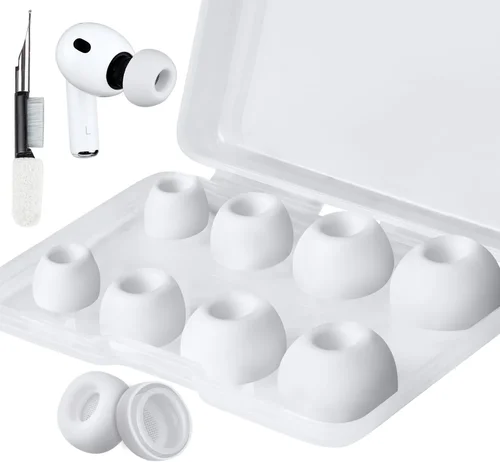
❌ Mistake: Choosing Based Solely on Price
Why it’s bad: Ultra-cheap ear tips often use low-grade silicone that cracks easily or memory foam that degrades within weeks. They may not fit properly, leading to poor sound and wasted money.
What to do instead: Invest in mid-tier options from reputable brands. A $15 set that lasts six months is far better value than a $5 set that fails in a month.
❌ Mistake: Ignoring Size Options
Why it’s bad: Ear canals vary widely in shape and size. Using the wrong size leads to discomfort, poor seal, and reduced ANC performance.
What to do instead: Always buy tips that include at least three sizes (S/M/L). Test each size during quiet moments to find your best fit.
❌ Mistake: Overlooking Material Hygiene
Why it’s bad: Memory foam absorbs earwax and sweat, becoming a breeding ground for bacteria if not cleaned regularly. This can lead to ear infections or odor.
What to do instead: Clean foam tips weekly with a damp cloth and replace them every 3–6 months. For silicone, rinse monthly and inspect for cracks.
❌ Mistake: Assuming All “AirPods Pro Compatible” Tips Fit Perfectly
Why it’s bad: Some third-party tips have slightly larger stems that can strain the AirPods’ internal mesh or cause rattling.
What to do instead: Read detailed compatibility notes and user reviews. Brands like SpinFit and Comply are known for precise engineering.
❌ Mistake: Not Testing Before Committing
Why it’s bad: You might end up with tips that look great online but feel awful in your ears.
What to do instead: Choose retailers with generous return policies (e.g., Amazon, Best Buy). Test for 24–48 hours before deciding.
❌ Mistake: Buying Generic “Multi-Pack” Without Research
Why it’s bad: Many no-name packs include inconsistent sizes or poor-quality materials that don’t enhance performance.
What to do instead: Stick to brands with verified customer photos and detailed product descriptions. Look for certifications like FDA-approved materials.
❌ Mistake: Forgetting About Long-Term Costs
Why it’s bad: Cheap tips may seem economical upfront but require frequent replacement, adding up over time.
What to do instead: Calculate cost per month of use. Premium tips often save money in the long run due to durability.
—
Budget Guidelines: How Much Should You Spend?
Entry-Level ($5–$12): Ideal for casual users who want a basic upgrade from stock tips. Expect standard silicone in 2–3 sizes. Good for occasional use but may lack advanced features like enhanced isolation or sweat resistance. Best for: students, occasional listeners, backup sets.
Mid-Range ($12–$20): The sweet spot for most buyers. Includes high-quality silicone or entry-level memory foam with multiple sizes, better ergonomics, and improved seal. Often comes with a storage case. Best for: daily commuters, remote workers, fitness enthusiasts.
Premium ($20–$30): Designed for audiophiles and frequent travelers. Features medical-grade silicone, proprietary memory foam, or hybrid designs. Superior noise isolation, all-day comfort, and longer lifespan. May include extras like cleaning tools or fit guides. Best for: professionals, frequent flyers, serious music lovers.
Luxury ($30+): Top-tier options from specialty brands like Dekoni or custom-molded solutions. Often handcrafted, with advanced materials and personalized fit. Overkill for most users but worth considering if you demand perfection. Best for: sound engineers, collectors, or those with unique ear anatomy.
—
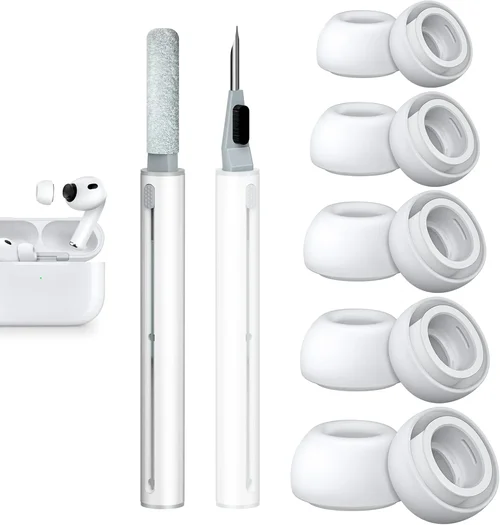
Expert Tips for Getting the Best Deal
– Buy during seasonal sales: Black Friday, Prime Day, and back-to-school periods often feature 20–30% off premium ear tips. Sign up for brand newsletters to get early access.
– Shop at authorized retailers: Amazon, Best Buy, and B&H Photo carry trusted brands with buyer protection. Avoid unknown eBay or AliExpress sellers unless reviews are overwhelmingly positive.
– Check return policies: Opt for stores with at least 30-day returns. This lets you test fit and comfort risk-free.
– Bundle with other accessories: Some brands offer discounts when you buy tips with cases or cleaning kits. Look for combo deals.
– Read the fine print on warranties: Reputable brands often offer 6–12 month warranties against defects. Keep your receipt!
– Test fit before leaving home: Use Apple’s built-in Ear Tip Fit Test (Settings > Bluetooth > AirPods Pro > Ear Tip Fit Test) after installing new tips to verify seal quality.
– Consider your lifestyle: If you sweat a lot, prioritize sweat-resistant silicone. If you travel often, memory foam for maximum isolation.
– Don’t chase trends: Just because a tip is “new” doesn’t mean it’s better. Stick to proven designs with strong user feedback.
—

Frequently Asked Questions
Q: Will third-party ear tips damage my AirPods Pro?
A: No—as long as they’re properly sized and installed gently. Avoid forcing tips onto the stem, as this can tear the internal mesh. Stick to reputable brands with precise engineering.
Q: Can I use AirPods Pro tips on other earbuds?
A: Generally no. AirPods Pro have a unique stem and nozzle design. Third-party tips are specifically molded for this shape.
Q: How often should I replace my ear tips?
A: Silicone: every 6–12 months. Memory foam: every 3–6 months, or sooner if they lose firmness or show discoloration.
Q: Do third-party tips work with wireless charging?
A: Yes. Ear tips don’t interfere with charging since they only attach to the earbud itself, not the case.
Q: Will Apple void my warranty if I use third-party tips?
A: No. Apple cannot void your warranty solely for using non-Apple accessories unless they directly cause damage (which is rare with quality tips).
Q: Are memory foam tips safe for ears?
A: Yes, when made from certified hypoallergenic materials. Clean them regularly and discontinue use if you experience irritation.
Q: Can I wash memory foam tips?
A: Wipe with a damp cloth only—do not soak or machine wash. Excess moisture can degrade the foam and promote bacterial growth.
Q: Do larger tips always mean better sound?
A: Not necessarily. The best size is the one that creates a comfortable, airtight seal—not necessarily the largest. Test multiple sizes.
Q: Are there eco-friendly options?
A: Yes! Some brands use recyclable packaging and biodegradable materials. Look for BPA-free, phthalate-free labels.
Q: What if none of the sizes fit well?
A: Consider custom-molded tips from audiologists, or try hybrid designs that offer more flexibility. You can also contact the manufacturer—some offer free size exchanges.
—
Our Final Recommendations
– Best for Budget-Conscious Buyers: Joto Silicone Tips ($8–$10) – Reliable, multi-size pack with good seal and easy cleaning. Great starter option.
– Best Overall Value: SpinFit CP360 ($16–$18) – Premium silicone with patented “Waft” technology for enhanced airflow and seal. Widely praised for comfort and sound.
– Best Premium Option: Comply TrueGrip Pro ($25–$28) – Memory foam with stabilizing wings. Exceptional noise isolation and secure fit for active users.
– Best for Beginners: Apple Original Silicone Tips ($9–$12) – While not third-party, they’re a safe baseline. Try these first, then upgrade based on your needs.
– Best for Advanced Users: Dekoni Audio Hybrid Tips ($30+) – Dual-layer design with memory foam core and silicone shell. Audiophile-grade performance with long-term durability.
—
Conclusion: Making the Right Choice
Choosing the right third-party ear tips for your AirPods Pro isn’t just about swapping out a small accessory—it’s about unlocking the full potential of your investment. The right tips can transform your listening experience, offering deeper bass, clearer vocals, and truly immersive noise cancellation. They can turn a frustrating fit into all-day comfort and make your daily commute, workout, or work session noticeably better.
As you’ve learned, the key lies in understanding your priorities: Are you chasing ultimate noise isolation? Do you need something sweat-proof for the gym? Or are you simply looking for a more comfortable alternative to Apple’s default tips? By focusing on material, fit, compatibility, and brand reputation—and avoiding common pitfalls like ultra-cheap generics or ignoring size options—you’ll make a decision that pays off every time you pop your AirPods in.
Remember, your ears are unique. What works for a friend might not work for you. Take advantage of return policies, test different sizes, and don’t rush the process. A few extra dollars spent on quality now can save you from disappointment and repeated purchases down the line.
So go ahead—upgrade your seal, elevate your sound, and rediscover what your AirPods Pro were truly meant to deliver. Your ears (and your playlist) will thank you.