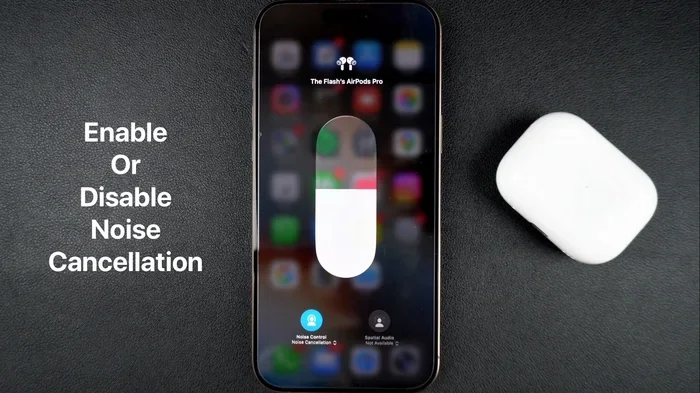
Featured image for AirPods noise cancellation feature
Image source: ioshacker.com
Standard AirPods (1st, 2nd, and 3rd generation) do NOT have active noise cancellation. Only AirPods Pro and AirPods Max offer this feature. Standard AirPods rely on passive noise isolation, which blocks some sound naturally but isn’t as effective as ANC. If you want true noise cancelling, you’ll need the Pro or Max versions.
Ever wondered why your friend can barely hear the subway noise while jamming to music, but you can hear every screech and rumble through yours? The secret might be active noise cancellation—a feature that’s become the gold standard for premium earbuds.
Here’s the quick answer you came for: No, normal AirPods cannot do active noise cancelling. If you own the standard AirPods (1st, 2nd, or 3rd generation), you’re getting passive noise isolation at best. This means your earbuds block some sound just by physically sealing your ear canal, but they don’t have the fancy microphone technology that creates anti-noise waves.
But don’t close this tab yet! There’s a lot more to understand about how noise cancellation works, what your current AirPods can do, and whether upgrading makes sense for your lifestyle and budget. Let’s break it all down in plain English.
Key Takeaways
- Standard AirPods lack ANC: Only AirPods Pro (1st, 2nd gen) and AirPods Max have built-in active noise cancellation technology.
- Passive vs. Active Noise Cancellation: Standard AirPods use passive isolation (physical seal), while Pro models use active tech (microphones + anti-noise waves).
- Price Difference is Significant: AirPods Pro cost $200-$250, while standard AirPods cost $130-$170—a $70-$120 jump for ANC.
- Alternatives Exist: If budget matters, third-party earbuds from Anker, Sony, and Jabra offer ANC under $100.
- Battery Impact: Active noise cancellation drains battery faster—Pro models last 4.5-6 hours with ANC on.
- Transparency Mode is Pro-Only: The ability to amplify outside sounds is exclusive to AirPods Pro and Max.
- Software Tricks Don’t Add ANC: No iOS update or app can add true noise cancelling to standard AirPods.
📑 Table of Contents
- What Exactly is Noise Cancellation and Why Does It Matter?
- Which AirPods Models Have Noise Cancelling?
- What Can Normal AirPods Actually Do for Noise?
- How Does Active Noise Cancellation Work in AirPods Pro?
- Should You Upgrade to AirPods Pro?
- Cheap Alternatives to AirPods Pro with Noise Cancelling
- Common Myths About AirPods and Noise Cancellation
- FAQs About AirPods and Noise Cancellation
- Final Thoughts: Making the Right Choice for Your Ears
What Exactly is Noise Cancellation and Why Does It Matter?
Imagine you’re sitting next to a loud air conditioner. You can’t turn it off, but you want peace. Active noise cancellation is like having a magic eraser that paints over that hum with an opposite sound wave, making it disappear into silence.
The Science Made Simple
Sound travels in waves. When your AirPods detect an unwanted noise (like airplane engine drone), tiny built-in microphones capture that sound. Then, the chip inside your earbuds creates a mirror-image wave—called “anti-noise”—that plays through your speakers. When the original noise and the anti-noise meet, they cancel each other out. It’s like adding +5 and -5 to get zero.
Did You Know? The concept of noise cancellation was first patented in the 1930s and was originally developed for airplane pilots and helicopter crews, not music lovers!
Two Types of Noise Blocking
There are actually two different ways earbuds reduce noise:
- Passive Noise Isolation: This is just physics. A good seal in your ear blocks sound naturally, like putting your hands over your ears. Standard AirPods do this okay, but not amazingly because they don’t have silicone tips.
- Active Noise Cancellation (ANC): This is the smart, powered version that uses technology to fight sound with sound. AirPods Pro and Max have this.
Think of it this way: passive isolation is like wearing earmuffs on a construction site. Active noise cancellation is like wearing earmuffs that also play a “cancel” sound to erase the jackhammer completely.
Which AirPods Models Have Noise Cancelling?
Apple sells several AirPods models, and only some have noise cancelling. Knowing which is which saves you money and disappointment.
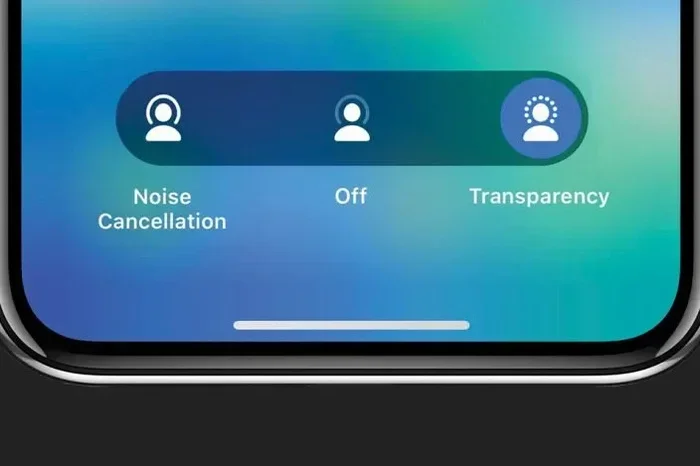
Visual guide about AirPods noise cancellation feature
Image source: iphonelife.com
The Lineup Breakdown
- AirPods (1st Generation): Released December 2016. No ANC. No water resistance. Basic listening only.
- AirPods (2nd Generation): Released March 2019. No ANC. Added “Hey Siri” and faster pairing.
- AirPods (3rd Generation): Released October 2021. No ANC. Added spatial audio and better battery life.
- AirPods Pro (1st Generation): Released October 2019. YES, ANC. Silicone tips and Transparency Mode included.
- AirPods Pro (2nd Generation): Released September 2022. YES, ANC (2x better than 1st gen). Adaptive Transparency Mode.
- AirPods Max: Released December 2020. YES, ANC. Over-ear headphones, premium price tag ($549).
Quick Tip: If your AirPods have silicone ear tips (those squishy rubber pieces), they probably have ANC. Standard AirPods have hard plastic that rests in your ear—no silicone, no ANC.
How to Check What You Own
Not sure which model you have? Here’s how to check:
- Open the Settings app on your iPhone.
- Tap Bluetooth.
- Find your AirPods in the list and tap the “i” icon next to them.
- Look at the Model Name. It will say “AirPods,” “AirPods Pro,” or “AirPods Max.”
You can also look at the AirPods themselves. AirPods Pro have shorter stems and silicone tips. AirPods Max are huge over-ear headphones—no mistaking those.
What Can Normal AirPods Actually Do for Noise?
Okay, so standard AirPods don’t have active noise cancelling. But they’re not completely useless in noisy environments. Let’s talk about what they can do.
Passive Noise Isolation Explained
Standard AirPods block some noise just by sitting in your ears. The hard plastic creates a partial seal that reduces high-pitched sounds like office chatter or coffee shop hiss. However, they don’t block low-frequency sounds well—that’s where airplane engines, bus motors, and AC units live.
Studies show that basic earbuds like standard AirPods reduce noise by about 5-10 decibels passively. ANC earbuds can reduce noise by 20-30 decibels. That difference is huge—10 decibels sounds twice as loud to your ears.
Did You Know? Every 10-decibel increase in sound is perceived as roughly doubling the loudness to human ears. So blocking 20 dB versus 5 dB makes a massive difference in comfort.
The Fit Factor
One trick to maximize passive noise isolation with standard AirPods is getting the right fit. Even though they don’t come with different tip sizes like the Pro models, how you position them matters:
- Push them in slightly and twist forward to create a better seal.
- Try using foam covers (third-party accessories) that slip over the AirPods for a tighter fit.
- Make sure you’re wearing the correct left and right—mixing them up reduces the seal significantly.
Volume as a Coping Mechanism
Let’s be honest: many people just turn up the volume to drown out background noise. While this works, audiologists warn it’s dangerous. Listening at high volumes for over an hour can permanently damage your hearing. The World Health Organization estimates that 1.1 billion young people worldwide are at risk of hearing loss from unsafe listening practices.
This is exactly why active noise cancelling is valuable—it lets you keep volume low while still hearing your music clearly.
How Does Active Noise Cancellation Work in AirPods Pro?
If you’re curious about what you’re missing (or considering an upgrade), let’s peek under the hood of AirPods Pro.
The Hardware Magic
AirPods Pro pack serious tech into tiny earbuds:
- Two microphones per earbud: One faces outward to catch environmental noise, one faces inward to catch any sound that sneaks past the seal.
- H1 or H2 Chip: This is Apple’s custom processor that analyzes sound 200 times per second and creates anti-noise in real-time.
- Sealed silicone tips: Three sizes (XS, S, M, L) create a much better physical seal than hard plastic AirPods.
The H2 chip in AirPods Pro (2nd gen) is twice as powerful as the H1. This means it can cancel noise faster and more accurately, especially tricky sounds like human voices or sudden clatter.
Adaptive Transparency Mode
AirPods Pro (2nd gen) introduced Adaptive Transparency, which is like a smart window for your ears. It lets you hear important sounds (sirens, announcements, conversations) while still reducing harsh noise. Imagine walking through a busy street—you hear the cars but aren’t deafened by them.
Standard AirPods? They can’t do this at all. You either get all the noise or none.
Real-World Performance
How well does ANC actually work? Pretty amazingly, according to most reviewers. AirPods Pro (2nd gen) can reduce airplane cabin noise by up to 90%, according to Apple’s testing. Commuters report that subway noise becomes barely noticeable, and office chatter fades into the background.
However, ANC isn’t perfect. Very sudden, sharp sounds (like a dog barking or a door slamming) may still get through because the system needs a split second to react.
Should You Upgrade to AirPods Pro?
This is the million-dollar question—well, $249 question. Here’s how to decide.
Upgrade If…
- You commute daily: Trains, buses, and planes are where ANC shines brightest.
- You work in noisy offices: Open floor plans and HVAC systems are ANC’s nemesis.
- You travel frequently: Airplane engine drone disappears almost completely.
- You have hearing sensitivity: ANC lets you listen at lower volumes safely.
- You want the best audio quality: AirPods Pro have better drivers and sound than standard models.
Stick With Standard AirPods If…
- You mostly listen at home or in quiet spaces: You won’t benefit much from ANC.
- Budget is tight: Standard AirPods cost $130-$170 versus $200-$250 for Pro.
- You prefer the hard plastic fit: Some people find silicone tips uncomfortable.
- You’re hard on your earbuds: Replacing standard AirPods is cheaper if you lose them.
The Price Breakdown
Here’s what you’re looking at in 2024 prices:
- AirPods (3rd gen): $169
- AirPods Pro (2nd gen): $249
- AirPods Pro (1st gen): Often sold around $199
- AirPods Max: $549
The Pro models cost about $80-$100 more than standard AirPods. For that premium, you get ANC, better fit, water resistance, and superior sound quality.
Cheap Alternatives to AirPods Pro with Noise Cancelling
Maybe you don’t want to pay Apple prices. Good news: several brands offer solid ANC earbuds for way less.
Budget-Friendly ANC Earbuds Under $100
- Anker Soundcore Life P3: Around $80. Hybrid ANC, good battery life, wireless charging.
- JLab Epic Air Sport ANC: Around $80. Workout-friendly with active noise cancelling.
- EarFun Air Pro 3: Around $70. Multi-point connection and solid ANC performance.
- Sony WF-C700N: Around $100. Trusted brand with reliable noise cancelling.
None of these match AirPods Pro’s seamless iPhone integration, but they all offer real ANC at half the price.
Mid-Range Options ($100-$150)
If you can stretch your budget a bit more, consider:
- Jabra Elite 4: Around $130. Great for calls and decent ANC.
- Samsung Galaxy Buds FE: Around $100. Excellent ANC for Android users.
- Nothing Ear (2): Around $150. Stylish design with hybrid ANC.
Pro Tip: When shopping for ANC earbuds, look for the words “hybrid ANC” or “adaptive ANC.” These use multiple microphones and are more effective than basic ANC.
Common Myths About AirPods and Noise Cancellation
Let’s clear up some confusion floating around the internet.
Myth #1: Software Updates Can Add ANC
False. No app, firmware update, or iOS trick can add active noise cancellation to standard AirPods. The hardware simply isn’t there. Microphones, processors, and tuned speakers are all required, and standard AirPods lack the necessary components.
Myth #2: All Wireless Earbuds Have Noise Cancelling
False. Many cheap wireless earbuds don’t have ANC. They might say “noise reduction” on the box, but that usually refers to microphone noise reduction during calls—not noise cancelling for your listening experience. Always check the specs before buying.
Myth #3: Noise Cancelling Damages Your Ears
False. Active noise cancellation is safe and actually protects your hearing by letting you listen at lower volumes. The anti-noise waves are quiet and specifically designed to cancel sound, not harm your ears.
Myth #4: AirPods Pro Noise Cancelling is Perfect
Partly False. While excellent, AirPods Pro ANC isn’t flawless. They struggle with very high-pitched sounds (like baby cries) and sudden sharp noises. For industrial-grade noise, you’d need professional earmuffs.
Myth #5: You Need Music On for ANC to Work
False. You can use ANC on AirPods Pro without playing any music. Many people use them just for silence during flights or in noisy offices.
FAQs About AirPods and Noise Cancellation
Let’s tackle the most common questions people ask.
Can I add noise cancelling to my regular AirPods with an app?
No, you cannot. Active noise cancellation requires special hardware including outward-facing microphones and a powerful processor. Standard AirPods don’t have these components, so no software solution can add this feature. Your only option is upgrading to AirPods Pro or Max.
Do AirPods 3 have noise cancelling like AirPods Pro?
AirPods 3 do not have active noise cancellation. They offer only passive noise isolation through their design. For true ANC, you need AirPods Pro (1st or 2nd generation) or AirPods Max.
Is the noise cancelling on AirPods Pro worth the extra money?
For most people who commute, travel, or work in noisy environments, yes. The ANC on AirPods Pro significantly reduces background noise, improves audio quality, and protects your hearing by allowing lower listening volumes. However, if you’re mostly in quiet spaces, standard AirPods may be sufficient.
How do I turn on noise cancelling on my AirPods Pro?
Press and hold the force sensor on the stem of your AirPods Pro to switch between Active Noise Cancellation and Transparency Mode. You can also control this from your iPhone’s Control Center by pressing and holding the volume slider while wearing your AirPods.
Can normal AirPods block out airplane noise?
Standard AirPods will reduce some airplane noise through passive isolation, but they won’t eliminate the low-frequency engine drone. AirPods Pro or Max are much better suited for flights, as their ANC specifically targets those persistent low-frequency sounds.
Do AirPods Pro noise cancelling work without music playing?
Yes, AirPods Pro can use ANC without playing music. Many travelers use this feature to simply enjoy silence during flights. However, the effect is more noticeable when combined with music or podcasts since your brain has less external sound to focus on.
Final Thoughts: Making the Right Choice for Your Ears
So, can normal AirPods do noise cancelling? The answer is a clear no—but that’s not necessarily a deal-breaker for everyone. Standard AirPods work perfectly fine for quiet environments like your home, walking in a park, or light office use. Their passive isolation handles moderate noise reasonably well.
However, if you regularly deal with loud, persistent noise—airplanes, trains, busy streets, or bustling coffee shops—active noise cancellation is a game-changer. The difference between hearing your music clearly at 40% volume versus cranking it to 80% to drown out noise is significant, both for audio quality and long-term hearing health.
Here’s my practical advice: Start with what you have. If your standard AirPods are meeting your needs, don’t rush to upgrade. But if you find yourself constantly turning up the volume or struggling to hear in noisy places, the jump to AirPods Pro is worth every penny. Your ears—and your sanity—will thank you.
Remember: protecting your hearing is an investment, not an expense. Whether you choose AirPods Pro, AirPods Max, or a budget alternative from another brand, choosing ANC is choosing better hearing health for decades to come.