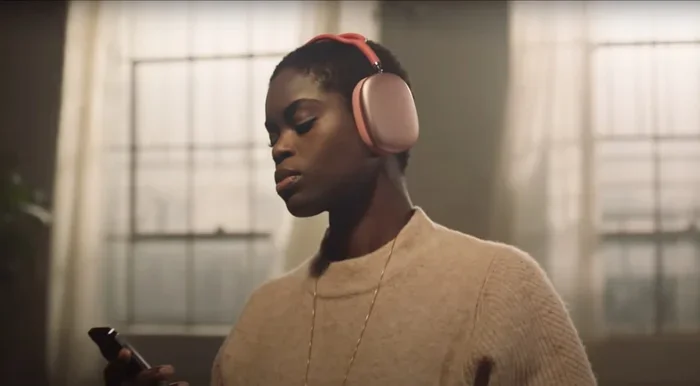
Featured image for person wearing AirPods Max publicly
Image source: media.idownloadblog.com
AirPods Max can leak sound at high volumes, but generally offer excellent privacy for everyday listening. Sound leakage depends on volume level, fit, and your environment. Most people nearby won’t hear your music unless you crank the volume above 70-80% in quiet spaces. For maximum privacy, use Active Noise Cancellation and keep volume at moderate levels.
Have you ever been on a subway, sitting in a coffee shop, or working in a quiet office and wondered, “Can people hear my music from my AirPods Max?” You’re definitely not alone. This is one of the most common questions people ask about Apple’s premium over-ear headphones. The good news is that AirPods Max are designed with sound privacy in mind, but they’re not completely soundproof. Think of them like a really good privacy fence — it blocks most of the view, but your neighbor might still catch a glimpse if they really try.
Understanding how sound leakage works with AirPods Max can help you enjoy your music, podcasts, and calls without worrying about disturbing those around you. Whether you’re a frequent traveler, a remote worker, or just someone who loves their music loud, this guide will walk you through everything you need to know about sound privacy with these high-end headphones. We’ll cover how they work, when sound might leak, and simple tips to keep your listening experience private and enjoyable.
The short answer? At normal listening volumes, almost no one will hear your music. AirPods Max are over-ear headphones with thick padding and a snug fit, which naturally minimizes sound leakage. However, if you crank the volume up to maximum in a silent room, the people right next to you might hear faint hints of your favorite song. Let’s dive into the details so you know exactly what to expect and how to optimize your setup.
Key Takeaways
- AirPods Max offer good but not perfect sound isolation: They are over-ear headphones, which naturally leak less sound than earbuds, but they aren’t completely soundproof.
- Volume level is the biggest factor: At low to moderate volumes (under 50%), almost no one will hear your music, even in quiet rooms.
- Sound leakage increases above 70% volume: In silent environments like libraries or quiet offices, people nearby may hear faint music at high volumes.
- Active Noise Cancellation helps reduce leakage: ANC doesn’t directly block sound from escaping, but it lets you listen at lower volumes by reducing ambient noise.
- Fit and seal matter: Properly positioning the ear cups creates a better seal, which reduces both sound leakage and outside noise intrusion.
- Bass frequencies leak more than treble: Deep bass sounds travel further and are more likely to be heard by others than higher-pitched sounds.
- Public etiquette still applies: Even with minimal leakage, being mindful of your volume in shared spaces is considerate and courteous.
📑 Table of Contents
- How AirPods Max Handle Sound Isolation
- When Can People Actually Hear Your Music?
- Understanding Sound Leakage: The Technical Side
- Practical Tips to Minimize Sound Leakage
- Comparing AirPods Max to Other Headphones
- Common Misconceptions About AirPods Max and Sound Leakage
- Conclusion: Enjoying Private Listening with AirPods Max
How AirPods Max Handle Sound Isolation
AirPods Max use a combination of physical design and advanced technology to keep your audio private. Unlike earbuds that sit inside your ear canal, over-ear headphones like AirPods Max create a seal around your entire ear. This design naturally blocks more sound from escaping because the ear cups act like little sound-absorbing chambers wrapped around your ears.
The Role of Physical Design
The ear cups on AirPods Max are made with memory foam cushions wrapped in a soft, breathable mesh fabric. This material does two important things: it creates a comfortable seal against your head, and it absorbs sound waves before they can escape. Think of it like closing a door — a snug-fitting door blocks drafts much better than a loose one. The same principle applies to headphones and sound leakage.
The headband also plays a role in maintaining that seal. AirPods Max distribute weight evenly across your head, which keeps the ear cups pressed gently but firmly against your ears. When the fit is right, there’s less gap for sound to slip through. A poor fit, on the other hand, can create tiny openings where sound can leak out or ambient noise can sneak in.
Active Noise Cancellation and Transparency Mode
AirPods Max come with two special listening modes that affect how sound behaves: Active Noise Cancellation (ANC) and Transparency Mode. Each one changes your listening experience in a different way.
Active Noise Cancellation uses tiny microphones on the outside of the ear cups to detect ambient noise around you. The headphones then generate an “anti-noise” signal that’s the exact opposite of the surrounding sounds, effectively canceling them out. This is like having a noise-canceling force field around your ears. When ANC is on, you don’t need to crank up the volume to overcome background noise, which naturally reduces sound leakage.
Transparency Mode does the opposite — it lets outside sounds in using those same microphones. This is useful when you need to hear announcements, have a quick conversation, or stay aware of your surroundings. While Transparency Mode doesn’t directly increase sound leakage, you might be tempted to raise your volume to compensate for the noise around you, which could cause more leakage.
The Adaptive EQ Feature
AirPods Max also include Adaptive EQ, which adjusts the sound profile based on how the headphones fit and seal against your ears. This technology ensures that you hear your music the way the artist intended, even if the fit isn’t absolutely perfect. While Adaptive EQ doesn’t prevent sound leakage directly, it helps you get the best sound quality at lower volumes, which indirectly keeps your music more private.
When Can People Actually Hear Your Music?
Now that we know how AirPods Max are designed to keep sound in, let’s talk about the situations where sound leakage actually becomes noticeable. The truth is, sound leakage is mostly a non-issue for most people in most situations. But there are specific scenarios where someone nearby might catch a faint tune.
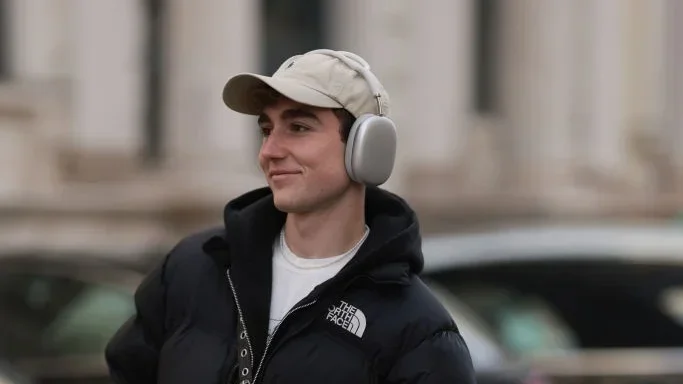
Visual guide about person wearing AirPods Max publicly
Image source: cdn.mos.cms.futurecdn.net
High Volume Levels
The biggest culprit for sound leakage is, unsurprisingly, high volume. According to audio engineering principles, headphones generally start leaking noticeable sound when played above 70-80% of their maximum volume in quiet environments. AirPods Max are no exception to this rule.
Here’s a simple way to think about it: imagine you’re talking in a library. If you whisper, no one hears you. If you speak at a normal conversational level, only people right next to you might catch a word or two. But if you start projecting your voice like a theater actor, suddenly everyone in the library knows what you’re saying. Headphone volume works the same way. The louder your music, the further it travels.
In real-world terms, if you’re listening at about 40-50% volume in a moderately noisy environment, the chances of anyone hearing your music are almost zero. Bump it up to 80% or higher in a completely silent room, and someone sitting within a foot or two of you might hear faint sounds.
Quiet Environments vs. Noisy Environments
Where you are matters just as much as how loud your music is. In a noisy café, busy street, or rumbling subway car, any sound leakage from your AirPods Max would be drowned out by the ambient noise. No one would ever hear your music because there’s too much other noise competing for attention.
However, in a quiet library, empty office, or peaceful park bench, the ambient noise level is very low. In these settings, even a small amount of sound leakage becomes more noticeable because there’s nothing else masking it. It’s like trying to spot a single star in a city versus out in the countryside — the star is the same brightness, but the city lights make it nearly impossible to see.
Distance Matters
Sound gets quieter the further it travels. Even if your music is leaking slightly, the volume drops dramatically over distance. Someone sitting two feet away might hear a faint hint of your song, but someone across the room? Probably not. The general rule is that sound intensity decreases by about 6 decibels every time you double the distance from the source. So if your music is leaking at, say, 40 decibels right at the ear cup, it would be down to about 34 decibels a foot away, and 28 decibels two feet away — which is quieter than a whisper.
Understanding Sound Leakage: The Technical Side
To really understand why and when sound leaks from headphones, it helps to know a bit about how sound works. Don’t worry — we’ll keep this simple and jargon-free.
What Is Sound Leakage?
Sound leakage is simply the audio from your headphones that escapes and becomes audible to people around you. Every headphone leaks some sound — it’s unavoidable physics. Even the most expensive, professionally designed headphones can’t create a perfect vacuum seal around your ears. There will always be tiny gaps where sound can escape, especially at higher frequencies and louder volumes.
Think of it like this: when you blow up a balloon and don’t tie it off perfectly, some air escapes, right? It’s the same idea with headphones. The ear cups create a seal, but it’s not airtight. Sound waves are powerful enough to find their way through the smallest openings.
Why Bass Frequencies Leak More
Did you know that bass sounds travel further than high-pitched sounds? This is because bass frequencies have longer wavelengths, which means they can bend around obstacles and slip through small gaps more easily. Treble frequencies, on the other hand, have shorter wavelengths and tend to bounce off surfaces or get absorbed more readily.
In practical terms, if someone can hear your music leaking from your AirPods Max, they’re more likely to hear the bass and rhythm rather than the singer’s voice or the guitar solo. The low-end rumble of a hip-hop track or the deep thump of electronic music travels farther than the crisp highs of a violin or the clear vocals of a pop song.
The Seal Test
Here’s a simple test you can do to check if your AirPods Max have a good seal: put them on, play some music, and then press the ear cups gently against your head. If the bass response changes significantly (becomes fuller or richer), that means your fit wasn’t optimal. Adjust the headband and reposition the ear cups until the bass sounds consistent whether you’re pressing or not. A good seal means better sound quality AND less leakage.
Practical Tips to Minimize Sound Leakage
While AirPods Max are already pretty good at keeping your music private, there are several easy things you can do to make them even better. These tips are simple, practical, and can make a noticeable difference in how much sound escapes your headphones.
Keep Your Volume at Moderate Levels
This is the most obvious tip, but it’s worth repeating because it’s the most effective. Listening at moderate volumes (around 40-60% of maximum) is better for your hearing AND reduces sound leakage to nearly zero. Not only that, but audio experts generally recommend keeping your volume at 60% or below to protect your long-term hearing health.
According to the World Health Organization, over 1 billion young people worldwide are at risk of hearing loss due to loud music exposure. Keeping your volume in check is a win-win situation: you protect your ears and keep your music private. It’s a habit worth building.
Use Active Noise Cancellation
Whenever you’re in a noisy environment, turn on Active Noise Cancellation. ANC doesn’t directly prevent sound leakage, but it allows you to listen at lower volumes because it blocks out ambient noise. Instead of cranking up your music to overcome the sound of a busy street or a chatty office, ANC quiets the environment so you can enjoy your audio at a comfortable, private level.
AirPods Max have a dedicated noise cancellation button on the right ear cup. A quick press toggles between ANC and Transparency Mode. Get in the habit of using ANC in noisy places, and you’ll find yourself listening at lower volumes naturally.
Ensure a Proper Fit
A proper fit is crucial for both sound quality and sound isolation. Make sure the ear cups are positioned squarely over your ears, with the headband adjusted so the headphones sit snugly but comfortably. The ear cushions should make full contact around your ears without gaps. If you wear glasses, the temples can sometimes break the seal slightly, so be aware of this if you’re a glasses-wearer.
Take a moment to adjust your headphones each time you put them on. A few seconds of adjustment can make a significant difference in how well they seal against your head and how much sound stays inside.
Choose the Right Music
Some types of music are more prone to leakage than others. Songs with heavy bass, loud drums, or powerful vocals are more likely to leak than soft acoustic tracks or ambient music. If you’re particularly concerned about sound privacy — say, you’re in a very quiet office or shared study space — consider listening to calmer, quieter genres at moderate volumes. Jazz, classical music, soft podcasts, or ambient soundscapes are all excellent choices for maximum privacy.
Be Mindful in Shared Spaces
Even if AirPods Max leak very little sound at normal volumes, basic etiquette still matters. In truly silent environments like libraries, meditation centers, or quiet zones on public transit, it’s courteous to keep your volume low or use Transparency Mode sparingly. Being considerate of others is a small thing that makes shared spaces more pleasant for everyone.
Comparing AirPods Max to Other Headphones
AirPods Max are premium headphones, and their sound isolation performance reflects that. But how do they stack up against other popular options? Let’s take a quick look.
AirPods Max vs. AirPods Pro
AirPods Pro are in-ear headphones with silicone tips that create a seal inside your ear canal. Because they sit directly in your ear, they tend to leak more audio than over-ear headphones at high volumes. AirPods Max, with their larger ear cups and over-ear design, generally provide better passive noise isolation and less sound leakage. However, AirPods Pro offer excellent active noise cancellation and are more portable.
AirPods Max vs. Standard AirPods
Standard AirPods (the non-Pro version) sit in your ears without creating a seal. This means they leak significantly more sound than both AirPods Pro and AirPods Max. If sound privacy is your top priority, AirPods Max are clearly the better choice over standard AirPods.
AirPods Max vs. Other Over-Ear Headphones
When compared to other premium over-ear headphones like the Sony WH-1000XM5 or Bose QuietComfort series, AirPods Max perform similarly in terms of sound leakage. All well-designed over-ear headphones leak minimal sound at moderate volumes. The differences come down to features, comfort, sound quality, and ecosystem integration rather than sound isolation alone.
Common Misconceptions About AirPods Max and Sound Leakage
There are a few myths floating around about AirPods Max and sound privacy. Let’s clear up some of the most common misunderstandings.
Myth 1: “AirPods Max Are Completely Soundproof”
No headphones are 100% soundproof — not even the most expensive professional studio monitors. They all leak some sound at high volumes. AirPods Max are excellent at minimizing leakage, but calling them “soundproof” would be an overstatement. Think of them as very good at keeping sound contained, not perfect.
Myth 2: “ANC Prevents Sound Leakage”
Active Noise Cancellation reduces outside noise coming in, but it doesn’t directly prevent your music from leaking out. ANC works by analyzing external sounds and generating counter-signals. It doesn’t create a barrier that traps your audio inside. However, as we mentioned earlier, ANC indirectly reduces leakage by allowing you to listen at lower volumes.
Myth 3: “Loud Music Always Leaks”
Not true. At low to moderate volumes, even in completely silent rooms, AirPods Max leak almost no audible sound. Leakage becomes noticeable only at high volumes (typically above 70%) in very quiet environments. So if you’re listening at a comfortable level, you probably have nothing to worry about.
Myth 4: “Sound Leakage Damages the Headphones”
Sound leakage doesn’t harm your AirPods Max in any way. It’s a natural physical phenomenon, not a defect. The headphones are designed to handle normal listening levels without any issues. Sound leakage is simply a characteristic of how headphones work, not a sign of damage or malfunction.
Conclusion: Enjoying Private Listening with AirPods Max
So, can people hear your music on AirPods Max? In most everyday situations, the answer is a resounding no. AirPods Max are thoughtfully designed over-ear headphones with thick cushions, a snug fit, and advanced features like Active Noise Cancellation that work together to keep your listening experience private. At moderate volumes — which is what most audiologists and audio experts recommend anyway — sound leakage is virtually nonexistent.
The only times you might experience noticeable leakage are when you’re listening at very high volumes in extremely quiet environments. Even then, the leakage is limited to people sitting very close to you, and it’s typically just a faint hint of bass rather than a clear broadcast of your music. By keeping your volume at reasonable levels, using Active Noise Cancellation in noisy places, and ensuring a proper fit, you can enjoy your AirPods Max with complete confidence in any setting.
Remember, good listening habits benefit both your privacy and your hearing health. The World Health Organization estimates that nearly 50% of people aged 12-35 are exposed to unsafe sound levels from personal audio devices. Keeping your volume moderate is a small change that pays huge dividends over a lifetime. So go ahead — put on your AirPods Max, press play, and enjoy your music, podcasts, and calls with the peace of mind that comes from knowing your audio stays where it belongs: in your ears.
Frequently Asked Questions
Do AirPods Max leak sound at low volumes?
No, AirPods Max leak virtually no sound at low to moderate volumes (below 50%). The over-ear design with memory foam cushions creates an effective seal that keeps audio contained. You can comfortably listen in quiet spaces like libraries without disturbing anyone nearby.
Can people hear my AirPods Max on the subway?
In most cases, no. The ambient noise on a subway is loud enough to mask any minor sound leakage from your AirPods Max. Even at higher volumes, the rumble of the train and other sounds would prevent anyone from hearing your music clearly.
Does Active Noise Cancellation reduce sound leakage?
ANC doesn’t directly prevent sound from escaping your headphones, but it indirectly reduces leakage by allowing you to listen at lower volumes. Since ANC blocks external noise, you don’t need to crank up the volume to overcome background sounds, which naturally keeps your music more private.
What volume level is safe for both hearing and privacy?
Audio experts generally recommend keeping your volume at 60% or below of the maximum level. At this range, you protect your hearing from long-term damage and keep sound leakage to nearly zero, even in quiet environments. The 60/60 rule (60% volume for 60 minutes at a time) is a popular guideline.
Do AirPods Max leak more sound than AirPods Pro?
AirPods Pro tend to leak slightly more sound than AirPods Max at high volumes because they sit inside your ear canal. AirPods Max have larger ear cups that fully enclose your ears, providing better passive noise isolation. Both are excellent choices, but AirPods Max edge out AirPods Pro in terms of sound privacy.
How can I tell if my AirPods Max are leaking sound?
Put on your headphones, play music at your usual volume, and ask someone nearby (or use your phone’s microphone) to listen for sound leakage. You can also remove one ear cup while music is playing — if you hear significant audio escaping, your fit or volume might need adjusting. A well-sealed pair of AirPods Max should sound full and rich with minimal outside leakage.