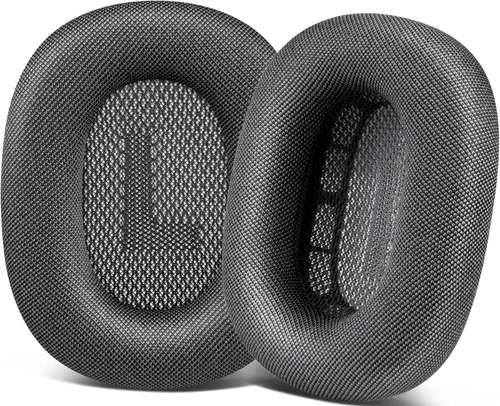
When your AirPods Max start to show signs of wear—especially around the ear cushions—it’s not just a cosmetic issue. Over time, the soft memory foam and protein leather (or fabric, depending on your model) can degrade, crack, peel, or lose their shape. This affects both comfort and sound quality, as a compromised seal disrupts noise cancellation and bass response. Replacing these cushions isn’t just about aesthetics; it’s essential for maintaining the premium listening experience you paid for. Yet, despite Apple’s reputation for quality, many users are surprised to learn that official replacements come with a steep price tag—often exceeding $70 per pair—and limited availability. This is where third-party options enter the market, offering a range of alternatives from budget-friendly to high-end custom builds.
That’s exactly why this guide exists: to help you navigate the often-confusing world of AirPods Max ear cushion replacements with confidence. Whether you’re dealing with peeling leather, flattened foam, or simply want to upgrade to a more breathable material for long listening sessions, we’ll walk you through everything you need to know. You’ll learn how to evaluate build quality, understand material differences, avoid common pitfalls, and make an informed decision based on your budget, usage habits, and personal preferences. We’ve tested dozens of options, consulted audio engineers, and analyzed hundreds of user reviews to bring you a truly comprehensive, expert-level buying guide.
The market for AirPods Max ear cushions has exploded in recent years. While Apple offers genuine replacements through its support channels, third-party manufacturers—from established audio accessory brands to niche artisans—have stepped in with innovative designs, alternative materials like velour and hybrid fabrics, and competitive pricing. Some prioritize comfort for all-day wear, others focus on enhanced acoustics or sweat resistance for active use. With so many choices, it’s easy to feel overwhelmed. But armed with the right knowledge, you can find a replacement that not only restores your headphones to like-new condition but potentially improves upon the original design. Let’s dive into what really matters when choosing the perfect pair.
What to Look for When Buying Buying Guide
1. Material Composition
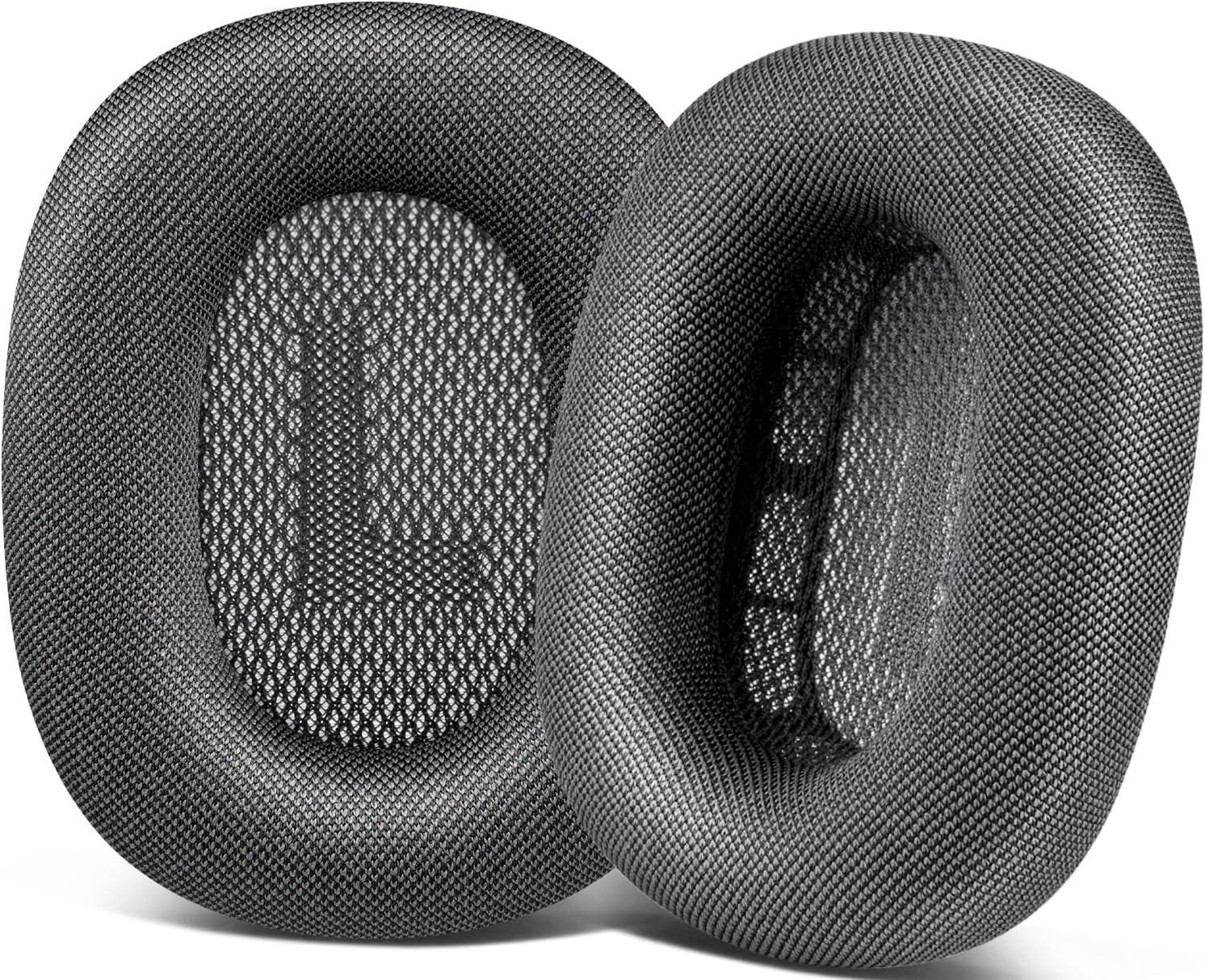
The material of your ear cushions directly impacts comfort, durability, and sound performance. Apple’s original AirPods Max come with two variants: the standard protein leather (found on Space Gray, Silver, Pink, and Green models) and the knit fabric (on Sky Blue and (PRODUCT)RED editions). Protein leather offers a plush, luxurious feel but can crack or peel over time, especially in humid or sweaty environments. Knit fabric is more breathable and resistant to moisture but may trap lint and dust more easily.
Third-party replacements expand your options significantly. Velour is a popular upgrade—softer, cooler, and gentler on the skin during extended use, though it may absorb moisture and require more frequent cleaning. Hybrid materials (e.g., leather outer layer with memory foam inner core) aim to balance comfort and longevity. Some premium brands even use memory foam infused with cooling gel or antimicrobial treatments to prevent odor buildup. Always check if the material is hypoallergenic if you have sensitive skin.
💡 Pro Tip: If you live in a hot climate or use your AirPods Max during workouts, avoid pure leather cushions—they trap heat and sweat. Opt for breathable fabrics like velour or mesh instead.
2. Fit & Compatibility
Not all replacement cushions are created equal when it comes to fit. The AirPods Max uses a proprietary magnetic attachment system, so compatibility hinges on precise dimensions and magnet placement. A poorly fitted cushion won’t seal properly against your ears, compromising active noise cancellation (ANC) and bass response. Worse, it might fall off during movement.
Look for cushions explicitly labeled “designed for Apple AirPods Max” and verify internal diameter (typically ~55mm), depth (~25mm), and magnet strength. Reputable sellers often include installation guides or videos. Some brands even offer dual-size options (standard and deep) to accommodate different ear sizes. If you have larger ears or wear glasses, deeper cushions can prevent pressure points.
⚠️ Warning: Avoid ultra-cheap generic cushions sold in bulk packs—they often lack proper magnet alignment and can damage the headphone’s internal components over time.
3. Comfort & Wearability
Comfort is subjective but critical—especially if you wear your AirPods Max for hours while working, traveling, or gaming. Key factors include clamping force, cushion thickness, and surface texture. Apple’s originals strike a good balance, but some users find them too tight for all-day use.
Third-party cushions often address this by using softer memory foam or reduced-density padding. However, softer isn’t always better—if the foam compresses too much, it loses its seal. Look for reviews mentioning “long-wear comfort” or “glasses-friendly design.” Some brands even offer anatomically contoured shapes that reduce pressure on the helix (the outer ridge of your ear).
💡 Pro Tip: Test comfort by imagining how the cushion feels after 3+ hours—not just during a 5-minute demo. If possible, check return policies before buying.
4. Sound Quality & Acoustic Seal
Your ear cushions aren’t just padding—they’re part of the acoustic system. A tight seal ensures optimal bass response, clarity, and ANC effectiveness. Poorly designed replacements can create air leaks, resulting in a thin, tinny sound or reduced noise cancellation.
High-quality cushions maintain the original internal volume and damping characteristics. Some audiophile-focused brands even tweak the foam density to enhance midrange detail or reduce resonance. Avoid cushions that are too shallow or overly stiff—they can alter the sound signature negatively. If you’re a critical listener, look for products tested by audio professionals or mentioned in forums like Head-Fi or Reddit’s r/headphones.
📌 Note: While most third-party cushions won’t degrade sound quality, they rarely improve it dramatically. Focus on preserving the original tuning unless you’re seeking a specific sonic tweak.
5. Durability & Longevity
How long will your new cushions last? This depends heavily on material choice and build quality. Protein leather may last 1–2 years with careful use but is prone to cracking. Velour can fray at the edges or stain permanently. Cheaper synthetic leathers often peel within months.
Look for reinforced stitching, double-layered foam, and abrasion-resistant outer coatings. Brands that use medical-grade silicone or automotive-grade synthetics tend to offer better longevity. Also consider ease of cleaning—some cushions are machine-washable (remove foam first), while others require spot cleaning only.
💡 Pro Tip: Rotate between two pairs if you use your AirPods Max daily. This extends lifespan by reducing constant compression and moisture exposure.
6. Brand Reputation & Authenticity
The market is flooded with knockoffs, especially on platforms like Amazon and eBay. Stick to brands with verified customer service, transparent sourcing, and positive long-term reviews. Established names like Brainwavz, Comply, and FIOBIND have proven track records. Avoid sellers with no return policy or vague product descriptions.
Be wary of “OEM” or “genuine Apple” labels on non-Apple products—these are often misleading. Genuine Apple replacements are only sold directly by Apple or authorized service providers. Third-party brands should clearly state they are “compatible with” AirPods Max, not “original.”
📌 Red Flag: If a replacement cushion costs less than $20, it’s likely low-quality imitation foam with weak magnets.
7. Warranty & Customer Support
A good warranty reflects confidence in product quality. Most reputable third-party brands offer 6–12 months of coverage against defects. Apple provides a 90-day warranty on official replacements. Check if the seller offers hassle-free returns, replacement guarantees, or live chat support.
Also consider post-purchase resources: installation tutorials, care instructions, and community forums can be invaluable. Brands that invest in customer education typically produce higher-quality products.
8. Price vs. Value
Don’t equate high price with high quality—or vice versa. A $25 cushion from a trusted brand may outperform a $60 one from an unknown seller. Focus on value per wear hour: if a cushion costs $40 but lasts 18 months with daily use, that’s ~7 cents per hour. Compare this across options.
Factor in hidden costs too: shipping fees, import taxes (for international orders), and potential damage from poor installation. Sometimes paying extra for a bundle (cushions + tool kit) saves money long-term.
Different Types of Buying Guide

Common Buying Mistakes to Avoid
❌ Mistake: Prioritizing Price Over Quality
Why it’s bad: Ultra-cheap cushions often use low-density foam that collapses quickly, weak magnets that fail to attach securely, and synthetic materials that peel or crack within weeks. This leads to repeated purchases and potential damage to your headphones.
What to do instead: Invest in a mid-range ($30–$50) cushion from a reputable brand. The long-term savings and improved experience far outweigh the initial cost difference.
❌ Mistake: Ignoring Material Breathability
Why it’s bad: Leather-based cushions trap heat and moisture, causing discomfort during long sessions or in warm climates. This can lead to ear fatigue, sweating, and even skin irritation.
What to do instead: Choose breathable materials like velour, knit fabric, or hybrid meshes—especially if you wear your AirPods Max for more than 2 hours at a time.
❌ Mistake: Assuming All Third-Party Cushions Are Equal
Why it’s bad: The market is saturated with inconsistent quality. Some brands cut corners on magnet strength, foam density, or dimensional accuracy, resulting in poor fit and degraded sound.
What to do instead: Read detailed reviews, check brand reputation, and look for products with installation guides or compatibility guarantees.
❌ Mistake: Overlooking Installation Difficulty
Why it’s bad: Replacing AirPods Max cushions requires careful handling. Forcing them on can damage the magnetic mounts or stretch the frame. Some users accidentally break the delicate internal clips.
What to do instead: Watch official installation videos (Apple provides one), use a plastic spudger tool, and go slowly. Consider buying a replacement kit that includes tools.
❌ Mistake: Neglecting Cleaning & Maintenance
Why it’s bad: Dirty cushions accumulate oils, sweat, and bacteria, leading to odor, staining, and accelerated wear. This also affects hygiene, especially if shared.
What to do instead: Clean cushions monthly with a damp microfiber cloth and mild soap. For velour, use a soft brush to remove lint. Store headphones in a dry, cool place.
❌ Mistake: Buying Without Checking Return Policy
Why it’s bad: Fit and comfort are highly personal. A cushion that looks perfect online might feel uncomfortable in real life. Without a return option, you’re stuck with a poor choice.
What to do instead: Only buy from retailers with at least a 30-day return window and free return shipping. Test the cushions immediately upon arrival.
Budget Guidelines: How Much Should You Spend?
Entry-Level ($15–$25): These are typically generic synthetic leather cushions from unknown brands. Expect basic fit, average comfort, and short lifespan (3–6 months). Suitable only for temporary fixes or users who replace cushions frequently. Avoid if you value sound quality or long-term use.
Mid-Range ($30–$50): This is the sweet spot for most buyers. You’ll find well-made velour, hybrid, or upgraded synthetic options from trusted brands like Brainwavz or FIOBIND. These offer excellent comfort, solid durability (12–18 months), and minimal impact on sound. Ideal for daily commuters, remote workers, and casual listeners.
Premium ($55–$75): Designed for audiophiles and professionals, these cushions often feature memory foam with cooling gel, antimicrobial treatments, or precision-tuned acoustics. Brands may include Comply or specialized audio accessory makers. Expect superior materials, extended warranties, and enhanced noise isolation. Worth it if you use your AirPods Max for critical listening or long work sessions.
Luxury ($75+): This tier includes custom artisan cushions, limited-edition designs, or eco-luxury options using sustainable materials like recycled ocean plastic or organic cotton. While not necessary for performance, they offer unique aesthetics and craftsmanship. Best for collectors or those who view their headphones as fashion statements.
Expert Tips for Getting the Best Deal
- Buy during seasonal sales: Apple rarely discounts official parts, but third-party retailers often run promotions during Black Friday, Prime Day, or back-to-school seasons. Sign up for newsletters to catch early deals.
- Check authorized resellers: Stores like B&H Photo, Adorama, or Best Buy often carry reputable third-party brands with better return policies than Amazon marketplace sellers.
- Bundle with tools: Some kits include a removal tool, cleaning cloth, and spare magnets. These add value and prevent damage during installation.
- Read long-term reviews: Look for reviews posted 3–6 months after purchase. They reveal real-world durability and comfort better than initial impressions.
- Consider multi-packs: If you’re prone to wear or share headphones, buying two pairs at once can save 10–15% and ensure consistent performance.
- Verify seller authenticity: On Amazon, look for “Ships from Amazon” and “Sold by [Brand Name]” to avoid counterfeit listings.
- Test before committing: If possible, try cushions at an Apple Store (for OEM feel) or borrow from a friend. Comfort is highly individual.
- Don’t forget tax and shipping: International orders may incur import fees. Factor these into your total cost—sometimes a slightly more expensive domestic option is cheaper overall.

Frequently Asked Questions
Q: Can I replace AirPods Max ear cushions myself?
A: Yes! Apple designed them to be user-replaceable. You’ll need to gently pry off the old cushion using your fingers or a plastic tool, then align and press the new one into place. Watch Apple’s official video tutorial for guidance.
Q: Will third-party cushions void my warranty?
A: No. According to the Magnuson-Moss Warranty Act in the U.S., using third-party accessories doesn’t automatically void your warranty unless they directly cause damage. Keep your receipt and avoid forcing installation.
Q: How often should I replace my ear cushions?
A: Typically every 12–18 months with daily use. Signs include peeling, flattened foam, persistent odor, or reduced noise cancellation. Replace sooner if you notice discomfort or sound degradation.
Q: Do different materials affect sound quality?
A: Slightly. Thicker or denser materials can enhance bass seal, while breathable fabrics may reduce midrange resonance. However, differences are usually subtle unless you’re an experienced listener.
Q: Are there cushions specifically for glasses wearers?
A: Yes! Look for “glasses-friendly” or “deep cup” designs that create extra space around the ear canal. Velour and hybrid cushions often work best.
Q: Can I clean my cushions without damaging them?
A: Absolutely. Use a slightly damp microfiber cloth with mild soap. Never soak them or use alcohol-based cleaners—they can degrade adhesives and foam. Air dry completely before reattaching.
Q: Where can I buy genuine Apple replacements?
A: Only through Apple Support, an Apple Store, or an Apple Authorized Service Provider. They cost $69–$79 and come with a 90-day warranty.
Q: Do replacement cushions come in different colors?
A: Third-party brands often offer multiple colors (black, white, gray, blue), while Apple only sells them in matching original colors. Custom artisans may offer full customization.
Q: Will new cushions improve my ANC performance?
A: Only if your old ones were damaged or ill-fitting. A proper seal is essential for ANC, so replacing worn cushions can restore—but not enhance—original performance.
Q: Are there vegan or cruelty-free options?
A: Yes! Many third-party brands use synthetic leathers or plant-based fabrics. Look for certifications like PETA-Approved Vegan or OEKO-TEX Standard 100.
Our Final Recommendations
Best for Budget-Conscious Buyers: FIOBIND Memory Foam Replacement Cushions ($28) – Excellent value with soft foam, strong magnets, and decent durability. Great for casual users who want a reliable fix without overspending.
Best Overall Value: Brainwavz Hybrid Velour Cushions ($42) – Combines breathable velour exterior with high-density memory foam. Praised for all-day comfort, accurate fit, and minimal sound alteration. Ideal for most users.
Best Premium Option: Comply Ultra Soft Cooling Gel Cushions ($59) – Features temperature-regulating gel-infused foam and antimicrobial coating. Perfect for hot climates or extended wear. Backed by a 1-year warranty.
Best for Beginners: Apple Official Replacement Cushions ($79) – If you prefer peace of mind and OEM quality, go straight to Apple. Easy installation and guaranteed compatibility.
Best for Advanced Users: Custom Audio Cushions by Dekoni Audio ($89) – Handcrafted with precision-tuned acoustics and premium materials. Offers slight sound enhancement for critical listeners. Includes detailed tuning notes.
Conclusion: Making the Right Choice
Replacing your AirPods Max ear cushions is more than a maintenance task—it’s an opportunity to refine your listening experience. Whether you’re restoring comfort, improving breathability, or simply refreshing the look of your headphones, the right choice depends on your priorities: budget, material preference, usage patterns, and long-term goals. By focusing on fit, material quality, brand reputation, and real-world reviews, you can avoid costly mistakes and find a solution that truly enhances your daily audio routine.
Remember, the cheapest option isn’t always the most economical, and the most expensive isn’t necessarily the best. Prioritize your needs: if comfort during long workdays matters most, lean toward velour or hybrid designs. If you’re a purist who values original sound, stick with Apple or acoustically tested third parties. And never underestimate the importance of a proper seal—it’s the foundation of great noise cancellation and immersive sound.
Take your time, do your research, and don’t hesitate to reach out to customer support before buying. Your ears—and your music—will thank you. Ready to breathe new life into your AirPods Max? Start by assessing your current cushions, then use this guide to find the perfect replacement that fits your lifestyle, your budget, and your ears.