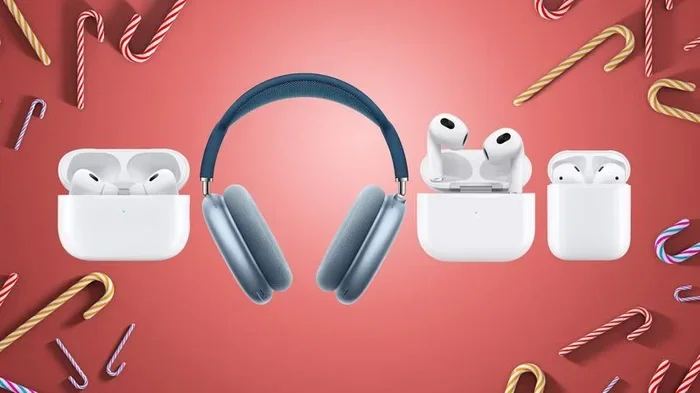
Featured image for AirPods Pro product lineup
Image source: images.macrumors.com
Apple has not fully discontinued the AirPods Pro line, but the original AirPods Pro (1st generation) was officially discontinued in September 2022 when the AirPods Pro 2 launched. As of 2024, Apple sells the AirPods Pro 2 with USB-C, while the 1st generation, 2nd generation (Lightning), and AirPods Pro 2 with Lightning have been discontinued.
Imagine walking into your favorite electronics store, excited to buy the AirPods Pro you’ve been eyeing for months, only to find empty shelves where they used to sit. This scenario has played out for many Apple fans recently, leading to a wave of confusion across the internet. The big question on everyone’s mind: did Apple actually discontinue the AirPods Pro?
Here’s the short answer that might surprise you: it’s complicated. Apple has a history of keeping older products available for years after new versions launch. But the AirPods Pro situation is different. Some versions are gone forever from Apple’s official store, while others are still very much alive and kicking. Understanding which models still exist and which have vanished can save you money, frustration, and the disappointment of buying the wrong pair.
This guide breaks down everything you need to know about AirPods Pro availability in 2024. We’ll cover which models Apple discontinued, which ones you can still buy brand new, where to find discontinued versions, and what the future might hold for this popular earbud line. Whether you’re shopping for your first pair or upgrading from an older model, you’ll have all the facts to make a smart decision.
Key Takeaways
- Partial Discontinuation: Apple discontinued the original AirPods Pro 1st generation in September 2022, but the AirPods Pro line continues with newer models.
- Current Model Status: The AirPods Pro 2 with USB-C is the only current model actively sold by Apple as of late 2024.
- Multiple Versions Discontinued: Both the Lightning version of AirPods Pro 2 and the original 1st generation have been phased out of Apple’s official lineup.
- Third-Party Availability: Discontinued AirPods Pro models remain available through retailers like Amazon, Best Buy, and eBay at discounted prices.
- Software Support Continues: Apple continues to provide software updates and support for discontinued AirPods Pro models.
- Future Outlook: Industry rumors suggest AirPods Pro 3 may launch in 2025, though Apple hasn’t confirmed this timeline.
- Buying Considerations: Buyers should weigh factors like price, features, and compatibility when choosing between current and discontinued models.
📑 Table of Contents
- The Current State of AirPods Pro: What’s Available Right Now
- The Complete Discontinuation Timeline: Which Models Got the Axe
- Where to Buy Discontinued AirPods Pro Models in 2024
- Key Differences Between Current and Discontinued Models
- The Future of AirPods Pro: What to Expect Next
- Making the Right Purchase Decision in 2024
- Common Misconceptions About AirPods Pro Discontinuation
- The Bottom Line: Understanding AirPods Pro Availability
The Current State of AirPods Pro: What’s Available Right Now
Let’s start with the most important information first: what can you actually buy from Apple today? Understanding the current lineup is crucial before diving into discontinuation history. Think of it like checking what’s on a restaurant menu before asking about the dishes they stopped serving.
AirPods Pro 2 with USB-C: The Only Current Model
As of late 2024, Apple sells exactly one version of the AirPods Pro: the AirPods Pro 2 with USB-C charging case. This model launched in September 2023 alongside the iPhone 15 series. The “USB-C” part refers to the charging port on the case, which replaced the older Lightning connector that Apple used for years.
Why does this matter? The switch to USB-C wasn’t just about convenience. New European regulations required all small electronic devices to use USB-C charging ports by the end of 2024. Apple, like all tech companies, had to comply. So the AirPods Pro 2 got an upgrade not just in charging but also in some audio features.
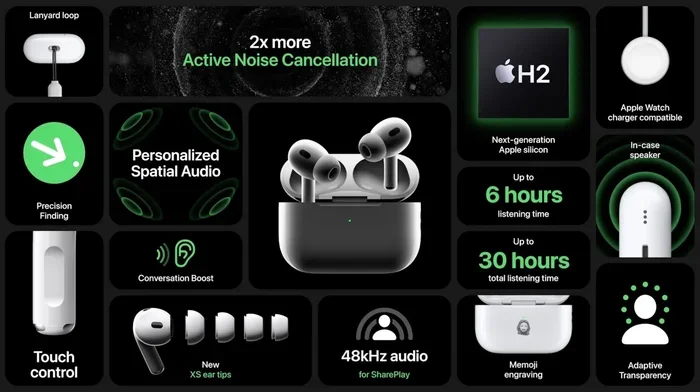
The current AirPods Pro 2 with USB-C retails for $249 in the United States. They include features like active noise cancellation, adaptive transparency mode, personalized spatial audio, and the H2 chip for better sound quality. Did you know the H2 chip processes audio 48,000 times per second for noise cancellation? That’s faster than the blink of an eye, which happens in just 0.1 seconds.
Why Apple Simplified the Lineup
You might wonder why Apple only sells one version now. The answer is actually pretty simple: choice confusion. When customers face too many similar options, they often delay purchases or feel less satisfied with their choices. This phenomenon, called “paradox of choice” in psychology, affects buying decisions across industries.
By offering just one AirPods Pro model, Apple makes the buying decision easier. You don’t need to compare three different versions and wonder if you’re missing out on features. You get the latest and greatest, period. This strategy also helps Apple manage inventory more efficiently and reduces manufacturing complexity.
The Complete Discontinuation Timeline: Which Models Got the Axe
Now let’s walk through the history of AirPods Pro discontinuations. This timeline will help you understand exactly when each model left Apple’s official shelves and why. Think of this as a historical record of the AirPods Pro family tree.
Visual guide about AirPods Pro product lineup
Image source: cdn.wccftech.com
AirPods Pro 1st Generation: Discontinued September 2022
The original AirPods Pro launched in October 2019 with much fanfare. They introduced active noise cancellation to the AirPods lineup for the first time, along with silicone ear tips for a better fit. For three years, they remained available alongside newer models.
But in September 2022, Apple quietly discontinued the 1st generation AirPods Pro. This happened the same day Apple announced the iPhone 14 lineup and the AirPods Pro 2. The original model was removed from Apple’s online store without much fanfare, though Apple’s stock gradually decreased at retailers worldwide over the following months.
The reason was straightforward: keeping both generations available would have cannibalized sales of the newer model. The AirPods Pro 2 offered significant upgrades including better noise cancellation (Apple claims it’s twice as effective), improved battery life, and the H2 chip. Selling the older version at a lower price would have made the new one less appealing.
AirPods Pro 2 with Lightning: Discontinued September 2023
Here’s where things get interesting. The AirPods Pro 2 originally launched in September 2022 with a Lightning charging case, matching the charging port used on iPhones at that time. They sold well for exactly one year.
Then in September 2023, Apple released the USB-C version and discontinued the Lightning version simultaneously. This was unusual because Apple typically keeps older versions available for longer. The Lightning version had a remarkably short official life of just 12 months.
The quick discontinuation made sense given the EU regulations we mentioned earlier. Apple needed to push customers toward the USB-C version to meet the 2024 deadline. Keeping both versions available would have complicated manufacturing and created inventory confusion.
AirPods Pro 2 with MagSafe Case (Lightning): A Brief Confusing Period
To make things more complex, Apple actually released a MagSafe Charging Case version of the AirPods Pro 2 in late 2021, before the AirPods Pro 2 even launched. Wait, that doesn’t make sense. Let me clarify: Apple released AirPods Pro with MagSafe Case in October 2021, which was actually the 1st generation with an updated case.
This version, technically called “AirPods Pro with MagSafe Case (1st generation),” got discontinued when the original AirPods Pro 1st gen was phased out in September 2022. It served as a bridge product, offering MagSafe wireless charging compatibility before the 2nd generation arrived.
Where to Buy Discontinued AirPods Pro Models in 2024
Even though Apple no longer sells certain AirPods Pro models directly, they’re far from impossible to find. Multiple retailers still carry inventory, often at significant discounts. This section explores your options for buying discontinued versions.
Major Retailers with Remaining Stock
Big-box stores and online retailers often have leftover inventory from before discontinuation. These places typically discount discontinued products to clear shelf space for newer models. Think of it like end-of-season clearance sales at clothing stores, but for earbuds.
Amazon remains one of the best places to find discontinued AirPods Pro models. Third-party sellers often stock both new and refurbished units. Prices for the AirPods Pro 2 with Lightning frequently drop below $200, compared to the original $249 price tag. Always check seller ratings and reviews before purchasing from third-party Amazon sellers.
Best Buy also carries discontinued AirPods Pro, particularly the 2nd generation Lightning version. Their open-box and clearance sections sometimes offer these models at 20-30% discounts. The Geek Squad protection plans that come with Best Buy purchases can provide extra peace of mind.
Walmart and Target occasionally have AirPods Pro models in stock, especially during holiday sales events. These retailers sometimes price-match competitors, so you can leverage deals across stores.
Refurbished and Certified Pre-Owned Options
Apple’s own refurbished store sometimes carries previous-generation AirPods Pro, though availability varies. Refurbished Apple products come with the same one-year warranty as new products and have been tested and certified by Apple technicians.
Third-party refurbishers like Back Market, Swappa, and Gazelle specialize in selling tested, refurbished electronics. These platforms typically offer 30-day to 1-year warranties and grade products based on cosmetic condition. Did you know that refurbished electronics often undergo more rigorous testing than new products? Companies test individual components to ensure everything works perfectly before reselling.
Used Marketplaces: Proceed with Caution
eBay, Facebook Marketplace, and Craigslist offer AirPods Pro at the lowest prices, but buying used electronics carries risks. Counterfeit AirPods Pro have flooded these platforms, with some estimates suggesting up to 10% of used AirPods sold online are fake.
How to spot fake AirPods Pro: Real AirPods Pro have specific serial numbers that you can verify on Apple’s website. The charging case should feel weighty and have a matte finish, not glossy. The text on the case should be crisp and precisely aligned. If the price seems too good to be true, it probably is.
Key Differences Between Current and Discontinued Models
Understanding what you gain or lose by choosing a discontinued model helps you make informed decisions. This comparison section breaks down the meaningful differences between what’s available today and what came before.
Charging Port: The Most Obvious Difference
The USB-C versus Lightning debate is more than just cable convenience. The USB-C AirPods Pro 2 support lossless audio when used with the Apple Vision Pro headset. This feature isn’t available on the Lightning version because older ports couldn’t handle the bandwidth required.
Additionally, USB-C is becoming the universal standard. Your Android phone, iPad, MacBook, and many other devices likely use USB-C already. Owning one less Lightning cable simplifies your life and reduces cable clutter. Industry experts predict Lightning will be phased out entirely across Apple’s product line by 2025.
Audio Features: What’s Actually Different
Both versions of AirPods Pro 2 (Lightning and USB-C) have the H2 chip and the same core audio features. The USB-C version adds one significant feature: dust resistance. The USB-C charging case has an IP54 rating for dust and water resistance, compared to the Lightning case’s lack of official dust protection.
The AirPods Pro 1st generation uses the older H1 chip, which means it lacks several features available on the 2nd generation. These include:
- Adaptive Transparency mode (automatically adjusts transparency based on environment)
- Personalized Spatial Audio (uses your ear shape for custom sound profiles)
- Touch controls for volume adjustment (1st gen requires Siri or phone)
- Find My precision tracking with the U1 chip in the case
- Conversation Boost for clearer face-to-face conversations
Battery Life Comparison
Battery life has improved with each generation. The AirPods Pro 1st generation offers up to 4.5 hours of listening time with noise cancellation on. The AirPods Pro 2 bumps this to 6 hours, a 33% improvement. The charging case also matters: the AirPods Pro 2 case provides up to 30 hours total listening time versus 24 hours on the 1st generation case.
For most users, 6 hours covers a full work day or a long flight. But heavy users might notice the difference. If you regularly use AirPods Pro for 8+ hours daily, the 2nd generation’s longer battery life becomes more valuable.
The Future of AirPods Pro: What to Expect Next
Speculation about future Apple products runs rampant on tech blogs and YouTube channels. While we can’t predict the future with certainty, industry patterns and credible rumors give us hints about what comes next for the AirPods Pro line.
AirPods Pro 3: Rumored for 2025
Multiple reliable sources, including Bloomberg reporter Mark Gurman and Apple analyst Ming-Chi Kuo, suggest AirPods Pro 3 will launch in 2025. The timing would follow Apple’s typical 3-year upgrade cycle: 2019 (1st gen), 2022 (2nd gen), and likely 2025 (3rd gen).
Expected improvements include: a new H3 chip for even better noise cancellation and audio processing, possible health monitoring features like heart rate tracking, improved water resistance for swimming and intense workouts, and potentially a redesign with smaller stems or stem-less design similar to competing products.
Some rumors suggest Apple might introduce a temperature sensor, building on similar technology in the Apple Watch. Others speculate about cameras in the earbuds for enhanced spatial audio recording. While these features sound futuristic, Apple has filed patents for both concepts.
Why Apple Discontinues Older Models
Understanding Apple’s discontinuation strategy helps predict future moves. Apple typically discontinues products for three reasons: to push customers toward newer models, to simplify the product lineup, and to reduce manufacturing complexity.
Maintaining production lines for older products costs money. Each unique model requires different components, assembly processes, and quality control procedures. By phasing out older versions, Apple can focus resources on current products and invest in developing new technologies.
There’s also a psychological component: discontinued products feel less desirable. Knowing that a product is no longer manufactured creates urgency and can actually boost sales of remaining inventory. This is why Apple sometimes keeps products available for years after their successor launches, then discontinues them quickly when newer models arrive.
Making the Right Purchase Decision in 2024
Now comes the practical part: should you buy current AirPods Pro, hunt for a discounted discontinued model, or wait for the next generation? The answer depends on your specific situation and priorities.
Who Should Buy the Current AirPods Pro 2 (USB-C)
The current USB-C model makes the most sense for most buyers. You get the latest features, full warranty support, and guaranteed compatibility with future iOS updates. The $249 price point reflects the premium positioning of the AirPods Pro line.
If you already own USB-C devices like a modern MacBook, iPad, or Android phone, buying the USB-C AirPods Pro reduces cable clutter. You’ll likely keep these earbuds for 3-5 years, making the USB-C future-proof choice worth the investment.
Tech enthusiasts who always want the latest features should buy current models. The lossless audio support with Vision Pro, dust resistance, and guaranteed software support for years to come justify the premium price for early adopters.
Who Should Consider Discontinued Models
Budget-conscious shoppers might find better value in discontinued models. The AirPods Pro 2 with Lightning often sells for $180-200, a $50-70 savings compared to current models. For users who don’t care about USB-C or dust resistance, this represents solid value.
People who already use Lightning cables throughout their home might prefer the discontinued Lightning version. If your iPhone still uses Lightning and you have Lightning cables everywhere, why switch to USB-C just for your earbuds? This group might also consider the AirPods Pro 1st generation if found deeply discounted, though the feature differences are significant.
First-time AirPods Pro buyers on a tight budget can find the 1st generation for as low as $120-150 from third-party sellers. For users who just want noise cancellation and don’t need the latest features, this represents excellent value. Think of it like buying a slightly older car model that still has all the essential features but costs significantly less.
Who Should Wait for AirPods Pro 3
If your current earbuds work fine and you’re not in a rush, waiting makes sense. AirPods Pro 3 likely launches in fall 2025, possibly alongside new iPhones. Current AirPods Pro 2 prices might drop when the new model launches, creating buying opportunities.
Users with specific feature needs, like heart rate monitoring or enhanced water resistance, should wait for the next generation. Rushing to buy current models when you need features that aren’t available yet wastes money. The same principle applies to anyone planning to use Vision Pro frequently, as the lossless audio feature may improve in future versions.
However, waiting always carries risk. New models launch at full price ($249+), and early versions sometimes have bugs that get fixed in subsequent releases. Apple’s track record with AirPods Pro has been solid, but software glitches do happen.
Common Misconceptions About AirPods Pro Discontinuation
Several myths and misunderstandings swirl around the AirPods Pro discontinuation topic. Clearing up these misconceptions helps you make better decisions and understand what Apple’s actions actually mean.
Myth: Discontinued Means Unusable
Many people assume that discontinued Apple products stop working or lose support immediately. This couldn’t be further from the truth. Apple typically supports products with software updates for 5-7 years after discontinuation.
The discontinued AirPods Pro 1st generation still receives firmware updates through iOS. When you connect them to an iPhone running the latest iOS, they automatically update to the newest firmware. Apple hasn’t announced any plans to end support for these older models anytime soon.
Discontinued simply means Apple no longer manufactures or sells the product new. Existing units continue working normally, and Apple’s support infrastructure remains in place. Your 1st generation AirPods Pro will work just as well today as they did before discontinuation.
Myth: Discontinued AirPods Lose Resale Value Completely
While discontinuation does reduce resale value, AirPods Pro retain value better than most consumer electronics. The strong Apple brand and continued software support mean even 1st generation AirPods Pro sell for $80-100 used, several years after discontinuation.
Compare this to typical electronics that lose 70-80% of their value within two years. AirPods Pro maintain 40-50% of their original value after the same period. This stronger resale value comes from Apple’s ecosystem integration and brand reputation.
Myth: All AirPods Pro Are the Same Quality
Some buyers assume that because AirPods Pro models look similar, they perform identically. The reality is quite different. Each generation brings meaningful improvements in sound quality, noise cancellation effectiveness, and battery life.
The H2 chip in 2nd generation AirPods Pro processes audio algorithms much faster than the H1 chip in 1st generation models. This translates to noticeably better noise cancellation and transparency mode performance. If audio quality matters to you, generation differences are significant.
The Bottom Line: Understanding AirPods Pro Availability
So, did Apple discontinue AirPods Pro? The most accurate answer is: it depends on which model you’re asking about. Apple has discontinued some AirPods Pro models while keeping others available. The AirPods Pro line as a whole continues, but specific versions have come and gone.
The original AirPods Pro 1st generation was discontinued in September 2022. The AirPods Pro 2 with Lightning was discontinued in September 2023. Only the AirPods Pro 2 with USB-C remains available directly from Apple as of late 2024. This pattern of gradual discontinuation is typical of Apple’s product lifecycle management.
For most buyers, the current AirPods Pro 2 with USB-C represents the best choice. You get the latest features, full warranty protection, and guaranteed software support for years to come. The $249 price reflects premium positioning but offers excellent value compared to competitors from Sony, Bose, and other audio brands.
If budget is a primary concern, discontinued models offer significant savings. The AirPods Pro 2 with Lightning delivers nearly identical audio quality to the current model at $50-70 less. Just make sure you understand the tradeoffs, particularly the lack of lossless audio support with Vision Pro and the older Lightning charging port.
Whatever you decide, AirPods Pro remain among the best wireless earbuds available today. Apple’s ecosystem integration, reliable performance, and strong software support make them a solid investment whether you buy current or discontinued models. The discontinuation of older versions doesn’t diminish their quality or usefulness; it just means newer alternatives exist.
Keep an eye on Apple’s announcements if you’re not in a rush to buy. The expected 2025 launch of AirPods Pro 3 will likely bring meaningful upgrades and potentially lower prices on current models. Patience often pays off in the tech world, especially with rapidly evolving product categories like wireless earbuds.
Frequently Asked Questions
Did Apple completely discontinue AirPods Pro?
No, Apple has not completely discontinued the AirPods Pro line. While the 1st generation and the AirPods Pro 2 with Lightning have been discontinued, Apple still sells the AirPods Pro 2 with USB-C as the current model. The AirPods Pro product line continues with the latest generation available for purchase.
When did Apple discontinue the original AirPods Pro?
Apple discontinued the original AirPods Pro (1st generation) in September 2022, coinciding with the launch of the AirPods Pro 2. The removal happened quietly through Apple’s online store without a major announcement, though inventory gradually disappeared from retailers over the following months.
Are discontinued AirPods Pro still supported with software updates?
Yes, discontinued AirPods Pro models continue receiving firmware updates through iOS. Both the 1st generation and AirPods Pro 2 with Lightning still work with the latest iPhone software. Apple typically supports AirPods with updates for 5-7 years after discontinuation, ensuring they remain functional and secure.
Where can I buy discontinued AirPods Pro models?
Discontinued AirPods Pro are available through major retailers like Amazon, Best Buy, Walmart, and Target while supplies last. You can also find them at refurbished electronics specialists like Back Market and Swappa, or on used marketplaces like eBay and Facebook Marketplace, though buying used requires caution to avoid counterfeits.
Should I buy current or discontinued AirPods Pro?
Buy the current AirPods Pro 2 with USB-C if you want the latest features, full warranty, and future-proofing. Choose a discontinued model if budget is your priority and you don’t need USB-C connectivity or lossless audio with Vision Pro. The Lightning version offers nearly identical audio quality at $50-70 less than the current model.
Will there be AirPods Pro 3?
Industry rumors and analyst predictions suggest AirPods Pro 3 will launch in 2025, following Apple’s typical 3-year upgrade cycle. Expected improvements include a new H3 chip, potential health monitoring features like heart rate tracking, improved water resistance, and possibly a redesigned form factor. Apple hasn’t officially confirmed these plans yet.