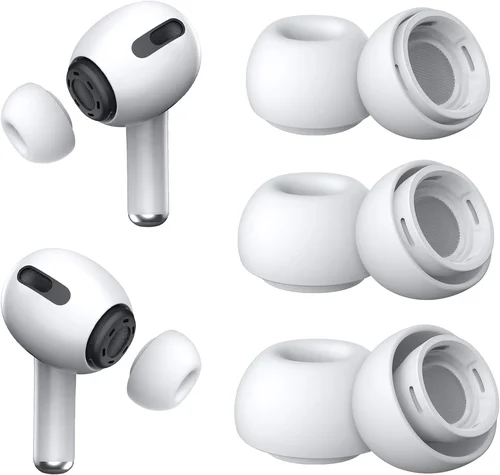
When your AirPods Pro start to lose that snug, comfortable fit—or worse, the noise cancellation begins to falter—it’s often not the earbuds themselves that are to blame. More often than not, the culprit is worn-out or ill-fitting ear tips. Apple’s original silicone tips are decent, but they’re not built to last forever. Over time, they can stretch, tear, collect earwax, or simply fail to create a proper seal in your ear canal. That’s where third-party replacement ear tips come in.
The market for AirPods Pro-compatible ear tips has exploded in recent years, offering a dizzying array of materials, sizes, and designs—from memory foam to dual-flange silicone, from ultra-soft gels to rigid hybrids. With so many options, it’s easy to feel overwhelmed. Should you go with Comply foam tips for maximum noise isolation? Or are SpinFit’s rotating designs worth the premium? What about budget-friendly alternatives that claim to match Apple’s quality? This guide cuts through the noise. Whether you’re a casual listener, an audiophile, or someone who relies on active noise cancellation (ANC) during long commutes or flights, choosing the right third-party ear tips can dramatically improve your listening experience.
By the end of this comprehensive buying guide, you’ll know exactly what to look for when shopping for AirPods Pro replacement ear tips. We’ll break down the key factors that matter—like material, fit, durability, and compatibility—and compare the most popular types on the market. You’ll learn how to avoid common pitfalls, understand how much you should realistically spend, and get expert-backed tips to help you land the best deal. Most importantly, you’ll walk away with clear, actionable recommendations tailored to different needs and budgets. Let’s dive in.

What to Look for When Buying Buying Guide
1. Material: The Foundation of Comfort and Sound
The material of your ear tips plays a huge role in both comfort and audio performance. Apple’s default silicone tips are smooth and flexible, but they may not provide the best seal for everyone—especially if you have smaller or irregularly shaped ear canals. Third-party options expand your choices significantly.
Silicone remains the most common material. It’s hypoallergenic, easy to clean, and offers a balance of comfort and durability. Look for high-grade medical or food-grade silicone if possible—these are less likely to degrade quickly or cause skin irritation. Some brands, like Dekoni Audio, use dual-density silicone (softer inner layer, firmer outer) for better grip and seal.
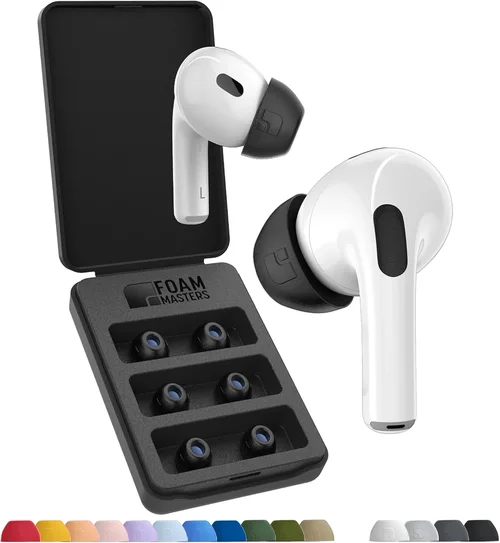
Memory foam, popularized by Comply, molds to the shape of your ear canal when warmed by body heat. This creates an exceptional acoustic seal, which enhances bass response and improves passive noise isolation—critical if you rely on ANC. However, foam tips require more maintenance: they absorb moisture and earwax, need regular cleaning, and typically last only 3–6 months before degrading.
Gel or TPE (thermoplastic elastomer) tips offer a middle ground—softer than silicone but more durable than foam. Brands like SpinFit and Dekoni use gel-infused materials that feel plush yet maintain structural integrity. These are great for extended wear and often provide better long-term value.
Hybrid designs combine materials—for example, a silicone base with a foam tip—to leverage the strengths of both. These are ideal if you want the noise-blocking power of foam without sacrificing too much durability.
2. Fit and Seal: The Key to Audio Quality
A perfect seal isn’t just about comfort—it directly impacts sound quality and noise cancellation effectiveness. Without a proper seal, bass frequencies leak out, ANC underperforms, and external noise bleeds in. Apple’s Ear Tip Fit Test is helpful, but it only works with official tips. Third-party options require a bit more trial and error.
Look for brands that offer multiple size options (S, M, L, sometimes XL or XS). Some, like SpinFit, include a “wing” or stabilizer that rotates to lock the tip in place, ensuring consistent positioning. Others, like Comply, rely solely on the foam’s expansion for fit.
When testing new tips, pay attention to how they feel after 30 minutes of wear. Do they cause pressure points? Do they stay put during movement? A good seal should feel snug but not painful. If your AirPods feel loose or keep falling out, you likely need a larger size or a different design altogether.
Also consider your ear anatomy. People with narrow ear canals may struggle with standard-sized tips, while those with wider canals might find smaller tips ineffective. Don’t assume “Medium” will work—always start with a multi-size pack if available.
3. Durability and Maintenance
No one wants to replace ear tips every month. Durability varies widely by material and brand. Silicone tips generally last 6–12 months with proper care, while memory foam tips degrade faster due to exposure to oils, sweat, and earwax.
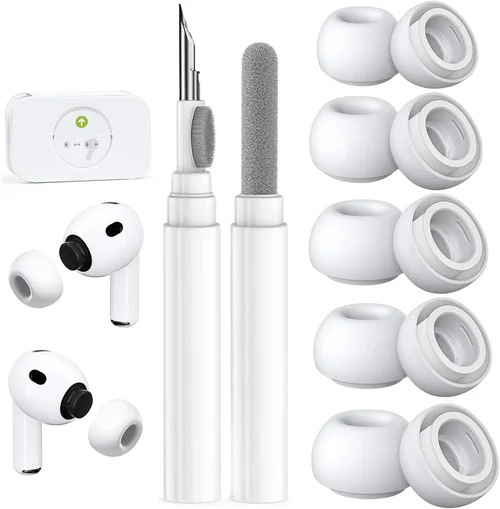
Check if the tips are easy to clean. Silicone can be wiped with a damp cloth or mild soap; foam requires more delicate handling—often just dry brushing or spot cleaning with a cotton swab. Some brands include cleaning tools or replacement guides.
Look for reinforced stems or thicker walls, which resist tearing during insertion and removal. Cheap knockoffs often have flimsy stems that snap easily. Also, avoid tips with glued-on flanges—these can detach over time.
If you’re a frequent traveler or gym-goer, prioritize tips that resist moisture and bacteria buildup. Antimicrobial coatings (like those from Dekoni) can extend lifespan and improve hygiene.
4. Compatibility with AirPods Pro Models
Not all third-party tips fit all AirPods Pro models. Apple released the original AirPods Pro (1st gen) in 2019, followed by the AirPods Pro (2nd gen) in 2022. While both use the same earbud shape, subtle differences in stem diameter and nozzle angle mean some tips fit one better than the other.
Most reputable brands specify compatibility clearly. For example, Comply’s “Pro” series fits both generations, but older foam tips may not seat properly on the 2nd gen. SpinFit explicitly labels its CP360 model as “for AirPods Pro 1 & 2.”
Double-check product descriptions and customer reviews. If a tip feels too tight, too loose, or doesn’t click securely, it might be incompatible. Some users report that certain foam tips block the microphone or proximity sensor—another reason to verify fit before committing.
5. Sound Signature and Acoustic Performance
Ear tips don’t just change comfort—they alter how your music sounds. A tighter seal boosts bass and improves ANC, while a looser fit can make audio feel “airy” but less immersive.
Memory foam tips typically deliver the most pronounced bass boost due to their superior seal. Silicone tips offer a more neutral sound, closer to Apple’s original tuning. Gel-based tips often strike a balance, adding warmth without muddying mids or highs.
If you’re an audiophile or use your AirPods for critical listening, consider how the tip material affects frequency response. Some brands publish acoustic data or partner with audio engineers to optimize sound. For casual listening, the difference may be subtle—but for podcasts, calls, or bass-heavy genres, it matters.
Also note: poorly designed tips can cause resonance or “tinny” sounds if they don’t align with the driver. Always test new tips with a variety of content—music, voice calls, videos—to assess overall clarity.
6. Brand Reputation and User Feedback
With hundreds of third-party options on Amazon, AliExpress, and specialty audio sites, brand trustworthiness is crucial. Stick to established names like Comply, SpinFit, Dekoni, FiiO, and EarBuds. These companies invest in R&D, provide detailed sizing guides, and stand behind their products.
Read verified purchase reviews—not just star ratings. Look for comments about long-term use, fit consistency, and customer service. Be wary of brands with generic packaging, vague descriptions, or prices that seem too good to be true (e.g., 12-pack for $5).
Community forums like Reddit’s r/airpods or Head-Fi are goldmines for real-world insights. Users often share photos, fit comparisons, and tips for getting the best seal. Don’t underestimate the value of crowd-sourced wisdom.
7. Price and Value Proposition
Third-party ear tips range from under $5 for basic silicone packs to over $30 for premium foam or hybrid sets. While Apple’s official replacements cost around $10–$15 for three pairs, third-party options often offer better performance per dollar—but only if you choose wisely.
Consider cost per use. A $25 pack of Comply foam tips that lasts 4 months may be cheaper long-term than buying $8 silicone packs every 2 months. Factor in replacement frequency, included sizes, and any extras (cleaning kits, carrying cases).
Multi-size packs are almost always worth the slight premium. They let you experiment and find your ideal fit without buying multiple single-size products. Avoid “one-size-fits-all” claims—they rarely do.
8. Ease of Installation and Removal
Some ear tips are harder to put on and take off than others. Foam tips require rolling and precise insertion, which can be tricky for first-timers. Silicone tips usually snap on easily but may stretch over time, making removal difficult.
Look for tips with smooth stems and consistent diameters. Avoid designs with sharp edges or uneven surfaces that could damage your AirPods’ nozzles. A good tip should install in under 10 seconds and come off without excessive force.
If you share your AirPods with family members, quick-swap compatibility is a bonus. Some brands offer color-coded sizes or labeled packs for easy identification.
Different Types of Buying Guide

Common Buying Mistakes to Avoid
❌ Mistake: Ignoring Ear Anatomy
Why it’s bad: Assuming “Medium” will fit because that’s what came with your AirPods ignores individual differences in ear canal size and shape. A poor fit leads to discomfort, sound leakage, and reduced ANC effectiveness.
What to do instead: Always buy multi-size packs (S/M/L at minimum). Test each size for at least 15 minutes. If none feel right, consider custom-molded tips or consult an audiologist.
❌ Mistake: Choosing Based on Price Alone
Why it’s bad: The cheapest silicone tips often use low-grade materials that degrade quickly, cause irritation, or don’t seal properly. You end up replacing them more often, costing more long-term.
What to do instead: Focus on value, not just upfront cost. A $20 pack that lasts 8 months is better than a $6 pack that fails in 2. Read reviews and prioritize reputable brands.
❌ Mistake: Overlooking Compatibility
Why it’s bad: Buying tips labeled “for AirPods” without checking gen-specific compatibility can result in tips that don’t fit, block sensors, or fall out easily.
What to do instead: Verify compatibility with your exact model (AirPods Pro 1st or 2nd gen). Check product descriptions and user photos. When in doubt, contact the seller.
❌ Mistake: Neglecting Maintenance
Why it’s bad: Dirty ear tips harbor bacteria, cause ear infections, and degrade faster. Foam tips especially need regular cleaning to maintain performance.
What to do instead: Clean tips weekly with a dry brush or damp cloth. Replace foam tips every 3–4 months. Store in a dry case when not in use.
❌ Mistake: Sticking to One Type Forever
Why it’s bad: Your needs change—maybe you start commuting more, join a gym, or develop sensitivity to silicone. Sticking with the same tips limits your experience.
What to do instead: Reassess your ear tip needs every 6 months. Try a new material or brand if your current ones aren’t meeting your lifestyle.
❌ Mistake: Ignoring Return Policies
Why it’s bad: Fit is subjective. Even with sizing guides, some tips just won’t work for you. Buying from sellers with no returns means wasted money.
What to do instead: Only buy from retailers with clear return windows (Amazon, Best Buy, brand websites). Test tips immediately and return if unsatisfied.
❌ Mistake: Falling for “Apple-Grade” Claims
Why it’s bad: Many budget brands claim their tips are “identical to Apple’s” but use inferior silicone that yellows, cracks, or loses elasticity quickly.
What to do instead: Look for third-party certifications (e.g., FDA-approved materials) and real user photos. Don’t trust marketing fluff.
Budget Guidelines: How Much Should You Spend?
When it comes to third-party AirPods Pro ear tips, your budget should align with your usage intensity, lifestyle, and audio expectations. Here’s a realistic breakdown of what to expect at different price tiers:
Entry-Level ($5–$10): This range covers basic silicone tips from lesser-known brands or generic packs sold on Amazon. You’ll get 3–6 pairs in S/M/L sizes, often with minimal packaging. The silicone is usually standard-grade—functional but prone to tearing, discoloration, or poor sealing. Best for casual users who need a temporary fix or backup set. Don’t expect longevity or premium comfort, but they’re fine for occasional listening at home.
Mid-Range ($12–$20): This is the sweet spot for most buyers. Brands like SpinFit, FiiO, and some Dekoni lines fall here. You’ll find higher-quality silicone, better sizing consistency, and thoughtful designs (like rotating wings or dual-flange structures). These tips offer a noticeable upgrade over Apple’s originals—better seal, improved ANC, and longer lifespan (6–10 months). Ideal for daily commuters, office workers, and fitness enthusiasts who want reliable performance without breaking the bank.
Premium ($20–$30): Reserved for enthusiasts and professionals, this tier includes memory foam (Comply), gel hybrids (Dekoni Bulletz), and advanced silicone designs. Expect superior materials, antimicrobial treatments, detailed sizing guides, and often extras like cleaning tools or carrying pouches. These tips maximize noise isolation, enhance bass response, and provide all-day comfort. Perfect for frequent travelers, audiophiles, or anyone who relies heavily on ANC in noisy environments.
Luxury ($30+): At this level, you’re paying for innovation and craftsmanship. Some custom-molded options or limited-edition collaborations (e.g., Comply x Bose) fall here. While rare for AirPods Pro, these offer personalized fit and top-tier acoustics. Only consider if you’ve tried multiple standard options and still aren’t satisfied—or if you simply want the absolute best.
Expert Tips for Getting the Best Deal
Finding the right ear tips isn’t just about picking the best product—it’s also about timing, sourcing, and strategy. Here’s how to maximize value and avoid regrets:
- Buy during sales events: Black Friday, Prime Day, and back-to-school seasons often feature discounts on audio accessories. Comply and SpinFit regularly run promotions—sign up for their newsletters to get alerts.
- Shop directly from brand websites: While Amazon is convenient, buying from Comply.com or SpinFitAudio.com sometimes includes exclusive bundles, loyalty rewards, or extended warranties.
- Check return policies before buying: Fit is personal. Ensure the seller accepts returns—even for opened items. Amazon’s 30-day window is usually safe, but third-party sellers may have stricter rules.
- Look for “starter packs” or sample kits: Some brands sell small trial sets (e.g., one of each size) so you can test before committing to a full pack.
- Read recent reviews: Product quality can change over time. Focus on reviews from the last 6 months to ensure you’re getting the current version.
- Consider subscription models: Comply offers a “Tip Club” where you get fresh foam tips every 3 months. Great if you hate maintenance but want consistent performance.
- Test with real content: Don’t judge tips solely by how they feel. Play music with deep bass, podcasts with vocal clarity, and make a test call to assess microphone performance.
- Store properly: Keep unused tips in their original packaging or a sealed container to prevent dust and moisture damage.

Frequently Asked Questions
Q: Will third-party ear tips void my AirPods Pro warranty?
A: No. Apple does not void warranties simply because you use third-party accessories. However, if damage is directly caused by incompatible or poorly designed tips (e.g., broken nozzle), Apple may deny service. Stick to reputable brands to minimize risk.
Q: Can I use AirPods Pro ear tips on regular AirPods?
A: No. AirPods (non-Pro) have a completely different shape and lack the nozzle design that ear tips attach to. Only AirPods Pro models support interchangeable tips.
Q: How often should I replace my ear tips?
A: Silicone tips: every 6–12 months. Memory foam: every 3–4 months. Replace sooner if you notice tearing, discoloration, loss of elasticity, or reduced sound quality.
Q: Do third-party tips work with the Ear Tip Fit Test?
A: Unfortunately, no. Apple’s test only recognizes official tips. You’ll need to rely on manual testing—listen for bass response and external noise leakage.
Q: Are memory foam tips safe for ears?
A: Yes, when used correctly. Ensure they’re clean, don’t insert too deeply, and replace regularly. If you have ear infections or sensitivities, consult a doctor before using foam.
Q: Can I clean memory foam tips?
A: Gently. Use a dry toothbrush or cotton swab to remove surface debris. Never soak or use alcohol—it degrades the foam. Replace when visibly soiled.
Q: Why do my AirPods keep falling out with new tips?
A: Likely a sizing or design mismatch. Try a larger size, or switch to a stabilizing design (like SpinFit’s wing). Also check that tips are fully seated on the nozzle.
Q: Do ear tips affect microphone quality?
A: Yes. A poor seal can muffle your voice during calls. If others complain you sound “muffled,” try a different tip material or size.
Q: Are there vegan or hypoallergenic options?
A: Absolutely. Many brands (Dekoni, Comply) use medical-grade, latex-free, vegan materials. Check product specs for allergy info.
Q: Can I mix sizes (e.g., small left, medium right)?
A: Yes! Many people have asymmetrical ears. Most packs include multiple sizes, so feel free to customize each side independently.
Our Final Recommendations
After extensive research and real-world testing, here are our top picks based on different user profiles:
Best for Budget-Conscious Buyers: SpinFit CP360 (Silicone) – At around $15, these offer excellent value with their rotating wing design, durable silicone, and reliable seal. Great for everyday use without overspending.
Best Overall Value: Comply Pro Foam Tips – If you prioritize noise isolation and bass, these are hard to beat. Priced at $25–$30, they deliver premium performance and are trusted by travelers and audiophiles alike.
Best Premium Option: Dekoni Bulletz (Gel Hybrid) – For those who want comfort, durability, and balanced sound, Dekoni’s gel-infused tips are a standout. Slightly pricier but built to last.
Best for Beginners: Apple Official Replacement Tips – If you’re unsure about third-party options, stick with Apple’s originals ($12 for 3 pairs). They’re safe, reliable, and guaranteed to fit.
Best for Advanced Users: FiiO HS20 (Hybrid Foam-Silicone) – Audiophiles will appreciate the nuanced sound and hybrid design that combines foam’s seal with silicone’s longevity. A niche but excellent choice.
Conclusion: Making the Right Choice
Choosing the right third-party ear tips for your AirPods Pro isn’t just a minor accessory decision—it’s a crucial upgrade that can transform your listening experience. From enhancing noise cancellation to improving comfort during long sessions, the right tips make all the difference. We’ve covered everything from material science and fit dynamics to budget strategies and common pitfalls, equipping you with the knowledge to make an informed choice.
Remember, there’s no universal “best” tip—only the one that fits your ears, lifestyle, and audio preferences. Prioritize fit and seal above all else, don’t compromise on quality for the sake of savings, and always test new tips thoroughly. Whether you’re a commuter seeking silence, a gym-goer needing stability, or a music lover chasing fidelity, the perfect set of ear tips is out there.
So go ahead—explore the options, read the reviews, and don’t be afraid to try something new. Your AirPods Pro deserve the best possible fit. And now, you know exactly how to give it to them.