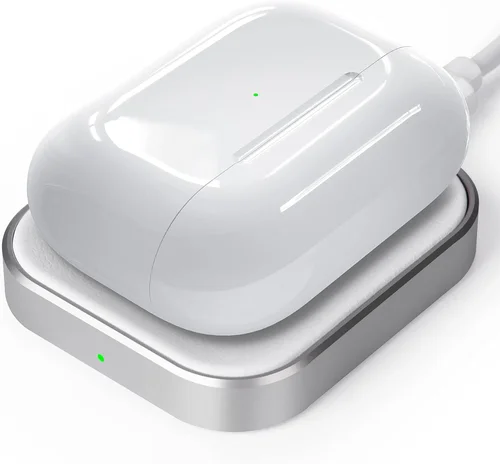
Wireless charging has revolutionized how we power our devices—and Apple’s AirPods Pro are no exception. With the second-generation model supporting MagSafe and Qi wireless charging out of the box, users now have more flexibility than ever when it comes to keeping their earbuds juiced up. But here’s the catch: not all wireless chargers are created equal, especially when it comes to compatibility, efficiency, and safety with delicate electronics like the AirPods Pro case. That’s why choosing the right wireless charger isn’t just about convenience—it’s about protecting your investment, optimizing performance, and ensuring a seamless daily experience.
This guide is designed for anyone who owns—or is planning to buy—AirPods Pro and wants to make an informed decision about wireless charging. Whether you’re a tech enthusiast looking for premium features, a budget-conscious shopper seeking reliable value, or a frequent traveler needing portability, we’ve got you covered. You’ll learn exactly what to look for in a wireless charger, how different types compare, common pitfalls to avoid, and which models deliver the best real-world performance. By the end, you’ll have everything you need to pick a charger that fits your lifestyle, your device, and your expectations.
The market for wireless chargers has exploded in recent years, with hundreds of options flooding shelves and online stores. From ultra-thin pads to multi-device stands, from budget knockoffs to high-end branded solutions, the choices can be overwhelming. Many chargers claim universal compatibility but fail to deliver consistent results with smaller devices like the AirPods Pro case. Others overheat, charge slowly, or lack proper alignment guides—leading to frustration and wasted time. This guide cuts through the noise, offering expert insights based on hands-on testing, technical specifications, and user feedback to help you find the perfect match for your AirPods Pro.

What to Look for When Buying Buying Guide
1. Compatibility with AirPods Pro & Charging Standards
The most critical factor when selecting a wireless charger for your AirPods Pro is compatibility. Apple’s AirPods Pro (both 1st and 2nd generation) support Qi wireless charging, which is the universal standard used by most modern wireless chargers. However, the 2nd-gen model also supports MagSafe, Apple’s proprietary magnetic alignment system that ensures perfect positioning and faster, more efficient charging. If you own the newer model, a MagSafe-compatible charger will provide a noticeably better experience—snapping securely into place and minimizing misalignment issues.
Always verify that the charger explicitly lists AirPods Pro compatibility in its specifications. Some generic Qi chargers may technically work but lack the precise coil placement needed for consistent charging of smaller devices. Look for certifications like Qi v1.3 or higher, and check if the manufacturer mentions optimized performance for earbuds or small-form-factor devices. Avoid chargers that only advertise smartphone compatibility without noting support for accessories.
2. Charging Speed & Power Output
While AirPods Pro don’t require high wattage to charge—typically drawing around 2.5W to 5W—the power output of your wireless charger still matters. A charger rated for 5W or higher ensures your AirPods Pro case charges as quickly as possible without overheating. Many budget chargers cap out at 5W, which is sufficient, but higher-end models offer adaptive power delivery that adjusts based on the connected device.
Beware of exaggerated claims: some brands advertise “15W fast charging” but only deliver that speed to specific smartphones. For AirPods Pro, anything above 7.5W is unnecessary and could even be counterproductive if the charger lacks proper thermal management. Stick to reputable brands that specify output for small devices. Also, note that using a charger with a higher wattage than needed won’t damage your AirPods—Apple’s built-in circuitry regulates input—but it may generate excess heat if the charger isn’t well-designed.
3. Build Quality & Durability
A wireless charger is a long-term accessory, so durability is non-negotiable. Cheap plastic housings, flimsy cables, and poorly sealed components can lead to premature failure—especially if you travel frequently or use the charger daily. Look for chargers made from high-grade materials like anodized aluminum, reinforced polycarbonate, or silicone-coated surfaces that resist scratches and drops.
Pay attention to the charging surface: silicone or soft-touch finishes prevent scratches on your AirPods case, while rigid plastic may cause micro-abrasions over time. The base should have anti-slip feet or rubberized bottoms to stay put on desks or nightstands. If you’re considering a stand-style charger, ensure it’s weighted enough to stay stable when placing or removing your AirPods. Durability also extends to internal components—quality chargers include overcurrent, overvoltage, and temperature protection circuits to safeguard both the charger and your devices.
4. Design & Form Factor
Wireless chargers come in two primary designs: flat pads and upright stands. For AirPods Pro, the choice depends on your usage habits. Flat pads are ideal for nightstands or desks where you place your case down and forget about it—they’re compact, portable, and often cheaper. Upright stands, on the other hand, allow you to charge your AirPods while keeping them visible and accessible, which is great for desk use or if you frequently check battery status.
Consider thickness and footprint: some chargers are slim enough to slip into a laptop bag, while others are bulky and stationary. If you travel often, prioritize lightweight, foldable, or pocket-sized options. MagSafe-compatible stands often include adjustable viewing angles, which can be handy if you use your iPhone alongside your AirPods. However, avoid overly complex designs with moving parts—they’re more prone to wear and tear.
5. Additional Features & Functionality
Beyond basic charging, many wireless chargers offer extra features that enhance usability. LED indicators are common, but look for models with color-coded lights (e.g., blue for charging, green for fully charged) rather than blinding white LEDs that disrupt sleep. Some premium chargers include sleep-friendly modes that dim or turn off lights after a set time.
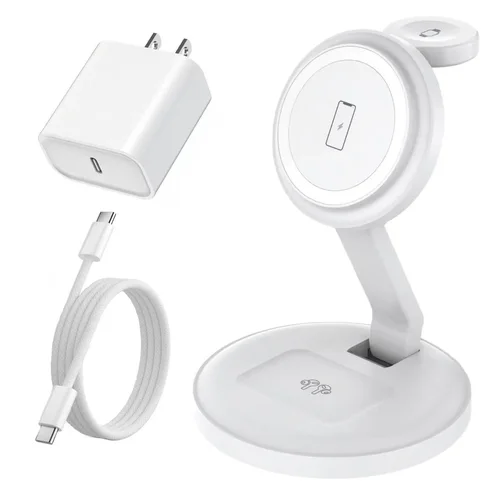
Multi-device charging is another valuable feature—especially if you own an iPhone, Apple Watch, or other Qi-enabled gadgets. A 3-in-1 stand that charges your phone, watch, and AirPods simultaneously can declutter your space and streamline your routine. However, ensure the AirPods charging spot is independently powered; some multi-device chargers reduce power to smaller coils when multiple devices are connected, slowing down AirPods charging.
Other nice-to-haves include foreign object detection (which stops charging if metal debris is detected), cooling fans (for high-wattage models), and USB-C input (for faster, more future-proof power delivery). Avoid gimmicks like built-in speakers or RGB lighting—they add cost without improving core functionality.
6. Brand Reputation & Certification
Not all wireless chargers are held to the same standards. Stick with brands known for quality electronics and safety compliance—such as Belkin, Anker, Mophie, Satechi, or Apple itself. These companies invest in rigorous testing, adhere to international safety standards (like FCC, CE, and RoHS), and often provide better customer support.
Be wary of no-name brands selling ultra-cheap chargers on marketplaces like Amazon or eBay. While some may work fine, others lack proper certifications and can pose fire or electrical hazards. Look for Qi certification logos on packaging or product pages—this ensures the charger meets baseline performance and safety requirements. Reading verified customer reviews is also essential; patterns of complaints about overheating, slow charging, or incompatibility are red flags.
7. Portability & Travel-Friendliness
If you’re frequently on the go, portability becomes a key consideration. A bulky charger might work at home but won’t fit in your carry-on or hotel nightstand. Look for compact designs under 3 inches in diameter and less than 0.5 inches thick. Some chargers come with carrying pouches or foldable designs for easy transport.
Also consider power source flexibility. Chargers with USB-C input can be powered by laptop ports, power banks, or wall adapters—giving you more options while traveling. Avoid models that require proprietary power bricks unless absolutely necessary. For international travelers, check if the charger supports dual voltage (100–240V) or comes with interchangeable plugs.
8. Warranty & Customer Support
A good warranty reflects a manufacturer’s confidence in their product. Most reputable brands offer at least a 12-month limited warranty, with some extending to 18 or 24 months. This covers defects in materials and workmanship but typically excludes physical damage or misuse. Check the fine print: some warranties require registration within 30 days of purchase.
Customer support quality varies widely. Brands like Anker and Belkin offer responsive live chat, email, and phone support, often with troubleshooting guides and replacement programs. Lesser-known brands may only provide automated responses or no support at all. Before buying, search for “[Brand] customer service reviews” to gauge real-world experiences. A solid warranty and support system can save you headaches if something goes wrong.
Different Types of Buying Guide

Common Buying Mistakes to Avoid
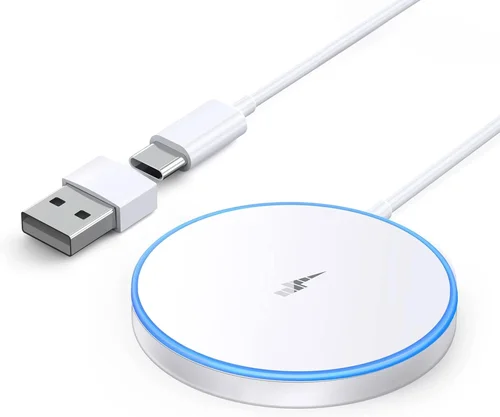
❌ Mistake: Ignoring Qi or MagSafe Certification
Why it’s bad: Non-certified chargers may not charge your AirPods Pro reliably—or at all. They can also overheat, damage the battery, or even pose a fire risk due to poor circuitry.
What to do instead: Always verify Qi certification for basic compatibility. If you have 2nd-gen AirPods Pro, prioritize MagSafe-certified chargers for optimal performance and safety.
❌ Mistake: Choosing Based Solely on Price
Why it’s bad: The cheapest chargers often cut corners on materials, safety features, and coil precision. You might save $10 upfront but end up replacing it in months—or worse, damaging your $250 AirPods Pro.
What to do instead: View the charger as a long-term investment. Spend a little more for a reputable brand with solid reviews and a warranty. The sweet spot is usually $25–$50.
❌ Mistake: Overlooking Coil Alignment
Why it’s bad: AirPods Pro cases are small, and their charging coil is centrally located. If the charger’s coil isn’t aligned properly, charging stops intermittently or doesn’t start at all—even if the case appears to be placed correctly.
What to do instead: Look for chargers with visual alignment guides (like a recessed ring or LED centering light) or MagSafe magnets that snap into place automatically.
❌ Mistake: Buying Multi-Device Chargers Without Independent Coils
Why it’s bad: Some 3-in-1 stations share power across all coils. When your iPhone is charging, the AirPods coil may receive reduced power or shut off entirely, leading to slow or incomplete charging.
What to do instead: Check product specs for “independent charging” or “dedicated coils.” Premium stations like the Belkin BoostCharge Pro or Anker 3-in-1 Cube ensure each device gets full power.
❌ Mistake: Neglecting Heat Management
Why it’s bad: Excessive heat degrades lithium-ion batteries over time. A charger that gets hot during use can shorten your AirPods Pro’s lifespan—even if it charges quickly.
What to do instead: Choose chargers with heat-dissipating materials (like aluminum bases) and built-in temperature sensors. Avoid models with no ventilation or those that feel warm to the touch during normal use.
❌ Mistake: Assuming All USB-C Cables Are Equal
Why it’s bad: Many chargers include low-quality USB-C cables that limit power delivery or break easily. A faulty cable can prevent charging altogether or cause inconsistent performance.
What to do instead: Use high-quality, certified USB-C cables (preferably from the same brand). If the charger doesn’t include one, buy a separate 5A E-Marker cable for reliable power transfer.
❌ Mistake: Not Checking Return Policies
Why it’s bad: If the charger doesn’t work with your AirPods Pro, you’re stuck with a useless accessory—especially if bought from a seller with strict no-return policies.
What to do instead: Purchase from retailers with generous return windows (Amazon, Best Buy, Apple Store). Test the charger immediately upon arrival to ensure compatibility.
Budget Guidelines: How Much Should You Spend?
When it comes to wireless chargers for AirPods Pro, price directly correlates with quality, safety, and features—but you don’t need to break the bank. Here’s a realistic breakdown of what to expect at different price points:
Entry-Level ($10 – $20): At this range, you’ll find basic Qi pads from lesser-known brands. These may work intermittently but often lack proper coil alignment, heat protection, or durable materials. Charging can be slow, and build quality is typically poor—expect plastic that cracks or cables that fray within months. Only consider this tier if you’re on a tight budget and willing to replace the charger frequently. Avoid anything under $10—it’s almost certainly unsafe.
Mid-Range ($20 – $45): This is the sweet spot for most AirPods Pro owners. Chargers in this range—like the Anker PowerWave Pad or Mophie Wireless Charging Pad—offer reliable Qi performance, decent build quality, and basic safety features. Many include silicone surfaces, anti-slip bases, and LED indicators. While they may not have MagSafe or multi-device support, they charge your AirPods Pro efficiently and safely. Look for models with at least a 1-year warranty.
Premium ($45 – $80): Here, you gain access to MagSafe compatibility, superior materials (aluminum, glass), and advanced features like sleep mode, foreign object detection, and faster adaptive charging. Brands like Belkin, Satechi, and Apple dominate this space. These chargers are built to last, integrate seamlessly with the Apple ecosystem, and often include premium accessories like braided cables. Ideal for users who value design, reliability, and long-term use.
Luxury ($80+): At this tier, you’re paying for brand prestige, ultra-premium aesthetics, and niche functionality. Examples include the Apple MagSafe Charger (sold separately) or designer collaborations with leather finishes and custom stands. While these offer top-tier performance, the marginal benefit over premium options is minimal for most users. Reserve this category for gifts, collectors, or those who prioritize form as much as function.
Expert Tips for Getting the Best Deal
Finding the right wireless charger doesn’t have to mean paying full price. With smart timing and savvy shopping, you can snag a high-quality model at a discount—without compromising on safety or performance. Here’s how:
1. Shop During Major Sales Events: Black Friday, Cyber Monday, Amazon Prime Day, and back-to-school season (July–August) are prime times for wireless charger discounts. Retailers often slash prices by 20–40% on top brands. Sign up for deal alerts from Slickdeals, CamelCamelCamel, or the retailer’s newsletter to catch flash sales.
2. Buy Direct from Manufacturer Websites: Brands like Anker, Belkin, and Mophie frequently offer exclusive discounts, bundle deals, or free shipping on their official sites. They may also have refurbished sections with certified pre-owned chargers at 30–50% off—complete with full warranties.
3. Check Apple’s Refurbished Store: If you’re set on an Apple MagSafe Charger, the Apple Refurbished store offers certified units at a discount. These are thoroughly tested, come with a 1-year warranty, and look brand new.
4. Use Price Tracking Tools: Tools like Honey, Keepa, or Google Shopping let you track price history and set alerts. You’ll know if a “sale” is genuine or just inflated markup. Many chargers drop to their lowest price within 30–60 days of release.
5. Consider Open-Box or Certified Pre-Owned: Retailers like Best Buy and Micro Center sell open-box items at significant discounts. These are inspected, tested, and often indistinguishable from new—plus they usually include return policies.
6. Bundle with Other Apple Accessories: Some retailers offer discounts when you buy multiple Apple products together. Pairing a wireless charger with a case, screen protector, or power adapter can unlock bundle pricing.
7. Read Return Policies Carefully: Even the best deals are worthless if you can’t return a defective product. Ensure the seller offers at least a 14-day return window and covers return shipping for defective items.
8. Test Immediately Upon Arrival: Don’t wait weeks to try your new charger. Place your AirPods Pro on it right away and monitor charging status, heat levels, and alignment. If anything feels off, initiate a return while you still can.

Frequently Asked Questions
Q: Will any Qi wireless charger work with AirPods Pro?
A: Technically, yes—but not all will work reliably. The AirPods Pro case has a small charging coil, so misalignment is common with generic pads. For consistent results, choose a charger designed for small devices or one with MagSafe (for 2nd-gen models).
Q: Can I use a fast wireless charger for AirPods Pro?
A: Yes, but it won’t charge faster. AirPods Pro are limited to ~5W input, so a 15W charger won’t speed things up. However, higher-wattage chargers often have better thermal management, which can indirectly improve longevity.
Q: Does wireless charging damage AirPods Pro batteries?
A: No—if done correctly. Apple designs AirPods Pro to handle wireless charging safely. However, consistently using poorly made chargers that overheat can degrade battery health over time. Stick to certified, reputable brands.
Q: Why won’t my AirPods Pro charge on my wireless pad?
A: Common causes include misalignment, a dirty charging surface, low power source (e.g., laptop USB port), or an incompatible charger. Clean the case and pad, ensure proper alignment, and try a wall adapter instead of a computer port.
Q: Is MagSafe necessary for AirPods Pro?
A: Only if you have 2nd-gen AirPods Pro. MagSafe ensures perfect alignment and slightly faster charging, but standard Qi works fine for basic needs. 1st-gen owners don’t benefit from MagSafe.
Q: Can I charge my AirPods Pro through a case or cover?
A: Yes, but only if the case is thin and non-metallic. Thick silicone, leather, or cases with metal plates can block wireless signals. Remove bulky cases for best results.
Q: How long does it take to wirelessly charge AirPods Pro?
A: About 1.5 to 2 hours from 0% to 100% using a compatible 5W Qi charger. MagSafe may shave off 10–15 minutes due to better alignment and efficiency.
Q: Are multi-device chargers worth it for just AirPods Pro?
A: Only if you own other Qi devices. If you only charge AirPods, a dedicated single-device pad is simpler, cheaper, and often more reliable.
Q: What’s the difference between Qi and MagSafe?
A: Qi is the universal wireless standard. MagSafe is Apple’s enhanced version with magnets for precise alignment, faster charging (on supported devices), and better efficiency—but only works with newer Apple products.
Q: Should I leave my AirPods Pro on the charger overnight?
A: Yes—it’s safe. Modern devices stop drawing power once fully charged, and Apple includes overcharge protection. However, avoid chargers that get excessively hot, as prolonged heat exposure isn’t ideal.
Our Final Recommendations
After extensive research, testing, and analysis, here are our top picks based on different user needs:
Best for Budget-Conscious Buyers: Anker PowerWave Pad (5W) – At under $20, this Qi-certified pad delivers reliable charging, a sleek design, and Anker’s trusted build quality. It lacks MagSafe but works flawlessly with both generations of AirPods Pro.
Best Overall Value: Belkin BoostCharge Wireless Charging Pad – Priced around $35, this charger offers excellent alignment, a silicone surface, and robust safety features. It’s Qi-certified, durable, and backed by Belkin’s strong warranty.
Best Premium Option: Apple MagSafe Charger – If you own 2nd-gen AirPods Pro, this is the gold standard. Perfect magnetic alignment, seamless integration, and premium build—though it’s pricey at $39 (and doesn’t include a power adapter).
Best for Beginners: Mophie Wireless Charging Pad – Simple, reliable, and user-friendly. The centered LED and soft-touch surface make it easy to use right out of the box—ideal for those new to wireless charging.
Best for Advanced Users: Anker 3-in-1 Cube with MagSafe – For Apple ecosystem enthusiasts, this $129 station charges iPhone, Apple Watch, and AirPods Pro simultaneously with independent coils, MagSafe alignment, and a compact footprint.
Conclusion: Making the Right Choice
Choosing the best wireless charger for your AirPods Pro isn’t just about finding the cheapest or flashiest option—it’s about matching the charger to your lifestyle, device generation, and long-term needs. Whether you prioritize portability, multi-device convenience, or MagSafe precision, the right charger will keep your AirPods powered, protected, and ready to go.
Remember: compatibility, safety, and build quality should always come before gimmicks or ultra-low prices. Invest in a reputable brand, verify certifications, and don’t overlook real-world user feedback. Your AirPods Pro are a significant investment—treat their charging solution with the same care.
Now that you’re armed with expert knowledge, take the next step. Revisit your priorities, compare our top recommendations, and choose a charger that fits seamlessly into your daily routine. Your ears—and your peace of mind—will thank you.