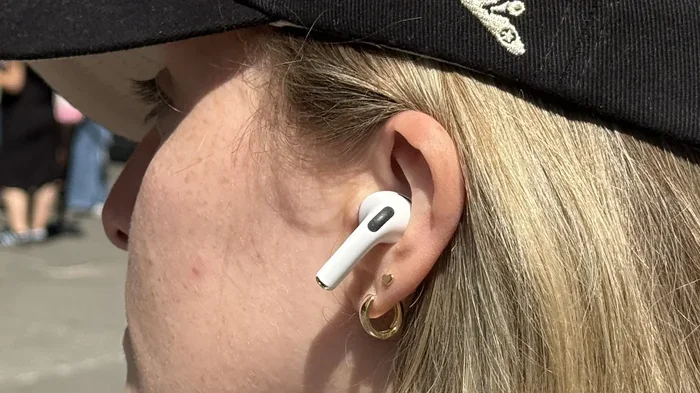
Featured image for Airpods Pro try-on person
Image source: cdn.mos.cms.futurecdn.net
Yes, you can try AirPods Pro before committing to a purchase through several reliable methods. Apple’s retail stores offer hands-on demonstrations, authorized resellers provide testing opportunities, and online purchases come with a 14-day return window. This guide covers every legitimate way to experience AirPods Pro, including in-store demos, trial programs, return policies, and tips for making the most of your test drive.
Walking into a store and slipping on a pair of premium earbuds feels great, but what if you want to really know whether they suit your ears before spending your hard-earned money? That curiosity is exactly why so many people ask, “Can I try AirPods Pro?” The answer is a resounding yes, and you have more options than you might think.
Did you know that Apple sold over 100 million AirPods worldwide by 2023, making them one of the best-selling earbuds in history? Yet despite their popularity, many shoppers remain hesitant about the $249 price tag for AirPods Pro. Smart consumers want to test before they invest, and manufacturers have noticed. Demo programs, generous return policies, and trial offers have become standard across the audio industry.
This comprehensive guide walks you through every legitimate way to try AirPods Pro before buying. Whether you prefer touching products in person, testing them in your own environment, or borrowing from a friend, you’ll find a method that fits your comfort level. Let’s dive in.
Key Takeaways
- Apple Store Demos: Walk into any Apple Store and try AirPods Pro on display units connected to iPhones for a complete experience.
- 14-Day Return Policy: Apple offers a 14-day return window for online purchases, letting you test AirPods Pro at home risk-free.
- Authorized Retailers: Best Buy, Target, and other authorized sellers often have demo units available for hands-on testing.
- Try-Before-You-Buy Programs: Some retailers and carriers offer short-term trial programs specifically for premium audio products.
- Fit Test Feature: AirPods Pro include a built-in Ear Tip Fit Test to verify proper seal and comfort before your purchase decision.
- Second-Hand Trials: Borrowing from friends or using rental services provides another way to test without commitment.
- What to Test: Focus on noise cancellation, transparency mode, fit, sound quality, and call performance during your trial.
📑 Table of Contents
1. Visiting an Apple Store for a Hands-On Demo
The most straightforward answer to “Can I try AirPods Pro?” comes from Apple itself. Every Apple Store worldwide offers demonstration units specifically for this purpose. Think of it like test-driving a car before signing the paperwork, except the process takes about ten minutes and involves earbuds instead of engines.
What to Expect During Your Store Visit
When you walk into an Apple Store, you’ll find dedicated tables with iPhones, iPads, and Macs connected to demo AirPods Pro. These aren’t locked display units; they’re fully functional and ready for your ears. Here’s how the experience typically works:
- Self-service exploration: Most stores encourage customers to try products independently without pressure from staff.
- Staff assistance: Apple’s specialists (wearing blue shirts) can guide you through features and answer questions.
- No appointment needed: Walk in anytime during business hours and help yourself.
- Multiple locations: With over 500 Apple Stores globally, finding one nearby is usually easy.
How to Make the Most of Your In-Store Demo
Simply placing earbuds in your ears doesn’t tell you much. To truly evaluate AirPods Pro during your visit, follow these expert tips. Think of it as a mini test-drive checklist that ensures you don’t leave the store with unanswered questions.
First, test the noise cancellation feature. Play a video or music with active noise cancellation enabled, then switch to transparency mode. The difference should be dramatic, like stepping from a noisy street into a quiet library and back again. If the noise cancellation feels underwhelming or if transparency mode sounds unnatural, that’s valuable information.
Second, try different ear tip sizes. AirPods Pro comes with four silicone tip sizes (XS, S, M, L), and getting the right fit dramatically affects both comfort and sound quality. Spend at least five minutes with each size to feel the difference.
Third, test the controls. Squeeze the stems to play and pause, swipe (or press the force sensor) to control volume, and hold to switch between noise cancellation modes. Make sure the controls feel intuitive to your fingers.
Fourth, take a phone call. Ask a friend to call you or use the store’s demo phone. Call quality matters just as much as music playback, especially if you plan to use AirPods Pro for work meetings.
Beyond Apple Stores: Authorized Resellers
Can’t reach an Apple Store? You’re not out of luck. Many authorized resellers also stock demo AirPods Pro. Best Buy is a prime example, with display models in most of their 1,000+ U.S. locations. Target, Walmart, and carrier stores like Verizon and AT&T sometimes carry demos as well.
Did you know that Best Buy’s “Geek Squad” team receives specialized training on Apple products? This means they can often answer technical questions about AirPods Pro features just as well as Apple Store employees. Don’t hesitate to ask for their input during your test.
2. Leveraging Apple’s 14-Day Return Policy
Sometimes the only way to know if a product works for you is to use it in your real life, at your office, on your commute, and in your favorite coffee shop. Apple’s return policy exists precisely for this situation. Think of it as an extended test drive where Apple takes all the risk.
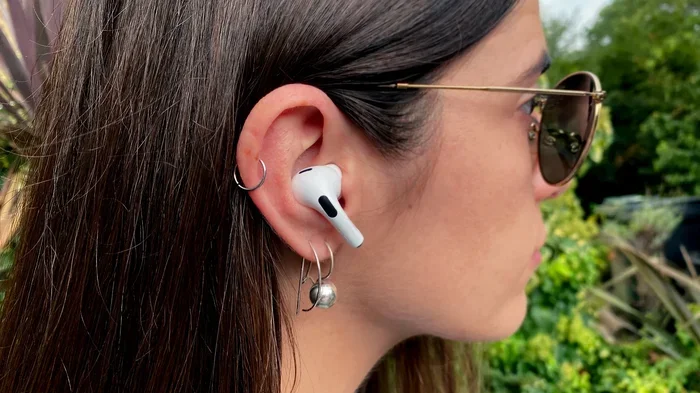
Visual guide about Airpods Pro try-on person
Image source: cdn.mos.cms.futurecdn.net
Understanding the 14-Day Window
Apple provides a 14-day return period for products purchased directly from Apple, whether online or in-store. This window begins on the day of purchase, not the day you receive the product. That means you have two full weeks to decide whether AirPods Pro belong in your life.
The process is refreshingly simple:
- Keep all packaging: The original box and accessories must be in good condition for a full refund.
- Don’t lose the receipt: Your order confirmation email serves as proof of purchase.
- Initiate the return: Visit Apple’s online return portal or bring items to an Apple location.
- Receive your refund: Apple processes returns within 3-5 business days after receiving your package.
What to Test During Your 14-Day Trial
Two weeks is plenty of time to evaluate whether AirPods Pro deserve a permanent spot in your pocket. Here’s a day-by-day testing strategy that experienced reviewers recommend. Think of it as a structured experiment to discover every strength and weakness.
Days 1-3: Focus on fit and comfort. Wear AirPods Pro for several hours each day. Do your ears get sore? Do the earbuds stay secure during workouts? Do they cause any irritation? Comfort issues tend to appear within the first few days of extended use.
Days 4-7: Test sound quality across different scenarios. Listen to your favorite music genres, watch movies, play games, and take phone calls. Does the audio quality hold up across various content types? Are there any genres where AirPods Pro underperform?
Days 8-10: Evaluate battery life and charging. The AirPods Pro case provides multiple charges, but how does real-world usage match Apple’s claimed 6 hours of listening time per charge? Do the batteries drain faster than expected during calls?
Days 11-14: Try advanced features. Test spatial audio with supported content, experiment with conversation mode, and try using AirPods Pro across all your Apple devices. Does the seamless switching feature actually work as advertised?
Common Reasons People Return AirPods Pro
Even satisfied users sometimes return AirPods Pro, and understanding why helps you know what to look for during your trial. The most common return reasons include:
- Poor fit: Despite multiple ear tip sizes, some ear shapes simply don’t accommodate AirPods Pro’s design.
- Underwhelming noise cancellation: Users who expected complete silence may find the noise cancellation less powerful than competitors.
- Sound quality preferences: Audiophiles sometimes prefer the warmer or more analytical sound of other brands.
- Compatibility issues: While AirPods Pro work with non-Apple devices, some features are limited on Android and Windows.
- Price reconsideration: After extended use, some buyers decide the premium isn’t worth the cost.
3. Exploring Try-Before-You-Buy Programs and Rentals
Beyond Apple’s own policies, several third-party programs let you try AirPods Pro without full commitment. These options work especially well for people who want longer trial periods or prefer not to go through the return process.
Carrier and Retailer Trial Programs
Major carriers occasionally run promotional programs that bundle AirPods Pro with service plans, allowing you to “try” them as part of a larger package. Verizon, T-Mobile, and AT&T have all offered such promotions in the past. While these aren’t traditional trial programs, they let you experience AirPods Pro at a reduced cost.
Some electronics rental services have started offering short-term audio equipment rentals. Companies like Grover (in Europe) and similar U.S.-based services let you rent premium tech products for monthly fees. If available in your area, this represents another way to test AirPods Pro before committing.
Borrowing from Friends and Family
The oldest testing method remains one of the best. Borrowing AirPods Pro from a friend or family member gives you genuine real-world experience without any financial commitment. Think of it like test-driving a friend’s car before deciding which model to buy.
To make this approach work smoothly, follow these social etiquette tips:
- Ask permission first: Never borrow without asking, as AirPods Pro are expensive personal items.
- Clean them afterward: Use a soft, dry cloth to clean the earbuds before returning them.
- Set a time limit: Agree on when you’ll return them so your friend isn’t left without their earbuds.
- Offer something in return: Consider bringing coffee or lunch as a thank-you gesture.
Online Communities and Local Meetups
Did you know that audio enthusiast communities often organize meetups where members share and compare equipment? Websites like Reddit’s r/airpods and various audio forums sometimes feature local gatherings where you can try different earbuds side by side. While this requires some social effort, it provides an authentic comparison experience.
4. Using the Built-In Ear Tip Fit Test
Apple designed AirPods Pro with a clever self-testing feature that answers one of the biggest “try before you buy” questions: are the earbuds actually fitting correctly? Think of this built-in test as having a personal audio technician in your pocket.
How the Ear Tip Fit Test Works
The Ear Tip Fit Test uses advanced algorithms and microphones to measure how well your ear tips seal your ear canals. A proper seal is crucial for both sound quality and noise cancellation effectiveness. Even expensive earbuds sound terrible if they don’t fit properly, making this test incredibly valuable.
To run the test, follow these steps:
- Connect AirPods Pro to your iPhone or iPad: The test requires an Apple device running iOS 13.2 or later.
- Open Settings: Navigate to Bluetooth and tap the “i” icon next to your AirPods Pro.
- Select Ear Tip Fit Test: This option appears in the AirPods Pro settings menu.
- Follow the on-screen prompts: The test plays sounds and analyzes how well the ear tips seal.
- Review the results: You’ll see either a “Good Seal” confirmation or suggestions to try different tip sizes.
Why This Test Matters for Your Purchase Decision
If you’re testing AirPods Pro in-store and have an iPhone with you, running the Ear Tip Fit Test provides objective feedback that your own ears might miss. Many people assume their earbuds fit properly when they actually have a poor seal, leading to underwhelming sound quality and weak noise cancellation.
Think of it like getting a proper fitting for running shoes. You might think a pair feels fine, but a professional fitting reveals that you need a different size or style for optimal comfort and performance. The Ear Tip Fit Test does the same for earbuds.
Did you know that ear canal shapes vary significantly between individuals? Some people’s canals are perfectly suited to the standard medium tips, while others need extra-small or extra-large options. The four included tip sizes accommodate this natural variation, and the fit test helps you identify your ideal choice.
5. Testing AirPods Pro in Real-World Conditions
Demoing earbuds in a quiet store tells you part of the story, but the full picture emerges only when you test them in the environments where you’ll actually use them. Think of it like test-driving a car on smooth dealer roads versus your daily commute through potholes and traffic.
Scenarios That Reveal True Performance
Everyday environments expose strengths and weaknesses that store demos simply can’t reveal. During your trial period, make sure to test AirPods Pro in these common scenarios:
Public transportation: Buses, trains, and subways present a brutal test for noise cancellation. The combination of engine noise, conversations, and announcement systems creates a challenging soundscape. If AirPods Pro can make your commute peaceful, they’ll likely handle most other environments.
Coffee shops and cafes: Background chatter, espresso machine noise, and music all combine to test how well AirPods Pro’s transparency mode works when you need to hear your order. This is also where call quality gets tested, as you’ll likely make or receive calls during your coffee stop.
Outdoor walking: Wind noise can devastate earbud performance. AirPods Pro handle wind reasonably well, but walking on a breezy day tests their limits. This scenario also reveals how securely they stay in your ears during movement.
Workouts and exercise: If you plan to use AirPods Pro at the gym, test them during actual workouts. Sweat resistance is one thing, but how well they stay in your ears during burpees or running tells the real story. The IPX4 water resistance rating handles sweat, but don’t test them by swimming.
Video calls and meetings: Remote work has made call quality more important than ever. Test AirPods Pro during actual Zoom, Teams, or FaceTime calls. Do your colleagues say you sound clear? Does the noise cancellation work well enough to eliminate keyboard typing and background noise?
Making Comparisons with Other Earbuds
If you already own other earbuds, comparing them side by side with AirPods Pro provides valuable perspective. This works especially well during the 14-day return window, as you can use your old earbuds one day and AirPods Pro the next. Look for differences in:
- Sound signature: Bass-heavy, balanced, or bright sound profiles appeal to different preferences.
- Comfort during extended wear: Some earbuds feel great for an hour but uncomfortable after three.
- Noise cancellation strength: Not all active noise cancellation performs equally.
- Call quality: Microphone placement and processing significantly affect how you sound to others.
- Connection reliability: Dropouts and interference reveal quality differences between products.
6. Tips for Making Your Final Decision
After testing AirPods Pro through whichever method works best for you, you’ll face the moment of decision. This final section helps you evaluate your experience and decide whether AirPods Pro deserve a place in your daily life.
Creating a Personal Pros and Cons List
During your trial, keep notes on your experience. Sounds strange, but writing down your observations while they’re fresh helps you make a clear-headed decision later. After a week or two, your initial excitement may fade, but written notes preserve your honest impressions.
Structure your notes around these key questions:
- Did AirPods Pro solve problems I actually have? If you bought them for specific reasons (commute noise, workout motivation, call quality), did they deliver?
- Did any features exceed my expectations? Sometimes products surprise us positively. The spatial audio feature, for example, impresses many first-time users.
- Did any features disappoint me? Be honest about shortcomings. Perhaps noise cancellation wasn’t as strong as you’d hoped, or battery life felt shorter than expected.
- How do they compare to my current earbuds? If you’re upgrading, the comparison reveals whether the upgrade is worth the investment.
- Would I recommend them to a friend? This gut-check question often reveals your true feelings about a product.
Understanding AirPods Pro’s Unique Strengths
When evaluating your trial experience, consider what makes AirPods Pro special compared to alternatives. The Apple ecosystem integration stands out as a unique strength. If you own an iPhone, iPad, Mac, and Apple Watch, the seamless switching between devices feels almost magical. This convenience alone justifies the premium for many users.
The transparency mode is another standout feature. While many earbuds offer noise cancellation, AirPods Pro’s transparency mode sounds remarkably natural, almost like you’re not wearing earbuds at all. This makes them safer for outdoor use and more comfortable for conversations.
Did you know that AirPods Pro automatically pause when you remove them from your ears? This small detail, along with the in-ear detection, contributes to a user experience that feels polished and thoughtful.
Knowing When AirPods Pro Aren’t Right for You
Despite their popularity, AirPods Pro aren’t perfect for everyone. Honest evaluation means acknowledging when a product doesn’t fit your needs. Consider alternative options if your trial reveals these issues:
- Android users: While AirPods Pro work with Android phones, you lose features like spatial audio, automatic switching, and the Ear Tip Fit Test. Consider Samsung Galaxy Buds or Google Pixel Buds instead.
- Audiophiles seeking reference sound: AirPods Pro deliver excellent sound for most listeners, but dedicated audiophiles might prefer the Sennheiser Momentum True Wireless or Sony WF-1000XM4.
- Budget-conscious buyers: At $249, AirPods Pro sit at the premium end. AirPods (without Pro features) or AirPods Pro alternatives offer similar core functionality at lower prices.
- Those who prioritize battery life: Some competitors offer longer battery life per charge, though AirPods Pro’s case provides additional charges for all-day use.
The Final Verdict: Trusting Your Trial Experience
After thorough testing, trust your own experience over online reviews and marketing claims. What matters is whether AirPods Pro work for your ears, your devices, and your lifestyle. If your trial was positive and the price fits your budget, congratulations on finding your perfect earbuds. If something felt off, that’s valuable information that saves you from a purchase you might have regretted.
Remember, the entire audio industry has evolved toward letting customers try before buying. This shift benefits you as a consumer, ensuring that your hard-earned money goes toward products that genuinely improve your daily life. Take advantage of every trial opportunity, test thoroughly, and make a decision based on your real experience rather than someone else’s opinion.
So, can you try AirPods Pro? Absolutely, and now you know exactly how to do it. Whether you visit an Apple Store for a quick hands-on demo, leverage the 14-day return window for an extended home trial, or borrow from a friend for a casual test, you have multiple paths to experience AirPods Pro risk-free. The power to make an informed decision is in your hands, or more accurately, in your ears.
Frequently Asked Questions
Can I try AirPods Pro at an Apple Store without buying them?
Yes, every Apple Store has working demo AirPods Pro connected to display iPhones. You can walk in anytime during business hours, try them on, and test features like noise cancellation and transparency mode without any purchase obligation or appointment.
How long do I have to return AirPods Pro if I don’t like them?
Apple provides a 14-day return window for products purchased directly from Apple. This period begins on your purchase date and gives you two full weeks to test AirPods Pro in real-world conditions and return them for a full refund if they don’t meet your expectations.
Do AirPods Pro work with Android phones for testing purposes?
AirPods Pro work with Android devices via standard Bluetooth, so you can test basic features like music playback and calls. However, advanced features like spatial audio, automatic device switching, and the Ear Tip Fit Test require an Apple device running iOS 13.2 or later.
Where can I try AirPods Pro if there’s no Apple Store nearby?
Beyond Apple Stores, you can test AirPods Pro at authorized retailers like Best Buy, Target, and carrier stores such as Verizon and AT&T. These locations often have working demo units. You can also borrow from friends or take advantage of Apple’s 14-day return policy by ordering online.
Why should I try AirPods Pro before buying them?
Trying AirPods Pro before buying ensures the ear tips fit your ears properly, the sound quality matches your preferences, and features like noise cancellation meet your expectations. A proper fit dramatically affects both comfort and audio performance, making hands-on testing valuable before spending $249.
What should I test during an AirPods Pro trial?
Focus on five key areas during your trial: fit and comfort during extended wear, noise cancellation effectiveness in noisy environments, transparency mode naturalness, sound quality across different music genres and videos, and call quality during phone or video calls. Testing in your actual daily environments provides the most accurate results.