Active Noise Cancellation (ANC) AirPods use smart technology to block out unwanted background sound, making them ideal for commuters, office workers, and travelers. You only need ANC AirPods if you frequently find yourself in noisy environments and want better focus, audio clarity, and listening comfort. For casual home use in quiet spaces, standard AirPods may be sufficient.
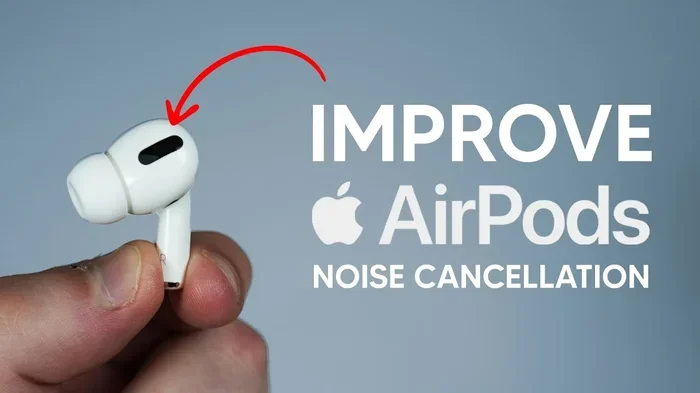
Featured image for AirPods noise cancellation demonstration
Image source: i.ytimg.com
Picture this: you’re sitting on a packed subway train, trying to enjoy your favorite podcast. The rumble of the tracks, the chatter of strangers, the screech of brakes—it all blends into a wall of noise. You crank up the volume, but you still struggle to hear. Now imagine pressing a button and suddenly, the world goes quiet. That’s what Active Noise Cancellation does, and it’s why so many people are asking, “do I need Active Noise Cancellation AirPods?”
AirPods have become one of the most popular wireless earbuds on the planet. Since their launch in 2016, Apple has sold over 200 million pairs worldwide. But not all AirPods are the same. Some come with a feature called Active Noise Cancellation, or ANC for short. This technology promises to silence the world around you, but it also costs more money. So how do you know if it’s worth it for you?
This guide will walk you through everything you need to know. We’ll explain the science in simple terms, help you figure out your listening habits, and give you a clear answer by the end. Whether you’re a daily commuter, a busy professional, or someone who just loves music, you’ll know exactly whether ANC AirPods are a smart buy or an unnecessary splurge.
Key Takeaways
- ANC AirPods use microphones and speakers to cancel noise: They detect outside sounds and create opposite sound waves to block them.
- Best for noisy environments: Planes, trains, busy offices, and city streets are where ANC shines most.
- Quieter than standard AirPods: ANC reduces the need to raise volume to drown out background noise, protecting your hearing.
- Battery drains faster: ANC requires extra power, so battery life is shorter compared to non-ANC models.
- Price difference matters: ANC AirPods cost more, so consider whether you’ll use the feature enough to justify it.
- Transparency Mode is a bonus: You can switch off ANC and let outside sound in when you need awareness.
- Not essential for everyone: If you mostly listen in quiet spaces, standard AirPods may meet your needs.
📑 Table of Contents
- What Is Active Noise Cancellation and How Does It Work?
- Who Should Consider Active Noise Cancellation AirPods?
- Who Probably Doesn’t Need ANC AirPods?
- What Are the Real Benefits of ANC AirPods?
- What Are the Downsides of ANC AirPods?
- How to Decide: A Simple Checklist
- Which AirPods Models Have ANC?
- Tips for Getting the Most Out of ANC AirPods
- The Future of Noise Cancellation
- Final Verdict: Do You Need ANC AirPods?
What Is Active Noise Cancellation and How Does It Work?
Let’s start with the basics. Active Noise Cancellation sounds fancy, but the idea is pretty simple. Think of it like this: if you push a swing forward, and someone else pushes it backward at the same time, the swing stops moving. ANC does the same thing with sound.
The Science Behind ANC
Sound travels in waves, kind of like ripples in a pond. These waves have peaks (loud parts) and dips (quiet parts). Tiny microphones inside your AirPods listen to the noise around you. Then, the AirPods create a mirror-image sound wave. This new wave has its peaks where the outside noise has dips, and its dips where the outside noise has peaks. When the two waves meet, they cancel each other out. The result? Silence, or at least much quieter sound.
Did You Know? The first noise-cancelling headphones were made for airplane pilots in the 1950s. They wanted to protect their hearing from loud engine noise during long flights. Today, the same basic idea helps you enjoy music on your morning commute.
Passive vs. Active Noise Cancellation
There’s another type of noise reduction called “passive” noise cancellation. This is just the physical blocking of sound by the earbud itself. Like putting your fingers in your ears. A snug-fitting earbud blocks some noise simply by sealing your ear canal.
Active Noise Cancellation goes further. It uses technology, not just physical design, to fight noise. Most premium AirPods use both together. The seal of the ear tip helps block higher-pitched sounds, while ANC tackles the lower, rumbly noises like airplane engines or air conditioners.
What ANC Cannot Do
ANC is amazing, but it’s not magic. It works best on steady, low-frequency sounds. Things like:
- Airplane hum
- Train rumbles
- Air conditioner buzz
- Traffic drone
It’s less effective at blocking sharp, sudden sounds like a dog barking, a baby crying, or someone shouting. For those, a good physical seal (passive noise cancellation) helps more.
Who Should Consider Active Noise Cancellation AirPods?
Not everyone needs ANC. Let’s look at who benefits most from this feature. Think of it like buying a four-wheel-drive car. If you live in a snowy mountain town, it’s a lifesaver. If you live in sunny Florida, it’s probably overkill.
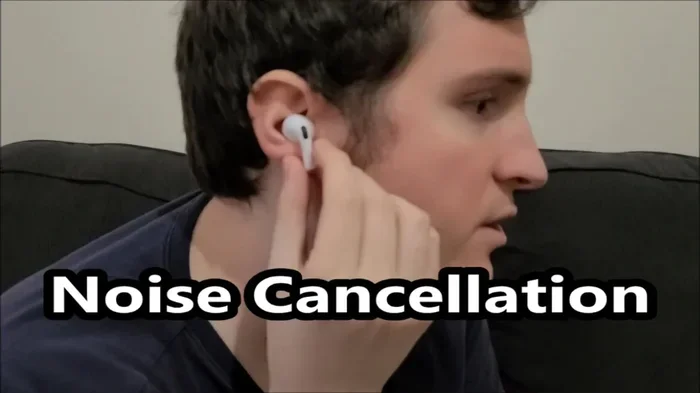
Visual guide about AirPods noise cancellation demonstration
Image source: i.ytimg.com
Daily Commuters and Public Transit Users
If you spend an hour or more each day on buses, trains, or subways, ANC AirPods can be life-changing. Public transit is loud. The average subway train produces about 80 to 100 decibels of noise. That’s as loud as a lawnmower. ANC helps you hear your music without blasting it at dangerous levels.
Did You Know? The World Health Organization estimates that 1.1 billion young people worldwide are at risk of hearing damage from loud recreational activities, including listening to music too loudly. ANC can help protect your ears by letting you listen at lower volumes.
Frequent Flyers and Travelers
Airplanes are perhaps the most common reason people buy ANC headphones. The constant drone of the engine can last for hours. In fact, a 2018 survey by the airline industry found that engine noise during flight is one of the top complaints among passengers. ANC AirPods make flights more relaxing and let you arrive at your destination feeling fresher.
Office Workers in Open Spaces
Open-plan offices are notoriously noisy. Phones ringing, people chatting, keyboards clicking—it adds up. Studies show office noise reduces productivity by up to 15%. ANC AirPods create a bubble of quiet, helping you focus on deep work without distractions.
Students and Remote Learners
If you’re studying in a noisy dorm, a busy coffee shop, or a shared home, ANC can help you concentrate. Many students report that listening to music or lectures with ANC on helps them absorb information better.
People with Hearing Sensitivity
Some folks are more sensitive to background noise than others. This includes people with conditions like misophonia (strong reactions to certain sounds) or autism spectrum disorder. ANC can provide much-needed relief from overwhelming soundscapes.
Who Probably Doesn’t Need ANC AirPods?
Just as some people really need ANC, others will barely use the feature. Here’s how to know if you’re in this group.
Home Listeners in Quiet Spaces
If you mostly listen to music, podcasts, or take calls at home in a quiet room, ANC won’t make a huge difference. Standard AirPods will sound great in that environment. Save your money.
Budget-Conscious Buyers
ANC AirPods cost significantly more than standard models. For example, AirPods 4 with ANC cost about $179, while standard AirPods 4 cost around $129. That $50 difference could buy a lot of other things. If you’re on a tight budget, skip ANC and put that money elsewhere.
Casual, Short-Duration Users
If you only wear earbuds for 15 minutes here and there, say for a quick walk or to take a phone call, ANC may not justify the price. The feature shines during longer listening sessions in noisy places.
People Who Need to Hear Their Surroundings
If you work in a job where hearing your surroundings is important—like a doctor walking around a hospital, a parent watching kids, or a cyclist in traffic—ANC might be dangerous. You’d have to turn it off frequently, which defeats the purpose. Transparency Mode helps, but it’s still not the same as no earbuds at all.
What Are the Real Benefits of ANC AirPods?
Let’s dig deeper into the actual advantages you get. It’s not just about quiet. There are ripple effects that improve your whole listening experience.
Better Audio Quality at Lower Volumes
Here’s something most people don’t realize. When you turn on ANC, you don’t need to crank up the volume to drown out background noise. You can listen at a comfortable 50% volume and still hear every detail of your music. This is a huge deal for your hearing health. The Hearing Health Foundation reports that noise-induced hearing loss is 100% preventable, yet it’s the most common cause of hearing damage.
Improved Focus and Concentration
Noise isn’t just annoying. It actually affects your brain. Research from Cornell University found that open-office noise reduces workers’ ability to concentrate by up to 66%. By blocking distractions, ANC helps you enter a state of “flow,” where work feels easier and more enjoyable.
Reduced Listener Fatigue
Ever feel tired after listening to music for a long time? Part of that is your brain working hard to separate the music from background noise. With ANC, your brain doesn’t have to work as hard. You can listen longer without feeling mentally drained.
Better Call Quality
ANC AirPods also help during phone calls. They block noise from your end so your voice comes through clearer. Many models also have special microphones that focus on your voice and reduce wind and background sounds. Whether you’re taking a work call from a busy street or a Zoom meeting from a coffee shop, ANC makes you sound more professional.
Sleep and Relaxation
Some people use ANC AirPods to sleep. White noise or calming music with ANC on can drown out snoring partners, noisy neighbors, or city sounds. Just be careful: wearing earbuds all night isn’t recommended for ear health.
What Are the Downsides of ANC AirPods?
Nothing is perfect, and ANC AirPods come with trade-offs. It’s important to know these before you buy.
Shorter Battery Life
ANC requires extra power to run those tiny processors and microphones. This means battery life takes a hit. AirPods Pro 2, for example, offer 6 hours of listening with ANC off, but only 5.5 hours with it on. It doesn’t sound like much, but over a long flight or workday, it can matter.
Higher Price Tag
ANC technology adds cost. You’re paying for more components, more engineering, and more research. As mentioned, the price difference is usually around $50 to $150 depending on the model. Over a few years, that’s real money.
Slight Audio Delay
Some users notice a tiny delay in audio when ANC is on. It’s usually imperceptible for music, but for gaming or watching videos, it can occasionally cause lip-sync issues. Modern AirPods have mostly solved this, but it’s worth knowing.
Pressure Sensation
A small number of people feel a weird “pressure” in their ears when ANC is on. It’s not painful, just odd, like the feeling you get when a plane takes off. This happens because your brain interprets the lack of low-frequency sound as a pressure change. Most people get used to it quickly, but for some, it’s uncomfortable.
More Fragile
More components mean more things that can break. ANC AirPods may require more careful handling and aren’t usually as rugged as simpler earbuds. If you’re rough on your gear, this is something to consider.
How to Decide: A Simple Checklist
Still on the fence? Let’s make this easy. Answer these questions honestly:
- Do I spend time in noisy places? (planes, trains, busy offices, cafes) If yes, ANC helps a lot.
- Do I listen to music or podcasts for more than 30 minutes at a time? If yes, ANC improves long sessions.
- Do I struggle to hear my audio in loud environments? If yes, ANC solves this problem.
- Is hearing protection important to me? If yes, ANC lets you listen at safer volumes.
- Am I okay with paying $50-$150 more? If yes, ANC is a reasonable upgrade.
If you answered “yes” to three or more of these, ANC AirPods are probably worth it for you. If you answered “yes” to fewer than three, stick with standard AirPods and save your money.
Which AirPods Models Have ANC?
Not every AirPod offers Active Noise Cancellation. Here’s a quick breakdown to help you choose.
AirPods Pro (1st and 2nd Generation)
These are Apple’s flagship earbuds with ANC, Transparency Mode, and silicone ear tips for a better seal. The 2nd generation, released in 2022, offers twice the noise cancellation of the first. If you want the best noise cancellation, this is the top pick.
AirPods 4 with ANC
Released in late 2024, these offer ANC in a non-pro, open-ear design. They don’t have silicone tips, so the seal isn’t as tight, but they still provide meaningful noise reduction. They’re a good middle-ground choice if you don’t like ear tips.
AirPods Max
These are Apple’s over-ear headphones. They have excellent ANC and premium sound. If you want the best noise cancellation Apple offers and prefer over-ear designs, AirPods Max deliver. They’re expensive, but the noise cancellation is top-tier.
Standard AirPods (No ANC)
The base-model AirPods (various generations) and AirPods 4 without ANC do not have Active Noise Cancellation. They rely on passive noise reduction only. They’re cheaper and fine for quiet environments.
Tips for Getting the Most Out of ANC AirPods
Once you’ve got your ANC AirPods, here’s how to use them like a pro.
Get a Good Seal
ANC works best when the earbuds fit snugly. If you’re using AirPods Pro, try different ear tip sizes. Apple includes small, medium, and large tips. Many people wear the wrong size without realizing it. The Ear Tip Fit Test on your iPhone can tell you if your seal is good.
Use Transparency Mode When Needed
Transparency Mode lets outside sound in. It’s perfect for crossing the street, listening for announcements at the airport, or having a quick conversation without removing your earbuds. Toggle between ANC and Transparency using the stem squeeze or in Settings.
Update Your Firmware
Apple regularly releases firmware updates that can improve ANC performance. Keep your AirPods updated by leaving them in their case near your iPhone occasionally. You’ll get the latest improvements automatically.
Keep Them Clean
Earwax and debris can block the microphones, hurting ANC performance. Clean your AirPods regularly with a soft, dry cloth. Avoid getting moisture in the openings.
Charge Before Long Trips
ANC uses more battery. Before a long flight or work session, make sure your AirPods and case are fully charged. A quick top-up can make the difference between finishing your movie or sitting in silence.
The Future of Noise Cancellation
ANC technology keeps getting better. Apple’s H2 chip, found in AirPods Pro 2, processes noise 48,000 times per second. That’s how fast it has to work to cancel noise in real time. As chips get more powerful, expect even better noise cancellation in future models.
There’s also “adaptive ANC” on the horizon. This would adjust the level of noise cancellation based on your surroundings. Walking down a quiet street? You get transparency. Step into a noisy subway? It kicks into high gear automatically. This is coming to future AirPods, and it’ll make the technology even more useful.
Final Verdict: Do You Need ANC AirPods?
So, do you need Active Noise Cancellation AirPods? The honest answer is: it depends on your life.
If you’re a daily commuter, frequent flyer, or office worker battling distractions, ANC is more than a luxury. It’s a tool that protects your hearing, improves your focus, and makes your day more pleasant. The extra cost pays for itself in better audio experiences and reduced stress.
If you mostly listen at home, in quiet spaces, for short periods, standard AirPods will serve you well. Save the money. Buy a nice case or a streaming subscription instead.
The best part? AirPods are excellent either way. You really can’t go wrong. The question is whether ANC is worth the upgrade for your specific situation. For many people, the answer is a resounding yes. For others, it’s a nice-to-have, not a need-to-have.
Think about where you listen, how often, and for how long. Then make your choice. And remember: the best earbuds are the ones you’ll actually use and enjoy. Whether that’s with noise cancellation or without, what matters is that they fit your life.
Frequently Asked Questions
Are Active Noise Cancellation AirPods worth the extra money?
ANC AirPods are worth the extra cost if you spend time in noisy environments like planes, trains, or busy offices. The feature protects your hearing by allowing lower listening volumes and reduces distractions. However, if you only listen in quiet places, the extra cost may not be justified.
Can Active Noise Cancellation completely block all sounds?
No, ANC works best on steady, low-frequency sounds like engine hum or air conditioners. It won’t completely block sudden, sharp noises like voices, barking, or alarms. A combination of ANC and a good physical seal (passive noise cancellation) gives the best results.
Does using Active Noise Cancellation drain the battery faster?
Yes, ANC requires extra power to operate the microphones and processors. For example, AirPods Pro 2 offer about 6 hours of listening with ANC off, but only 5.5 hours with it on. For maximum battery life, turn ANC off when you don’t need it.
What’s the difference between ANC and Transparency Mode?
ANC blocks outside sounds to create a quiet listening environment. Transparency Mode does the opposite: it uses the microphones to let outside sound in naturally. Transparency is great for hearing announcements, having quick conversations, or staying aware of your surroundings.
Do I need silicone ear tips for ANC to work?
Silicone tips help create a tight seal, improving both passive and active noise cancellation. However, AirPods 4 with ANC use an open-ear design without silicone tips and still offer meaningful noise reduction. A good seal enhances ANC, but isn’t strictly required.
Can I use Active Noise Cancellation AirPods for sleeping?
You can use ANC AirPods to sleep, and many people do to block snoring, traffic, or noisy neighbors. However, wearing earbuds for many hours straight isn’t ideal for ear health. If you sleep with them nightly, consider comfort and hygiene, and take breaks during the day.