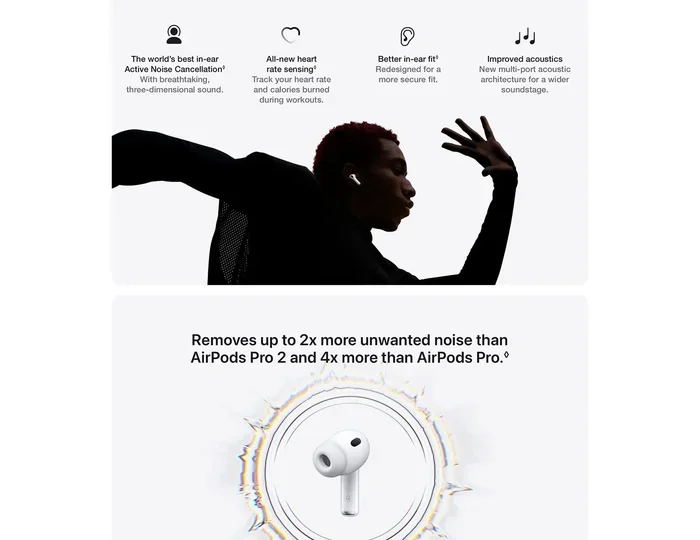
Featured image for Apple EarPods noise cancellation feature
Image source: m.media-amazon.com
Apple EarPods do not have active noise cancellation (ANC). They rely solely on passive noise isolation from their physical fit. For true noise cancellation, you need AirPods Pro or AirPods Max, which use advanced ANC technology to block external sounds effectively.
Imagine you’re on a crowded subway, desperately trying to enjoy your favorite podcast. The train screeching, people chatting, and announcements blaring all fight for your attention. You reach for your Apple EarPods, hoping for that magical silence premium headphones promise. But do these classic white earbuds actually cancel noise?
Here’s the straightforward answer: Apple EarPods do not have noise cancellation. Not the wired version with the 3.5mm jack. Not the Lightning connector version. Not even the wireless charging case version. They simply weren’t designed with that technology built in.
This surprises many Apple fans because EarPods look similar to AirPods. They share that iconic white design and the Apple logo. But under the hood, they’re quite different. Think of it like two cars from the same manufacturer. One is a basic sedan with manual windows. The other is a luxury model with all the bells and whistles. Same brand, totally different feature sets.
In this comprehensive guide, we’ll break down everything you need to know about EarPods and noise cancellation. You’ll learn what EarPods actually offer, how they compare to AirPods Pro and AirPods Max, and what alternatives exist if noise cancellation matters to you. Let’s dive in and clear up the confusion once and for all.
Key Takeaways
- EarPods Lack Active Noise Cancellation: Standard EarPods (both wired and wireless versions) do not have built-in ANC technology.
- Passive Isolation Only: EarPods provide minimal noise reduction through their physical design, not electronic noise-canceling features.
- AirPods Pro and Max Have ANC: Apple’s premium earbuds use Active Noise Cancellation with multiple microphones and processors.
- Wired vs. Wireless EarPods: Neither version includes noise cancellation, despite the Lightning and 3.5mm connector options.
- Price Reflects Features: EarPods are budget-friendly because they skip advanced audio technologies found in pricier AirPods.
- Best Budget Noise Solution: Third-party in-ear headphones with silicone tips offer better passive isolation than EarPods.
- Transparency Mode Alternative: AirPods Pro and newer models offer Transparency Mode, letting you hear surroundings when needed.
📑 Table of Contents
- Understanding Apple EarPods: The Basics
- Active Noise Cancellation Explained Simply
- EarPods vs. AirPods: The Feature Comparison
- Why Apple Didn’t Add Noise Cancellation to EarPods
- Alternatives for Budget Noise Cancellation
- Making the Right Choice for Your Needs
- Common Misconceptions About EarPods
- The Bottom Line on EarPods and Noise Cancellation
Understanding Apple EarPods: The Basics
Before we explore noise cancellation specifically, let’s understand what EarPods actually are. Apple introduced EarPods back in September 2012 alongside the iPhone 5. They replaced the old circular earbuds that came with earlier iPhones. The new design was based on the shape of the ear canal, according to Apple’s research.
EarPods come in three main versions today. The wired version uses a traditional 3.5mm headphone jack. The Lightning version connects through Apple’s proprietary Lightning port. There’s also a version with a wireless charging case that looks nearly identical to AirPods but costs less.
What Makes EarPods Different from Regular Earbuds?
Apple designed EarPods with a unique shape that rests in the outer ear rather than plugging into the ear canal. This is a crucial distinction. Most noise-isolating earbuds use silicone or foam tips that create a seal inside your ear canal. EarPods simply rest against the outer ear opening.
Think of it like the difference between covering your ears with your hands versus plugging them with your fingers. Your hands reduce some sound, but your fingers (creating a seal) block much more. EarPods are like the hands approach. They don’t create any seal.
According to Apple’s official specifications, EarPods include a built-in remote for volume control and microphone capabilities. They feature a custom speaker design that Apple claims delivers deeper bass and better overall sound. But nowhere in the specs does it mention noise cancellation.
The Physical Design and Noise Interaction
EarPods have a hard plastic construction. They don’t seal your ear canal. This means outside sounds mix with whatever you’re listening to. In quiet rooms, this isn’t a problem. Your music sounds clear and detailed. But in noisy environments, you’ll notice it right away.
Many users find they need to crank up the volume on EarPods to overcome background noise. This isn’t great for your hearing long-term. The World Health Organization estimates that 1.1 billion young people worldwide are at risk of hearing loss due to unsafe listening practices. Turning up music to drown out noise is a major contributor.
Did you know that the human ear can handle sounds up to about 120 decibels before pain occurs? Prolonged exposure to sounds above 85 decibels can cause permanent hearing damage. Subway trains typically operate at 80-95 decibels. Without proper noise isolation, you’d need your music louder than safe levels just to hear it clearly.
Active Noise Cancellation Explained Simply
Now let’s talk about what noise cancellation actually is. Many people confuse passive noise isolation with active noise cancellation. They’re completely different technologies working in opposite ways.
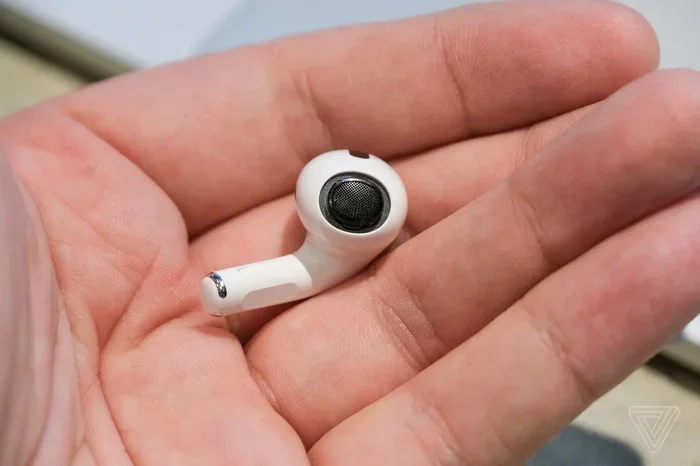
Visual guide about Apple EarPods noise cancellation feature
Image source: platform.theverge.com
Passive Noise Isolation: The Simple Approach
Passive noise isolation is just a fancy term for physically blocking sound. When you put your hands over your ears, that’s passive isolation. When you plug your ears with earplugs, that’s passive isolation too. Any headphone that creates a physical barrier between your ears and the outside world provides some passive isolation.
EarPods provide a tiny amount of passive isolation. Their shape blocks some direct sound from entering your ear. But because they don’t seal the ear canal, most external noise passes right through. Studies suggest EarPods reduce outside noise by maybe 5-10 decibels at best. That’s barely noticeable in loud environments.
Compare this to in-ear monitors with proper silicone tips. Quality in-ear headphones can reduce noise by 20-30 decibels just from their physical seal. That’s a huge difference you can definitely notice.
Active Noise Cancellation: The Smart Technology
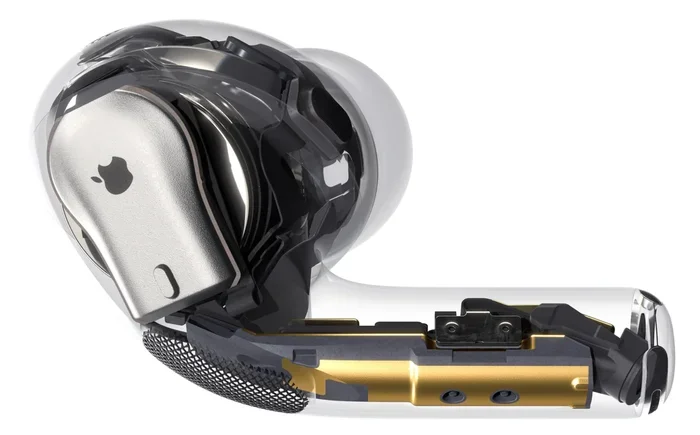
Active Noise Cancellation (ANC) is pure technological wizardry. It uses tiny microphones to listen to outside sounds. Then it creates inverse sound waves that cancel out the noise. It’s like throwing a ball and another ball at the exact same speed in the opposite direction. They collide and stop.
Here’s a simple analogy. Imagine you’re in a room with a dripping faucet. The drip-drip-drip is annoying. Now imagine someone playing the exact opposite sound pattern through speakers. The two sounds meet and basically disappear. That’s how ANC works, but with continuous background noise like airplane engines or air conditioners.
ANC requires several key components working together:
- Microphones: Tiny mics both inside and outside the earbuds to capture ambient sound
- Processor: A dedicated chip that analyzes sound waves in real-time
- Speakers: The drivers that play the anti-noise sound waves
- Battery Power: ANC needs significant power to run continuously
EarPods have none of these dedicated ANC components. They have a microphone for calls, but it’s not designed for noise cancellation. They lack the processor. They lack the necessary battery capacity. They simply weren’t built for this feature.
How Effective Is Active Noise Cancellation?
Modern ANC technology is remarkably effective. Premium headphones can reduce ambient noise by 20-30 decibels. Some high-end models claim even better reduction in specific frequency ranges.
Apple’s AirPods Pro, for example, use ANC combined with their silicone tip seal. The result is noise cancellation so effective that reviewers consistently praise it. The technology particularly excels at reducing low-frequency sounds. Think airplane engine hum, bus motors, and air conditioning rumble. These constant, droning noises basically disappear.
Did you know that Apple’s H2 chip in AirPods Pro 2 performs 48,000 operations per second for noise cancellation? That’s serious computational power dedicated to creating silence. EarPods don’t have anything close to this processing capability.
EarPods vs. AirPods: The Feature Comparison
Let’s directly compare EarPods and AirPods across noise-related features. This will help you understand exactly what you’re getting (and not getting) with each option.
Visual guide about Apple EarPods noise cancellation feature
Image source: executivetraveller.com
The EarPods Lineup
The current EarPods family includes three models. All three lack active noise cancellation:
1. EarPods with 3.5mm Headphone Plug: The classic wired version. Connects to any standard headphone jack. Uses no battery (draws power from your device). Has no noise cancellation of any kind.
2. EarPods with Lightning Connector: The wired version for newer iPhones without headphone ports. Same audio quality and same lack of noise cancellation. Just a different connector.
3. EarPods (Wireless Charging Case): These look almost identical to AirPods but cost less. They include a charging case and connect wirelessly via Bluetooth. They have the same hard plastic design. No noise cancellation.
None of these versions include ANC. None have silicone tips. None create a seal in your ear. They’re essentially basic earbuds with Apple’s design aesthetic.
The AirPods Lineup with ANC
Here’s where noise cancellation enters the picture. Currently, Apple offers ANC in these products:
AirPods Pro (2nd generation): These feature Apple’s H2 chip, custom high-excursion Apple drivers, and adaptive ANC. They include silicone tips in multiple options for proper sealing. They also offer Transparency Mode and Adaptive Audio.
AirPods Pro (1st generation): Still available at lower prices. Uses the H1 chip with effective ANC. Same general feature set as the newer model.
AirPods Max: Apple’s over-ear headphones. Premium build quality. Excellent ANC. Spatial Audio support. Very expensive but exceptional noise cancellation.
AirPods 4 with Active Noise Cancellation: Apple’s latest earbuds offer an open-ear design with ANC capabilities, though less effective than the Pro version due to the non-sealing design.
The key difference? ANC-enabled AirPods use Apple’s proprietary silicon (H1 or H2 chips) specifically designed for audio processing. They have multiple microphones dedicated to noise cancellation. They have the battery capacity to power all this technology. EarPods have none of this.
Price Reflects Technology
Here’s something interesting. EarPods typically cost between $20-$30 depending on the version. AirPods Pro 2 retail for $249. That price difference exists for good reason.
The ANC technology alone costs significantly to implement. Add the custom processors, extra microphones, premium drivers, and silicone tips, and you’re looking at substantially more expensive components. Apple prices their products according to the technology inside.
But here’s the thing. Even at $20, they serve a market. People who want simple earbuds for casual listening. People who prefer the open-ear design because they need to hear their surroundings. People on tight budgets. There’s nothing wrong with choosing EarPods. Just know what you’re getting.
Why Apple Didn’t Add Noise Cancellation to EarPods
You might wonder why Apple didn’t just add ANC to EarPods. They have the technology. Why not include it everywhere? There are several practical and technical reasons.
Battery Life Concerns
ANC is power-hungry. The constant processing, microphone operation, and anti-noise generation drains batteries quickly. Even premium AirPods Pro only get about 6 hours of listening time with ANC on. Without ANC, AirPods last about 7 hours. That small difference shows how much power ANC consumes.
Imagine if EarPods had ANC but only lasted 2-3 hours per charge. People would complain constantly. By keeping EarPods simple, Apple ensures longer battery life (though the wired versions have unlimited power from your device).
The Form Factor Challenge
EarPods use an open-ear design that doesn’t seal the ear canal. ANC works best with proper sealing. Without a seal, anti-noise waves mix with external noise before reaching your eardrum. This makes ANC far less effective.
Apple could theoretically add ANC to EarPods. But the results would disappoint users. The technology requires that seal to work properly. That’s why ANC headphones almost universally use either in-ear designs with silicone tips or over-ear designs with cushioned cups.
Market Segmentation Strategy
Apple is a business. They make more money selling multiple products at different price points than they would selling one perfect product. The EarPods/AirPods/AirPods Pro lineup covers every price range from $20 to $549.
Adding ANC to EarPods would cannibalize AirPods Pro sales. Why would someone pay $249 for AirPods Pro if $30 EarPods had the same noise cancellation? They wouldn’t. Apple knows this. They’ve structured their product lineup to encourage upgrades.
It’s the same reason Toyota makes both the Corolla and the Camry. Different features, different prices, different customers. Apple uses the same strategy with their earbuds.
Target User Differences
EarPods target casual users who want simple, affordable earbuds. AirPods Pro target commuters, travelers, and audio enthusiasts who demand premium features. These are different markets with different needs.
Casual users might prefer EarPods because they let you hear your surroundings. Walking through a city? You probably want to hear traffic and announcements. Working in an office? Maybe you need to hear when someone calls your name. EarPods suit these use cases perfectly.
ANC exists to block the world out. That’s the opposite of what some EarPods users want. Apple recognized this and designed their product line accordingly.
Alternatives for Budget Noise Cancellation
So EarPods don’t have noise cancellation. AirPods Pro are expensive. What are your options if you want noise reduction without breaking the bank?
Third-Party ANC Earbuds
The market is flooded with quality ANC earbuds at various prices. Some notable options include:
Anker Soundcore Liberty 4: Around $100. Effective ANC. Good sound quality. Multiple tip sizes included.
Sony WF-C700N: Around $120. Industry-leading ANC technology. Compact design. Reliable performance.
JBL Tune Beam: Around $100. Decent noise cancellation. Solid battery life. User-friendly controls.
These options prove that ANC doesn’t require spending $250. You can get effective noise cancellation for $100 or less if you shop smart.
In-Ear Headphones with Good Passive Isolation
If you mainly want noise reduction without electronic ANC, consider in-ear headphones with silicone tips. These create a physical seal that blocks significant noise.
Options include:
- Comply Foam Tips: Memory foam tips that conform to your ear canal for excellent isolation
- Silicone Tip Replacements: Third-party tips that fit various earbuds
- Wired IEMs (In-Ear Monitors): Professional-grade earbuds with great passive isolation
Did you know that proper-fitting in-ear monitors can provide up to 35 decibels of noise reduction? That’s comparable to many ANC systems, just through physical means alone.
Earplugs for Extreme Situations
Sometimes you need serious noise reduction. Construction workers, factory employees, and concert-goers understand this. For these situations, consider dedicated earplugs or musician’s earplugs.
These reduce noise by 20-35 decibels while preserving sound quality. They’re not for music listening but work great for protecting your hearing in loud environments.
The Hybrid Approach
Here’s a pro tip. You can use EarPods with over-ear hearing protection in extremely loud environments. It sounds weird, but it works for industrial settings or very loud events. The EarPods play your audio while the hearing protection handles the noise.
This isn’t practical for everyday use. But it’s worth knowing about for those occasional extremely noisy situations.
Making the Right Choice for Your Needs
Now that you understand EarPods don’t have noise cancellation, how do you decide what to buy? Let’s break it down by use case.
For the Casual Listener
If you primarily use earbuds at home, in quiet offices, or for short commutes, EarPods work fine. They’re affordable, comfortable for many people, and provide decent sound quality for the price.
You won’t get noise cancellation. But you also won’t pay for features you don’t need. For someone who just wants to listen to podcasts while doing dishes or take calls while walking, EarPods deliver exactly that.
The $20-$30 price point is hard to beat for basic functionality.
For the Commuter
If you spend significant time on public transit, ANC is worth the investment. The reduction in background noise makes music more enjoyable, podcasts clearer, and commutes less stressful.
For commuting, AirPods Pro 2 are excellent. Third-party options at lower prices also serve well. EarPods would require higher volumes that could damage your hearing over time.
For the Frequent Flyer
Airplane noise is brutal. Constant engine roar for hours can destroy your music listening experience. ANC is essentially mandatory for frequent flyers.
AirPods Pro or AirPods Max are popular choices. But any quality ANC headphones work. The noise reduction makes flights bearable, especially on long journeys.
For the Remote Worker
Working from home has its own noise challenges. Kids, pets, neighbors, construction sounds. ANC helps you focus during important calls or deep work sessions.
AirPods Pro work great for video calls with their noise reduction. The Transparency Mode lets you hear when someone needs you. EarPods would pick up more background noise during calls.
For the Audiophile
If sound quality is your top priority, you probably want over-ear headphones anyway. The AirPods Max or dedicated audiophile headphones serve better than any earbuds.
EarPods aren’t designed for critical listening. They serve convenience, not audio perfection. Accept them for what they are: convenient, affordable, basic earbuds.
Common Misconceptions About EarPods
Several myths surround EarPods and their capabilities. Let’s address the most common ones.
Myth 1: EarPods Cancel Noise When Music Is Playing
Some people believe that playing music through EarPods cancels noise. This isn’t true. Playing music might mask some background sounds, but it doesn’t cancel them. Your brain just focuses on the music instead of the noise.
This is called auditory masking. It’s not the same as noise cancellation. With masking, you choose to focus on one sound over another. With cancellation, the unwanted sound is actually reduced at the physical level.
Playing music to drown out noise is actually harmful long-term. You need higher volumes to overcome background sounds, which damages your hearing.
Myth 2: The Newer EarPods Have Hidden ANC
Some users insist that newer EarPods have ANC that Apple just doesn’t advertise. This is false. Apple’s product specifications clearly list all features. If EarPods had ANC, Apple would market it heavily. ANC is a premium feature that justifies higher prices.
The confusion likely comes from confusing EarPods with AirPods. They look similar. The naming is similar. But the features are different.
Myth 3: EarPods Block Noise Better Than They Actually Do
People sometimes claim EarPods block significant noise. In reality, their passive isolation is minimal. The hard plastic doesn’t seal the ear canal, so most sounds pass through unimpeded.
If EarPods seemed to block noise well, you were probably in a quiet environment already. Or you turned up the volume to mask background sounds.
Myth 4: All Apple Earbuds Are the Same
This couldn’t be further from the truth. EarPods, AirPods, AirPods Pro, and AirPods Max are distinctly different products. They share Apple’s design philosophy but offer vastly different features and price points.
Understanding these differences helps you make informed purchasing decisions. Don’t assume that because something has an Apple logo, it has all Apple’s premium features.
The Bottom Line on EarPods and Noise Cancellation
Let’s wrap this up with crystal-clear takeaways. Apple EarPods do not have noise cancellation. Period. This applies to every version currently sold: the 3.5mm wired version, the Lightning wired version, and the wireless charging case version. None of them include active noise cancellation technology.
What they do offer is the classic Apple design, decent sound quality for the price, and reliable functionality. They’re entry-level earbuds designed for casual use. They excel at that role.
If noise cancellation matters to you, you need to look at AirPods Pro, AirPods Max, or third-party ANC headphones. The technology requires specific hardware that EarPods simply don’t include. Microphones for capturing ambient sound. Processors for generating anti-noise waves. Battery capacity to power continuous ANC operation. Proper sealing in the ear for maximum effectiveness.
Here’s your decision framework: Buy EarPods if you want affordable, simple earbuds for casual use and don’t need noise cancellation. Buy AirPods Pro or similar ANC earbuds if you commute, travel, work in noisy environments, or value immersive listening experiences. There’s no shame in either choice. Just choose based on your actual needs and budget.
The truth about EarPods and noise cancellation is simple: they were never designed for it, they don’t have it, and they don’t claim to have it. They’re just simple, well-designed earbuds that serve their intended purpose reasonably well. Know what you’re buying, set appropriate expectations, and you’ll be satisfied with whatever Apple earbuds you choose.
Frequently Asked Questions
Do Apple EarPods have any noise cancellation at all?
No, Apple EarPods do not have active noise cancellation. They provide only minimal passive noise isolation through their physical design, which is limited because they don’t seal the ear canal. For true noise cancellation, you need AirPods Pro or AirPods Max.
What’s the difference between EarPods and AirPods for noise blocking?
EarPods have no noise cancellation features and use a hard plastic design that doesn’t seal your ear. AirPods Pro include Active Noise Cancellation with silicone tips that create a proper seal, plus Transparency Mode for hearing your surroundings when desired.
Are wireless EarPods the same as AirPods?
No, they are different products despite similar looks. Wireless EarPods lack active noise cancellation, spatial audio, and adaptive features. AirPods Pro include all these advanced technologies along with better sound quality and a proper in-ear seal.
Can I make my EarPods cancel noise using software or apps?
No, you cannot add noise cancellation to EarPods through software or apps. Active noise cancellation requires specific hardware components including dedicated microphones, processing chips, and battery power that EarPods don’t have built into their design.
Which Apple earbuds have the best noise cancellation?
AirPods Pro 2nd generation currently have the most advanced noise cancellation in Apple’s earbuds lineup, using the H2 chip. AirPods Max over-ear headphones also offer excellent ANC. AirPods 4 with ANC provides decent but less effective cancellation due to its open-ear design.
Are EarPods worth buying without noise cancellation?
EarPods are worth buying if you need affordable, simple earbuds for casual use in quiet environments. They’re ideal for people who prefer hearing their surroundings. However, for commuting, travel, or noisy environments, spending more on ANC earbuds is a better investment for both audio quality and hearing protection.