AirPods 4 do come with noise cancellation, but only in the premium version. Apple released two AirPods 4 models in September 2024: a standard version and a higher-tier version with Active Noise Cancellation (ANC). The ANC model costs $179, while the standard version retails at $129. Both share the same design, H2 chip, and audio quality, but only the pricier option blocks outside noise.
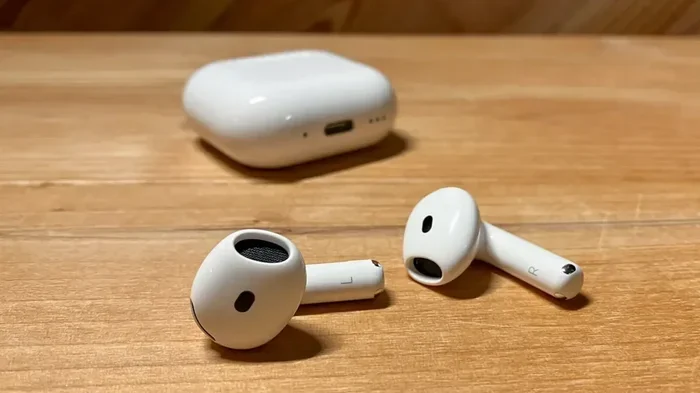
Featured image for AirPods 4 noise cancellation
Image source: sm.pcmag.com
Picture this: you’re sitting on a crowded subway, the train screeching, people chatting loudly, your phone buzzing with notifications. You pop in your earbuds and… everything goes quiet. That’s the magic of noise cancellation, and it’s the one feature many people look for when buying new earbuds.
When Apple dropped the AirPods 4 in September 2024, fans immediately asked one big question: do AirPods 4 come with noise cancellation? The answer isn’t a simple yes or no. Apple actually released two versions of the AirPods 4, and the noise-canceling feature only ships with the more expensive option. This split has left many shoppers confused about which pair to buy.
In this guide, we’ll break down everything you need to know about AirPods 4 and noise cancellation. We’ll cover the differences between both models, explain how the technology works, and help you decide which version fits your life best. Whether you’re a daily commuter, a remote worker, or someone who just loves good audio, you’ll find clear answers here.
Key Takeaways
- Two Models Exist: Apple sells two AirPods 4 versions, with ANC being exclusive to the $179 model.
- Active Noise Cancellation Uses the H2 Chip: The H2 processor powers ANC by analyzing sound 48,000 times per second.
- ANC Includes Three Modes: Active Noise Cancellation, Transparency, and Adaptive Audio work together for a smarter listening experience.
- Standard AirPods 4 Offer Passive Noise Reduction: The $129 model isolates sound through its redesigned earbud shape alone.
- Battery Life Differs Slightly: ANC mode reduces listening time by about one hour compared to the standard model.
- USB-C Charging Case Included: Both versions feature a USB-C case, but only the ANC model supports wireless charging.
- Best for Commuters and Travelers: ANC AirPods 4 shine in noisy environments like airplanes, trains, and busy offices.
📑 Table of Contents
- Understanding the AirPods 4 Lineup
- How Active Noise Cancellation Works on AirPods 4
- Standard AirPods 4: What You Get Without ANC
- AirPods 4 with ANC: Premium Features Worth the Price?
- Comparing AirPods 4 to AirPods Pro 2 and AirPods 3
- Practical Tips for Getting the Most from AirPods 4 ANC
- The Verdict: Are AirPods 4 with Noise Cancellation Worth It?
Understanding the AirPods 4 Lineup
Apple shook up its earbud game in September 2024 by launching not one, but two AirPods 4 models at the same time. This was a first for the AirPods family. Before this launch, each generation had a single base model plus a “Pro” version sold separately. With AirPods 4, Apple merged those tiers in a clever way.
The Two Versions Explained
Think of it like buying a car. You can get the base model that drives you from point A to point B, or you can pay more for the premium trim with heated seats and a sunroof. Both cars have the same engine, but the extras change the experience.
The two AirPods 4 models are:
- AirPods 4 (Standard): Priced at $129, this model includes the new design, H2 chip, and improved sound quality but skips noise cancellation.
- AirPods 4 with Active Noise Cancellation: Priced at $179, this model adds ANC, Transparency mode, Adaptive Audio, and a wireless charging case.
Both versions share the same physical shape, drivers, and core features. The differences sit in the smart audio processing and the charging case. This setup gives buyers more choice without forcing everyone to pay for premium features they don’t need.
Why Apple Split the Lineup
Before AirPods 4, Apple sold AirPods 2, AirPods 3, and AirPods Pro as separate products. That created a confusing lineup where the older models often outsold the newer ones because they were cheaper. By streamlining to two AirPods 4 options, Apple simplified the buying decision. Customers now choose between “basic” or “with noise cancellation,” which is much easier to understand.
According to Apple’s September 2024 keynote, the company wanted to bring ANC to a wider audience without raising the entry-level price. The standard AirPods 4 stays affordable at $129, while the ANC model offers premium features at a lower cost than the AirPods Pro 2, which retails at $249.
How Active Noise Cancellation Works on AirPods 4
Noise cancellation sounds like magic, but it’s really just clever physics. Imagine you’re standing in a room with a loud fan. Now imagine someone playing a sound that’s the exact opposite of the fan’s noise through a speaker. The two sounds cancel each other out, leaving you in silence. That’s the basic idea behind Active Noise Cancellation.
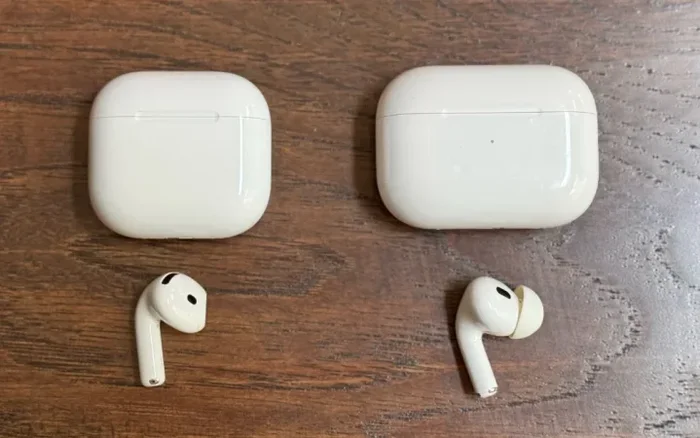
Visual guide about AirPods 4 noise cancellation
Image source: popsci.com
The Science Behind ANC
Your AirPods 4 with ANC contain tiny microphones both inside and outside each earbud. These microphones listen to the world around you thousands of times per second. When they detect unwanted noise like airplane engines or air conditioners, the H2 chip creates an “anti-noise” signal. This signal plays through the speaker and effectively cancels out the original sound before it reaches your ears.
Here’s a simple analogy: think of noise cancellation like bumping into someone while walking. If you both keep walking straight, you collide. But if one person steps to the left at the same time, you pass each other without touching. Anti-noise waves do the same thing with sound waves. They meet the noise and “step aside,” leaving quiet behind.
The H2 Chip’s Role
The H2 chip is the brain inside the ANC AirPods 4. According to Apple, this processor handles audio computations up to 48,000 times per second. That’s faster than you can blink your eye. This speed lets the earbuds react to changing noise in real time, whether you’re walking past a construction site or boarding a noisy train.
The H2 chip also powers three key listening modes:
- Active Noise Cancellation: Blocks outside noise completely for total focus.
- Transparency Mode: Lets outside sound in naturally so you can hear traffic or conversations without removing your earbuds.
- Adaptive Audio: Blends ANC and Transparency automatically based on your surroundings.
- Conversation Awareness: Lowers music volume when you start talking to someone.
These smart features make the ANC AirPods 4 feel like they “think” for you, adjusting to whatever environment you’re in.
What “Did You Know” About AirPods 4 ANC?
Did you know that active noise cancellation was first introduced in headphones way back in the 1980s? It was originally developed for pilots to reduce cockpit noise. Bose released the first commercial ANC headphones for consumers in 2000. Apple brought the technology to earbuds with the original AirPods Pro in 2019, and now it’s finally trickled down to the standard AirPods line with AirPods 4.
Another fun fact: the H2 chip in AirPods 4 is the same processor found in the AirPods Pro 2. This means you get flagship-level noise cancellation in a smaller, open-ear design without the silicone tips.
Standard AirPods 4: What You Get Without ANC
The $129 standard AirPods 4 don’t have Active Noise Cancellation, but that doesn’t mean they’re bare-bones. Apple gave them several upgrades that make them a solid choice for casual listeners.
Passive Noise Isolation
Even without ANC, the standard AirPods 4 reduce some outside noise through passive isolation. This happens naturally because the earbuds physically block your ear canal. The new AirPods 4 design features an updated shape that fits more securely than the AirPods 3, creating a better seal without silicone tips.
Think of passive isolation like putting your hands over your ears. You won’t block all sound, but you’ll muffle it. Standard AirPods 4 work the same way. They won’t silence a jet engine, but they’ll soften background chatter in a coffee shop.
Audio Quality Improvements
Both AirPods 4 versions share the same acoustic architecture. This includes:
- A custom Apple-designed driver for richer bass and clearer highs
- Personalized Spatial Audio with dynamic head tracking
- Adaptive EQ that tunes sound based on the fit in your ears
- Support for lossless audio when paired with Apple Vision Pro
For most people, these audio features matter more than noise cancellation. If you mostly listen in quiet environments like your home or office, the standard AirPods 4 deliver excellent sound at a lower price.
Who Should Buy Standard AirPods 4?
The standard model is perfect for:
- Students who study in libraries or dorm rooms
- Casual listeners who use earbuds at home
- People who prefer hearing their surroundings for safety
- Anyone on a budget who wants the latest AirPods design
If you’ve never owned noise-canceling earbuds before, you might not miss the feature. Many people happily use standard earbuds for years without ever wanting ANC.
AirPods 4 with ANC: Premium Features Worth the Price?
The $179 AirPods 4 with Active Noise Cancellation sit in a sweet spot between the standard AirPods 4 and the AirPods Pro 2. For $50 more than the base model, you get noise cancellation and a few extra perks. But is that $50 upgrade worth it?
Real-World ANC Performance
Let’s talk about how ANC actually performs in everyday situations. Reviews from major tech publications like The Verge, CNET, and Wired tested the AirPods 4 ANC in various environments. Here’s what they found:
In a busy office, the ANC AirPods 4 reduced keyboard clicks, air conditioning hum, and distant conversations by about 60-70%. That’s a significant drop that makes focusing much easier. On public transit, the earbuds handled bus engine rumble well, though they struggled slightly with sudden loud noises like screeching brakes.
Compared to AirPods Pro 2, the ANC is slightly less powerful because AirPods 4 don’t have silicone tips. The silicone tips create a tighter seal, which blocks more noise passively. But for open-ear earbuds, the AirPods 4 ANC performs impressively.
The Wireless Charging Case Difference
Here’s a feature many people overlook: only the ANC AirPods 4 include a wireless charging case. The standard model comes with a USB-C charging case that works only with cables. The ANC version’s case supports:
- USB-C wired charging
- Qi-certified wireless chargers
- Apple Watch chargers
If you already own a wireless charging pad or an Apple Watch, the ANC case is a nice convenience. You just drop the case on the pad and it charges. No fumbling with cables.
Battery Life Comparison
Battery life takes a small hit when ANC is active. Here’s how the two models stack up:
- Standard AirPods 4: Up to 5 hours of listening time per charge, up to 30 hours with the case.
- ANC AirPods 4: Up to 4 hours with ANC on (5 hours with ANC off), up to 20 hours with the case and ANC enabled.
The difference is about one hour of listening time when ANC is active. For most users, this won’t matter much. Four hours is enough for a typical commute or workout. But if you’re taking a long-haul flight, the standard model technically lasts longer.
Who Should Buy ANC AirPods 4?
The ANC version is a smart pick for:
- Frequent flyers who want quieter flights
- Commuters on buses, trains, or subways
- Office workers in open-plan environments
- Anyone who wants focus mode for studying or working
- People who already own wireless chargers
If you spend significant time in noisy places, the $50 upgrade pays for itself in peace and quiet.
Comparing AirPods 4 to AirPods Pro 2 and AirPods 3
To really understand where AirPods 4 fit, it helps to compare them to other AirPods models. Apple currently sells three main AirPods options, and each targets different buyers.
AirPods 4 vs. AirPods Pro 2
The AirPods Pro 2 retail at $249, which is $70 more than the ANC AirPods 4. For that extra money, you get:
- In-ear design with silicone tips for better passive isolation
- Slightly stronger noise cancellation
- Touch controls on the stem (swipe to adjust volume)
- Find My precision tracking with the case speaker
- Conversation Boost and other hearing accessibility features
However, the AirPods Pro 2 use the older H2 chip’s implementation in a different form factor. The AirPods 4 ANC share the same H2 chip but in an open-ear design. Some people prefer open-ear earbuds because they don’t feel as invasive as silicone tips. If you dislike the plugged-up feeling of in-ear earbuds, the AirPods 4 ANC are more comfortable while still offering noise cancellation.
AirPods 4 vs. AirPods 3
Apple discontinued the AirPods 3 when AirPods 4 launched. However, you might find AirPods 3 on sale at third-party retailers. Here’s how they compare:
- Design: AirPods 4 have a more refined, shorter stem and better fit.
- Chip: AirPods 4 use the H2 chip; AirPods 3 used the H1 chip.
- Features: AirPods 4 support Personalized Spatial Audio and Adaptive EQ.
- Charging: AirPods 4 use USB-C; AirPods 3 used Lightning.
Unless you find AirPods 3 at a deep discount, the AirPods 4 are the better buy. They offer more features and future-proof USB-C charging.
AirPods 4 vs. Other Brands
How do AirPods 4 stack up against competitors? Brands like Sony, Bose, and Samsung all offer ANC earbuds in similar price ranges. Here’s a quick comparison:
- Sony WF-C700N: $120, includes ANC and ambient mode. Better ANC than AirPods 4 standard but no Apple ecosystem benefits.
- Bose QuietComfort Earbuds: $229, premium ANC but more expensive than AirPods 4 ANC.
- Samsung Galaxy Buds FE: $99, budget ANC option for Android users.
AirPods 4 ANC are competitively priced, but their biggest advantage is seamless integration with iPhones, iPads, and Macs. Features like instant pairing, automatic device switching, and Find My tracking work best within Apple’s ecosystem.
Practical Tips for Getting the Most from AirPods 4 ANC
Buying the right AirPods is just the start. To truly enjoy noise cancellation, you need to know how to use it well. Here are some practical tips that make a real difference.
Tip 1: Master the Force Sensor
AirPods 4 use a force sensor on the stem, not a touch surface. You press the stem to control playback. A single press plays or pauses music. A double press skips forward. A long press switches between ANC and Transparency modes. Learning these gestures takes a few days, but they become second nature quickly.
Tip 2: Try Adaptive Audio for Daily Use
Many users leave ANC on all the time, but Adaptive Audio is often better for everyday listening. This mode automatically adjusts noise cancellation based on your environment. Walking past a quiet park? It lets sound in. Stepping into a loud café? It blocks noise out. You don’t have to think about it, and your ears don’t get fatigued from constant silence.
Tip 3: Customize Your Listening Experience
Open the Settings app on your iPhone, tap your AirPods 4, and explore the options. You can:
- Enable Personalized Spatial Audio by scanning your ear shape
- Adjust the press-and-hold speed for stem controls
- Rename your AirPods for easier identification
- Set up Find My to locate lost earbuds
Spending five minutes in these settings makes your AirPods feel custom-tailored to you.
Tip 4: Keep the Case Charged
The case holds multiple charges for your earbuds, but it needs power too. Get into the habit of charging the case every few days. The ANC model with wireless charging makes this effortless. Just place the case on a charging pad overnight, and it’s always ready to go.
Tip 5: Update Firmware Regularly
Apple releases firmware updates that improve ANC performance, fix bugs, and add features. Make sure your AirPods 4 stay updated by keeping them near your iPhone with Wi-Fi enabled. Updates install automatically in the background.
The Verdict: Are AirPods 4 with Noise Cancellation Worth It?
So, do AirPods 4 come with noise cancellation? Yes, but only if you buy the $179 version. The standard $129 AirPods 4 don’t include ANC. This split pricing gives you a meaningful choice: save $50 and skip noise cancellation, or spend a bit more for a premium experience.
For most people in noisy environments, the ANC AirPods 4 are worth the extra cost. The ability to silence a chatty office, a rumbling train, or a loud gym transforms how you listen to music, podcasts, and calls. Once you’ve experienced good noise cancellation, it’s hard to go back.
However, if you mostly listen in quiet spaces or prefer hearing your surroundings for safety, the standard AirPods 4 are excellent. They offer the same great sound, modern design, and Apple ecosystem benefits at a lower price.
Ultimately, both AirPods 4 models are winners. Your choice depends on your budget and how much you value silence. Either way, you’re getting some of the best earbuds Apple has ever made.
Frequently Asked Questions
Do all AirPods 4 models have noise cancellation?
No, only the AirPods 4 with Active Noise Cancellation ($179) include this feature. The standard AirPods 4 ($129) do not have ANC and rely on passive noise isolation through their earbud shape alone.
How does noise cancellation work on AirPods 4?
The AirPods 4 ANC use built-in microphones to detect outside noise. The H2 chip then creates an anti-noise signal that cancels out unwanted sounds before they reach your ears. This process happens up to 48,000 times per second for real-time noise reduction.
Can I turn off noise cancellation on AirPods 4?
Yes, you can switch between Active Noise Cancellation, Transparency mode, and Adaptive Audio by pressing and holding the force sensor on the stem. You can also control these modes from your iPhone’s Control Center or Settings app.
Are AirPods 4 ANC as good as AirPods Pro 2?
The AirPods Pro 2 offer slightly stronger noise cancellation because they use silicone tips for a tighter seal. However, the AirPods 4 ANC perform impressively for open-ear earbuds and cost $70 less than the Pro 2.
What’s the battery life of AirPods 4 with ANC?
AirPods 4 with ANC provide up to 4 hours of listening time with noise cancellation enabled, or up to 5 hours with ANC turned off. The charging case extends total listening time to around 20 hours with ANC on.
Do AirPods 4 ANC work with Android phones?
Yes, AirPods 4 ANC connect to Android devices via Bluetooth. However, some features like Personalized Spatial Audio, Adaptive Audio, and automatic device switching work only when paired with Apple devices like iPhones, iPads, or Macs.