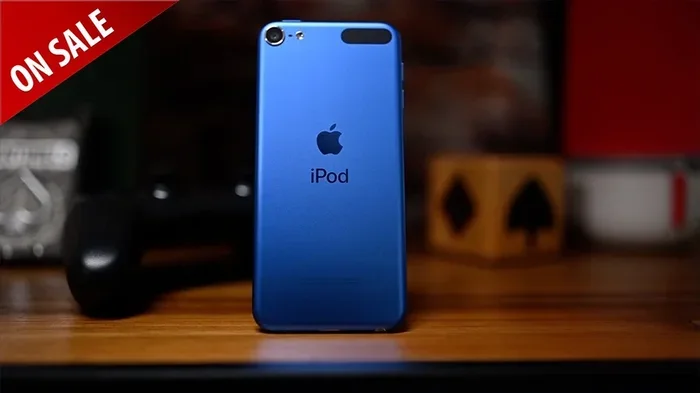
Featured image for Apple iPod sale display
Image source: photos5.appleinsider.com
Apple rarely offers direct sales on iPods, preferring to maintain premium pricing across their product lineup. However, shoppers can find discounts through authorized retailers, seasonal promotions, and refurbished products directly from Apple’s website. The iPod Touch was discontinued in 2022, making any remaining units increasingly valuable for collectors and budget-conscious buyers seeking Apple ecosystem access.
Picture this: you’re scrolling through Apple’s website, eyeing that sleek iPod Touch you’ve been dreaming about, and you wonder if waiting for a sale might save you some cash. It’s a smart question that millions of shoppers ask every year. After all, who doesn’t love getting a deal on premium tech?
Here’s the thing most people don’t realize. Apple has built its empire on a pricing strategy that rarely bends. The company believes that consistent pricing protects the value of its brand. Think of it like a fancy restaurant that never offers coupons. The food is priced the same whether you come on a Tuesday or a Saturday. Apple treats its products the same way, including iPods.
But don’t close your browser tab just yet. While Apple itself doesn’t run traditional sales on iPods, there are legitimate ways to find discounts if you know where to look. This guide will walk you through everything you need to know about iPod pricing, where to find deals, and what the future holds for these iconic devices.
Key Takeaways
- Apple’s Premium Pricing Philosophy: Apple almost never discounts new iPods, maintaining consistent pricing to protect brand value and profit margins.
- Discontinued Product Status: The iPod Touch was officially discontinued in May 2022, meaning new stock is limited to remaining inventory.
- Authorized Retailer Discounts: Stores like Best Buy, Amazon, and Target often offer iPods below Apple’s original retail price.
- Refurbished Options Exist: Apple’s Certified Refurbished store occasionally features iPod models with warranty protection at 15-20% savings.
- Seasonal Sale Opportunities: Black Friday, Prime Day, and back-to-school sales yield the best iPod discounts from third-party sellers.
- Alternative Devices: Since the iPod’s discontinuation, Apple has redirected users toward iPhones, iPads, and AirPods for portable music needs.
- Collector Value Rising: Discontinued iPods are becoming collectible items, potentially increasing in value over time rather than decreasing.
📑 Table of Contents
- Understanding Apple’s Pricing Strategy for iPods
- The Current State of iPod Sales in 2024 and Beyond
- Authorized Retailers and Third-Party Discounts
- Apple’s Refurbished Store and Alternative Savings
- Comparing iPod Prices Across Different Channels
- The Future of iPods and What It Means for Buyers
- Making Smart iPod Purchase Decisions
Understanding Apple’s Pricing Strategy for iPods
Apple’s approach to pricing is like a well-rehearsed symphony. Every note has its place, and the company rarely improvises. When you visit Apple’s online store or walk into one of their retail locations, you’ll notice something interesting. The prices you see today will likely be the same prices you’ll see tomorrow, next week, and next month.
Why Apple Avoids Traditional Sales
Apple’s reluctance to discount products stems from a business philosophy developed over decades. The company understands that frequent sales can signal desperation or overpricing. Instead, Apple positions its products as premium items worth their stated price.
Think of Apple like a luxury car brand. BMW doesn’t put its vehicles on clearance every few months because doing so would cheapen the brand. Apple operates with similar thinking. The company believes that if customers know a product will be discounted later, they’ll simply wait, which hurts cash flow and brand perception.
Did You Know? Apple’s gross margin on hardware products typically ranges between 35-40%. This healthy profit margin means the company doesn’t need to run sales to move inventory. They can afford to wait for full-price buyers.
The Psychology Behind Consistent Pricing
There’s actually fascinating psychology behind why companies like Apple maintain steady prices. When shoppers see consistent pricing, they develop trust. They believe the company is honest and the product is worth what it’s priced at. This trust translates into customer loyalty and willingness to pay full price.
Compare this to brands that constantly run sales. Customers learn to never pay full price because something is always “on sale.” The actual value becomes confusing, and customers feel like they’re being manipulated. Apple avoids this trap entirely by simply not running frequent discounts.
The Current State of iPod Sales in 2024 and Beyond
Here’s where things get interesting. If you’re hunting for an iPod deal, you need to understand that the landscape has changed dramatically. The iPod Touch, which was the last iPod model Apple produced, was officially discontinued in May 2022.
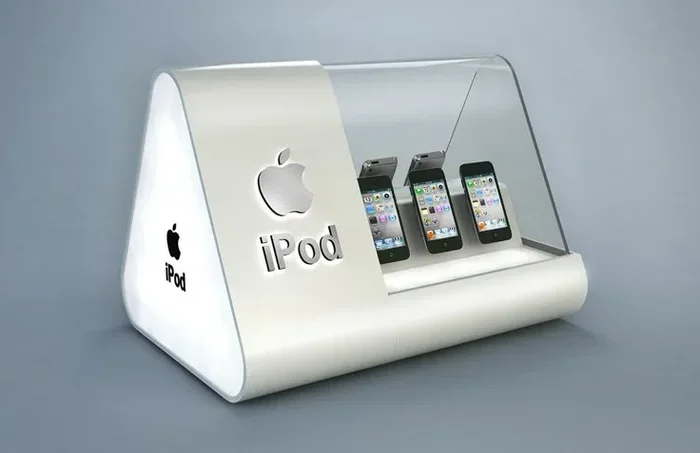
Visual guide about Apple iPod sale display
Image source: i.pinimg.com
What Discontinuation Means for Buyers
When Apple discontinues a device, it doesn’t mean existing units vanish overnight. Retailers who had inventory continue selling until supplies dry up. However, once those supplies are gone, they are gone forever. No new iPods are being manufactured.
This creates an interesting situation for shoppers. On one hand, you might find better discounts as retailers try to clear remaining stock. On the other hand, iPods are becoming collectible items. Some models are actually increasing in value rather than decreasing.
Did You Know? According to collector markets, sealed first-generation iPods from 2001 have sold for over $25,000 at auction. Even used iPod Classic models from the mid-2000s are appreciating in value among collectors.
Where to Find Remaining iPod Inventory
You can still find iPod Touch models at various retailers, though selection is shrinking. Big box stores like Best Buy, Walmart, and Target may have limited stock. Online marketplaces like Amazon and eBay feature both new and used options. Apple’s own website no longer sells iPods directly, having removed them after selling through their last batch of inventory.
The shrinking supply creates urgency. If you find a new iPod Touch at retail price, it’s worth considering whether to buy it now or wait for a discount that may never come. As stock diminishes, prices actually tend to rise rather than fall.
Authorized Retailers and Third-Party Discounts
While Apple itself doesn’t run sales, authorized retailers absolutely do. These stores buy iPods from Apple at wholesale prices and set their own retail prices. They’re free to discount whenever they want, which creates opportunities for savvy shoppers.
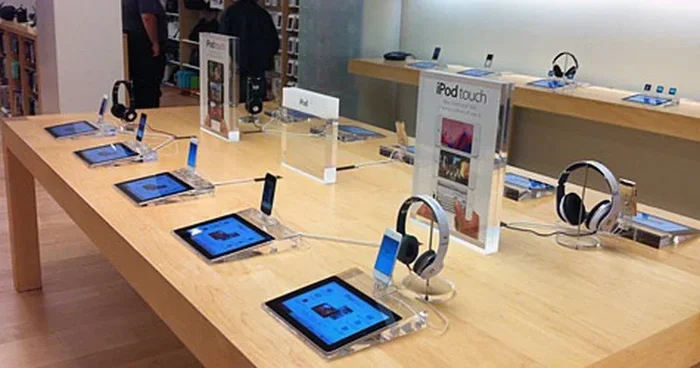
Visual guide about Apple iPod sale display
Image source: images.macrumors.com
Major Retailers That Discount iPods
Several major retailers regularly offer iPods below Apple’s original retail price. Best Buy frequently runs promotions, especially around major shopping holidays. Amazon competes aggressively on price and often has the lowest available price. Target occasionally includes iPods in their electronics sales. Walmart maintains competitive pricing year-round on many Apple products.
Here’s a practical tip that can save you real money. Sign up for email alerts from these retailers. When iPods go on sale, you’ll know immediately. Many shoppers miss great deals simply because they weren’t paying attention when prices dropped.
Seasonal Sale Patterns
Retailers follow predictable patterns when discounting electronics. Understanding these patterns helps you time your purchase perfectly. Black Friday in late November typically offers the deepest discounts of the year. Cyber Monday extends these savings for online shoppers. Prime Day in July offers Amazon-exclusive deals. Back-to-school sales in August target students and parents.
Beyond these major events, retailers run smaller promotions throughout the year. Memorial Day, Labor Day, and Presidents Day sales often include electronics. End-of-season clearances can yield unexpected bargains as stores make room for incoming product lines.
Did You Know? Research shows that the average consumer could save between 10-20% on iPods by timing purchases around major sale events rather than buying at random times. That savings adds up significantly on premium electronics.
Apple’s Refurbished Store and Alternative Savings
Apple operates a Certified Refurbished store that’s often overlooked by budget-conscious shoppers. This isn’t a third-party refurbishment operation. Apple itself restores these products to like-new condition, complete with new batteries and outer shells.
How Apple Refurbished Works
When you buy from Apple’s refurbished store, you get a product that has been thoroughly tested and certified by Apple technicians. These devices come with a full one-year warranty, just like new products. The packaging includes all original accessories and documentation. In many cases, you literally cannot tell the difference between a refurbished unit and a new one.
The discount on refurbished products typically ranges from 15-20% off the original retail price. This isn’t a massive discount, but it’s real savings on an Apple product with full warranty coverage.
One catch to keep in mind: iPod availability in the refurbished store is sporadic. Since Apple discontinued iPods, refurbished stock depends entirely on returns and trade-ins. When units appear, they tend to sell quickly because savvy shoppers recognize the value.
Trade-In Programs and Carrier Deals
Apple’s trade-in program allows you to exchange old devices for credit toward new purchases. While iPods aren’t typically accepted as trade-ins (they’re not iPhones), you can trade older iPhones for credit toward newer devices that serve similar functions.
Carrier deals through Verizon, AT&T, and T-Mobile sometimes bundle free AirPods or iPods with new iPhone purchases. These promotions effectively give you an iPod at no additional cost. However, these deals usually require signing up for service plans or adding lines to your account.
Comparing iPod Prices Across Different Channels
Smart shoppers know that price comparison is essential before any major purchase. The same iPod can cost very different amounts depending on where you buy it. Let me walk you through how to approach price comparison effectively.
Price Tracking Tools and Apps
Several tools help you track iPod prices over time. CamelCamelCamel is a free Amazon price tracker that shows historical pricing data. Honey and Capital One Shopping are browser extensions that automatically compare prices across retailers. Google Shopping aggregates prices from multiple sellers in one search.
Using these tools removes guesswork from your purchase decision. Instead of wondering if today’s price is good, you can see exactly how the price has fluctuated over months or years. This information empowers you to buy at the optimal time.
Understanding Total Cost of Ownership
The sticker price isn’t the only cost to consider. Factor in shipping charges, which can add $10-20 to online purchases. Sales tax varies by state and can significantly impact your final cost. Return shipping costs money if the product doesn’t meet expectations. Extended warranties cost extra but may provide peace of mind.
A $199 iPod with $15 shipping and $15 tax actually costs you $229. That’s important context when comparing deals. A slightly higher sticker price from a seller with free shipping and no tax collection might actually be the better deal.
The Future of iPods and What It Means for Buyers
The iPod’s discontinuation marks the end of an era, but it’s not the end of the product’s legacy. Understanding where Apple is heading helps you make informed decisions about iPod purchases today.
Why Apple Discontinued the iPod Line
The writing was on the wall for years before the official discontinuation. Smartphones essentially absorbed the iPod’s functionality. Why carry a separate music player when your iPhone does everything an iPod did plus makes calls, takes photos, and runs apps?
Apple’s internal data showed declining iPod sales for years. The iPod Touch remained in production primarily for specific use cases: parents buying devices for young children, gym-goers wanting lightweight music options, and budget-conscious users entering the Apple ecosystem. As these use cases diminished, maintaining the product line stopped making business sense.
Did You Know? At its peak in 2008, Apple sold over 54 million iPods in a single year. By 2021, that number had fallen below 3 million annually. The dramatic drop in demand made discontinuation inevitable.
Alternatives to iPods in Today’s Market
If you’re considering an iPod for music playback, modern alternatives might serve you better. The iPhone SE offers iPod Touch functionality plus modern features at a similar price point. iPads provide larger screens for media consumption. AirPods paired with any Apple device offer the wireless audio experience iPod users often want.
For dedicated music lovers, dedicated MP3 players from other manufacturers offer modern features like Bluetooth connectivity, expandable storage, and support for lossless audio formats. Brands like Sony, Astell, and SanDisk produce high-quality alternatives specifically designed for music enthusiasts.
The Collector Market and Investment Potential
Here’s a fascinating angle most shoppers never consider. Discontinued Apple products often become collector items. The iPod holds a special place in tech history as the device that saved Apple from bankruptcy in the early 2000s. This historical significance translates into collector interest.
Sealed iPods in original packaging command premium prices on collector markets. Even used iPods in good condition are appreciating assets. If you’re buying an iPod today as an investment rather than for use, condition and completeness of original packaging dramatically affect value.
However, investing in iPods carries risks. Technology evolves rapidly, and today’s collectible could become tomorrow’s obsolete device. Only invest money you can afford to lose, and consider iPod purchases as hobbies rather than serious investment strategies.
Making Smart iPod Purchase Decisions
Now that you understand the full landscape, let’s talk about practical buying strategies. Whether you’re hunting for a bargain or investing in a collectible, certain approaches consistently yield better results.
Timing Your Purchase
The best time to buy an iPod depends on your goals. If you want the deepest discount, shop during Black Friday or Cyber Monday sales. If you want the best selection, buy early in the product’s lifecycle before stock diminishes. If you’re investing, look for sealed units whenever they appear on the market.
Avoid impulse purchases. iPods have been available for years, and there will always be more opportunities to buy. Unless you find an exceptional deal on a specific model you want, waiting a few weeks rarely hurts.
Verifying Authenticity
The secondary market contains both genuine products and convincing counterfeits. Buy only from reputable sellers with established feedback histories. Check serial numbers through Apple’s coverage check tool. Inspect devices carefully for quality issues that might indicate refurbishment or repair.
When buying from online marketplaces like eBay, use payment methods that offer buyer protection. PayPal and credit cards provide dispute resolution if products arrive damaged or misrepresented. Avoid wire transfers and cryptocurrency payments for high-dollar purchases.
Setting Realistic Expectations
Understand that finding massive discounts on iPods is unrealistic. Apple products rarely drop more than 20-30% below retail, even on discontinued models. If you see prices significantly below market rates, something is probably wrong. The deal might be fraudulent, or the product might have hidden defects.
Aim for realistic savings of 10-15% off original retail through authorized retailer sales or refurbished channels. These discounts represent genuine value without raising red flags about product legitimacy.
Final Tip: Before purchasing any iPod, clearly define your purpose. If you want a music player, consider whether a modern device serves you better. If you want a collector’s item, research current market values carefully. If you want Apple ecosystem access at low cost, an older iPhone might actually be your best option despite similar pricing.
The iPod story is ultimately about understanding that Apple’s pricing strategy, while frustrating for bargain hunters, has built one of the most valuable companies in history. By working within this framework rather than against it, you can still find legitimate ways to save on these iconic devices. The key is patience, research, and knowing where to look beyond Apple’s own storefront.
Frequently Asked Questions
Does Apple ever have sales on iPods directly from their website?
Apple virtually never discounts iPods directly through their website. The company maintains consistent pricing across all sales channels to protect brand value. Once iPods were discontinued in 2022, Apple removed them from their online store entirely, so direct sales are no longer possible.
Where can I find the best deals on iPod Touch models?
The best deals on iPod Touch models typically come from authorized retailers like Best Buy, Amazon, and Target during major sales events. Black Friday, Cyber Monday, and Prime Day consistently offer the deepest discounts. Price tracking tools help identify when these sales occur.
Are discontinued iPods worth buying in 2024?
Discontinued iPods can be worth buying depending on your purpose. For music playback, modern alternatives like iPhones or dedicated MP3 players may serve better. For collectors, sealed or pristine iPods are appreciating in value. For budget Apple ecosystem access, iPods remain viable options.
How much should I expect to save on an iPod purchase?
Realistic savings on iPods typically range from 10-20% below original retail prices. Authorized retailer sales during major shopping events yield the best discounts. Apple’s refurbished store occasionally offers 15-20% savings with full warranty protection when stock is available.
Is it better to buy a new or refurbished iPod?
Apple’s certified refurbished iPods offer the best value because they include full warranties and come directly from Apple. Third-party refurbished units may have lower prices but carry more risk. New iPods from authorized retailers provide peace of mind but rarely offer significant discounts.
Will iPod prices go up or down in the future?
iPod prices are likely to increase over time as remaining inventory depletes and collector demand grows. Discontinued Apple products typically appreciate rather than depreciate in the secondary market. Sealed units and rare models are particularly likely to increase in value as supplies diminish.