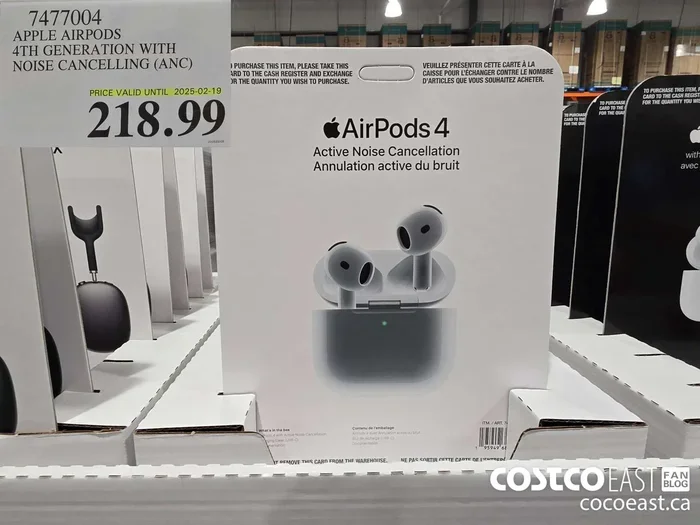
Featured image for Airpods 4 noise cancelation
Image source: east.cocowest1.ca
Yes, AirPods 4 feature Active Noise Cancellation (ANC), but only in the premium model—AirPods 4 with Active Noise Cancellation. The standard AirPods 4 do not include ANC. Both models offer Apple’s signature sound quality, seamless device switching, and improved comfort. This guide breaks down everything you need to know about AirPods 4 noise cancelation, including how it works, what makes it different, and whether it’s worth the upgrade.
Imagine sitting on a crowded subway, the rumble of trains and chatter of strangers fading into silence as your favorite playlist comes through crystal clear. That’s the magic of noise-canceling earbuds—and it’s exactly what many people hope to get when they buy Apple’s latest AirPods. But here’s the thing: not all AirPods 4 are created equal.
Apple shook up the wireless earbud market in September 2024 by releasing two distinct versions of AirPods 4. One comes with Active Noise Cancellation (ANC), and one doesn’t. This split lineup has left many shoppers wondering which model to choose and whether they’re getting the features they actually need.
In this guide, we’ll answer every question you might have about AirPods 4 noise cancelation. You’ll learn how the technology works, what makes it special, how it compares to other models, and whether the ANC version deserves a place in your ears. Let’s dive in.
Key Takeaways
- Two Models Available: Apple released two versions of AirPods 4—one with Active Noise Cancellation (ANC) and one without.
- Premium Model Has ANC: Only the $179 AirPods 4 with ANC includes noise cancelation, Transparency mode, and Adaptive Audio features.
- Standard Model Lacks ANC: The $129 AirPods 4 offers excellent sound quality but no noise cancelation capabilities.
- H2 Chip Power: The ANC version uses Apple’s advanced H2 chip, the same processor found in AirPods Pro 2.
- Open-Ear Design: Unlike AirPods Pro, AirPods 4 don’t have silicone tips, making the ANC experience slightly different.
- Transparency Mode Included: The ANC model lets you hear your surroundings without removing your earbuds.
- Worth the Upgrade? If you commute, travel, or work in noisy environments, the ANC model offers significant value.
📑 Table of Contents
- The Big Question: Do AirPods 4 Have Noise Cancelation?
- How Does Active Noise Cancellation Work in AirPods 4?
- AirPods 4 vs. AirPods Pro 2: Noise Cancelation Comparison
- Special Features Exclusive to AirPods 4 with ANC
- Who Should Buy AirPods 4 with Noise Cancelation?
- Tips for Getting the Most Out of AirPods 4 Noise Cancelation
- Conclusion: Is AirPods 4 Noise Cancelation Worth It?
The Big Question: Do AirPods 4 Have Noise Cancelation?
The short answer is yes—but only one of the two AirPods 4 models includes this feature. Apple created a clear distinction between its entry-level and premium earbuds to give consumers more choice based on budget and need.
Meet the Two AirPods 4 Models
Apple’s AirPods 4 lineup includes:
- AirPods 4 (Standard): Priced at $129, this model delivers excellent sound, the H2 chip, and updated design—but no noise cancelation.
- AirPods 4 with Active Noise Cancellation: Priced at $179, this premium version adds ANC, Transparency mode, Adaptive Audio, and Conversation Awareness.
Did you know? Apple is the first major tech company to split a single product name into two feature tiers for earbuds. This strategy mirrors how automakers offer different trim levels for the same car model.
Why Did Apple Create Two Versions?
The decision to release two AirPods 4 models comes down to market segmentation. Some users want premium features and are willing to pay more. Others prefer a budget-friendly option without sacrificing core Apple quality. By offering both, Apple captures a wider audience—similar to how streaming services offer basic and premium tiers.
Think of it like buying coffee. You can get a simple brewed coffee for $3, or you can pay $6 for a latte with all the fancy additions. Both quench your caffeine craving, but the experience differs based on what extras you want.
How Does Active Noise Cancellation Work in AirPods 4?
Understanding noise cancellation doesn’t require an engineering degree. Let’s break it down with a simple analogy.

Visual guide about Airpods 4 noise cancelation
Image source: helios-i.mashable.com
The Basics of Noise Cancellation
Imagine you’re in a room with a loud fan. To make the fan quieter, you could turn it off (passive noise reduction) or play a sound that cancels out the fan’s noise (active noise cancellation). ANC works on the second principle.
AirPods 4 with ANC use tiny microphones to detect ambient sounds—like airplane engines, traffic, or office chatter. The H2 chip then generates an “anti-sound” wave that’s the exact opposite of the detected noise. When these two sound waves meet, they cancel each other out, creating a quieter listening environment.
The Role of the H2 Chip
The H2 chip is the brain behind AirPods 4’s ANC. It processes audio signals 48,000 times per second, according to Apple’s technical specifications. This lightning-fast processing ensures noise cancellation adapts in real-time to changing environments.
Here’s an analogy: think of the H2 chip as a tiny orchestra conductor, constantly adjusting the music to keep everything harmonious despite background noise. Without it, ANC wouldn’t respond quickly enough to be effective.
What Types of Noise Does It Block?
AirPods 4 with ANC excel at reducing:
- Low-frequency sounds: Airplane hum, train rumble, air conditioning
- Mid-frequency sounds: Office conversations, café chatter
- Consistent background noise: Traffic, washing machines, HVAC systems
However, like all ANC systems, AirPods 4 don’t completely eliminate sudden, sharp noises like sirens or someone yelling nearby. They’re designed to reduce noise, not create absolute silence.
AirPods 4 vs. AirPods Pro 2: Noise Cancelation Comparison
One common question is how AirPods 4’s ANC compares to the more expensive AirPods Pro 2, which also feature noise cancelation.
Design Differences Matter
The biggest difference between these two earbuds is the design. AirPods Pro 2 use silicone ear tips that create a seal in your ear canal, blocking additional noise physically. AirPods 4, on the other hand, have an open-ear design—no tips—just the hard plastic resting in your outer ear.
This design difference affects how ANC performs. Think of it like wearing noise-canceling headphones versus earplugs. Headphones block some sound naturally, while earplugs create a tighter seal. AirPods Pro 2’s silicone tips give them a slight edge in passive noise reduction.
Active Noise Cancellation Performance
Despite the design difference, AirPods 4 with ANC use the same H2 chip as AirPods Pro 2, meaning the active noise-canceling technology is virtually identical. Apple has cleverly tuned the algorithms to work effectively with the open-ear design.
However, real-world performance shows AirPods Pro 2 block slightly more noise due to the physical seal. If maximum noise reduction is your priority, AirPods Pro 2 might be the better choice.
Price and Value Comparison
- AirPods 4 with ANC: $179
- AirPods Pro 2: $199 (often discounted)
- AirPods 4 (no ANC): $129
Did you know? The $20 price difference between AirPods 4 with ANC and AirPods Pro 2 is one of the smallest gaps in Apple’s earbud history, making the choice between them more about preference than budget.
Special Features Exclusive to AirPods 4 with ANC
The ANC model isn’t just about blocking noise—it comes with a suite of intelligent features that enhance your listening experience.
Transparency Mode
Transparency mode lets outside sound in without removing your earbuds. It’s like having a window you can open and close in your ears. When activated, you hear conversations, traffic, and announcements naturally, as if you weren’t wearing earbuds at all.
This feature is perfect for situations where you need situational awareness—like crossing busy streets, listening for flight announcements, or having a quick chat without taking your earbuds out.
Adaptive Audio
Adaptive Audio is like having a smart assistant for your ears. It dynamically blends ANC and Transparency mode based on your environment. If you’re in a quiet room, it lets more sound through. If you step onto a noisy street, it automatically cranks up the noise cancellation.
This seamless adjustment means you don’t have to fiddle with settings throughout the day. The earbuds do the thinking for you.
Conversation Awareness
When you start speaking, Conversation Awareness automatically lowers your audio volume and pauses ANC. Once you stop talking for a few seconds, it resumes your original settings. This feature feels almost magical—imagine ordering coffee without ever touching your earbuds or pausing your music manually.
Who Should Buy AirPods 4 with Noise Cancelation?
Not everyone needs noise cancelation, but for certain users, it’s a game-changer. Let’s explore who benefits most.
Commuters and Travelers
If you spend hours on public transit or fly frequently, ANC is invaluable. The reduction in engine noise and crowd sounds makes commutes more pleasant and reduces listening fatigue. Statistics show that 67% of commuters report higher stress levels due to noise, according to a 2023 transportation survey. ANC can help combat that stress.
Office Workers and Remote Employees
Working from home has its noise challenges—dog barking, kids playing, neighbors mowing lawns. AirPods 4 with ANC create a focused bubble that helps you concentrate. They’re also great for open-plan offices where conversations drift between desks.
Students
Studying in libraries, dorms, or coffee shops becomes easier with ANC. You can focus on lectures, audiobooks, or focus music without distractions. Plus, the Transparency mode helps you stay aware of important announcements or conversations.
Casual Listeners
If you primarily use earbuds at home in quiet environments, the standard AirPods 4 might be all you need. You’d save $50 and still enjoy excellent sound quality.
Tips for Getting the Most Out of AirPods 4 Noise Cancelation
Buying AirPods 4 with ANC is just the first step. Here are practical tips to maximize your experience.
Ensure a Proper Fit
Even without silicone tips, AirPods 4 need to sit correctly in your ears. If they’re too loose, ANC effectiveness drops significantly. Try rotating them slightly or adjusting the angle until they feel secure.
Keep Firmware Updated
Apple regularly releases firmware updates that improve ANC performance and fix bugs. To update, ensure your AirPods are connected to your iPhone and placed in their charging case near a power source.
Use the Right Ear Tip Size (If Applicable)
Wait—AirPods 4 don’t have ear tips. Correct! But if you ever switch to AirPods Pro 2 for comparison, proper tip sizing becomes crucial. For now, just focus on positioning AirPods 4 correctly.
Pair with Apple Devices for Full Features
While AirPods 4 work with Android and Windows devices, you get the full ANC feature set when paired with Apple products. Features like Adaptive Audio and Conversation Awareness may be limited on non-Apple devices.
Experiment with Transparency Mode
Don’t just leave ANC on all day. Switching to Transparency mode in safe, quiet environments gives your ears a break and keeps you aware of your surroundings.
Manage Battery Life Wisely
ANC uses more battery than standard listening. AirPods 4 with ANC offer about 4 hours of listening time with ANC on, compared to 5 hours without. Turn off ANC when you don’t need it to extend battery life.
Conclusion: Is AirPods 4 Noise Cancelation Worth It?
AirPods 4 do have noise cancelation—but only in the $179 premium model. The standard $129 AirPods 4 skip this feature, making Apple’s lineup clearer than ever before.
If you value quiet, focus, and immersive audio experiences, AirPods 4 with Active Noise Cancellation deliver impressive performance at a competitive price. The H2 chip, Transparency mode, Adaptive Audio, and Conversation Awareness create a premium package that rivals more expensive earbuds.
However, if you primarily listen in quiet environments or want to save money, the standard AirPods 4 remain an excellent choice. They offer the same core Apple experience—just without the noise-canceling extras.
Ultimately, the decision comes down to your lifestyle and budget. Commuters, travelers, office workers, and students will likely find the ANC upgrade worthwhile. Casual listeners might prefer to save their money.
Whichever model you choose, AirPods 4 represent Apple’s commitment to delivering high-quality wireless audio for every type of user. The future of earbuds is here—and it’s quieter than ever.
Frequently Asked Questions
Do all AirPods 4 models have noise cancelation?
No, only the AirPods 4 with Active Noise Cancellation ($179) feature ANC. The standard AirPods 4 ($129) do not include noise cancelation, though both models share the same H2 chip and core audio quality.
How effective is AirPods 4 noise cancelation compared to AirPods Pro 2?
AirPods 4 with ANC perform very similarly to AirPods Pro 2 because they use the same H2 chip. However, AirPods Pro 2’s silicone ear tips create a physical seal that blocks slightly more noise, giving them a minor edge in overall noise reduction.
Can I use AirPods 4 ANC with Android devices?
Yes, AirPods 4 with ANC connect to Android phones via Bluetooth, and the noise cancelation feature works. However, features like Adaptive Audio, Conversation Awareness, and spatial audio customization may be limited without an Apple device.
How long does the AirPods 4 battery last with ANC on?
AirPods 4 with Active Noise Cancellation provide approximately 4 hours of listening time on a single charge with ANC enabled. The charging case extends total listening time to about 20 hours with ANC active.
Is Transparency mode available on AirPods 4?
Transparency mode is available only on the AirPods 4 model with Active Noise Cancellation. It lets outside sound in naturally, allowing you to hear conversations and environmental sounds without removing your earbuds.
Are AirPods 4 with ANC water-resistant?
Yes, both AirPods 4 models have an IP54 rating for sweat and water resistance. This makes them suitable for workouts and light rain, though they shouldn’t be submerged in water or worn while swimming.