Yes, some AirPods have noise cancelling—but not all of them. Apple’s Active Noise Cancellation (ANC) is available on AirPods Pro, AirPods Pro 2, AirPods 4 (with ANC), and AirPods Max. Standard AirPods (1st, 2nd, and 3rd generation) only offer basic sound isolation without active noise cancelling technology.
Featured image for AirPods noise cancellation feature
Image source: static.designboom.com
Picture this: you’re on a loud subway, trying to enjoy your favorite podcast, but the rumble of the train keeps drowning it out. You crank up the volume, but now your ears hurt. Sound familiar? If you’ve ever wondered whether AirPods could solve this problem, you’re in the right place.
The short answer is yes—but with a big asterisk. Some AirPods models come with Active Noise Cancellation (ANC), while others don’t. Think of ANC like having a tiny bouncer in your ears, blocking unwanted noise before it reaches your eardrums. It’s one of the most popular features in modern earbuds, and Apple has embraced it across several of its products.
In this guide, we’ll break down everything you need to know about AirPods and noise cancelling. You’ll learn which models have it, how it actually works, what alternatives exist on non-ANC models, and how to get the most out of this feature. By the end, you’ll know exactly which AirPods are right for your needs.
Key Takeaways
- Not All AirPods Have ANC: Only AirPods Pro, AirPods Pro 2, AirPods 4 (ANC model), and AirPods Max feature Active Noise Cancellation.
- Two Types of Noise Control: Apple offers Active Noise Cancellation (ANC) and Transparency Mode, which lets outside sound in when needed.
- Adaptive Audio Feature: AirPods Pro 2 and AirPods 4 (ANC) offer Adaptive Audio, which automatically adjusts noise control based on your environment.
- Standard AirPods Rely on Passive Isolation: Regular AirPods use ear tip fit and physical seal to block some noise, but no electronic cancellation.
- Noise Cancelling Uses Microphones: ANC works by detecting outside sound and creating anti-noise signals to cancel it out.
- Battery Impact: Active Noise Cancellation uses more battery power, reducing listening time compared to standard mode.
- Price Difference Reflects Features: AirPods with ANC cost more due to the extra hardware and processing power required.
📑 Table of Contents
- Which AirPods Models Have Noise Cancelling?
- How Does Active Noise Cancelling Work?
- Passive Noise Isolation vs. Active Noise Cancellation
- Practical Tips to Maximize Noise Cancelling on AirPods
- Comparing AirPods Noise Cancelling to Other Brands
- Are AirPods Worth Buying Just for Noise Cancelling?
- The Future of Noise Cancelling in AirPods
- Final Thoughts
Which AirPods Models Have Noise Cancelling?
Let’s get straight to the point: not every AirPods model comes with Active Noise Cancellation. Apple offers ANC on its premium products, while the standard AirPods line keeps things simpler. Here’s the full breakdown.
AirPods Pro (1st Generation)
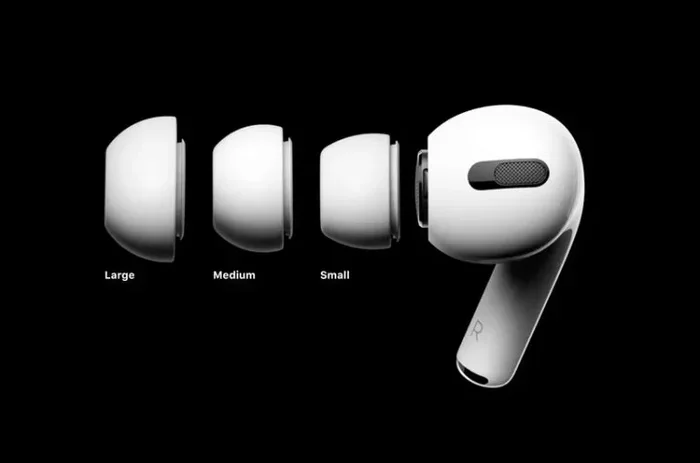
The original AirPods Pro launched in October 2019 and were the first AirPods to feature Active Noise Cancellation. They use silicone ear tips in three sizes (small, medium, large) to create a tight seal in your ear canal. This seal is critical because ANC works best when outside sound is already physically blocked. Did you know? The AirPods Pro were Apple’s answer to competitors like Sony and Bose, who had dominated the ANC earbud market for years.
AirPods Pro 2 (2nd Generation)
Released in September 2022, the AirPods Pro 2 took things up a notch. They use the H2 chip, which is twice as powerful as the H1 chip in the original AirPods Pro. This means better noise cancellation—Apple claims it’s up to twice as effective at blocking ambient noise. The AirPods Pro 2 also introduced Adaptive Audio, a smart feature that blends ANC and Transparency Mode automatically based on your surroundings.
In September 2023, Apple also released a USB-C version of the AirPods Pro 2, which added support for lossless audio when paired with the Apple Vision Pro headset. The noise cancelling performance remains the same as the Lightning version.
AirPods 4 (with ANC)
In September 2024, Apple introduced the AirPods 4 in two versions. The higher-tier model includes Active Noise Cancellation, which is a first for the non-Pro AirPods line. However, since AirPods 4 don’t use silicone ear tips, the ANC performance isn’t as strong as the Pro models. Still, it’s a solid option for people who prefer the open-ear design but want some noise control.
AirPods Max
The AirPods Max are Apple’s over-ear headphones, launched in December 2020. They feature premium Active Noise Cancellation using eight microphones total—three on each ear cup and additional ones for voice pickup. They’re the most expensive AirPods option and target audiophiles who want the best sound quality and noise cancelling Apple offers.
Standard AirPods (1st, 2nd, 3rd Generation) and AirPods 4 (without ANC)
The standard AirPods lineup—including the 1st generation (2016), 2nd generation (2019), 3rd generation (2021), and the basic AirPods 4 (2024)—do not have Active Noise Cancellation. They rely entirely on passive noise isolation, which depends on how well they fit in your ears. Since they use a one-size-fits-all hard plastic design, they don’t create a tight seal, meaning more outside noise leaks in.
How Does Active Noise Cancelling Work?
Active Noise Cancelling sounds like magic, but it’s actually based on a clever physics principle. Think of it like this: if you have two waves of water crashing into each other from opposite directions, they can cancel each other out. ANC does the same thing with sound waves.
Visual guide about AirPods noise cancellation feature
Image source: robots.net
The Science Behind ANC
When you wear AirPods with ANC, tiny microphones on the outside of the earbuds listen to the sounds around you. The chip inside the AirPods then generates an “anti-noise” sound wave that’s the exact opposite of the incoming noise. When these two waves meet in your ear, they cancel each other out. It’s like subtracting noise from noise.
This works best for low-frequency, consistent sounds—like the hum of an airplane engine, the rumble of a train, or the drone of an air conditioner. That’s why ANC is especially popular among frequent flyers and commuters.
What ANC Can’t Do
Here’s the catch: ANC struggles with sudden, high-pitched sounds. A baby crying, a dog barking, or a car horn won’t be eliminated—they might be slightly reduced, but not erased. The technology also can’t do much about voices or irregular sounds because they change too quickly for the anti-noise wave to keep up.
Transparency Mode Explained
Alongside ANC, Apple offers Transparency Mode. Instead of blocking outside sound, Transparency Mode lets it in. The AirPods use their microphones to amplify external sounds and play them through the speakers in real-time. It’s like you’re not wearing earbuds at all.
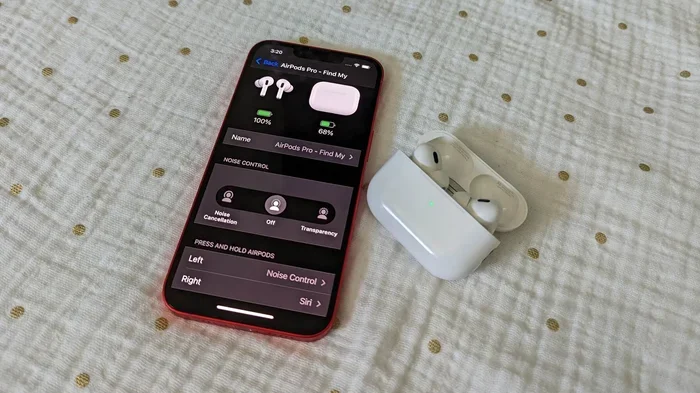
Why would you want this? Imagine walking through a busy street—you need to hear traffic for safety. Or maybe you’re at the office and need to hear when a coworker says your name. Transparency Mode is perfect for these moments. You can switch between ANC and Transparency Mode by squeezing the stem of your AirPods Pro or pressing the force sensor on AirPods Max.
Passive Noise Isolation vs. Active Noise Cancellation
People often confuse these two terms, but they’re quite different. Let’s clear up the confusion.
What Is Passive Noise Isolation?
Passive noise isolation is what regular AirPods use. It’s the physical blocking of sound based on how well the earbuds fit in your ears. If you’ve ever put your fingers in your ears to block out noise, that’s passive isolation. It doesn’t require any electronics or batteries—it just relies on a good physical seal.
For passive isolation to work well, you need earbuds that create a tight seal. Silicone ear tips (like those on AirPods Pro) do this better than hard plastic designs (like standard AirPods). That’s why standard AirPods leak more sound—you can often hear your music faintly from outside, and outside noises creep in.
Key Differences
Here’s a simple analogy: think of passive isolation like wearing earplugs at a concert, and active noise cancellation like wearing high-tech headphones that electronically silence the world. Both reduce noise, but ANC is far more effective—especially for low-frequency sounds.
According to Apple’s own testing, AirPods Pro 2 can reduce ambient noise by up to 2x compared to the original AirPods Pro. That’s a significant improvement.
Practical Tips to Maximize Noise Cancelling on AirPods
Owning AirPods with ANC is one thing, but getting the most out of them is another. Here are some practical tips to enhance your experience.
Get the Right Ear Tip Fit
If you have AirPods Pro, the silicone ear tip fit is everything. A loose seal means ANC won’t work as well because outside sound leaks in. Apple includes a “Ear Tip Fit Test” in the Settings app that uses the microphones to check your seal. Go to Settings > Bluetooth > AirPods Pro > Ear Tip Fit Test and follow the on-screen steps.
If the test says your seal is poor, try a different ear tip size. Many people assume they need medium tips, but small or large might actually fit better.
Keep Your AirPods Clean
Dirt and earwax can block the microphones and speakers, reducing ANC effectiveness. Wipe your AirPods regularly with a dry, soft cloth. For stubborn debris, use a cotton swab lightly dampened with water. Make sure not to push debris further into the mesh.
Update Your Firmware
Apple frequently releases firmware updates that can improve ANC performance. To update, simply place your AirPods in their case, connect them to power, and keep them near your iPhone. The update happens automatically, but it can take a few minutes.
Use Adaptive Audio
If you have AirPods Pro 2 or AirPods 4 (ANC), turn on Adaptive Audio. This feature intelligently switches between ANC and Transparency Mode based on your environment. Walking into a noisy café? It cranks up the noise cancelling. Starting a conversation with a barista? It automatically lets their voice through.
You can enable it by going to Settings > AirPods > Adaptive Audio and toggling it on.
Charge Regularly
ANC uses more battery than standard listening mode. If your AirPods are running low on battery, the noise cancelling may be less effective. Keep them charged, especially before long flights or commutes.
Comparing AirPods Noise Cancelling to Other Brands
Apple isn’t the only player in the ANC game. How do AirPods stack up against competitors?
Sony WF-1000XM5
Sony’s flagship earbuds are widely considered the gold standard for ANC. Many reviewers say they block slightly more noise than AirPods Pro 2, especially in the mid-frequency range. However, AirPods Pro 2 offer better integration with Apple devices, including automatic switching and spatial audio.
Bose QuietComfort Ultra Earbuds
Bose has been a leader in noise cancelling for decades. Their QuietComfort Ultra Earbuds rival both Sony and Apple in ANC performance. Some users prefer Bose’s warmer sound profile, while others like Apple’s more neutral tuning.
Samsung Galaxy Buds3 Pro
For Android users, Samsung’s Galaxy Buds3 Pro offer excellent ANC and seamless integration with Samsung phones. They don’t work as smoothly with iPhones, though, which gives AirPods an edge in the Apple ecosystem.
Why AirPods Stand Out
While other brands may match or slightly exceed Apple’s ANC performance, AirPods win on convenience. Features like instant pairing, automatic device switching, Find My integration, and spatial audio make them a joy to use—especially if you’re already in the Apple ecosystem. It’s the classic Apple advantage: it’s not just about specs, it’s about the experience.
Are AirPods Worth Buying Just for Noise Cancelling?
If noise cancelling is your top priority, AirPods Pro 2 are an excellent choice—but they may not be the absolute best at blocking noise compared to some competitors. However, what they lack in raw ANC power, they make up for in features and ecosystem integration.
Here’s a quick guide to help you decide:
- Buy AirPods Pro 2 if: You want great ANC, seamless Apple device integration, and excellent call quality.
- Buy AirPods 4 (ANC) if: You prefer the open-ear design and don’t need the strongest noise cancelling.
- Buy AirPods Max if: You want over-ear comfort, premium materials, and the best sound quality in the AirPods lineup.
- Buy standard AirPods if: You mainly use them at home or in quiet environments and don’t need ANC.
- Consider Sony or Bose if: ANC performance is your absolute top priority, and you don’t care about Apple ecosystem features.
Common Misconceptions About AirPods Noise Cancelling
Let’s bust a few myths while we’re at it:
- Myth: All AirPods have noise cancelling. Fact: Only certain models do.
- Myth: Noise cancelling makes you completely deaf to the outside world. Fact: It reduces noise significantly but doesn’t eliminate all sound.
- Myth: Noise cancelling damages your hearing. Fact: It’s safe; in fact, it may protect your hearing by letting you listen at lower volumes.
- Myth: ANC works the same on all frequencies. Fact: It’s most effective on low-frequency, steady sounds.
The Future of Noise Cancelling in AirPods
Apple continues to invest heavily in audio technology. With each generation, ANC gets smarter, more efficient, and more adaptive. The H2 chip in AirPods Pro 2 laid the groundwork for future advancements.
Looking ahead, we might see even better noise cancelling in upcoming AirPods models. Apple has filed patents for personalized ANC profiles that adapt to your specific hearing and ear shape. There’s also speculation about improved health features, like using AirPods to monitor heart rate or body temperature.
For now, AirPods Pro 2 remain the sweet spot for most users. They balance price, performance, and features beautifully. Did you know? Apple sold an estimated 70+ million AirPods in 2023 alone, making them one of the most popular earbuds in the world.
Final Thoughts
So, do AirPods have a noise cancelling feature? Yes—but only on specific models. If noise cancelling matters to you, stick with AirPods Pro, AirPods Pro 2, AirPods 4 (ANC), or AirPods Max. Standard AirPods rely on passive noise isolation, which is a poor substitute for true ANC.
The good news is that Apple’s ANC technology is excellent and continues to improve. Whether you’re commuting, working from a coffee shop, or just trying to relax at home, AirPods with noise cancelling can transform your listening experience. It’s like having a personal mute button for the world.
Before you buy, think about how you’ll use them. If you’re always on the go and need silence on demand, AirPods Pro 2 are worth every penny. If you prefer the open-ear feel and want a more affordable option, AirPods 4 with ANC are a solid choice. And if you want the ultimate Apple audio experience, AirPods Max deliver in spades.
No matter which model you choose, you’ll be getting a product from a company that takes audio seriously. And that, more than any spec sheet, is what makes AirPods special.
Frequently Asked Questions
Do all AirPods have noise cancelling?
No, not all AirPods have Active Noise Cancellation. Only AirPods Pro, AirPods Pro 2, AirPods 4 (with ANC), and AirPods Max feature this technology. Standard AirPods rely on passive noise isolation through their physical fit.
How do I turn on noise cancelling on my AirPods?
On AirPods Pro, press and hold the force sensor on the stem to switch between Active Noise Cancellation and Transparency Mode. You can also control it from your iPhone’s Control Center by pressing and holding the volume slider while wearing your AirPods.
Is Active Noise Cancelling safe for my ears?
Yes, ANC is completely safe. In fact, it may protect your hearing by allowing you to listen to audio at lower volumes in noisy environments. The technology uses anti-noise waves to cancel sound, which doesn’t damage your ears.
Can noise cancelling block out voices and talking?
ANC is most effective at reducing low-frequency, consistent sounds like engine noise or air conditioners. It’s less effective at blocking voices or sudden, irregular sounds, though it may reduce them somewhat.
Do AirPods noise cancelling work without music playing?
Yes, ANC works independently of music. You can use your AirPods Pro or AirPods Max in silence mode to simply block out ambient noise, which is great for focusing or relaxing.
How long does the battery last with noise cancelling on?
Battery life varies by model. AirPods Pro 2 offer up to 6 hours of listening time with ANC on (up to 7 with ANC off). AirPods Max provide up to 20 hours of listening time with ANC enabled. Disabling ANC extends battery life.