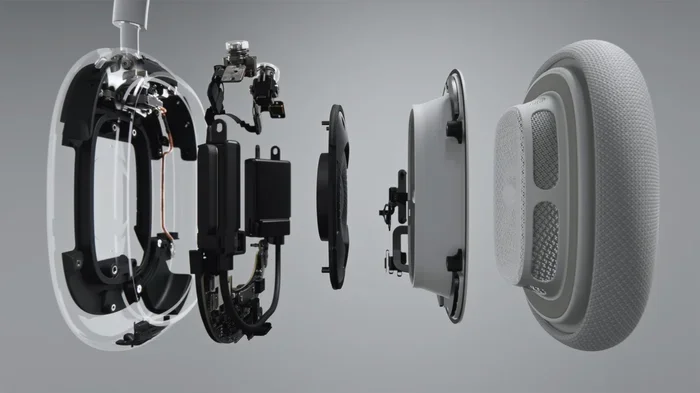
Featured image for AirPod Max adaptive audio technology
Image source: apple.com
AirPods Max do not have Adaptive Audio, a feature introduced with the AirPods Pro (2nd generation) and AirPods 4. Apple launched AirPods Max in December 2020, before Adaptive Audio existed, and has not added it through any software update. The headphones offer premium features like Active Noise Cancellation and Spatial Audio, but Adaptive Audio remains exclusive to newer Apple earbuds. If this feature is important to you, consider AirPods Pro 2 or AirPods 4 instead.
Key Takeaways
- No Adaptive Audio on AirPods Max: AirPods Max launched in December 2020, before Apple introduced Adaptive Audio in 2023 with iOS 17.
- Feature Exclusivity: Adaptive Audio is currently available only on AirPods Pro (2nd generation) and AirPods 4, which have the H2 chip.
- What AirPods Max Offers Instead: Active Noise Cancellation, Transparency mode, Spatial Audio, and Adaptive EQ are the premium audio features available.
- No Software Fix Available: Adaptive Audio requires the H2 chip, which AirPods Max lacks. No future update can add this feature.
- Why the Chip Matters: The H1 chip in AirPods Max cannot process the machine learning required for real-time audio environment adjustments.
- Best Alternative for This Feature: AirPods Pro 2 at $199-$249 offers Adaptive Audio at a lower price than the $549 AirPods Max.
- Future Possibilities: A rumored AirPods Max 2 with H2 chip could potentially add this feature, but no official announcement exists.
📑 Table of Contents
- The Straight Answer About AirPods Max and Adaptive Audio
- Understanding Adaptive Audio: What It Actually Does
- What AirPods Max Actually Offer: A Feature Breakdown
- Why AirPods Max Don’t Support Adaptive Audio: The Technical Truth
- Comparing AirPods Max to AirPods Pro 2: Which Should You Buy?
- The Future of AirPods Max: What to Expect
- Making the Right Choice for Your Needs
The Straight Answer About AirPods Max and Adaptive Audio
Let’s cut right to the chase. AirPods Max do not have Adaptive Audio. If you’ve been searching for this feature on your $549 headphones, you won’t find it. It’s simply not there, and there’s a very good reason why.
Apple introduced Adaptive Audio in September 2023 as part of iOS 17. This smart feature blends Active Noise Cancellation and Transparency mode automatically. It uses machine learning to figure out your surroundings and adjust sound settings in real time. The problem? AirPods Max hit stores in December 2020, almost three years before this technology existed.
Here’s the technical reality that might frustrate some users. Adaptive Audio requires the H2 chip to work. AirPods Max run on the older H1 chip. Apple cannot add Adaptive Audio through a software update because the processing power simply isn’t there. It’s like trying to run a modern video game on a ten-year-old computer. The hardware just can’t handle it, no matter how many software patches you install.
Did you know that Apple sold over 80 million AirPods worldwide in 2022 alone? Yet many AirPods Max owners remain confused about which features their premium headphones actually support. This confusion is completely understandable, especially since Apple rarely publishes clear comparison charts for its audio products.
Understanding Adaptive Audio: What It Actually Does
Think of Adaptive Audio like having a smart friend who adjusts your window based on the weather. When it’s quiet outside, the window opens fully so you can hear everything. When a truck passes by, the window automatically closes to block the noise. You never have to touch anything. That’s essentially what Adaptive Audio does with your earbuds.
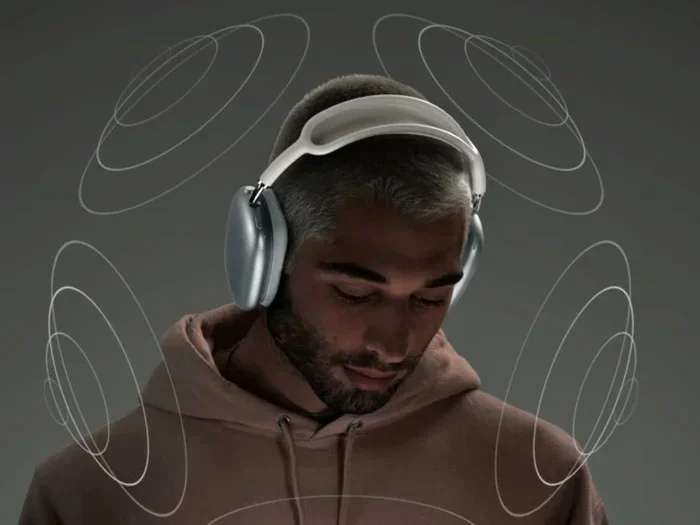
Visual guide about AirPod Max adaptive audio technology
Image source: cdn.xingosoftware.com
The feature works through three main modes that transition smoothly between each other:
- Active Noise Cancellation (ANC): Blocks outside sounds completely when you’re in noisy places like airplanes or busy streets.
- Transparency Mode: Lets outside sounds pass through naturally, perfect for conversations or when you need situational awareness.
- Adaptive Mode: The smart middle ground that switches between the two based on your environment.
Apple’s H2 chip processes audio 48,000 times per second to analyze your surroundings. The chip uses advanced machine learning algorithms trained on thousands of real-world audio scenarios. It can tell the difference between a conversation, traffic noise, wind, and background music. Then it adjusts your audio settings within milliseconds.
Did you know the H2 chip performs over 1 billion operations per second? That’s the processing muscle needed to make Adaptive Audio feel seamless and natural. Without this chip, your headphones simply cannot make those instant decisions about what you should and shouldn’t hear.
The feature also includes Conversation Awareness, which automatically lowers your music volume when you start speaking to someone. It even reduces background noise during phone calls. These smart features all depend on the same H2 chip technology.
What AirPods Max Actually Offer: A Feature Breakdown
While AirPods Max lack Adaptive Audio, they’re still packed with premium features that justify their high price tag. Let’s explore what makes these over-ear headphones special and why many audiophiles still love them.
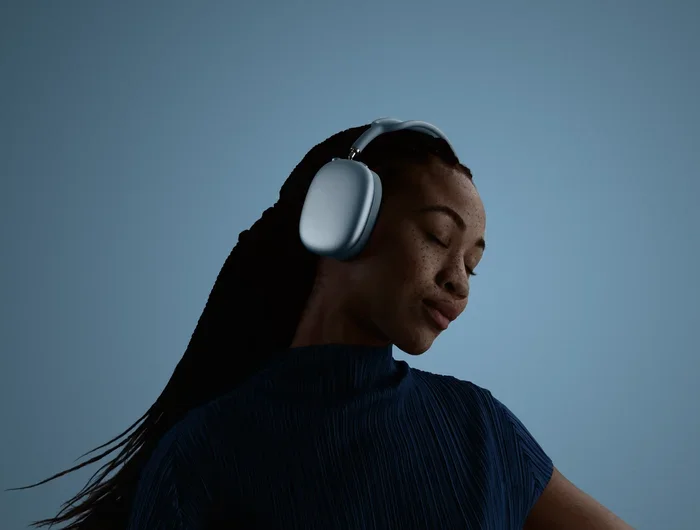
Visual guide about AirPod Max adaptive audio technology
Image source: apple.com
Active Noise Cancellation
AirPods Max deliver industry-leading Active Noise Cancellation. Each ear cup contains three outward-facing microphones that detect environmental noise. One inward-facing microphone listens to the sound reaching your ear. The H1 chip then generates anti-noise at 200 times per second to cancel unwanted sounds.
This ANC system works beautifully for air travel, open offices, and noisy homes. Many reviewers rank AirPods Max ANC among the best in the consumer headphone market. While it may not beat the newest Sony WH-1000XM5 in every scenario, it remains exceptionally effective.
Transparency Mode
Want to hear announcements at the airport without removing your headphones? Transparency mode has you covered. Press the noise control button on your AirPods Max, and outside sounds flow in naturally. Voices sound clear. Traffic awareness stays intact. It’s almost like not wearing headphones at all.
The feature uses the same microphone array as ANC but processes sound differently. Instead of canceling noise, it passes audio through with minimal latency. Apple achieved this by processing audio with a special algorithm that maintains natural sound quality.
Spatial Audio with Dynamic Head Tracking
This is where AirPods Max truly shine. Spatial Audio creates a theater-like experience by placing sound in a 3D space around you. Dynamic head tracking means the sound stays anchored to your device even as you turn your head. Watch a movie on your iPad, and dialogue feels like it’s coming from the screen itself.
The feature works with Dolby Atmos content from Apple TV+, Disney+, Netflix, and many other streaming services. Music lovers also enjoy spatial audio versions of tracks on Apple Music. It’s a genuinely immersive experience that cheaper headphones cannot match.
Adaptive EQ
Here’s something many users don’t realize. AirPods Max do have an “Adaptive” feature, but it’s Adaptive EQ, not Adaptive Audio. These are completely different things. Adaptive EQ tunes music to the personal fit and seal of the ear cushions. It adjusts low and mid frequencies in real time based on how the headphones sit on your head.
Each ear cup contains a custom driver with a neodymium ring magnet. The H1 chip processes audio to compensate for variations in fit, hair, glasses, and ear shape. The result? Consistent sound quality no matter how you wear them.
Other Notable Features
AirPods Max include seamless Apple ecosystem integration. They auto-switch between your iPhone, iPad, and Mac. One-tap setup works with all your Apple devices. Siri hands-free activation comes built in. The Digital Crown, inspired by Apple Watch, gives precise volume and playback control.
Build quality stands out too. The stainless steel frame, memory foam ear cushions, and breathable knit-mesh canopy create a premium feel. Battery life reaches 20 hours with ANC or Spatial Audio enabled. Quick charging provides 1.5 hours of listening from just 5 minutes of charging.
Why AirPods Max Don’t Support Adaptive Audio: The Technical Truth
Understanding why AirPods Max miss this feature requires looking under the hood. The answer lies in chip architecture, machine learning requirements, and product lifecycle decisions.
The H1 Chip Limitation
AirPods Max contain Apple’s H1 chip, first introduced in 2019. This chip was revolutionary for its time. It enabled features like always-on Siri, instant device switching, and improved power efficiency. However, it lacks the neural engine capabilities of its successor.
The H2 chip arrived in 2022 with AirPods Pro (2nd generation). This newer chip includes a dedicated neural processing unit. It can handle complex machine learning tasks without draining the battery. Adaptive Audio relies on this neural processing to make split-second decisions about your audio environment.
Apple designed the H1 chip for audio processing, not environmental analysis. The chip handles Bluetooth connectivity, audio decoding, and noise cancellation algorithms beautifully. But running the machine learning models that power Adaptive Audio? That’s beyond its capabilities.
The Software vs. Hardware Reality
Many users hope a future iOS update might add Adaptive Audio to AirPods Max. Unfortunately, this is technically impossible. The H1 chip lacks the hardware components needed for real-time environmental analysis. No software update can add processing power that doesn’t physically exist.
Think of it like this: you cannot install a turbocharger on a car through a software update. The turbo needs physical hardware. Similarly, Adaptive Audio needs physical processing hardware in the H2 chip. Apple would need to release new AirPods Max with updated chips to support this feature.
Apple has not announced any plans to update AirPods Max with an H2 chip. The original AirPods Max remain on sale without any hardware revision since their 2020 launch. This makes them the only current Apple headphones without the H2 chip.
The Business Decision Behind Feature Exclusivity
Apple strategically reserves certain features for newer products. This encourages upgrades and maintains clear differentiation between product lines. AirPods Max serve as the premium over-ear option, while AirPods Pro handle the smart features category.
By keeping Adaptive Audio exclusive to H2-chip devices, Apple gives potential buyers a reason to choose AirPods Pro 2 over the original AirPods Max. It also creates anticipation for a future AirPods Max 2 that might include this feature.
Comparing AirPods Max to AirPods Pro 2: Which Should You Buy?
Choosing between these two premium Apple audio products depends on what features matter most to you. Let’s break down the key differences to help you make the right decision.
Price Comparison
AirPods Max cost $549 in the US market. This includes the Smart Case and a Lightning to USB-C cable. AirPods Pro 2 retail for $249 with a MagSafe charging case, or $199 without wireless charging. That’s a $300 price difference for a similar feature set in many ways.
The price gap reflects form factor and materials. AirPods Max use premium aluminum ear cups, stainless steel headband, and memory foam cushions. AirPods Pro 2 use plastic with silicone tips. You’re paying for over-ear luxury versus in-ear portability.
Feature Comparison Table
- Adaptive Audio: AirPods Pro 2 have it. AirPods Max don’t.
- Active Noise Cancellation: Both offer excellent ANC, but AirPods Pro 2 may edge ahead with H2 chip processing.
- Transparency Mode: Both include this, with AirPods Pro 2 adding Adaptive Transparency for loud sound reduction.
- Spatial Audio: Both support Dolby Atmos with head tracking.
- Battery Life: AirPods Max offer 20 hours. AirPods Pro 2 offer 6 hours (30 hours with case).
- Comfort: AirPods Max win for long listening sessions. AirPods Pro 2 win for portability and exercise.
Who Should Buy AirPods Pro 2?
AirPods Pro 2 make sense if you want the latest features, including Adaptive Audio. They’re perfect for commuters, travelers, and people who work in varying noise environments. The compact design fits easily in pockets. The $249 price tag is reasonable for flagship earbuds.
Gym-goers and active users should choose AirPods Pro 2. They’re sweat and water resistant with an IP54 rating. The secure in-ear fit handles movement well. You won’t want to work out in full-size headphones.
Who Should Buy AirPods Max?
AirPods Max shine for home listening, office work, and long flights. The over-ear design provides passive noise isolation even without ANC. Audiophiles appreciate the larger drivers and wider soundstage. Movie watchers love the immersive Spatial Audio experience on a big screen.
If you prioritize comfort during marathon listening sessions, AirPods Max win. The breathable canopy distributes weight evenly. The memory foam cushions feel luxurious. Many users report wearing them for 8+ hours without discomfort, which is hard to achieve with in-ear buds.
The Future of AirPods Max: What to Expect
Apple released AirPods Max in December 2020. As of late 2024, no second-generation model exists. However, rumors and supply chain leaks suggest updates are coming. Here’s what the future might hold for Apple’s premium headphones.
Rumored AirPods Max 2 Features
Industry analysts predict AirPods Max 2 will launch with the H2 chip. This single change would unlock Adaptive Audio, Adaptive Transparency, and Conversation Awareness. The update would finally bring feature parity with AirPods Pro 2 in the smart features category.
Other rumored improvements include:
- USB-C charging instead of Lightning
- Lighter weight design (current model weighs 384 grams)
- Improved battery life beyond 20 hours
- New color options beyond space gray, silver, sky blue, pink, and green
- Better lossless audio support
The European Union’s common charger mandate requires USB-C on all new electronics by December 2024. This regulation likely forces Apple to update AirPods Max with USB-C, whether through a new model or a revision of the existing one.
When Will AirPods Max 2 Launch?
Analysts disagree on the exact release date. Some predict late 2024, while others suggest 2025 or later. Bloomberg’s Mark Gurman, a reliable Apple insider, reported in 2024 that Apple was working on a lighter AirPods Max version. However, no firm launch date emerged.
Did you know Apple typically maintains product lines for 3-4 years before major updates? AirPods Max launched in December 2020, making them nearly four years old. The timing seems right for a refresh, especially given the EU charging regulations.
Until Apple announces an update, current AirPods Max owners won’t get Adaptive Audio. The best option for users who need this feature today is to consider AirPods Pro 2 or wait for the next AirPods Max generation.
Making the Right Choice for Your Needs
Choosing audio gear is personal. The “best” option depends on your lifestyle, budget, and feature priorities. Let’s wrap up with practical advice to help you decide.
Choose AirPods Max If…
You primarily listen at home, in an office, or during travel where over-ear comfort matters. You value premium materials and don’t mind the weight. Spatial Audio for movies is important to you. You want the best possible ANC in an over-ear form factor. Budget isn’t a major concern, and you already own other Apple devices for seamless integration.
You don’t need Adaptive Audio because your listening environment stays relatively constant. Maybe you work from home or always use them in the same quiet space. In that case, AirPods Max deliver excellent audio quality without the smart environment features.
Choose AirPods Pro 2 If…
You want Adaptive Audio and the latest smart features. Portability matters for your commute or travel style. You exercise regularly and need sweat-resistant earbuds. Budget is a consideration, and $249 fits better than $549. You frequently switch between very quiet and very noisy environments where Adaptive Audio shines.
AirPods Pro 2 also make sense if you’re buying your first premium Apple audio product. The lower price point reduces risk. The feature set covers almost everything AirPods Max offer, plus the smart features AirPods Max lack.
Wait If…
You’re not in a hurry and can wait 6-12 months for AirPods Max 2. Early adopters of new Apple products often pay premium prices. Waiting for the refresh might get you better features at a similar or lower cost, especially if Apple reduces the price of the original model.
Current AirPods Max owners should hold onto their headphones. They still deliver excellent audio quality and remain supported with software updates. Selling them now means losing money on depreciation. Better to enjoy them until AirPods Max 2 launch, then decide whether to upgrade.
Final Verdict
AirPods Max are fantastic headphones for specific use cases. They offer premium build quality, excellent ANC, and immersive Spatial Audio. However, they lack Adaptive Audio due to their older H1 chip. This limitation won’t change through software updates.
If Adaptive Audio is a must-have feature, AirPods Pro 2 are the better choice today. If over-ear comfort and premium materials matter more than smart features, AirPods Max remain a solid option. Consider your priorities, budget, and listening habits before making this investment.
Remember, the best audio gear is the gear you’ll actually use consistently. Whether that’s AirPods Max, AirPods Pro 2, or another option entirely, choose what fits your life. Technology should serve you, not stress you out with feature comparisons and spec sheets.
Frequently Asked Questions
Does AirPods Max have Adaptive Audio?
No, AirPods Max do not have Adaptive Audio. This feature requires the H2 chip, but AirPods Max use the older H1 chip. Apple introduced Adaptive Audio in 2023 with iOS 17, and it remains exclusive to AirPods Pro (2nd generation) and AirPods 4 with H2 chips.
Can AirPods Max get Adaptive Audio through a software update?
No, AirPods Max cannot receive Adaptive Audio through any software update. The feature requires the H2 chip’s neural processing capabilities, which the H1 chip in AirPods Max lacks. Hardware limitations cannot be overcome with software patches, so AirPods Max will never support this feature.
What features do AirPods Max have instead of Adaptive Audio?
AirPods Max offer Active Noise Cancellation, Transparency mode, Spatial Audio with dynamic head tracking, and Adaptive EQ. These premium features provide excellent audio quality and noise control, but they don’t automatically adjust based on your environment like Adaptive Audio does.
Will AirPods Max 2 have Adaptive Audio?
Most likely yes, if Apple releases an AirPods Max 2 with the H2 chip. Industry rumors suggest Apple is working on a refreshed version that would include newer chip technology, USB-C charging, and reduced weight. However, Apple has not officially announced AirPods Max 2 or a release date.
Is AirPods Pro 2 better than AirPods Max for Adaptive Audio?
Yes, AirPods Pro 2 are better than AirPods Max for Adaptive Audio because only AirPods Pro 2 support this feature. The H2 chip enables Adaptive Audio, Adaptive Transparency, and Conversation Awareness. AirPods Pro 2 also cost $300 less than AirPods Max, making them the better value for smart features.
How does Adaptive Audio work on compatible AirPods?
Adaptive Audio uses the H2 chip’s neural engine to analyze your environment 48,000 times per second. It blends Active Noise Cancellation and Transparency mode automatically based on surrounding noise. The feature also includes Conversation Awareness, which lowers music volume when you start speaking to someone nearby.