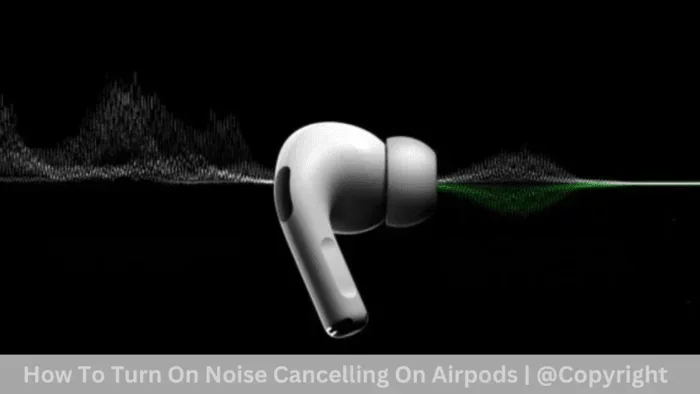
Featured image for AirPods noise cancellation demonstration
Image source: gsmchina.com
AirPods noise cancellation can protect your ears from audio damage by lowering dangerous decibel levels and reducing the need to crank up the volume. However, AirPods are not certified hearing protection devices like earmuffs, so they shouldn’t replace proper ear protection in extremely loud environments. Think of them as a smart everyday defense, not industrial-grade armor for your ears.
Picture this: you’re on a packed subway, the roar of the train is deafening, and you instinctively reach for the volume button on your AirPods. If this sounds familiar, you’re not alone. Millions of people rely on AirPods daily, but a pressing question lingers in the minds of health-conscious users: does AirPod noise cancellation protect ears, or are we slowly damaging our hearing without realizing it?
The truth is more nuanced than a simple yes or no. AirPods’ noise cancellation technology offers genuine hearing protection benefits in everyday situations, but they’re not magic shields against every loud environment. Understanding how this technology works and where its limits lie can help you make smarter choices about your auditory health.
In this guide, we’ll break down the science, bust common myths, and give you practical tips to keep your ears healthy for decades to come. Whether you’re a daily commuter, a remote worker, or someone who loves music, this information could genuinely safeguard your hearing.
Key Takeaways
- How ANC works: Active Noise Cancellation uses tiny microphones and anti-noise sound waves to cancel out ambient noise before it reaches your ears.
- Volume reduction is key: ANC reduces the need to increase volume in noisy environments, preventing noise-induced hearing loss over time.
- Not certified PPE: AirPods are not certified as professional hearing protection and shouldn’t replace earmuffs or earplugs in extremely loud settings.
- Passive + Active protection: The silicone tips provide passive noise isolation, which combined with ANC, offers dual-layer hearing defense.
- Safe listening limits matter: WHO recommends keeping exposure below 80 dB for no more than 40 hours per week to prevent permanent damage.
- Transparency mode helps awareness: Switching to Transparency Mode when crossing streets or commuting keeps you aware of your surroundings.
- Best practices extend battery life: Using ANC only when needed saves battery and keeps your ears comfortable during long listening sessions.
📑 Table of Contents
- Understanding AirPod Noise Cancellation Technology
- How AirPod Noise Cancellation Protects Your Hearing
- Where AirPod Noise Cancellation Falls Short
- Safe Listening Practices with AirPods
- Comparing AirPods to Professional Hearing Protection
- The Long-Term Impact of Using ANC for Hearing Health
- Common Myths About AirPods and Hearing Protection
- Practical Tips for Maximizing Ear Protection with AirPods
- The Verdict: Does AirPod Noise Cancellation Protect Ears?
Understanding AirPod Noise Cancellation Technology
Before we tackle whether AirPods protect your ears, let’s explore how the technology actually functions. It’s like having a tiny sound engineer living inside your earbuds, constantly working to keep unwanted noise at bay.
What Is Active Noise Cancellation (ANC)?
Active Noise Cancellation is a clever bit of audio engineering that uses physics to fight physics. Microphones hidden inside and outside each AirPod listen to the ambient sound around you. Then, in real time, the AirPods generate an “anti-noise” wave that is the exact opposite of the incoming sound. When these two waves meet, they cancel each other out, similar to how two opposing ocean waves collide and flatten each other.
Think of it like this: imagine pushing a child on a swing. If someone else shoves the swing at the exact opposite moment with equal force, the swing stops. That’s essentially what’s happening with sound waves in your AirPods.
The Difference Between ANC and Passive Isolation
ANC isn’t the only line of defense your AirPods offer. They also use passive noise isolation, which simply means physically blocking sound waves from entering your ear canal. The silicone ear tips create a seal, much like earplugs, preventing some noise from ever reaching your eardrum.
Here’s the breakdown:
- Passive isolation: Blocks higher-frequency sounds like chatter, clinking dishes, and background music.
- Active Noise Cancellation: Targets lower-frequency sounds like airplane engines, HVAC hum, and traffic rumble.
- Combined effect: Together, they handle a much wider range of noises than either could alone.
Did you know? According to Apple, AirPods Pro can reduce outside noise by up to 2x compared to older models. This improvement is significant for everyday hearing protection.
How AirPod Noise Cancellation Protects Your Hearing
Now for the million-dollar question: does AirPod noise cancellation actually protect your ears? The short answer is yes, but the longer answer reveals just how valuable this protection really is.
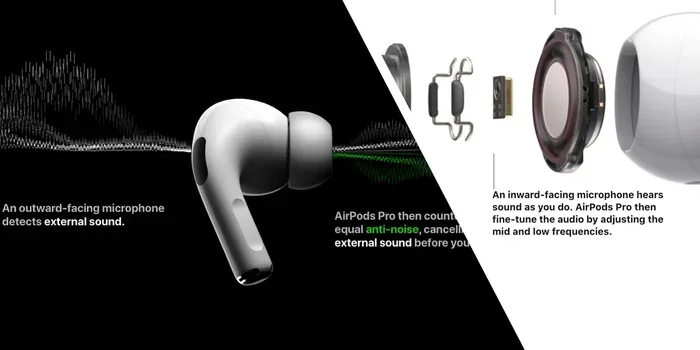
Visual guide about AirPods noise cancellation demonstration
Image source: miro.medium.com
Reducing the Need to Crank Up the Volume
The biggest way AirPods protect your hearing is indirect but incredibly powerful. When you’re in a noisy environment, your natural instinct is to turn up the volume to drown out the background noise. This is where hearing damage often begins.
By canceling ambient noise, AirPods let you listen to music, podcasts, or take calls at lower, safer volumes. The World Health Organization estimates that over 1 billion young people worldwide are at risk of hearing loss due to unsafe listening practices. If AirPods can keep you at 50% volume instead of 90%, you’re doing your ears a massive favor.
Imagine you’re in a coffee shop with a loud espresso machine. Without ANC, you might crank your music to 80% volume just to hear it clearly. With ANC, that same espresso machine hum virtually disappears, and you can comfortably listen at 40% volume. Your ears thank you for the difference.
Filtering Out Continuous Low-Frequency Noise
AirPods excel at canceling continuous, low-frequency sounds like:
- Airplane cabin noise
- Bus and train rumble
- Air conditioners and fans
- Office HVAC systems
These constant droning sounds are particularly fatiguing to listen through. By removing this background noise, ANC reduces auditory fatigue, which is that “mentally drained” feeling you get after a noisy commute. Less fatigue means your ears aren’t working overtime, which protects them over the long run.
Where AirPod Noise Cancellation Falls Short
While ANC is fantastic for everyday use, it’s not a cure-all. There are specific situations where AirPods simply can’t replace proper hearing protection.
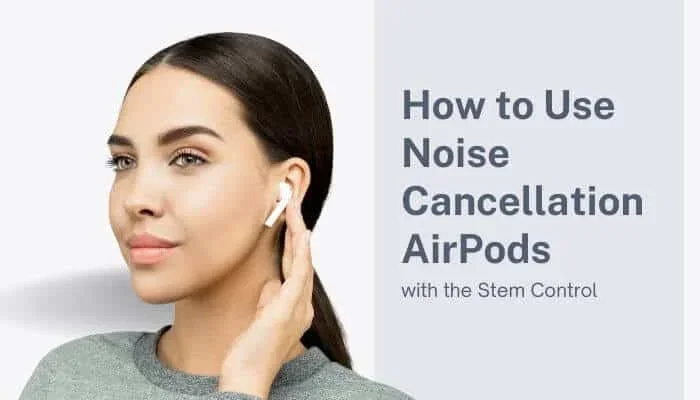
Visual guide about AirPods noise cancellation demonstration
Image source: tycoonstory.com
Not Certified as Professional Hearing Protection
This is the most critical distinction: AirPods are not certified Personal Protective Equipment (PPE). Industrial hearing protectors like 3M earmuffs or high-fidelity earplugs go through rigorous testing to achieve Noise Reduction Ratings (NRR) that certify their protective capabilities.
If you’re working in environments with sustained noise above 85 decibels, such as construction sites, factories, or shooting ranges, AirPods won’t offer adequate protection, regardless of whether ANC is on. Think of AirPods like a rain jacket: perfect for drizzles, but not enough for a monsoon.
Sudden, Loud Impact Noises
ANC works best against steady, predictable sounds. It struggles with sudden, sharp noises like:
- Fireworks or explosions
- Power tools starting up
- Car horns or alarms
- Concert speakers at close range
These transient sounds can bypass noise cancellation and hit your eardrums directly. In these scenarios, you need physical ear protection like foam earplugs that block sound mechanically.
Bone Conduction and Direct Vibration
Some loud sounds aren’t transmitted through the air; they travel through bone and tissue directly to your inner ear. Construction jackhammers or extremely loud music at a concert can cause vibrations that bypass your AirPods entirely. No electronic cancellation can stop sound that’s already in your skull.
Safe Listening Practices with AirPods
Knowing that AirPods offer hearing protection is only half the battle. Using them correctly is where the real magic happens. Let’s explore some practical habits that can preserve your hearing for life.
Follow the 60/60 Rule
Audiologists often recommend the 60/60 rule: listen at no more than 60% volume for no more than 60 minutes at a time. After an hour, give your ears a break. This simple habit prevents cumulative damage that builds up over years of use.
Think of your ears like a muscle. Just as you wouldn’t lift weights for 8 hours straight, you shouldn’t subject your ears to continuous audio stimulation. Rest is recovery.
Use the Noise Control Modes Wisely
Modern AirPods come with three listening modes:
- Active Noise Cancellation: Best for planes, trains, and noisy offices.
- Transparency Mode: Lets outside sound in for safety and awareness.
- Off: Saves battery and is fine in quiet environments.
Always use Transparency Mode when crossing streets, jogging near traffic, or navigating busy areas. Blocking out all ambient noise can be dangerous when you need situational awareness.
Monitor Your iPhone’s Headphone Audio Levels
Apple includes a built-in feature that tracks your headphone audio exposure. Go to Settings > Sounds & Haptics > Headphone Safety to see your weekly exposure levels. You can also set a hard limit on maximum volume, which is a great feature for parents buying AirPods for their teens.
Did you know? The WHO recommends that safe listening levels stay below 80 decibels for adults and 75 decibels for children. Your iPhone can alert you when you exceed these thresholds.
Take Listening Breaks
Your ears need silence to recover. After using ANC for an extended period, try spending 30 minutes in a quiet environment. This “auditory rest” helps your hair cells, the tiny sensory cells in your inner ear, recover from stimulation.
Comparing AirPods to Professional Hearing Protection
To truly understand if AirPods protect your ears, it helps to compare them side-by-side with dedicated hearing protection. This comparison will clarify when AirPods are sufficient and when you need something more robust.
Decibel Reduction Capabilities
Professional earmuffs typically reduce noise by 20 to 30 decibels. AirPods Pro with ANC can reduce ambient noise by approximately 25 to 30 decibels in optimal conditions, which is impressive for consumer earbuds. However, the actual performance varies based on:
- The type of noise (steady vs. sudden)
- How well the ear tips seal your ear canal
- The frequency range of the sound
Comfort and Wearability
This is where AirPods shine. They’re designed for hours of comfortable wear, making them perfect for daily use. Industrial earmuffs, while protective, become uncomfortable after extended wear and aren’t designed for music playback.
For everyday situations like commuting, working in a noisy office, or traveling, AirPods provide a comfortable balance of protection and functionality. For genuinely hazardous noise environments, choose the right tool for the job.
The Long-Term Impact of Using ANC for Hearing Health
Looking at the bigger picture, consistent use of AirPods’ noise cancellation can have significant long-term benefits for your hearing. Let’s explore the science behind cumulative exposure.
Understanding Noise-Induced Hearing Loss
Noise-induced hearing loss (NIHL) is permanent. It happens when delicate hair cells in your inner ear are damaged by loud sounds. Once these cells die, they don’t grow back. The World Health Organization estimates that 1.1 billion young people (ages 12-35) are at risk of hearing loss due to recreational noise exposure.
The danger isn’t a single loud concert; it’s the everyday accumulation. The constant pressure of subway noise, loud commutes, and noisy workplaces adds up over years. AirPods’ ANC helps reduce this cumulative load, acting like a daily vitamin for your hearing.
Studies on Personal Audio Devices and Hearing
Research published in journals like the International Journal of Audiology has shown that users of noise-cancelling headphones consistently listen at lower volumes than those using standard earbuds. A 2017 study found that ANC users reduced their listening volume by approximately 5.5 decibels on average in noisy environments, a difference that significantly reduces long-term risk.
Another study from Harvard Medical School highlighted that combining passive isolation with active cancellation provides the most effective reduction in ambient noise exposure, exactly the dual approach AirPods use.
Real-World Benefits You Can Feel
Beyond the science, ANC users often report:
- Less listening fatigue at the end of the day
- Better focus in noisy environments
- Reduced stress from constant background noise
- Improved sleep when using AirPods during long trips
These benefits may seem subtle, but they add up to better hearing health over a lifetime.
Common Myths About AirPods and Hearing Protection
With any popular technology, myths tend to spread faster than facts. Let’s separate truth from fiction when it comes to AirPods and your hearing.
Myth 1: “ANC Damages Your Brain with Radiation”
Some people worry that ANC technology emits harmful radiation. This is false. ANC works by analyzing sound waves and creating anti-phase waves, which are entirely acoustic. There’s no electromagnetic radiation involved in noise cancellation. Your AirPods emit far less radiation than your smartphone, which is already well within safety standards.
Myth 2: “AirPods Are Just as Good as Earmuffs in Loud Places”
As we discussed, this isn’t true. AirPods aren’t certified for industrial noise environments. If you’re at a shooting range, working with power tools, or attending a loud concert for hours, use proper hearing protection. AirPods are designed for everyday noise, not hazardous industrial sound.
Myth 3: “Higher Volume Means Better ANC”
ANC and volume are independent. Turning up your volume doesn’t make noise cancellation work better; it just makes your audio louder. The whole point of ANC is to let you listen at lower volumes, not higher ones.
Myth 4: “All AirPods Have the Same ANC Power”
Not true! Standard AirPods (without the “Pro” or recent numbering) don’t have Active Noise Cancellation at all. Only AirPods Pro, AirPods Pro 2, and AirPods 4 (with ANC) feature this technology. If hearing protection is your goal, ensure you’re buying the right model.
Practical Tips for Maximizing Ear Protection with AirPods
Let’s put everything we’ve learned into actionable steps you can take right now. These tips will help you get the most hearing protection from your AirPods while enjoying your audio.
Choose the Right Ear Tip Size
A proper seal is essential for both ANC effectiveness and hearing safety. Apple includes multiple ear tip sizes with AirPods Pro. Take a few minutes to test different sizes and find the one that creates a snug seal. If you can hear a noticeable difference when turning ANC on and off, you’ve got the right fit.
Update Your AirPods Regularly
Apple frequently updates AirPods firmware to improve ANC performance, audio quality, and features. Keeping your AirPods updated ensures you’re getting the best possible noise cancellation. Updates install automatically when your AirPods are near your iPhone and connected to power.
Use ANC Selectively
ANC uses more battery than standard listening modes. Using it only when needed extends battery life and gives your ears natural breaks. Use ANC on planes, in noisy offices, and during commutes. Turn it off in quiet environments like your home or library.
Get Regular Hearing Checkups
Even with the best protection, consider getting a baseline hearing test. Most audiologists recommend a hearing test every 3-5 years for adults, or more frequently if you notice changes. Early detection of hearing loss is crucial for preventing further damage.
Teach Kids Safe Listening Habits
If you’re buying AirPods for children or teens, use Apple’s built-in volume limits and educate them about safe listening. Young ears are particularly vulnerable to damage, and habits formed early last a lifetime.
The Verdict: Does AirPod Noise Cancellation Protect Ears?
After exploring all angles, the answer is clear: yes, AirPod noise cancellation does protect your ears, but only within its designed use cases. It is not, but a certified replacement for professional hearing protection in hazardous environments.
For everyday noise, commutes, air travel, and office work, AirPods with ANC provide meaningful hearing protection by reducing ambient noise and allowing you to listen at safer volumes. The combination of passive isolation and active cancellation offers dual-layer defense that few other consumer products can match.
For genuinely loud environments like construction sites, concerts, or industrial settings, always use proper PPE-rated ear protection. AirPods are a brilliant daily solution, but they’re not industrial safety equipment.
The best approach is to think of AirPods as one tool in your hearing-protection toolkit. Combine them with smart listening habits, regular breaks, and awareness of your environment. Your ears are irreplaceable, and the technology to protect them has never been better.
By making informed choices today, you’re investing in decades of clear hearing tomorrow. Whether you’re listening to your favorite album, taking an important call, or just enjoying silence, your AirPods are working hard to keep your ears safe. Treat them well, and they’ll return the favor for years to come.
Frequently Asked Questions
Does AirPod noise cancellation protect ears from loud concerts?
AirPods with ANC can reduce some ambient noise at concerts, but they aren’t certified hearing protection. For concerts, dedicated musician earplugs are recommended. AirPods reduce low-frequency rumble well, but sudden, sharp sounds like cymbal crashes or speaker feedback may still damage your hearing if used without proper protection.
Can AirPods prevent noise-induced hearing loss?
AirPods help reduce noise-induced hearing loss by allowing you to listen at lower volumes in noisy environments. By canceling ambient noise, they reduce the need to crank up audio levels, which is a major cause of cumulative hearing damage. However, they’re most effective when combined with safe listening habits like the 60/60 rule and regular listening breaks.
Is Transparency Mode safer than ANC for my ears?
Transparency Mode doesn’t actively cancel noise; it lets outside sounds in naturally while playing your audio. This mode is safer for situational awareness, like crossing streets, but doesn’t protect your ears from loud environments. For protection, ANC is better. Use Transparency Mode for safety, ANC for focus and noise reduction.
How long should I use AirPods with ANC per day?
There’s no strict limit, but audiologists recommend taking breaks every 60 minutes for at least 5-10 minutes. This gives your ears time to rest and recover from audio stimulation. If you’re in a noisy environment for extended periods, alternating between ANC and Transparency Mode can reduce auditory fatigue.
Are AirPods Pro better than regular AirPods for hearing protection?
Yes, significantly. Standard AirPods without ANC don’t actively cancel noise, so they offer only minimal passive isolation. AirPods Pro and AirPods 4 with ANC combine silicone ear tips for passive isolation with active cancellation, providing much better hearing protection in noisy environments. If hearing protection is a priority, ANC models are worth the investment.
Can children use AirPods safely for hearing protection?
Children can use AirPods safely with proper precautions. Enable Apple’s Headphone Safety feature to limit maximum volume to safe levels (around 85 dB). Combine this with ANC use in noisy environments to reduce the need for higher volumes. Supervise usage time, encourage listening breaks, and consider regular hearing checkups for kids who use audio devices frequently.