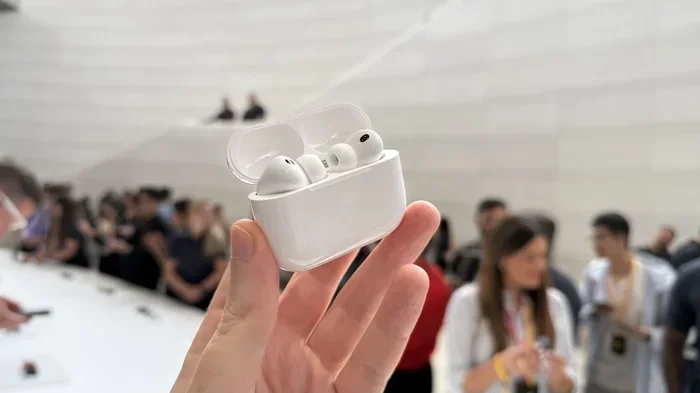
Featured image for AirPods noise cancellation demonstration
Image source: cdn.mos.cms.futurecdn.net
Yes, AirPods noise cancellation works remarkably well, especially in AirPods Pro and AirPods Max models. Using advanced Active Noise Cancellation (ANC) technology, these earbuds analyze surrounding sounds 200 times per second and create inverse sound waves to cancel unwanted noise. The system effectively blocks low-frequency sounds like airplane engines and air conditioners, while Transparency mode lets outside sounds in when needed. While not perfect for every situation, AirPods ANC provides a genuinely quieter, more immersive listening experience for most users.
Picture this: you’re sitting on a packed airplane, engines roaring, babies crying, and someone three rows back debating whether pineapple belongs on pizza (it does, but that’s another topic). You slip in your AirPods, tap the stem, and suddenly… silence. Well, almost silence. The world fades, and all you hear is your favorite song playing clearly.
This magical experience has a name: Active Noise Cancellation, or ANC. It’s one of the most asked-about features in modern earbuds. But does AirPod noise cancellation work as well as people claim? Is it just marketing hype, or genuine audio engineering?
In this comprehensive guide, we’ll break down exactly how AirPods noise cancellation works, which models have it, what it does well (and not so well), and how you can get the most out of this feature. Whether you’re a frequent flyer, a remote worker, or just someone who craves peace in a noisy world, this article has something for you.
Key Takeaways
- Active Noise Cancellation (ANC) is real technology: AirPods Pro and AirPods Max use built-in microphones and speakers to detect outside noise and cancel it with anti-noise sound waves.
- Not all AirPods have noise cancellation: Standard AirPods (1st through 4th generation) lack ANC, while AirPods Pro and AirPods Max include it.
- Best for low-frequency sounds: ANC works exceptionally well against constant, low-pitched noises like airplane engines, AC units, and traffic hum.
- Transparency mode offers the opposite: This feature intentionally lets outside sounds through, perfect for conversations and street safety.
- Battery drain is noticeable: Using ANC reduces listening time by roughly 20-30% compared to turning it off.
- Fit matters enormously: Proper ear tip sizing dramatically improves both noise cancellation and sound quality.
- Adaptive Audio (newer models): AirPods Pro 2nd generation can automatically blend ANC and Transparency based on your environment.
📑 Table of Contents
- Understanding Noise Cancellation: The Basics
- Which AirPods Have Noise Cancellation?
- Does AirPod Noise Cancellation Actually Work? Real-World Performance
- The Different Noise Control Modes Explained
- Tips to Maximize Your AirPods Noise Cancellation
- Common Myths About AirPods Noise Cancellation
- The Verdict: Are AirPods Noise Cancellation Worth It?
- Looking to the Future: What’s Next for AirPods ANC?
Understanding Noise Cancellation: The Basics
Before diving into AirPods specifically, let’s understand what noise cancellation really means. There are two main types you’ll encounter, and confusing them is one of the biggest myths floating around.
Passive Noise Isolation vs. Active Noise Cancellation
Passive noise isolation is simple: it just means physically blocking sound. Like putting your hands over your ears, or wearing earmuffs at a shooting range. When earbuds seal your ear canal, they’re doing passive isolation. Standard AirPods (without silicone tips) do very little of this. They just sit in your ear, letting lots of outside noise leak in.
Active Noise Cancellation is where the magic happens. This uses technology to “delete” sound waves. Think of it like this: if you drop a pebble in a pond, it makes ripples. Now imagine dropping another pebble at just the right moment to make ripples that cancel out the first ones. The water goes still. ANC does the same thing with sound waves.
Did You Know? The concept of active noise cancellation was first patented by Dr. Lawrence Fogel in 1954. It was originally developed for helicopter pilots and tank commanders who needed to protect their hearing while still communicating clearly.
AirPods Pro and AirPods Max use tiny microphones to listen to the world around you. They capture those sound waves, analyze them 200 times per second, and create an “anti-noise” sound wave that’s exactly opposite to the unwanted noise. When these two waves meet, they cancel each other out. It’s physics in action, and it’s genuinely impressive engineering.
How AirPods Specifically Implement ANC
Apple’s implementation is particularly clever. AirPods Pro have two microphones per earbud:
- Outward-facing microphone: This detects external noise before it reaches your ear.
- Inward-facing microphone: This listens to sound inside your ear canal and fine-tunes the cancellation in real time.
The H1 or H2 chip (depending on your model) processes this information incredibly fast. According to Apple, the H2 chip in AirPods Pro 2 performs up to 2x more active noise cancellation than the previous generation. This means better cancellation of low and mid-frequency sounds, including those annoying restaurant conversations and traffic noise.
Which AirPods Have Noise Cancellation?
This is where many people get confused. Not all AirPods are created equal when it comes to blocking noise.
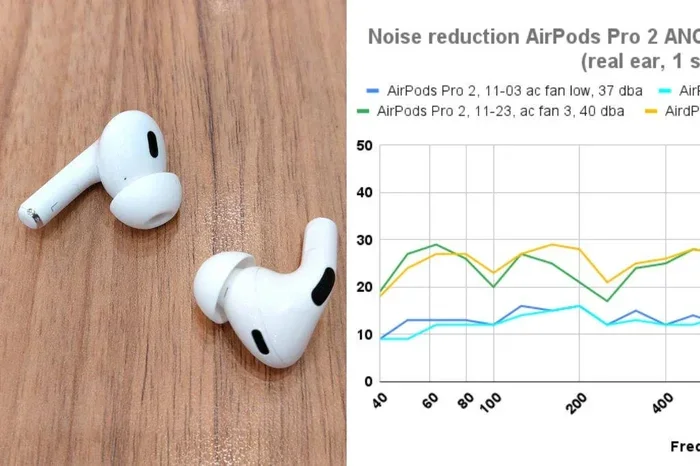
Visual guide about AirPods noise cancellation demonstration
Image source: cdn.noisyworld.org
AirPods Pro (1st and 2nd Generation): Yes
Both generations of AirPods Pro feature Active Noise Cancellation. The 2nd generation, released in 2022, takes it up a notch with the H2 chip, offering what Apple calls “2x more active noise cancellation” compared to the original AirPods Pro.
AirPods Max: Yes
Apple’s over-ear headphones, AirPods Max, also include ANC. With eight microphones dedicated to noise cancellation (compared to six in AirPods Pro), the larger design allows for even better noise blocking, especially for higher-frequency sounds.
Standard AirPods (All Generations): No
Here’s the crucial distinction: standard AirPods (1st, 2nd, 3rd, and 4th generation) do NOT have Active Noise Cancellation. They only offer passive noise isolation, which is minimal because of their non-sealing design.
Did You Know? The AirPods 4 (released September 2024) introduced ANC as a feature in one of its variants for the first time in the standard AirPods line. However, the base model AirPods 4 still does not have ANC. So it’s worth checking the specific model.
Quick Reference Table
- AirPods Pro 2: ANC with H2 chip, Adaptive Audio
- AirPods Pro 1: ANC with H1 chip
- AirPods Max: ANC with H1 chip, premium over-ear experience
- AirPods 4 (with ANC): ANC available in higher-tier model
- AirPods 4 (base): No ANC
- AirPods 1, 2, 3: No ANC
Does AirPod Noise Cancellation Actually Work? Real-World Performance
Now for the million-dollar question: does it actually work in practice? The short answer is yes, remarkably well, but with some important nuances.
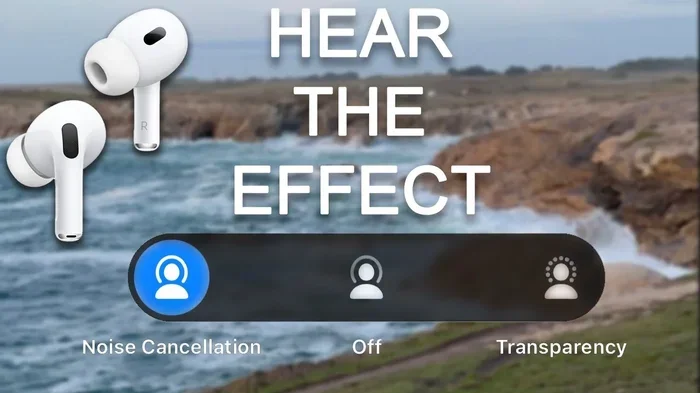
Visual guide about AirPods noise cancellation demonstration
Image source: i.ytimg.com
What AirPods ANC Does Best
AirPods noise cancellation truly shines with constant, low-frequency sounds. Think of noises that drone on and on:
- Airplane cabin noise: The drone of jet engines, which typically ranges from 100-1000 Hz, gets dramatically reduced.
- Air conditioners and fans: That constant hum? Practically gone.
- Traffic and train rumble: The low-frequency rumble of commuting becomes much quieter.
- Office hum: HVAC systems, computer fans, and general workplace drone become background whispers.
In these scenarios, AirPods Pro can reduce noise by up to 30-40 decibels, according to various independent tests. That’s a massive difference. It’s like going from a busy restaurant to a quiet library in terms of perceived loudness.
Where AirPods ANC Struggles
ANC technology has inherent limitations. It’s not magic, and there are situations where AirPods don’t perform as well:
- Sudden, sharp noises: A car horn, dog bark, or door slam isn’t cancelled effectively because ANC needs time to analyze and respond.
- High-frequency sounds: Baby screams, whistles, and certain speech frequencies are harder to eliminate because they have shorter wavelengths.
- Voices in quiet environments: Nearby conversations in a quiet room can still be partially heard, though they’re reduced.
- Wind: Wind can actually create noise in the microphones, causing rustling sounds. AirPods Pro 2 have improved wind noise reduction, but it’s still noticeable in very windy conditions.
Imagine trying to cancel waves in a pool. Long, rolling waves are easy to cancel with a perfectly timed splash. But quick, choppy waves? Much harder. ANC works the same way.
Comparing AirPods Pro to Competitors
How do AirPods stack up against other premium earbuds? In tests against competitors like Sony WF-1000XM5 and Bose QuietComfort Earbuds, AirPods Pro 2 perform competitively. Sony’s flagship often edges out AirPods slightly in pure noise cancellation tests, particularly in the mid-frequency range. However, AirPods Pro 2 offer superior integration with Apple devices and unique features like Adaptive Audio.
Did You Know? Independent testing by RTINGS.com found that AirPods Pro 2 achieve about 75-80% noise reduction in the low-frequency range, putting them in the top tier of true wireless earbuds for ANC performance.
The Different Noise Control Modes Explained
p>Modern AirPods Pro offer more than just on/off noise cancellation. They give you three distinct modes, each designed for different situations.
Active Noise Cancellation Mode
This is the “full immersion” mode. When you activate ANC, AirPods work aggressively to block outside noise. Use this when you want to focus, relax, or simply enjoy your music without distractions. It’s perfect for flights, busy cafés, and noisy commutes.
To activate, press and hold the force sensor on the AirPods stem, or use the Control Center on your iPhone. You can also set up Siri to switch modes hands-free.
Transparency Mode
Transparency is the opposite of ANC. Instead of blocking sound, it intentionally lets outside noise in through the earbuds, often amplified slightly for clarity. It’s like you’re not wearing earbuds at all, but with the benefit of still hearing your music.
When is Transparency mode useful?
- Walking on busy streets where you need to hear traffic
- Having quick conversations without removing them
- Listening for announcements at airports or train stations
- Running or cycling where situational awareness matters
Apple’s Transparency mode is particularly natural-sounding. It doesn’t feel artificial like some competitors’ transparency modes, which can have a slight “underwater” quality.
Adaptive Audio (AirPods Pro 2 Only)
Introduced in iOS 17, Adaptive Audio is like having a smart noise-cancellation assistant. It automatically blends ANC and Transparency based on your environment and what’s happening around you.
Imagine walking down the street: Adaptive Audio might let in traffic sounds for safety, but if you stop at a café, it gradually increases noise cancellation. If someone starts talking to you, it seamlessly switches to Transparency. It’s genuinely impressive and feels like science fiction.
Adaptive Audio also includes Conversation Awareness, which automatically lowers your music volume and turns on Transparency when you start speaking, making quick chats effortless.
Did You Know? Conversation Awareness can detect when YOU speak (not just others) and respond accordingly. It uses bone conduction sensors in the AirPods to tell the difference between your voice and other sounds.
Tips to Maximize Your AirPods Noise Cancellation
Buying AirPods Pro is one thing. Getting the best noise cancellation is another. Here’s how to optimize your experience.
Get the Right Ear Tip Fit
This is the single most important factor for effective noise cancellation. AirPods Pro come with four silicone tip sizes (XS, S, M, L). Most people don’t bother trying different sizes, which is a mistake.
To check your fit, use the Ear Tip Fit Test in iOS settings (Settings > AirPods > Ear Tip Fit Test). It plays a few seconds of music and uses the microphones to determine if you have a good seal. A proper seal should feel snug but comfortable, with no sound leaking in around the edges.
Think of it like a window seal. A window with gaps around it lets cold air in no matter how good your heater is. Similarly, a poor ear tip seal lets noise in regardless of how good your ANC chip is.
Keep Your AirPods Clean
Debris and earwax on your AirPods block both the speaker mesh and microphone ports. This reduces sound quality AND noise cancellation effectiveness. Clean your AirPods weekly with a soft, dry, lint-free cloth. For the mesh parts, use a dry cotton swab or soft-bristled brush.
Avoid getting moisture in any openings, and never use sharp objects to dig out debris.
Update Your Software
Apple frequently releases firmware updates that improve noise cancellation algorithms and fix bugs. Make sure your AirPods firmware is up to date. Usually, this happens automatically when your AirPods are near your iPhone and charging, but you can check in Settings > Bluetooth > tap your AirPods.
Use the Right Mode for the Situation
Don’t use ANC everywhere. Here are practical recommendations:
- Airplanes/trains: Full ANC for maximum quiet
- Offices: ANC with music at low volume
- Walking outdoors: Transparency mode for safety
- Home quiet time: Either mode works; ANC is great for focus
- Driving: Transparency mode (don’t use ANC while driving)
- Studying in cafés: Full ANC is your best friend
Manage Your Battery Expectations
ANC is power-hungry. AirPods Pro 2 get about 6 hours of listening time with ANC on, versus 7 hours with it off. AirPods Max get about 20 hours with ANC on. Plan accordingly, especially for long flights.
The charging case provides additional charges, but if you know you’ll be away from power for extended periods, consider turning ANC off when you don’t need it.
Common Myths About AirPods Noise Cancellation
Let’s clear up some persistent misconceptions about this technology.
Myth 1: “Noise Cancellation Blocks All Sound Completely”
This is the biggest myth. ANC does NOT create complete silence. Even with the most expensive noise-cancelling headphones, you’ll still hear some sounds, particularly sharp or high-frequency noises. ANC is best at reducing consistent, low-frequency noise, not eliminating every sound.
Think of it as turning down the volume on the world, not muting it.
Myth 2: “ANC Is Bad for Your Hearing”
Some people worry that noise cancellation might damage their hearing. The opposite is actually true. By blocking outside noise, ANC often allows you to listen at lower volumes than you would without it. This can actually protect your hearing long-term, especially in noisy environments where you’d otherwise crank up the volume to overcome ambient noise.
According to the WHO, over 1 billion young people worldwide are at risk of hearing loss due to loud recreational sounds. ANC can be part of a hearing-safe listening strategy.
Myth 3: “All AirPods Have the Same Noise Cancellation”
As we covered earlier, standard AirPods don’t have ANC at all. And even among models with ANC, performance varies. AirPods Max and AirPods Pro 2 outperform original AirPods Pro, which outperform the standard AirPods (which have none).
Myth 4: “Noise Cancellation Uses Radiation That Could Be Harmful”
This myth has circulated on social media but has no scientific basis. ANC uses sound waves, not electromagnetic radiation. The energy involved is comparable to playing music at low volume. No credible scientific study has linked ANC to health issues.
Myth 5: “ANC Drains Your Battery in Minutes”
While ANC does use more battery than turning it off, the difference is measured in hours, not minutes. With AirPods Pro 2, you’ll lose roughly 1 hour of total listening time. It’s a reasonable trade-off for the noise reduction benefit.
The Verdict: Are AirPods Noise Cancellation Worth It?
After exploring all the technical details and practical considerations, let’s answer the original question definitively: does AirPod noise cancellation work?
For Most People, Absolutely Yes
AirPods noise cancellation works remarkably well for its intended use cases. If you frequently deal with:
- Loud commutes on public transportation
- Airplane travel
- Open office environments
- Noisy roommates or family members
- Focus-needing study sessions
- General desire for audio peace
Then the noise cancellation in AirPods Pro or AirPods Max will genuinely improve your quality of life. It’s not a gimmick or marketing fluff. It’s legitimate, effective technology that millions of people rely on daily.
Who Might Not Benefit?
ANC might not be worth the premium price if you:
- Primarily use them at low volumes in quiet environments
- Need to hear everything around you for safety or accessibility reasons
- Don’t have an iPhone (though AirPods work with Android, some ANC features are limited)
- Find in-ear tips uncomfortable (consider AirPods Max instead)
The Bottom Line
AirPods noise cancellation isn’t perfect, but it’s among the best in the industry. Apple has invested heavily in this technology, and it shows in real-world performance. Whether you choose AirPods Pro 2 for portability or AirPods Max for premium over-ear comfort, you’re getting effective, well-engineered noise cancellation that can transform how you experience audio.
If you’re on the fence, visit an Apple Store or authorized retailer and try the demo units. Many stores have specific noise-cancelling demos that simulate airplane or café noise. Hearing (or rather, not hearing) is believing.
Looking to the Future: What’s Next for AirPods ANC?
The technology continues to evolve. Apple has filed patents suggesting future AirPods might include:
- Better situational awareness: AirPods that can identify specific sounds (alarms, voices) and respond intelligently
- Health monitoring: Using microphones and sensors for heart rate, temperature, or posture monitoring
- Improved voice clarity: Even better noise cancellation specifically for phone calls and Siri
- Personalized sound profiles: Audio tuned to your specific ear shape and hearing characteristics
For now, current AirPods Pro 2 and AirPods Max offer some of the best noise cancellation available in consumer audio. The technology works, and it works well. As one satisfied user put it in a review: “It’s like having a mute button for reality.”
Whether that’s worth the investment depends on your lifestyle, but for anyone dealing with regular noise pollution, AirPods noise cancellation is a genuinely life-improving feature that delivers on its promises.
Frequently Asked Questions
Does AirPods noise cancellation work without music playing?
Yes, you can use Active Noise Cancellation on AirPods Pro and AirPods Max without playing any audio. The feature works independently of music playback, simply to reduce ambient noise. Many people use ANC this way for focus, meditation, or just quiet time in noisy environments.
Does AirPod noise cancellation work on airplanes?
Absolutely. Airplanes are actually one of the best use cases for AirPods noise cancellation. The constant low-frequency drone of jet engines is exactly the type of sound ANC is designed to combat. Most users report dramatic reductions in cabin noise, making flights significantly more pleasant and less fatiguing.
Does AirPods 4 noise cancellation work as well as AirPods Pro?
The AirPods 4 with ANC feature offers decent noise cancellation but doesn’t match the effectiveness of AirPods Pro 2. The standard AirPods’ non-sealing design limits passive noise isolation, which reduces overall ANC performance. If noise cancellation is your priority, AirPods Pro remain the better choice.
Does noise cancellation damage your hearing?
No, noise cancellation does not damage hearing. In fact, it may protect your hearing by allowing you to listen at lower volumes in noisy environments. The technology uses inverse sound waves, not harmful radiation or frequencies. No health risks have been identified in scientific studies of ANC technology.
Does AirPods Pro noise cancellation work for sleeping?
Yes, many people use AirPods Pro for sleep due to their noise cancellation. They work well for blocking snoring, traffic noise, and other sleep disturbances. However, comfort varies by sleeping position, and battery life (around 6 hours with ANC) may not last through the entire night for some users.
Does AirPod noise cancellation work with Android phones?
AirPods noise cancellation works with Android devices for basic functionality, including ANC and Transparency modes. However, some Apple-specific features like Adaptive Audio, spatial audio, and automatic ear detection are limited or unavailable on Android. You’ll need an iPhone for the complete AirPods experience.