Yes, USBA2 (USB-A 2.0) ports can work for charging AirPods, but performance varies based on the charging case type. Wired AirPods cases (Lightning or USB-C) will charge at standard speeds, while wireless charging cases won’t connect to USBA2 at all since they need a charging mat. Understanding your specific AirPods model and the type of cable you use will help you get the best charging experience from any USBA2 port.
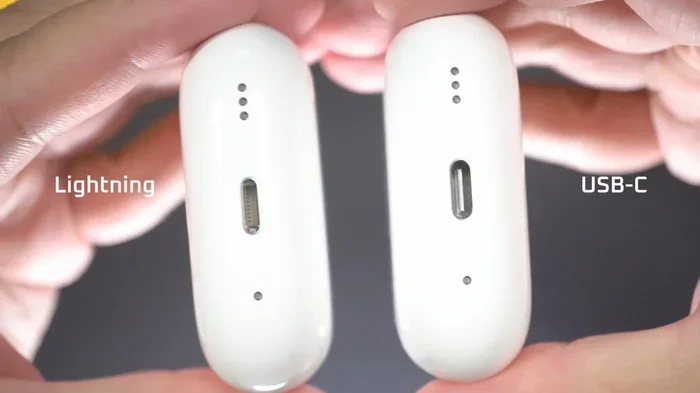
Featured image for USB-C to Lightning AirPods charging
Image source: images.squarespace-cdn.com
Have you ever grabbed your AirPods only to find them completely dead right before an important call? We’ve all been there. In that moment of panic, you might grab the nearest charging cable and plug it into whatever port you can find, hoping for the best.
If that port happens to be an older USBA2 connection, you might wonder if it’s actually doing anything. Will it charge your AirPods? Will it damage the battery? Will it take forever? These are smart questions, and the answers might surprise you.
The good news is that AirPods are designed to be incredibly flexible when it comes to charging. Whether you’re using a brand-new USBC port or a trusty old USBA2 connection, your AirPods will likely charge just fine. Let’s break down everything you need to know about using USBA2 with your AirPods and why you probably don’t need to worry at all.
Key Takeaways
- USBA2 is Fully Compatible with AirPods Charging: Any USB-A 2.0 port can provide power to charge AirPods using the correct cable (Lightning or USB-C, depending on your model).
- Charging Speed Differences Are Minimal: AirPods draw very little power (around 0.5W to 1W), so even USBA2’s lower 2.5W output is more than enough for a full charge.
- Wireless Charging Cases Need Different Solutions: If you have AirPods with a wireless charging case, USBA2 alone won’t work; you’ll still need a Qi-compatible charging mat.
- USBA2 Ports Are Universal: You can find them on older computers, wall adapters, power banks, car chargers, and even some modern laptops.
- Safety Is Not a Concern: AirPods have built-in charging management that prevents overcharging, regardless of whether you use USBA2 or USBC.
- Cable Quality Matters More Than Port Type: A damaged or low-quality cable will cause charging issues long before the port type becomes a problem.
- Data Transfer Is Not Supported: While USBA2 can charge AirPods, it cannot sync data like firmware updates through standard charging methods.
📑 Table of Contents
- What Exactly Is USBA2 and How Does It Work?
- Does USBA2 Actually Charge AirPods?
- Which AirPods Models Work with USBA2?
- Where Can You Find USBA2 Ports to Use?
- Common Myths and Misconceptions About USBA2 and AirPods
- Best Practices for Charging AirPods with USBA2
- Troubleshooting Common USBA2 Charging Issues
- The Future of AirPods Charging
- Final Verdict: USBA2 and AirPods Compatibility
What Exactly Is USBA2 and How Does It Work?
Before we dive into AirPods specifically, let’s make sure we’re all on the same page about what USBA2 actually means. Think of USBA2 as the “middle child” of USB connections, not the oldest, but certainly not the newest either.
The Basics of USB-A 2.0
USB-A 2.0 is a rectangular USB port that you’ve probably seen on computers, chargers, and other electronics for the past two decades. The “2.0” part refers to the version of the USB standard it follows, which was released back in April 2000. Yes, the technology is over 24 years old, but it’s still incredibly common.
Here’s a simple analogy: think of USBA2 like a regular water faucet. It can deliver water (or in this case, power), and it does its job reliably. It might not be the fastest or most modern faucet out there, but it still works perfectly well for most everyday tasks.
In terms of power output, USBA2 ports typically provide 5 volts of power at 500 milliamps (mA), which equals about 2.5 watts. For comparison, a modern USBC port can deliver up to 100 watts. That sounds like a huge difference, but here’s the thing: AirPods don’t need much power to charge at all.
Why USBA2 Still Matters Today
Even though newer standards exist, USBA2 ports are everywhere. Your older laptop probably has them. Your car likely has them. Many wall chargers still include them. According to a 2023 report by the USB Implementers Forum, over 10 billion USB-A devices are still in active use worldwide.
Did you know that USBA2 was originally designed to standardize the messy world of computer ports in the late 1990s? Before USB, connecting devices to computers was a nightmare of proprietary cables and confusing connectors. USBA2 helped bring order to that chaos, and its legacy continues today.
Does USBA2 Actually Charge AirPods?
The short answer is yes, absolutely. The longer answer involves understanding why it works so well, despite USBA2 being an older technology.
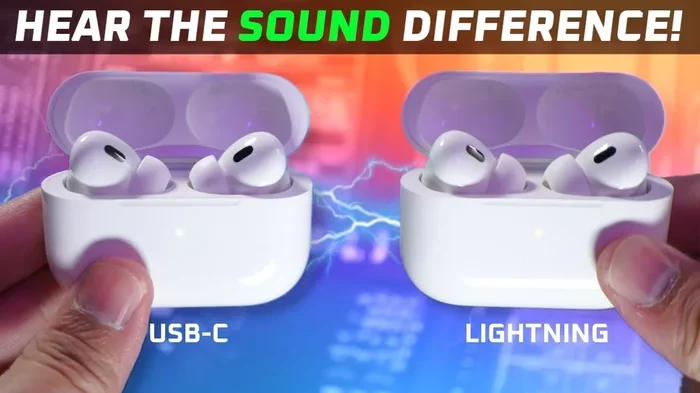
Visual guide about USB-C to Lightning AirPods charging
Image source: i.ytimg.com
The Simple Science Behind AirPods Charging
AirPods cases contain small lithium-ion batteries that need a relatively modest amount of power to charge. According to Apple’s technical specifications, AirPods cases typically charge at around 0.5 to 1 watt of power. Compare that to USBA2’s 2.5-watt output, and you can see that there’s plenty of power to go around.
Think of it like filling a small cup with water from a garden hose. The hose can deliver way more water than the cup can hold, but you can still fill the cup just fine. You just need to be careful not to overflow it. Luckily, AirPods have built-in smarts to prevent that overflow.
Whether you have AirPods 1, 2, 3, 4, Pro, or Pro 2, they all use the same basic charging principle. The case has a charging port (either Lightning or USBC, depending on when you bought them), and that port connects to any compatible power source via cable.
Real-World Charging Times with USBA2
So how long does it actually take to charge AirPods using a USBA2 port? The answer might shock you, in a good way.
For a standard AirPods case (not the wireless version), you can expect a full charge in about 1 to 2 hours when using a USBA2 connection. This is essentially the same amount of time you’d get with any other charging method. A quick 15-minute charge can give you around 3 hours of listening time, which is perfect for those moments when you need a quick boost before heading out.
Did you know that AirPods use a technology called “trickle charging” once they reach 80% capacity? This means they charge quickly at first and then slow down to protect battery health. This smart feature works regardless of whether you’re using USBA2 or USBC, so your battery stays healthy no matter what.
Which AirPods Models Work with USBA2?
Here’s where things get a bit more nuanced. Not all AirPods are created equal when it comes to charging, but the good news is that most of them play nicely with USBA2.
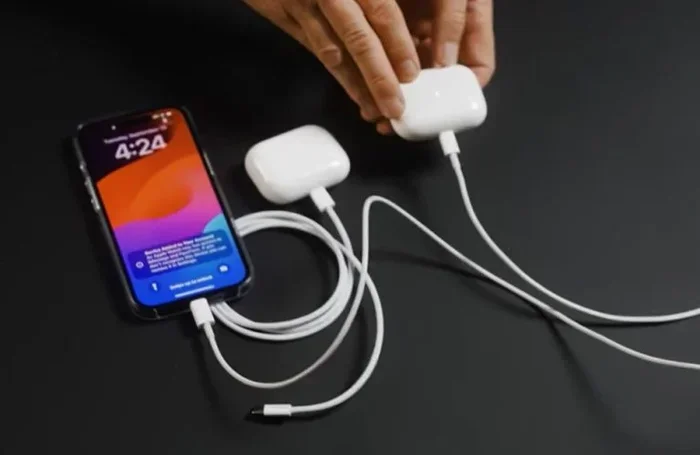
Visual guide about USB-C to Lightning AirPods charging
Image source: applegadgetsbd.com
AirPods with Wired Charging Cases
If you have a standard AirPods case that uses a cable to charge, you’re in great shape. These cases have either a Lightning port (for older models) or a USBC port (for newer models). Both of these can connect to a USBA2 port with the right cable.
For Lightning-port AirPods cases, you’ll need a USB-A to Lightning cable. For USBC-port cases, you’ll need a USB-A to USBC cable. Both cable types are widely available and relatively inexpensive. Think of these cables as translators that help two different ports talk to each other.
The following AirPods models come with or are available in wired charging case versions:
- AirPods (1st generation) – Lightning port
- AirPods (2nd generation) – Lightning port
- AirPods (3rd generation) – Lightning port
- AirPods (4th generation) – USBC port
- AirPods Pro (1st generation) – Lightning port
- AirPods Pro (2nd generation) – USBC port (with MagSafe)
All of these will work perfectly fine with a USBA2 port, as long as you have the correct cable.
AirPods with Wireless Charging Cases
Here’s where things get a little different. If you have a wireless charging case for your AirPods, it still has a port for wired charging. So even wireless cases can be charged via USBA2 using a cable. The “wireless” part just means you have the option to charge without a cable.
However, if you’re hoping to use USBA2 to enable wireless charging somehow, that won’t work. USBA2 is a wired connection. To charge wirelessly, you need a Qi-compatible charging mat or a MagSafe charger (for newer models). The USBA2 port just provides power through a physical cable connection.
Think of it like this: a wireless charging case has two doors. The USBA2 cable uses one door (the wired one), and a charging mat uses the other door (the wireless one). You can use either door, but they’re not interchangeable.
Where Can You Find USBA2 Ports to Use?
One of the best things about USBA2 is that the ports are absolutely everywhere. You probably have several within arm’s reach right now.
Common Places to Find USBA2 Ports
Older computers and laptops: If your computer is more than a few years old, it almost certainly has USBA2 ports. Many newer laptops still include at least one for compatibility with older accessories.
Wall chargers and power adapters: Many phone and tablet chargers still include USBA2 ports. Even some newer USBC chargers come with additional USBA2 ports for convenience.
Power banks: Portable chargers commonly feature USBA2 ports because they’re compatible with so many devices.
Car chargers and dashboards: Many vehicles, especially those from the 2010s and early 2020s, include USBA2 ports for charging devices on the go.
Airports, planes, and public charging stations: These public charging spots often feature USBA2 ports because they’re so widely compatible.
Gaming consoles and TVs: Many living room electronics still include USBA2 ports that can be used for charging small devices like AirPods.
According to a 2022 survey by Statista, approximately 65% of households in the United States still have at least one device with USBA2 ports in active use. That’s a lot of potential charging locations for your AirPods.
Best USBA2 Sources for Charging AirPods
Not all USBA2 power sources are created equal. Some will charge your AirPods faster than others, though the difference is usually minimal due to AirPods’ low power requirements.
Wall chargers tend to be the most reliable because they provide consistent power. Computer ports are convenient but might charge slightly slower if the computer is in sleep mode. Power banks are great for travel but make sure they’re charged up first. Car chargers work well but may charge slower when the engine is off to preserve your car battery.
Common Myths and Misconceptions About USBA2 and AirPods
With so much information floating around online, it’s easy to get confused about what’s true and what’s not. Let’s clear up some common myths.
Myth 1: USBA2 Will Damage AirPods Battery
This is completely false. AirPods have sophisticated battery management systems that regulate how much power they receive. Whether you’re using USBA2, USBC, or even a wireless charger, your AirPods will only draw as much power as they need. There’s no risk of “overpowering” them.
Think of it like a sponge and water. You can pour as much water as you want near a sponge, but it’ll only absorb what it can hold. AirPods work the same way with electricity.
Myth 2: USBA2 Charges Much Slower Than USBC
For AirPods specifically, this myth is largely irrelevant. Because AirPods require so little power, the difference between USBA2 and USBC charging speeds is negligible, usually just a few minutes difference at most.
Where USBC truly shines is with larger devices like MacBooks, iPads, and iPhones, which can take advantage of faster charging speeds. AirPods simply don’t need that extra speed, so USBA2 is perfectly adequate.
Myth 3: You Need Special Cables for USBA2
You don’t need any special or proprietary cables. Any certified USB-A to Lightning or USB-A to USBC cable will work just fine. Apple’s own cables work great, as do third-party options from reputable brands like Anker, Belkin, and Amazon Basics.
Just be sure to avoid extremely cheap, no-name cables, as they may not meet safety standards. A good cable typically costs between $8 and $15, which is a small price to pay for reliability and safety.
Myth 4: USBA2 Ports Are Being Phased Out Completely
While USBC is becoming the new standard, especially in newer devices, USBA2 isn’t disappearing overnight. The transition will take many years, and USBA2 ports will remain common well into the 2030s.
Did you know that the European Union’s common charger directive, which mandates USBC for many devices, includes specific exemptions for devices that only need low power? AirPods, with their minimal charging requirements, fall into a category where USBA2 will continue to be viable for years to come.
Best Practices for Charging AirPods with USBA2
Now that you know USBA2 works great with AirPods, let’s talk about how to get the best results and keep your AirPods in great shape for years to come.
Use Quality Cables
The cable you use matters more than the port type. A frayed, damaged, or poorly made cable can cause inconsistent charging, slower speeds, or even potential safety issues. Invest in a good cable and replace it if you notice any damage.
Look for cables that are MFi certified (Made for iPhone) if you’re using Lightning connectors, or cables that meet USB-IF standards for USBC connections. These certifications ensure the cable meets quality and safety requirements.
Keep Ports Clean
Both your AirPods case charging port and the USBA2 port you’re using should be clean and free of debris. Pocket lint, dust, and other particles can accumulate in ports and prevent proper connections. A can of compressed air or a soft, dry brush can help keep ports clean.
Make it a habit to check your AirPods case port every few weeks, especially if you carry your AirPods in a pocket or bag. A clean port ensures a solid connection and reliable charging.
Avoid Extreme Temperatures
While this applies to any charging method, it’s worth mentioning. Charging your AirPods in extreme heat or cold can affect battery health. Apple recommends charging AirPods in environments between 0°C and 35°C (32°F to 95°F). Your car dashboard in summer or a freezing car in winter would be poor choices for charging.
Don’t Worry About Overcharging
Modern lithium-ion batteries, like the ones in your AirPods, are designed to stop charging once they reach 100%. You can leave them plugged in overnight without any worry about damaging the battery. The charging circuitry handles everything automatically.
However, if you want to maximize long-term battery health, some experts recommend keeping the charge between 20% and 80% when possible. For most people, this level of care isn’t practical, so don’t stress about it too much.
Troubleshooting Common USBA2 Charging Issues
Even though USBA2 charging is generally reliable, sometimes things don’t work as expected. Here are some common issues and how to solve them.
AirPods Not Charging at All
If your AirPods aren’t charging when connected to a USBA2 port, try these steps:
- Check the cable: Try a different cable to rule out a faulty connection.
- Check the port: Try a different USBA2 port to see if the issue is with the port itself.
- Clean both ends: Use compressed air or a soft brush to clean both the AirPods case port and the cable connector.
- Reset your AirPods: Sometimes a software glitch can prevent charging. Hold the setup button on the case for about 15 seconds until the light flashes amber, then white.
- Check for debris in the case: Make sure the AirPods themselves are seated properly in the case and that there’s nothing blocking the connection.
Slow or Intermittent Charging
If your AirPods are charging but slower than usual, or the charging is inconsistent, the issue is often related to the cable or power source. Try a different cable and power source combination to identify the culprit.
Computer USBA2 ports sometimes provide less power when the computer is in sleep mode or using battery power. Make sure your computer is plugged in and awake if you’re using it as a power source.
AirPods Getting Hot While Charging
A little warmth is normal during charging, but if your AirPods case is getting noticeably hot, something might be wrong. Disconnect them immediately and try a different cable and power source. If the problem persists, contact Apple Support, as there might be a hardware issue.
According to Apple’s support documentation, AirPods should not feel uncomfortably hot during charging. Warm is okay; hot is not.
The Future of AirPods Charging
As technology continues to evolve, it’s worth considering what the future holds for AirPods charging and where USBA2 fits into that picture.
The Shift Toward USBC
Apple has been gradually transitioning its products to USBC, largely due to regulatory pressure in Europe and the broader industry trend toward this universal standard. The AirPods Pro 2nd generation with USBC, released in September 2023, marked a significant step in this transition.
However, even as USBC becomes more common, USBA2 will remain relevant for years to come. The installed base of USBA2 devices is simply too large to disappear quickly. Industry analysts at IDC predict that USBA2 will remain in active use through at least 2030, particularly in markets with slower technology adoption rates.
Wireless Charging Improvements
Apple continues to improve wireless charging capabilities in its AirPods lineup. The latest AirPods Pro support MagSafe charging, which uses magnets to align the case perfectly on the charging pad. This technology is likely to expand to more AirPods models in the future.
Despite these advancements, wired charging via USBA2 or USBC will remain the most reliable and universal method for the foreseeable future. Wireless charging is convenient but generally slower and requires specific hardware that not everyone has.
What This Means for You
If you’re currently using USBA2 to charge your AirPods, keep doing it. It works, it’s safe, and it’s convenient. As you upgrade your devices over time, you might naturally transition to USBC, but there’s no rush. Your AirPods don’t care which type of USB port you use, as long as the cable is good and the connection is solid.
Did you know that Apple’s environmental goals include making all their products carbon neutral by 2030? Part of this effort involves designing products that last longer and work with existing accessories. Your AirPods working with USBA2 is just one small way Apple supports sustainability by reducing electronic waste.
Final Verdict: USBA2 and AirPods Compatibility
So, does USBA2 work for AirPods? The answer is a resounding yes. USBA2 ports provide more than enough power to charge your AirPods safely and efficiently. Whether you’re using an old laptop, a wall adapter, a power bank, or your car’s built-in USB port, your AirPods will charge up just fine.
The key things to remember are simple: use a good quality cable, keep your ports clean, and don’t worry about the technical details. AirPods are designed to be user-friendly, and that includes working with virtually any power source you have available.
While newer charging technologies like USBC and MagSafe offer certain advantages, USBA2 remains a perfectly valid option for AirPods charging. The charging speed differences are minimal for such a small device, and the convenience of using any available USB-A port can be a lifesaver in many situations.
Next time you find yourself with dead AirPods and a USBA2 port nearby, you can charge them with complete confidence. Your AirPods will be ready to go when you need them, no matter what type of USB port you use. That’s the beauty of well-designed technology, it just works, regardless of the connection type.
Frequently Asked Questions
Does USBA2 charge AirPods as fast as USBC?
For AirPods, the difference in charging speed between USBA2 and USBC is minimal, typically just a few minutes. AirPods require very little power to charge, so both port types provide more than enough energy for efficient charging.
Can I use any USB-A cable to charge my AirPods?
You need the correct cable type for your specific AirPods case. If your case has a Lightning port, use a USB-A to Lightning cable. If it has a USBC port, use a USB-A to USBC cable. Always choose quality cables from reputable brands.
Will USBA2 damage my AirPods battery over time?
No, USBA2 will not damage your AirPods battery. AirPods have built-in charging management systems that regulate power input, preventing any harm from using USBA2 ports instead of newer USBC connections.
Can I charge AirPods Pro with a USBA2 port?
Yes, you can charge AirPods Pro using a USBA2 port with the appropriate cable. The wired charging option works regardless of whether you have the wireless charging case or the MagSafe case, as all cases include a physical charging port.
Is it safe to charge AirPods from a computer’s USBA2 port?
Yes, charging AirPods from a computer’s USBA2 port is completely safe. Just be aware that the port may provide slightly less power when the computer is in sleep mode or running on battery, which could result in slower charging.
How long does it take to fully charge AirPods using USBA2?
A full charge typically takes between 1 to 2 hours using a USBA2 port, similar to other charging methods. A quick 15-minute charge can provide approximately 3 hours of listening time, which is perfect for quick top-ups before heading out.