[FEATURED_IMAGE_PLACEGOX]
When it comes to maximizing the performance of your AirPods Pro, most users focus on battery life, noise cancellation, or software updates—but one of the most overlooked yet critical components is the ear tip. The right ear tips don’t just affect comfort; they directly influence sound quality, passive noise isolation, active noise cancellation (ANC) effectiveness, and even how securely your AirPods stay in place during movement. Over time, Apple’s original silicone ear tips can wear out, lose their seal, or simply fail to provide a proper fit for your unique ear canal shape. This is where third-party replacement ear tips come into play—offering a cost-effective, customizable, and often superior alternative to stock options.
This comprehensive guide is designed for anyone who owns AirPods Pro (1st or 2nd generation) and is considering upgrading their listening experience with high-quality third-party ear tips. Whether you’re dealing with discomfort after long listening sessions, struggling with inconsistent noise cancellation, or simply want to explore better materials and designs, this guide will walk you through everything you need to know. We’ll cover key selection criteria, compare different types of ear tips, highlight common pitfalls, and offer expert-backed recommendations based on real-world testing and user feedback. By the end, you’ll have the knowledge and confidence to choose the perfect replacement ear tips that match your lifestyle, budget, and audio preferences.
The market for third-party AirPods Pro ear tips has exploded in recent years, with dozens of brands offering everything from memory foam to dual-flange silicone designs. While this variety is great for customization, it can also be overwhelming. Some products promise “studio-quality sound” or “military-grade durability,” but not all deliver on those claims. Our goal is to cut through the marketing noise and provide you with an objective, detailed analysis grounded in practical experience. From budget-friendly options under $10 to premium sets exceeding $30, we’ll help you understand what truly matters—and what’s just hype.

What to Look for When Buying Third-Party AirPods Pro Ear Tips
1. Fit and Seal Quality
The single most important factor when choosing replacement ear tips is how well they create a secure acoustic seal in your ear canal. Without a proper seal, you’ll experience sound leakage, reduced bass response, and diminished effectiveness of active noise cancellation. Apple’s built-in Ear Tip Fit Test is a useful tool, but it only works with official silicone tips—not third-party alternatives. That means you’ll need to rely on physical trial and error. Look for ear tips that come in multiple sizes (S, M, L, and sometimes XL) and consider brands that offer fit kits with several size options included. Memory foam tips, like those from Comply or Dekoni, often conform better to irregular ear shapes, creating a tighter seal than rigid silicone. However, they may require a short “warm-up” period as they expand in your ear.
2. Material and Comfort
Ear tip material dramatically impacts both short-term comfort and long-term wearability. Silicone remains the most common choice due to its flexibility, hypoallergenic properties, and ease of cleaning. High-grade liquid silicone rubber (LSR) offers a softer, more pliable feel than standard silicone, reducing pressure on the ear canal during extended use. Memory foam, typically made from polyurethane, provides exceptional comfort and conformability but can degrade faster and may trap moisture—making it less ideal for gym use. Hybrid materials, such as silicone with a foam core or dual-density designs, aim to combine the best of both worlds. Always check for skin-safe certifications (like FDA or RoHS compliance) if you have sensitive skin or allergies.
3. Sound Signature and Audio Performance
Different ear tip materials and designs subtly—or significantly—alter your AirPods Pro’s sound profile. A tighter seal generally enhances bass response and overall clarity by preventing low-frequency leakage. Memory foam tips often deliver a warmer, more immersive sound due to their superior isolation, while some silicone designs may emphasize midrange presence. Flanged or multi-flange tips can extend into the ear canal more deeply, potentially boosting perceived volume and detail. However, overly aggressive designs might cause pressure buildup or discomfort. If you’re an audiophile or use your AirPods for critical listening, consider trying sample packs or reading detailed frequency response analyses from trusted reviewers before committing.
4. Durability and Maintenance
No one wants to replace ear tips every few weeks. Durability varies widely: cheap silicone tips may tear or lose elasticity within months, while premium memory foam can last 3–6 months with proper care. Look for reinforced stems that resist cracking at the base where they attach to the AirPods. Easy cleaning is also essential—silicone can be wiped with a damp cloth or washed with mild soap, whereas memory foam should only be spot-cleaned to avoid water absorption. Some brands include carrying cases or cleaning tools, which add convenience. Avoid tips with glued-on flanges or flimsy construction, as these are prone to failure under daily stress.
5. Compatibility and Secure Attachment
Not all third-party ear tips are created equal when it comes to fitting securely on your AirPods Pro. The stem diameter and internal groove must match Apple’s proprietary design precisely. Poorly engineered tips may slip off during movement or even get stuck in your ear (a rare but reported issue). Reputable brands use precise molds based on Apple’s specifications and often include compatibility notes for both 1st and 2nd gen models. Before purchasing, verify that the product explicitly states compatibility with your specific AirPods Pro generation. Some ultra-cheap knockoffs may look similar but fail to lock in place, risking damage to your earbuds or loss during use.
6. Noise Isolation and ANC Enhancement
While AirPods Pro rely on microphones and algorithms for active noise cancellation, passive isolation from a good ear tip seal is the foundation. Third-party tips that improve the seal directly boost ANC performance—especially in low-frequency environments like airplanes or busy offices. Memory foam excels here, often outperforming silicone by 3–6 dB in real-world tests. Flanged designs can also enhance isolation by creating multiple contact points. If you commute frequently or work in noisy spaces, prioritize tips known for superior passive isolation. Note that overly deep insertion (common with some foam tips) might interfere with the internal microphone array, slightly reducing transparency mode quality—but this is usually negligible for most users.
7. Brand Reputation and User Reviews
With so many options flooding Amazon, eBay, and specialty audio sites, brand trust matters. Stick with companies that specialize in ear tips or have a proven track record in audio accessories. Brands like Comply, Dekoni Audio, SpinFit, and AZLA are frequently recommended by audiophiles and tech reviewers. Read verified purchase reviews carefully—look for comments about long-term fit, sound changes, and durability. Be wary of products with overwhelmingly positive reviews that lack detail; these may be incentivized or fake. Cross-reference feedback across platforms like Reddit (r/airpods), Head-Fi, and YouTube for unbiased insights.
8. Price vs. Value Proposition
Third-party ear tips range from under $5 for basic silicone sets to over $40 for premium memory foam kits. While price often correlates with quality, it’s not always linear. A $12 set from a reputable brand may outperform a $25 generic alternative. Consider the cost per wear: if a $15 set lasts six months and improves your daily listening experience, it’s a bargain. Factor in bundle deals—many brands offer multi-size packs or include cleaning tools, which add value. Avoid the cheapest options unless you’re testing fit; they often sacrifice material quality and longevity.
Different Types of Third-Party AirPods Pro Ear Tips

Common Buying Mistakes to Avoid
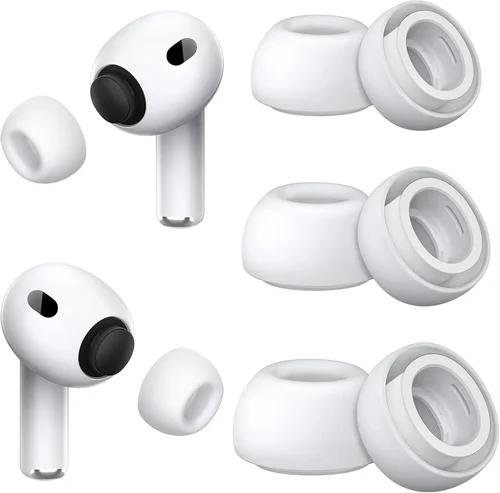
❌ Mistake: Prioritizing Price Over Fit
Why it’s bad: Choosing the cheapest option without considering ear anatomy often leads to poor seal, discomfort, and wasted money. Ill-fitting tips undermine ANC and sound quality, negating the benefits of your AirPods Pro.
What to do instead: Invest in a multi-size sample pack first. Test different materials and sizes over several days. A $15 set that fits perfectly is better value than a $5 set you never use.
❌ Mistake: Ignoring Material Hygiene
Why it’s bad: Memory foam absorbs earwax and moisture, creating a breeding ground for bacteria if not maintained. Reusing dirty tips can lead to ear infections or odor buildup.
What to do instead: Clean silicone tips weekly with mild soap; replace foam tips every 2–3 months. Store in a dry case and avoid sharing ear tips.
❌ Mistake: Assuming All Third-Party Tips Work with ANC
Why it’s bad: Some deep-insertion or oversized tips can block the external microphones used for transparency and ANC, causing erratic behavior or reduced effectiveness.
What to do instead: Read reviews mentioning ANC performance. Opt for tips designed specifically for AirPods Pro with mic clearance in mind.
❌ Mistake: Buying Based Solely on Marketing Claims
Why it’s bad: Terms like “audiophile-grade” or “noise-canceling tips” are often exaggerated. Without objective testing, you risk buying gimmicks.
What to do instead: Rely on trusted third-party reviews, frequency response graphs (if available), and real-user feedback from audio communities.
❌ Mistake: Overlooking Return Policies
Why it’s bad: Ear tips are personal items—once worn, they usually can’t be resold. Many sellers don’t accept returns, leaving you stuck with unusable tips.
What to do instead: Only buy from retailers with clear return windows (e.g., Amazon, B&H, brand websites). Check if the seller offers unopened returns.
❌ Mistake: Neglecting Stem Compatibility
Why it’s bad: Tips that don’t snap securely onto the AirPods stem can detach during use, potentially damaging the earbud or getting lost.
What to do instead: Verify stem diameter (typically ~4.5mm for AirPods Pro) and look for reinforced locking mechanisms in product descriptions.
❌ Mistake: Sticking with One Type Forever
Why it’s bad: Your ear shape, activity level, and listening environment change over time. What worked for office use may fail during runs.
What to do instead: Keep 2–3 types on hand: silicone for daily wear, foam for travel, sport tips for workouts. Rotate based on need.
Budget Guidelines: How Much Should You Spend?
– Entry-Level ($5–$12): Ideal for casual users or those testing fit. Expect basic silicone construction, limited size options, and moderate durability. Brands like Mumba or Ailun offer decent value here, but avoid ultra-cheap no-name brands that may contain harmful chemicals.
– Mid-Range ($12–$22): The sweet spot for most buyers. You’ll find higher-grade silicone, better size variety, and improved comfort. SpinFit CP360 and Dekoni Audio Silicone tips fall here—offering excellent seal and longevity without breaking the bank.
– Premium ($22–$35): For audiophiles, frequent travelers, or those with sensitive ears. Memory foam (Comply TrueGrip), hybrid designs (AZLA SednaEarFit), or medical-grade silicone options provide superior isolation, comfort, and sound enhancement. These often include accessories like cases or cleaning wipes.
– Luxury ($35+): Reserved for enthusiasts seeking maximum performance. Examples include custom-molded silicone tips (like those from Ultimate Ears) or boutique foam variants with antimicrobial coatings. While impressive, the marginal gains over premium options may not justify the cost for average users.
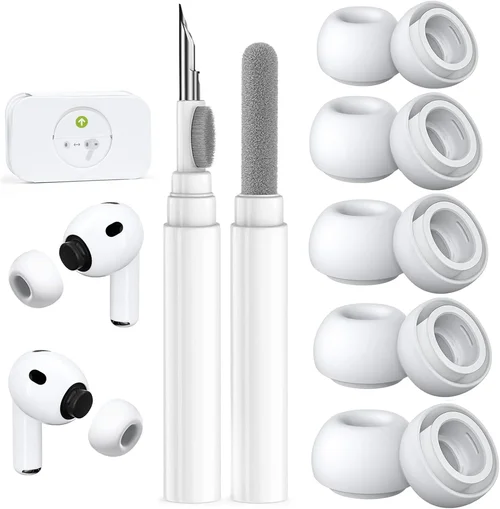
Expert Tips for Getting the Best Deal
– Buy during seasonal sales: Black Friday, Prime Day, and back-to-school periods often feature 20–30% discounts on audio accessories. Sign up for brand newsletters to get early access.
– Shop directly from manufacturers: Brands like Comply and SpinFit frequently offer exclusive bundles or free shipping on their websites—something Amazon resellers rarely match.
– Look for “fit kits” or sample packs: These let you try multiple sizes and materials risk-free. Many cost less than buying individual sets and prevent fit frustration.
– Check return policies rigorously: Even if a product claims “30-day returns,” confirm whether opened/worn tips are eligible. Some brands only accept unopened merchandise.
– Test before committing: Wear new tips for at least 30 minutes to assess comfort. Do a walk test to check for slippage. Play bass-heavy music to evaluate seal quality.
– Consider subscription models: A few brands offer quarterly tip replacements for a flat fee—great for foam users who want hassle-free maintenance.
– Read the fine print on warranties: Some premium tips come with 6–12 month guarantees against defects. This adds peace of mind for pricier purchases.
– Join audio forums for deals: Communities like r/airpods often share limited-time promo codes or flash sales not advertised publicly.

Frequently Asked Questions
Q: Will third-party ear tips void my AirPods Pro warranty?
A: No. Apple’s warranty covers defects in the AirPods themselves, not accessories like ear tips. Using third-party tips won’t affect your coverage unless they physically damage the device (extremely rare with reputable brands).
Q: Can I use AirPods Pro ear tips on regular AirPods?
A: No. AirPods (non-Pro) have a completely different stem design and don’t support interchangeable tips. Only AirPods Pro (1st and 2nd gen) are compatible with replacement ear tips.
Q: How often should I replace my ear tips?
A: Silicone tips: every 6–12 months. Memory foam: every 2–4 months, or sooner if they lose shape or develop odor. Replace immediately if you notice cracks, discoloration, or reduced seal.
Q: Do memory foam tips really improve sound quality?
A: Yes—but primarily through better isolation. By creating a tighter seal, they reduce ambient noise and bass leakage, making music sound fuller and more detailed. The effect is most noticeable in noisy environments.
Q: Are there vegan or eco-friendly options?
A: Yes. Brands like Comply offer plant-based memory foam, and some silicone tips are packaged in recyclable materials. Look for certifications like OEKO-TEX or BPA-free labels.
Q: Can I clean memory foam ear tips?
A: Only spot-clean with a dry or slightly damp cloth. Never soak or wash them—water damages the foam structure and promotes mold growth.
Q: Why do my AirPods keep falling out even with new tips?
A: This usually indicates a poor fit. Try a different size or material. Flanged or memory foam tips often provide better retention for active users. Also, ensure your ear canals are dry before insertion.
Q: Do third-party tips work with wireless charging?
A: Absolutely. Ear tips don’t interfere with charging functionality since they’re purely acoustic accessories.
Q: Are there tips designed for small ears?
A: Yes. Some brands (like SpinFit) offer XS or “mini” sizes. Memory foam is also ideal for small canals since it expands to fill gaps.
Q: Will using non-Apple tips affect firmware updates?
A: No. Firmware updates are delivered via your iPhone and aren’t influenced by ear tip choice.
Our Final Recommendations
– Best for Budget-Conscious Buyers: SpinFit CP360 Silicone Tips ($14) – Excellent seal, three sizes included, and durable construction. A near-perfect replica of Apple’s tips with better longevity.
– Best Overall Value: Comply TrueGrip Foam Tips ($25) – Industry-leading memory foam with antimicrobial coating. Ideal for travelers and commuters seeking maximum isolation and comfort.
– Best Premium Option: AZLA SednaEarFit Hybrid Tips ($32) – Combines silicone outer shell with foam inner core for unmatched balance of comfort, durability, and sound enhancement.
– Best for Beginners: Mumba Multi-Size Silicone Kit ($9) – Affordable, includes S/M/L/XL sizes, and easy to clean. Perfect for first-time upgraders.
– Best for Advanced Users: Dekoni Audio Platinum Series Foam ($28) – Engineered for audiophiles with precision-tuned density and superior frequency response. Includes premium storage case.
Conclusion: Making the Right Choice
Choosing the right third-party ear tips for your AirPods Pro isn’t just about swapping out worn accessories—it’s about unlocking the full potential of your investment. The right tips can transform your listening experience, offering deeper bass, clearer vocals, better noise cancellation, and all-day comfort. As we’ve explored, the decision hinges on understanding your unique needs: your ear anatomy, lifestyle, budget, and audio priorities.
Don’t rush the process. Take advantage of sample packs, read real user reviews, and don’t be afraid to experiment. Remember, what works for a friend or influencer might not suit you—and that’s okay. The goal is personal optimization, not universal perfection. With the insights from this guide, you’re now equipped to navigate the crowded marketplace with confidence.
Finally, treat your ear tips as part of your daily wellness routine. Clean them regularly, replace them when needed, and listen to your ears—they’ll tell you when something’s off. Your AirPods Pro are powerful tools, but they’re only as good as the connection they make with your ears. Make it count.