
When it comes to protecting your AirPods Pro 2, choosing the right case isn’t just about aesthetics—it’s a critical decision that affects durability, usability, and long-term value. With Apple’s flagship earbuds retailing for nearly $250, a quality case acts as your first line of defense against drops, scratches, moisture, and daily wear and tear. Yet, with hundreds of options flooding the market—from sleek silicone sleeves to rugged hard-shell protectors—it’s easy to feel overwhelmed. That’s where this guide comes in.
In this comprehensive buying guide, we’ll cut through the noise and help you make an informed choice between two of the most popular case types: silicone and hard cases. Whether you’re a commuter who tosses your AirPods in a backpack, a fitness enthusiast who sweats through workouts, or a minimalist who values portability above all, understanding the trade-offs between these materials is essential. We’ll explore everything from impact resistance and grip to wireless charging compatibility and style, so you can find the perfect match for your lifestyle—without overspending or compromising on protection.
The market for AirPods Pro 2 cases is more crowded than ever. Major brands like Spigen, OtterBox, Caseology, and Apple itself offer official and third-party solutions, while countless generic manufacturers sell budget-friendly alternatives on Amazon and AliExpress. While variety is good, it also increases the risk of buying a poorly made product that fails when you need it most. Some cases interfere with charging, others yellow over time, and many don’t actually protect against real-world drops. Our goal is to arm you with expert knowledge so you can avoid these pitfalls and invest wisely in a case that truly enhances your AirPods experience.

What to Look for When Buying Buying Guide
1. Protection Level & Drop Resistance
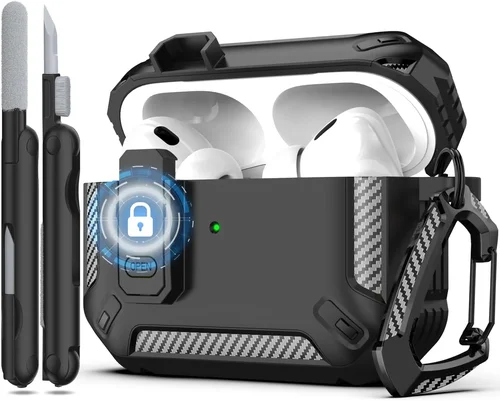
The primary purpose of any AirPods Pro 2 case is to shield your investment from physical damage. Drop resistance is arguably the most important factor—after all, even a single fall onto concrete can crack the charging case or damage internal components. Silicone cases typically offer moderate shock absorption thanks to their flexible, rubber-like material, which compresses on impact. However, they often lack structural rigidity, meaning repeated drops may still transfer force to the AirPods case. Hard cases, especially those made from polycarbonate or TPU blends, provide superior structural integrity. Many are engineered with reinforced corners, air cushion technology, or multi-layer designs that dissipate impact energy. Look for cases tested to military-grade standards (MIL-STD-810G) if you’re prone to accidents or live an active lifestyle.
2. Material Quality & Longevity
Not all silicone or hard plastics are created equal. Cheap silicone can degrade quickly, becoming sticky, discolored, or brittle after just a few months of use. High-quality silicone—like that used by Apple in its official MagSafe case—retains its texture and elasticity over time. Similarly, low-grade hard cases may crack under pressure or develop sharp edges. Premium hard cases use aerospace-grade polycarbonate or dual-layer TPU/polycarbonate composites that resist yellowing and maintain structural clarity. Always check user reviews for mentions of long-term durability, especially regarding color retention and resistance to UV exposure.
3. Fit & Compatibility
A poorly fitting case defeats the entire purpose. Your AirPods Pro 2 case must snugly encase the charging case without obstructing the lid hinge, charging port, or status LED. Silicone cases tend to stretch slightly over time, potentially loosening their grip. Hard cases, especially snap-on designs, often provide a tighter, more secure fit but may require precise alignment during installation. Ensure the case you choose is explicitly designed for the AirPods Pro 2 (not the original AirPods Pro), as subtle differences in dimensions exist. Also verify compatibility with wireless charging—some thick or metal-backed cases block Qi signals.
4. Ease of Use & Accessibility
Convenience matters just as much as protection. Consider how easily you can open and close the case, access the charging port, and remove the AirPods. Silicone cases usually allow one-handed operation and quick removal, making them ideal for frequent users. Hard cases may require two hands to snap open or have stiff hinges that slow you down. If you use wireless charging, check whether the case supports it without removal—many silicone cases do, but some hard cases add bulk that interferes with alignment on charging pads. Also, look for cases with precise cutouts for the Lightning or USB-C port (depending on your model) and the speaker grille used for Find My alerts.
5. Grip & Portability
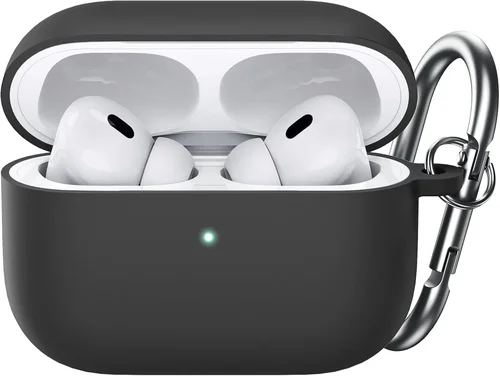
How the case feels in your hand—and pocket—can significantly impact daily usability. Silicone offers excellent grip, reducing the chance of accidental slips, especially if your hands are damp from sweat or rain. Its soft texture also makes it comfortable to carry in tight jeans or small purses. Hard cases, particularly glossy ones, can be slippery and prone to sliding out of pockets. However, matte-finish hard cases or those with textured surfaces (like carbon fiber or grippy TPU) offer a balanced solution. Weight is another consideration: silicone is generally lighter, while hard cases add noticeable bulk. If you prioritize minimalism, a slim silicone sleeve might be preferable.
6. Style & Aesthetics
Your AirPods case is a personal accessory—it reflects your taste. Silicone cases come in a vast array of colors, from subtle neutrals to vibrant neons, and often feature smooth, modern finishes. They’re great for matching your phone case or expressing personality. Hard cases offer more design variety, including transparent options that show off the original Apple finish, metallic accents, or artistic prints. Some even integrate kickstands or carabiners for added functionality. However, aesthetics shouldn’t overshadow practicality: a flashy case that yellows or scratches easily loses its appeal fast.
7. Price & Value Proposition
AirPods Pro 2 cases range from under $10 to over $50. While it’s tempting to go cheap, remember that you’re protecting a $250 device. Budget silicone cases often sacrifice material quality and precise engineering, leading to poor fit or rapid degradation. Mid-range options ($15–$30) typically offer the best balance of protection, build quality, and features. Premium cases ($30+) may include extras like MagSafe compatibility, antimicrobial coatings, or lifetime warranties. Always assess what you’re getting for the price: a $25 case with reinforced corners and precise cutouts is a better value than a $12 flimsy sleeve.
8. Brand Reputation & Customer Support
Stick with reputable brands known for consistent quality and responsive customer service. Companies like Spigen, OtterBox, and Apple stand behind their products with warranties and easy replacement policies. Generic brands may offer lower prices, but they often lack accountability—if your case breaks or doesn’t fit, you’re on your own. Reading verified purchase reviews on trusted platforms (Amazon, Best Buy, etc.) can reveal patterns in reliability and post-purchase support. A brand that actively addresses complaints and offers hassle-free returns demonstrates confidence in its product.
Different Types of Buying Guide

Common Buying Mistakes to Avoid
❌ Mistake: Prioritizing Price Over Protection
Why it’s bad: A $7 silicone case might seem like a bargain, but if it offers no real drop protection or degrades in weeks, you’ve wasted money—and risked damaging your $250 AirPods. Many ultra-cheap cases use low-grade materials that attract lint, lose elasticity, or crack easily.
What to do instead: Invest in a mid-range case ($15–$30) from a reputable brand. The extra cost is negligible compared to replacing damaged AirPods. Think of it as insurance.
❌ Mistake: Ignoring Wireless Charging Compatibility
Why it’s bad: Some thick hard cases or those with metal plates block Qi wireless charging signals. You’ll be forced to remove the case every time you charge, defeating the convenience of wireless tech.
What to do instead: Always check product descriptions for “wireless charging compatible” or “MagSafe compatible.” Look for user reviews confirming it works with your charging pad.
❌ Mistake: Choosing Style Over Function
Why it’s bad: A beautifully printed hard case with a glossy finish might look great in photos, but it could be slippery, prone to scratches, or lack precise cutouts. Fashion shouldn’t compromise function.
What to do instead: Opt for matte finishes or textured surfaces if grip is important. Ensure cutouts align perfectly with ports and buttons before buying.
❌ Mistake: Buying Generic “One-Size-Fits-All” Cases
Why it’s bad: Cases labeled “fits all AirPods” often don’t account for the slight size difference between AirPods Pro 2 and earlier models. This leads to loose fits or difficulty opening the lid.
What to do instead: Only buy cases explicitly labeled for “AirPods Pro (2nd generation).” Reputable brands specify exact model compatibility.
❌ Mistake: Overlooking Long-Term Durability
Why it’s bad: Some silicone cases yellow after sun exposure, while cheap hard cases become brittle. You end up replacing the case frequently, costing more over time.
What to do instead: Read long-term user reviews (6+ months) and look for materials like UV-resistant TPU or anti-yellowing additives.
❌ Mistake: Not Testing the Fit Before Committing
Why it’s bad: Online photos can be misleading. A case that looks snug in an image might be too tight or too loose in reality, making it hard to remove or causing the lid to jam.
What to do instead: Buy from retailers with generous return policies (Amazon, Best Buy, Apple). Test the fit immediately—ensure the lid opens smoothly and the case doesn’t wobble.
❌ Mistake: Assuming All Hard Cases Are Equal
Why it’s bad: Not all hard cases provide the same level of protection. Some are just decorative shells with minimal impact absorption.
What to do instead: Look for features like reinforced corners, air cushion zones, or MIL-STD certification. Brands like OtterBox and Spigen disclose their testing standards.
Budget Guidelines: How Much Should You Spend?
- Entry-Level ($8–$15): Expect basic silicone sleeves or thin hard shells. These offer minimal drop protection and may yellow or stretch over time. Best for light users who prioritize style over safety. Avoid if you’re accident-prone.
- Mid-Range ($15–$30): This is the sweet spot for most buyers. You’ll find high-quality silicone cases with precise fit, good grip, and decent shock absorption, as well as durable hard cases with reinforced edges. Many include wireless charging support and come from trusted brands. Ideal for daily commuters, students, and casual users.
- Premium ($30–$45): Designed for enthusiasts and professionals who demand top-tier protection. These cases often feature hybrid materials, MagSafe compatibility, antimicrobial coatings, or military-grade drop ratings. Examples include the OtterBox Defender Series or Spigen Ultra Hybrid. Worth it if you work outdoors, travel frequently, or simply want peace of mind.
- Luxury ($45+): Includes designer collaborations (e.g., Hermès), custom-engraved cases, or ultra-premium materials like leather or carbon fiber. While stylish, these often sacrifice practicality for aesthetics. Only recommended if brand prestige outweighs functional needs.
Expert Tips for Getting the Best Deal
- Shop During Sales Cycles: Major retailers like Amazon, Best Buy, and Apple offer discounts during Black Friday, Prime Day, back-to-school season, and post-holiday sales. Sign up for deal alerts to catch price drops on your preferred brands.
- Buy Directly from Brand Websites: Companies like Spigen and Caseology often run exclusive promotions, bundle deals, or offer free shipping on their own sites. You may also get extended warranties not available elsewhere.
- Check for Refurbished or Open-Box Options: Certified refurbished cases from Apple or authorized resellers can save you 20–30% with full warranty coverage. Just ensure they’re labeled “like new” and include original packaging.
- Read Verified Purchase Reviews: Filter reviews to show only verified buyers. Look for recurring themes—e.g., “fits perfectly,” “blocks wireless charging,” or “yellowed after 3 months.” These insights are more reliable than star ratings alone.
- Test Before You Commit: If possible, visit a physical store (Apple Store, Best Buy) to handle cases in person. Feel the grip, test the snap mechanism, and check port accessibility. Hands-on experience beats online speculation.
- Understand Return Policies: Choose retailers with at least 30-day return windows and free return shipping. This gives you time to test the case in real-world conditions without financial risk.
- Consider Bundle Deals: Some brands sell AirPods cases with screen protectors, ear tips, or charging cables at a discount. If you need these accessories anyway, bundling can offer significant savings.
- Watch for Counterfeits: On marketplaces like eBay or AliExpress, fake “Apple Official” cases are common. Stick to authorized sellers and avoid deals that seem too good to be true.

Frequently Asked Questions
Q: Will a silicone case protect my AirPods Pro 2 from drops?
A: Yes, but moderately. High-quality silicone absorbs some impact and prevents scratches, but it won’t stop damage from high-velocity drops onto hard surfaces. For serious protection, consider a hard case or hybrid design.
Q: Do hard cases interfere with wireless charging?
A: It depends. Thin hard cases with non-metallic backs usually work fine. Thick cases, those with metal plates, or poorly designed cutouts may block the signal. Always verify compatibility before buying.
Q: Can I use my AirPods Pro 2 with the case on during workouts?
A: Absolutely—but choose wisely. Silicone offers better grip when sweaty, while some hard cases can slip. Look for textured or matte finishes if you’re active. Avoid cases that trap moisture.
Q: How do I clean my AirPods case?
A: For silicone: wipe with a damp cloth and mild soap, then air dry. For hard cases: use isopropyl alcohol (70%) on a soft cloth. Never submerge in water or use abrasive cleaners.
Q: Do clear cases turn yellow over time?
A: Many do, especially cheap TPU-based clear cases exposed to sunlight or oils from your skin. Opt for UV-resistant or “anti-yellowing” formulations from reputable brands to minimize this.
Q: Is MagSafe worth the extra cost?
A: If you own a MagSafe-compatible iPhone or charger, yes. It ensures perfect alignment for faster, more reliable wireless charging and can attach to MagSafe accessories like car mounts.
Q: Can I charge my AirPods Pro 2 with the case on using a cable?
A: Yes, as long as the case has a precise cutout for the Lightning or USB-C port. Most quality cases accommodate this, but double-check the product images.
Q: Are third-party cases safe to use?
A: Reputable third-party cases are perfectly safe and often offer better value than Apple’s official options. Just avoid no-name brands with no reviews or certifications.
Q: How often should I replace my AirPods case?
A: Replace it if it shows signs of wear—cracks, loose fit, discoloration, or if it no longer protects adequately. Most quality cases last 1–2 years with daily use.
Q: Does the case affect Find My functionality?
A: No, as long as the speaker grille (used for alerts) isn’t blocked. Ensure the case has a cutout near the bottom front of the AirPods charging case.
Our Final Recommendations
- Best for Budget-Conscious Buyers: Spigen Liquid Air Armor ($15) – A slim, flexible silicone case with excellent grip, precise cutouts, and reliable drop protection. Great value for the price.
- Best Overall Value: Caseology Parallax for AirPods Pro 2 ($22) – Combines a hard polycarbonate back with a soft TPU bumper for hybrid protection. Stylish, durable, and wireless charging compatible.
- Best Premium Option: OtterBox Defender Series Pro ($40) – Military-grade drop protection, port covers, and a secure fit. Ideal for adventurers and those who demand maximum durability.
- Best for Beginners: Apple MagSafe Case ($29) – Official Apple design ensures perfect fit, seamless MagSafe integration, and high-quality silicone. Simple, reliable, and stylish.
- Best for Advanced Users: Spigen Ultra Hybrid Mag ($35) – Clear back shows off your AirPods, reinforced corners, and full MagSafe support. Perfect for tech enthusiasts who want visibility and protection.
Conclusion: Making the Right Choice
Choosing between a silicone and hard case for your AirPods Pro 2 ultimately comes down to your lifestyle, priorities, and budget. Silicone excels in comfort, grip, and ease of use—making it ideal for everyday carry and casual users. Hard cases, meanwhile, deliver superior structural protection for those who live actively or work in demanding environments. Hybrid options offer the best of both worlds, while MagSafe-compatible designs future-proof your setup for Apple’s evolving ecosystem.
Remember: the best case isn’t necessarily the most expensive or the prettiest—it’s the one that aligns with how you actually use your AirPods. Prioritize fit, protection level, and compatibility over flashy marketing claims. Read real user reviews, test the product if possible, and don’t hesitate to invest a little more for peace of mind. After all, your AirPods Pro 2 are more than just earbuds—they’re a daily companion worth protecting.
Take the time to evaluate your needs, compare your options using the criteria in this guide, and choose wisely. With the right case, your AirPods Pro 2 will stay safe, functional, and stylish for years to come.