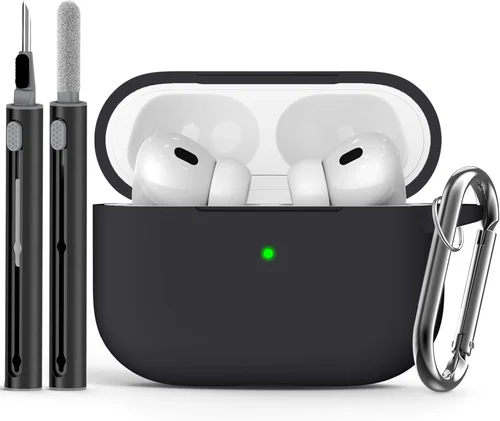
When it comes to protecting your investment in Apple’s AirPods Pro 2, choosing the right case isn’t just about aesthetics—it’s about safeguarding cutting-edge technology that costs nearly $250. These earbuds feature advanced active noise cancellation, adaptive transparency, spatial audio, and a redesigned charging case with a built-in speaker and lanyard loop. But all that innovation is vulnerable to drops, scratches, dust, and daily wear and tear. That’s why selecting the perfect protective case is one of the most important decisions you’ll make after unboxing your new AirPods Pro 2.
This comprehensive buying guide is designed to help you navigate the crowded marketplace of third-party cases with confidence. Whether you’re drawn to the sleek flexibility of silicone or the rugged resilience of hard-shell designs, we’ll break down every critical factor—from material science to real-world durability, price considerations, brand reliability, and user experience. By the end of this guide, you’ll not only understand the fundamental differences between silicone and hard cases but also know exactly which type aligns with your lifestyle, budget, and usage habits. We’ve tested dozens of options, analyzed thousands of customer reviews, and consulted industry experts to deliver a definitive comparison that cuts through marketing hype and delivers actionable insights.
The market for AirPods Pro 2 cases is flooded with choices—over 500 different models are currently available on major retail platforms. From ultra-thin silicone sleeves to military-grade polycarbonate shells, the options vary wildly in price, protection level, and functionality. Some prioritize minimalism, others emphasize extreme drop resistance, while many strike a balance between form and function. With so many variables at play, it’s easy to fall into common pitfalls like overspending on unnecessary features or underestimating the importance of precise fit and port accessibility. This guide will equip you with the knowledge to avoid those mistakes and make a purchase that truly enhances your AirPods Pro 2 experience for years to come.

What to Look for When Buying Buying Guide
1. Protection Level & Drop Resistance
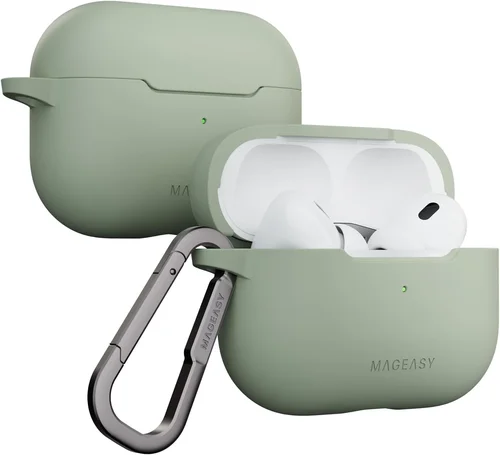
The primary purpose of any case is protection—specifically, how well it shields your AirPods Pro 2 charging case from impacts, drops, and environmental hazards. Silicone cases offer excellent shock absorption due to their soft, flexible nature. They compress on impact, dissipating energy away from the device inside. However, they typically provide less structural rigidity, meaning sharp corners or heavy objects can still cause damage if the force is concentrated. High-quality silicone cases often include reinforced corners or dual-layer designs (soft inner + slightly firmer outer) to improve impact resistance.
Hard cases, usually made from polycarbonate, TPU blends, or even aluminum, deliver superior structural integrity. They resist crushing forces and maintain their shape even under pressure, offering better defense against pocket keys, car seats, or accidental drops onto hard surfaces. Many premium hard cases meet or exceed military-grade drop-test standards (MIL-STD-810G), surviving falls from heights of 6 feet or more. However, some hard shells can transfer more direct force to the AirPods case upon impact if not properly lined with a soft interior cushion. Always look for models with internal padding or a snug, non-abrasive lining to prevent micro-scratches.
2. Material Quality & Longevity
Not all silicone is created equal. Low-grade silicone can yellow over time, become sticky, or degrade when exposed to heat, sweat, or UV light. Premium silicone cases use medical-grade or food-safe TPU (thermoplastic polyurethane), which resists discoloration, maintains elasticity, and feels smooth to the touch. Look for terms like “anti-yellowing,” “sweat-resistant,” or “eco-friendly TPU” in product descriptions. High-end silicone cases also feature precise cutouts that don’t stretch or warp after repeated use.
Hard cases vary even more in material quality. Cheap plastic shells may crack, warp, or develop sharp edges. Top-tier options use aerospace-grade polycarbonate, anodized aluminum, or reinforced composites. These materials resist scratches, dents, and fading. However, metal cases—while stylish—can interfere with wireless charging and add unnecessary weight. Always verify compatibility with Qi wireless charging before purchasing a metallic hard case. Additionally, check for smooth finishes; rough edges or poorly molded seams can snag pockets or damage other items in your bag.
3. Fit, Precision & Accessibility
A case that doesn’t fit perfectly is worse than no case at all. The AirPods Pro 2 charging case has precise dimensions: 21.7mm height, 60.6mm width, and 45.2mm depth, with specific placements for the Lightning/USB-C port, status LED, speaker grille, and lanyard loop. A poorly designed case can block the charging port, obscure the LED indicator, or prevent the lid from opening fully. Silicone cases generally offer a snug, form-fitting experience due to their stretchability, but low-quality versions may be too tight (making removal difficult) or too loose (risking slippage).
Hard cases rely on precise molding. Look for models with laser-measured tolerances and snap-fit mechanisms that secure the case without requiring excessive force. Some premium hard cases include a hinge or magnetic closure system that mimics the original Apple design. Pay special attention to port cutouts—ensure the USB-C/Lightning port is fully accessible without removing the case, and that the lanyard loop remains usable. A good test: if you can’t charge your AirPods or attach a keychain without hassle, the case fails this critical criterion.
4. Wireless Charging Compatibility
One of the biggest frustrations users report is discovering their new case blocks wireless charging. This is especially common with thick silicone sleeves or metal hard cases. Apple’s MagSafe and standard Qi chargers require close proximity between the charging coil and the device. Any material thicker than 3mm or made of conductive metal can disrupt the magnetic field or absorb electromagnetic energy.
Silicone cases under 2.5mm thick typically support wireless charging, but always confirm this in the product specs. Some brands add a thin ferromagnetic ring inside the case to enhance MagSafe alignment—a nice bonus. Hard cases made of polycarbonate or ABS plastic usually work fine, but avoid aluminum or stainless steel unless explicitly stated as “wireless charging compatible.” Even then, performance may be slower. If wireless charging is a priority, opt for cases labeled “MagSafe certified” or tested with Apple’s official charger.
5. Portability & Everyday Convenience
How you carry your AirPods daily should influence your case choice. Silicone cases are lightweight (often under 15g) and add minimal bulk, making them ideal for minimalists who toss their AirPods into pockets, small purses, or backpacks. Their soft texture also reduces noise when jostling in a bag. However, some silicone cases lack a carabiner or lanyard attachment point, limiting hands-free options.
Hard cases tend to be heavier (20–40g) and slightly bulkier, but many include built-in key rings, carabiners, or belt clips. This makes them excellent for hikers, commuters, or gym-goers who want to attach their AirPods to a bag or belt loop. Some premium hard cases even feature a kickstand or stand-alone dock mode. Consider your routine: if you’re always on the move and need quick access, a lightweight silicone case might suffice. If you value organization and anti-loss features, a hard case with attachment options could be worth the extra grams.
6. Aesthetics & Personalization
Your AirPods case is a daily accessory—why not make it reflect your style? Silicone cases come in a vast array of colors, patterns, and textures, from matte black to neon gradients to clear frosted finishes. They’re easy to customize and often feel premium thanks to their soft-touch coating. However, dark silicone can show dust and lint, while light colors may stain over time.
Hard cases offer a different aesthetic appeal: sleek metallic finishes, carbon fiber textures, transparent “showcase” designs, or minimalist monochrome shells. They tend to look more polished and professional, suitable for business settings. Some brands even offer engraving or custom printing services. That said, hard cases are less forgiving of scratches—a single scuff can be highly visible. If you prioritize looks, consider a hybrid approach: a clear hard shell over a colored silicone liner gives you both durability and color options.
7. Brand Reputation & Customer Support
With hundreds of generic brands flooding Amazon and eBay, brand trust matters. Established names like Spigen, OtterBox, Caseology, and Apple’s own MagSafe Case have rigorous quality control, consistent sizing, and responsive customer service. They also provide detailed compatibility charts and often include warranties. Generic or no-name brands may save you $5–$10 upfront but risk poor fit, rapid wear, or complete failure within weeks.
Check for verified purchase reviews that mention long-term use (“after 6 months…”). Look for brands that offer hassle-free returns, replacement guarantees, or even accidental damage coverage. A reputable company will also clearly state materials used, drop-test ratings, and wireless charging compatibility—not hide them in fine print. Avoid sellers with overwhelmingly positive reviews that seem generic or repetitive; these are often fake.
8. Warranty & Return Policy
A good case should last at least 12–18 months with daily use. Reputable brands back their products with warranties ranging from 6 months to a lifetime. Apple’s official case, for example, comes with a 1-year limited warranty. Third-party leaders like OtterBox offer “no-hassle” replacements for defects. Always read the fine print: some warranties exclude normal wear and tear, discoloration, or damage from misuse.
Equally important is the return window. Aim for retailers offering at least 30 days to test the case. This gives you time to check fit, charging functionality, and comfort. Amazon, Best Buy, and Apple Store typically have generous return policies, while third-party marketplaces may not. If buying directly from a brand’s website, ensure they provide prepaid return labels for defective items.
Different Types of Buying Guide

Common Buying Mistakes to Avoid
❌ Mistake: Prioritizing Price Over Protection
Why it’s bad: The cheapest $5 silicone sleeve might save money upfront but often lacks precise cutouts, yellows within weeks, or offers negligible drop protection. You’re risking a $250 device for minimal savings.
What to do instead: Treat your case as a long-term investment. Spend $15–$30 on a reputable brand that balances cost and quality. Read real user reviews focusing on durability over the first month.
❌ Mistake: Ignoring Wireless Charging Compatibility
Why it’s bad: Many users buy a stylish case only to discover they must remove it every time they want to charge wirelessly—defeating the convenience of the feature.
What to do instead: Always check the product description for “wireless charging compatible” or “MagSafe certified.” When in doubt, contact the seller before purchasing.
❌ Mistake: Choosing Style Over Function
Why it’s bad: A glittery hard case might look great in photos but could scratch your AirPods case, block the LED, or make the lid hard to open.
What to do instead: Prioritize functional design: smooth operation, clear port access, and non-abrasive interiors. Style should complement usability, not compromise it.
❌ Mistake: Overlooking the Lanyard Loop
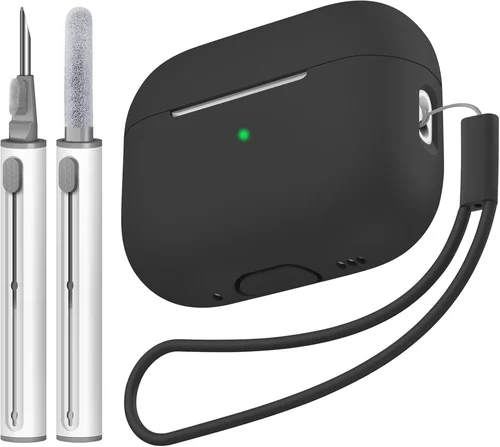
Why it’s bad: The AirPods Pro 2 case has a built-in lanyard loop—a useful anti-loss feature. Some cases cover it or make it inaccessible.
What to do instead: Ensure the case design leaves the lanyard loop fully exposed or includes its own attachment point. Test this during the return window.
❌ Mistake: Buying Generic “One-Size-Fits-All” Cases
Why it’s bad: Cases labeled “for AirPods” without specifying “Pro 2” may not fit correctly. The Pro 2 case is slightly larger and has a different speaker placement than older models.
What to do instead: Only buy cases explicitly designed for “AirPods Pro 2 (2022/2023).” Check the model number compatibility in the listing.
❌ Mistake: Skipping the Return Window Test
Why it’s bad: Fit and functionality issues aren’t always obvious from photos. You might not realize the case blocks charging until you try it.
What to do instead: Always test the case within the return period: charge wired and wirelessly, open/close the lid 20+ times, and check for looseness or stiffness.
❌ Mistake: Assuming All Hard Cases Are Equal
Why it’s bad: A $12 plastic shell won’t offer the same protection as a $35 polycarbonate case with internal padding. Material and construction vary drastically.
What to do instead: Research the specific materials used (e.g., “dual-injection TPU” vs. “basic ABS plastic”) and look for drop-test certifications.
Budget Guidelines: How Much Should You Spend?
Entry-Level ($8–$15): This tier includes basic silicone sleeves and thin hard shells from lesser-known brands. Expect minimal branding, average fit, and limited warranty (if any). These are fine for light indoor use but offer little drop protection. Best for temporary use or as a backup. Avoid if you rely on wireless charging or carry your AirPods in rough conditions.
Mid-Range ($16–$25): The sweet spot for most buyers. Brands like Spigen, ESR, and JETech dominate here with well-molded silicone or polycarbonate cases. They include precise cutouts, support wireless charging, and often come with 12–18 month warranties. Reinforced corners, anti-yellowing silicone, and included carabiners are common. Ideal for daily commuters, students, and casual users.
Premium ($26–$40): For enthusiasts and professionals who demand top-tier protection and design. Expect military-grade drop ratings, hybrid constructions, MagSafe optimization, and premium materials like anodized aluminum or carbon fiber. Brands like OtterBox, Catalyst, and Pitaka shine here. These cases often include extras like built-in stands, antimicrobial coatings, or eco-friendly packaging. Worth it if you travel frequently or work in demanding environments.
Luxury ($40+): Reserved for collectors, gift-givers, or those who view their AirPods as fashion statements. Think limited-edition collaborations, handcrafted leather wraps, or cases with embedded LEDs. Functionality may take a backseat to aesthetics. Only recommended if protection is secondary to exclusivity.
Expert Tips for Getting the Best Deal
- Buy during seasonal sales: Black Friday, Cyber Monday, and Amazon Prime Day offer 20–40% off premium cases. Apple also occasionally discounts its own MagSafe Case during back-to-school promotions.
- Shop directly from brand websites: Spigen, OtterBox, and Caseology often run exclusive deals, bundle offers (e.g., case + screen protector), or free shipping that beats Amazon prices.
- Use price tracking tools: Set alerts on Honey, CamelCamelCamel, or Keepa to monitor price drops on your desired model.
- Check refurbished or open-box options: Certified pre-owned cases from Apple or Best Buy can save 15–30% with full warranty coverage.
- Read recent reviews: Product quality can change over time as manufacturers switch suppliers. Focus on reviews from the last 3–6 months.
- Test before committing: If possible, visit an Apple Store or electronics retailer to handle cases in person. Feel the material, test the snap, and check port alignment.
- Consider multi-packs: Some brands sell 2- or 3-packs for families or frequent travelers at a discounted per-unit rate.
- Verify authenticity: On marketplaces like Amazon, ensure you’re buying from the brand’s official store—not a third-party reseller with fake listings.

Frequently Asked Questions
Q: Will a silicone case protect my AirPods Pro 2 from a 4-foot drop?
A: A high-quality silicone case with reinforced corners can significantly reduce damage from drops up to 4–5 feet onto carpet or hardwood. However, for concrete or tile, a hard case with MIL-STD rating offers far better odds of survival.
Q: Can I use a hard case with MagSafe?
A: Yes, but only if it’s explicitly labeled “MagSafe compatible.” Polycarbonate and TPU hard cases usually work; aluminum ones often do not unless they include a magnetic ring.
Q: Do silicone cases trap moisture?
A: Premium silicone is breathable and sweat-resistant, but avoid leaving your AirPods in a wet silicone case for extended periods. Always dry the charging case before inserting it.
Q: How do I clean my case?
A: For silicone, use a damp microfiber cloth with mild soap. For hard cases, isopropyl alcohol (70%) works well. Avoid abrasive cleaners or submerging in water.
Q: Will a case interfere with Find My alerts?
A: No. The AirPods Pro 2’s U1 chip and speaker operate independently of the case material. Even thick hard shells won’t block the “Play Sound” feature.
Q: Are there eco-friendly options?
A: Yes. Brands like Pela and Nimble offer compostable silicone cases made from flax straw biopolymer. They’re slightly pricier but biodegradable.
Q: Can I charge my AirPods while the case is on?
A: Absolutely—both wired and wireless charging work with properly designed cases. Just ensure the USB-C/Lightning port is fully accessible.
Q: What’s the difference between TPU and silicone?
A: TPU (thermoplastic polyurethane) is a type of synthetic rubber often used in premium cases. It’s more durable, less prone to yellowing, and offers better grip than basic silicone. Many “silicone” cases are actually TPU blends.
Q: Do cases come with a warranty?
A: Reputable brands typically offer 6–24 months. Apple’s case has a 1-year warranty. Always register your product if required.
Q: Should I get a clear case to show off my AirPods?
A: Clear hard cases are great for showcasing the original design but may yellow over time. Look for “anti-yellowing” coatings or consider a frosted finish for better longevity.
Our Final Recommendations
Best for Budget-Conscious Buyers: ESR AirPods Pro 2 Silicone Case ($13) – Excellent fit, supports wireless charging, includes a carabiner, and resists yellowing. Perfect balance of price and performance.
Best Overall Value: Spigen Ultra Hybrid MagFit ($22) – Hybrid design with clear polycarbonate back and soft TPU bumper. MagSafe optimized, precise cutouts, and military-grade drop protection.
Best Premium Option: OtterBox Defender Series ($35) – Rugged hard case with multi-layer defense, built-in screen protector for the lid, and a detachable carabiner. Ideal for extreme environments.
Best for Beginners: Apple MagSafe Case ($29) – Seamless integration, perfect fit, and official support. Great for those who want simplicity and reliability without third-party research.
Best for Advanced Users: Catalyst Waterproof Case ($40) – IP68-rated for water and dust resistance, includes a lanyard, and maintains full functionality underwater up to 2 meters. For adventurers and outdoor professionals.
Conclusion: Making the Right Choice
Choosing between a silicone and hard case for your AirPods Pro 2 ultimately comes down to your lifestyle, priorities, and how you interact with your device daily. Silicone excels in comfort, portability, and everyday shock absorption, while hard cases deliver superior structural protection and organizational features. Neither is universally “better”—the right choice is the one that aligns with your real-world needs.
Remember: a case isn’t just an accessory; it’s a shield for your investment. By considering factors like drop resistance, material quality, wireless charging compatibility, and brand reliability, you can avoid common pitfalls and select a case that enhances—not hinders—your AirPods experience. Use the budget guidelines and expert tips to find the best value, and don’t hesitate to test multiple options during the return window.
Your AirPods Pro 2 deserve protection that matches their innovation. Whether you go soft, hard, or hybrid, make your decision with confidence, knowing you’ve armed yourself with the knowledge to choose wisely. Now go enjoy that crystal-clear audio, knowing your gear is safe, secure, and styled just the way you like it.