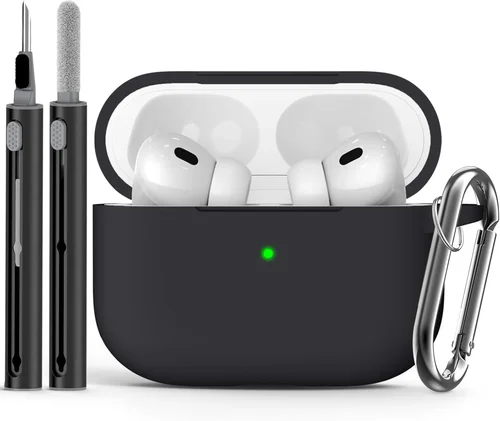
When it comes to protecting your investment in Apple’s AirPods Pro 2, choosing the right case isn’t just about aesthetics—it’s about functionality, durability, and long-term usability. These premium wireless earbuds come with advanced features like active noise cancellation, spatial audio, and sweat resistance, but their sleek design also makes them vulnerable to scratches, drops, and everyday wear. A high-quality case can mean the difference between your AirPods lasting three years or needing replacement after six months. With countless options flooding the market—ranging from ultra-thin silicone sleeves to rugged hard-shell protectors—it’s easy to feel overwhelmed. That’s why this guide exists: to cut through the noise and help you make an informed decision based on real-world performance, material science, and user experience.
In this comprehensive buying guide, you’ll learn everything you need to know about selecting the best case for your AirPods Pro 2, with a special focus on the two most popular categories: silicone cases and hard cases. We’ll break down key factors like protection level, portability, ease of use, and price, so you can match your choice to your lifestyle—whether you’re a daily commuter, a gym enthusiast, or someone who simply wants peace of mind. You’ll also discover common pitfalls to avoid, expert-backed tips for getting the best value, and detailed comparisons that go beyond marketing claims. By the end, you won’t just know which type of case to buy—you’ll understand why it’s the right fit for you.
The market for AirPods Pro 2 cases is vast and varied. Third-party manufacturers have responded to Apple’s minimalist approach with hundreds of designs, materials, and price points. Silicone cases dominate the budget and mid-tier segments, praised for their soft-touch feel and shock absorption. Hard cases, often made from polycarbonate, TPU blends, or even metal, appeal to users seeking maximum drop protection and a more rigid structure. Meanwhile, hybrid models attempt to blend the best of both worlds. But not all cases are created equal—some interfere with wireless charging, others trap lint, and many fail to provide adequate corner protection. This guide will help you navigate these nuances with confidence.

What to Look for When Buying Buying Guide
1. Protection Level & Drop Resistance
The primary purpose of any AirPods Pro 2 case is to shield your earbuds from physical damage. Look for cases that offer multi-layer protection, especially around the corners and lid hinge—the most vulnerable points during drops. Silicone cases typically absorb impact well due to their flexible nature, but they may not prevent cracking if the case itself is thin or poorly designed. Hard cases, particularly those with reinforced corners or military-grade drop ratings (like MIL-STD-810G), provide superior structural integrity. Consider how you use your AirPods: if you frequently drop them or carry them in a packed bag, prioritize cases with proven drop-test results. Some brands even publish independent lab test data—don’t hesitate to ask or research.
2. Material Quality & Feel
Material directly affects both protection and user experience. High-grade silicone should feel soft yet grippy, resist yellowing over time, and maintain its shape after repeated use. Cheap silicone can become sticky, attract dust, or degrade quickly under UV exposure. Hard cases vary widely—polycarbonate offers excellent clarity and rigidity, while TPU (thermoplastic polyurethane) provides a balance of flexibility and toughness. Avoid cases with rough seams, loose fits, or overly glossy finishes that slip out of pockets. Touch and texture matter: a case that feels premium in hand often translates to better build quality and longevity.
3. Compatibility with Wireless Charging
One of the AirPods Pro 2’s standout features is seamless wireless charging via the MagSafe-compatible charging case. However, many third-party cases—especially thick hard shells—can interfere with this functionality. Always verify that the case supports wireless charging before purchasing. Look for phrases like “MagSafe compatible” or “Qi-certified.” Silicone cases generally pose fewer issues here due to their thin profile, but even some silicone options add extra bulk near the charging coil. If you rely on wireless charging daily, test compatibility early or choose a case explicitly designed for it.
4. Port Access & Button Functionality
A well-designed case shouldn’t obstruct essential functions. Ensure the Lightning (or USB-C, depending on your model) port remains fully accessible without forcing the case open. Similarly, the pairing button on the back of the AirPods case should be easy to press—some hard cases include a dedicated button cover or cutout, while others require you to remove the case entirely. Poorly placed cutouts can lead to frustration during firmware updates or troubleshooting. Silicone cases often have precise cutouts, but cheaper versions may stretch or misalign over time.
5. Portability & Everyday Convenience
Consider how the case integrates into your daily routine. Does it add noticeable bulk? Can you open it one-handed? Is there a carabiner loop or keyring attachment for easy access? Silicone cases tend to be lighter and more pocket-friendly, making them ideal for minimalists. Hard cases may offer better protection but can feel clunky in jeans pockets. Also, think about lint and debris: silicone attracts pocket fuzz, while hard cases with tight seals can trap moisture or dust inside. Choose based on your habits—frequent travelers might prefer a slim silicone sleeve, while outdoor adventurers could benefit from a rugged hard case with a secure latch.
6. Aesthetic Appeal & Customization
While protection is paramount, style matters too. Silicone cases come in a rainbow of colors and often feature fun patterns or translucent designs that let the original Apple finish peek through. Hard cases offer sleeker, more professional looks—think matte black, metallic finishes, or transparent shells that showcase the AirPods’ design. Some brands even offer personalized engraving or interchangeable faceplates. Remember: a case you love using is one you’ll actually keep on. Don’t sacrifice too much protection for looks, but don’t ignore personal preference either.
7. Brand Reputation & Customer Support
Not all case manufacturers are equal. Established brands like Spigen, OtterBox, Catalyst, and Nomad have built reputations for quality control, accurate fit, and responsive customer service. Lesser-known brands may offer tempting prices, but inconsistent sizing or poor materials can lead to returns and frustration. Check return policies, warranty length (many offer 1–2 years), and whether the company provides replacement parts (like broken latches). Reading verified buyer reviews on Amazon, Best Buy, or the brand’s own site can reveal hidden issues like peeling coatings or weak hinges.
8. Price vs. Value Proposition
Price shouldn’t be the only deciding factor—but it’s a crucial one. A $5 silicone case might save money upfront but fail within months, while a $30 hard case could last years. Evaluate what you’re getting for your money: Does the case include a warranty? Is it made from eco-friendly materials? Does it solve a specific problem (like preventing pocket lint buildup)? The best value often lies in the mid-range ($15–$25), where you get reliable protection without overpaying for branding. Avoid “too good to be true” deals—if a case costs significantly less than competitors, it likely cuts corners on materials or design.
Different Types of Buying Guide

Common Buying Mistakes to Avoid
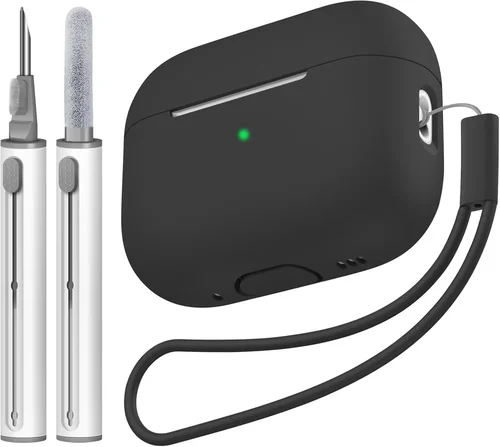
❌ Mistake: Prioritizing Price Over Protection
Why it’s bad: The cheapest cases often use low-density silicone or flimsy plastic that cracks under minimal stress. You’ll end up replacing them frequently, costing more in the long run—and risking damage to your $249 AirPods Pro 2.
What to do instead: Invest in a case that offers proven durability. Look for user-tested drop resistance and materials rated for daily wear. A $20 case that lasts two years is better value than a $7 case that fails in two months.
❌ Mistake: Ignoring Wireless Charging Compatibility
Why it’s bad: Many hard cases are too thick or use metal components that block Qi signals, forcing you to remove the case every time you charge—defeating the convenience of wireless charging.
What to do instead: Always check product descriptions for “MagSafe compatible” or “wireless charging supported.” When in doubt, look for reviews mentioning successful wireless charging experiences.
❌ Mistake: Choosing Style Over Function
Why it’s bad: Ornamental cases with dangling charms or intricate cutouts may look great but often compromise structural integrity or trap moisture and debris.
What to do instead: Opt for clean, functional designs. If you want flair, choose a case with a subtle pattern or color that doesn’t sacrifice protection.
❌ Mistake: Overlooking Lint and Debris Accumulation
Why it’s bad: Silicone cases, especially light-colored ones, attract pocket lint like a magnet. Over time, this can clog the charging port or speaker grilles, affecting performance.
What to do instead: Consider darker silicone tones or hard cases with sealed designs. Regularly clean your case with a soft brush or compressed air.
❌ Mistake: Assuming All “Apple-Style” Cases Are Equal
Why it’s bad: Many third-party cases mimic Apple’s minimalist design but use inferior materials that yellow, stretch, or lose grip over time.
What to do instead: Stick to reputable brands with consistent quality control. Read long-term reviews (6+ months) to assess aging and wear.
❌ Mistake: Not Testing the Fit Before Committing
Why it’s bad: A loose case won’t protect your AirPods; a tight one might damage the hinge or make removal difficult.
What to do instead: If buying online, check return policies. If possible, visit a store to test fit and ease of opening/closing.
❌ Mistake: Forgetting About Port and Button Access
Why it’s bad: Misaligned cutouts can make charging awkward or prevent access to the reset button, complicating troubleshooting.
What to do instead: Look for precise, laser-cut openings and consider cases with extended button covers for easier pressing.
Budget Guidelines: How Much Should You Spend?
Entry-Level ($8 – $15): This range is dominated by basic silicone sleeves from lesser-known brands. Expect decent scratch protection and a snug fit, but limited drop resistance and potential issues with yellowing or lint attraction. Ideal for casual users who rarely drop their devices and prioritize affordability. Examples include generic Amazon Basics-style cases or budget packs with multiple colors.
Mid-Range ($15 – $25): The sweet spot for most buyers. Here, you’ll find well-designed silicone and hybrid cases from trusted brands like Spigen, ESR, or Caseology. These offer reliable drop protection (often tested from 4–6 feet), precise cutouts, wireless charging support, and better material quality. Many include extras like carabiners or anti-slip textures. This tier balances cost, performance, and longevity.
Premium ($25 – $40): Designed for users who demand maximum protection without compromise. Expect hard-shell cases with reinforced corners, military-grade certifications, and premium materials like aerospace-grade polycarbonate or anodized aluminum. Brands like OtterBox, Catalyst, and Nomad dominate this space. These cases often feature waterproof ratings, secure latches, and elegant finishes. Perfect for travelers, athletes, or anyone prone to accidents.
Luxury ($40+): Reserved for collectors and style enthusiasts. Think hand-stitched leather sleeves from Bellroy or wool felt cases from Native Union. These prioritize aesthetics and tactile experience over ruggedness, offering minimal drop protection but exceptional scratch resistance and a luxurious feel. Best suited for office environments or as gifts.
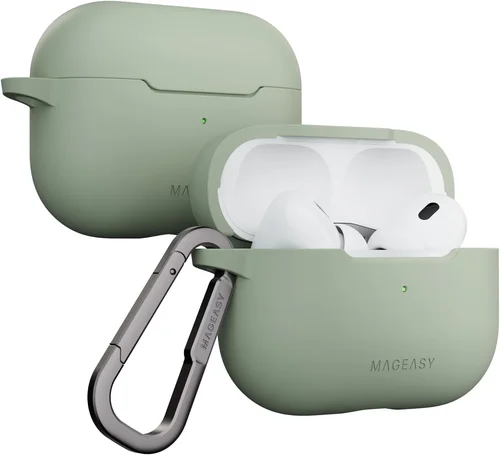
Expert Tips for Getting the Best Deal
1. Shop During Major Sales Events: Black Friday, Cyber Monday, Prime Day, and Back-to-School seasons often feature 20–40% discounts on premium cases. Sign up for brand newsletters to get early access.
2. Buy Direct from Manufacturer Websites: Brands like Spigen or Catalyst often offer exclusive colors, bundle deals (case + screen protector), or free shipping that beats Amazon prices.
3. Read Verified Purchase Reviews: Focus on reviews from users who’ve owned the case for 3+ months. Look for comments about durability, fit, and real-world drop tests.
4. Check Return Policies Before Buying: Ensure you can return or exchange the case if it doesn’t fit or lacks promised features. Most reputable retailers offer 30-day returns.
5. Test Wireless Charging Immediately: If your case claims wireless compatibility, place it on a Qi charger right after unboxing. Some cases work initially but fail after slight warping.
6. Consider Multi-Pack Deals: If you like switching colors, buy a 2–3 pack. You’ll save per unit and always have a backup.
7. Avoid “Universal” Cases: Cases labeled “fits all AirPods” are usually ill-fitting. The AirPods Pro 2 has a slightly different shape than older models—always confirm compatibility.
8. Look for Eco-Friendly Options: Some brands now offer biodegradable silicone or recycled materials. If sustainability matters to you, prioritize these—they often match conventional performance.

Frequently Asked Questions
Q: Will a silicone case protect my AirPods Pro 2 from drops?
A: Yes—but with caveats. High-quality silicone cases absorb shock well and can protect against drops from pocket height (3–4 feet). However, they won’t prevent damage from higher falls onto hard surfaces. For serious drop protection, consider a hard case with reinforced corners.
Q: Can I use a hard case with MagSafe charging?
A: Only if it’s explicitly designed for it. Many hard cases are too thick or contain metal parts that interfere with magnetic alignment. Always look for “MagSafe compatible” in the product description.
Q: Do silicone cases turn yellow over time?
A: Cheap, low-grade silicone often does—especially clear or white versions exposed to sunlight or oils from your hands. Opt for premium silicone (like that used by Apple or Spigen) or choose darker colors that hide discoloration.
Q: Are leather cases worth the extra cost?
A: If you value aesthetics and don’t need heavy-duty protection, yes. Leather sleeves offer excellent scratch resistance and develop a unique patina over time. But they provide minimal drop protection and aren’t ideal for active lifestyles.
Q: How do I clean my AirPods case?
A: For silicone cases, wipe with a damp microfiber cloth and mild soap. Avoid submerging. For hard cases, use compressed air to blow out debris and a soft brush for stubborn lint. Never use alcohol directly on the case—it can degrade certain plastics.
Q: Will a case interfere with the Find My feature?
A: No. The Find My network relies on Bluetooth signals from the AirPods themselves, not the case. As long as the earbuds are inside and powered, location tracking works normally.
Q: Should I remove the case when not in use?
A: Generally, no—keeping the case on provides constant protection. However, if you notice moisture buildup (e.g., after workouts), briefly remove it to air dry the interior.
Q: Are third-party cases safe for my AirPods?
A: Yes, as long as they’re from reputable brands. Avoid no-name cases with sharp edges or poor ventilation, which could trap heat or damage the hinge mechanism.
Q: Do cases affect battery life?
A: Not directly. However, cases that trap heat (like thick metal shells) might slightly reduce charging efficiency over time. Most modern cases are designed to dissipate heat properly.
Q: Can I customize my case?
A: Many brands offer engraving, monograms, or interchangeable faceplates. Online retailers like Etsy also sell custom-painted or 3D-printed cases—just ensure they don’t compromise fit or functionality.
Our Final Recommendations
Best for Budget-Conscious Buyers: ESR AirPods Pro 2 Silicone Case ($12) – Offers excellent grip, precise cutouts, and wireless charging support at a fraction of the cost of premium options. Available in multiple colors and includes a carabiner.
Best Overall Value: Spigen Tough Armor Pro ($23) – A hybrid case combining a soft TPU inner layer with a rigid polycarbonate shell. Drop-tested from 6.6 feet, includes a metal carabiner, and maintains full wireless charging compatibility.
Best Premium Option: OtterBox Defender Series ($35) – Military-grade protection with a multi-layer design, secure latch, and port covers. Ideal for extreme conditions or users who frequently drop their devices.
Best for Beginners: Apple Clear Case with MagSafe ($29) – While not third-party, Apple’s official case offers perfect fit, seamless wireless charging, and scratch resistance. Great for those who want simplicity and reliability.
Best for Advanced Users: Catalyst Waterproof Case ($39) – IP68-rated for water and dust resistance, with a transparent design that showcases your AirPods. Includes a lanyard and survives drops up to 6.6 feet.
Conclusion: Making the Right Choice
Choosing between a silicone case and a hard case for your AirPods Pro 2 ultimately comes down to your lifestyle, priorities, and usage patterns. Silicone cases excel in everyday convenience, lightweight portability, and wireless charging compatibility—making them ideal for casual users and minimalists. Hard cases, on the other hand, deliver unmatched drop protection and structural rigidity, perfect for adventurers, travelers, or anyone prone to accidents. Hybrid models offer a compelling middle ground, while luxury sleeves cater to those who value aesthetics above all.
Remember: the best case isn’t necessarily the most expensive or the prettiest—it’s the one that aligns with your real-world needs. Prioritize protection if you’re active; prioritize feel if you’re style-driven; prioritize compatibility if you rely on wireless charging. And always buy from trusted sources with solid return policies.
Your AirPods Pro 2 are a significant investment in audio quality, convenience, and technology. Protecting them shouldn’t be an afterthought. With the insights from this guide, you’re now equipped to make a confident, informed decision—one that ensures your earbuds stay safe, functional, and looking great for years to come. Don’t wait for a drop to remind you of their value. Choose wisely, protect diligently, and enjoy every beat.