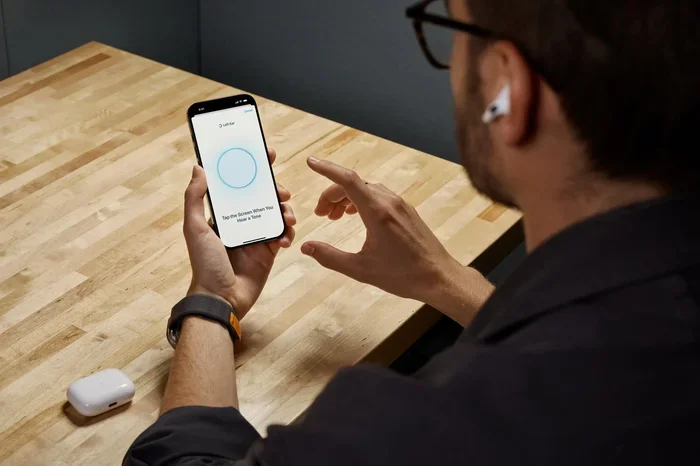
Featured image for AirPods Pro upgrade exchange
Image source: imageio.forbes.com
Yes, you can exchange AirPods for AirPods Pro through Apple’s Trade In program, but only if your current AirPods meet specific eligibility requirements. The exchange value depends on your AirPods model, condition, and generation. Alternatively, Apple offers upgrade programs and you can sell your old AirPods privately to fund a new AirPods Pro purchase.
Picture this: you’ve been using your regular AirPods for a while now, and suddenly you wonder whether you made the right choice. Those stories about AirPods Pro’s noise cancellation sound tempting, right? You’re not alone in this thought. Millions of AirPods users ask the same question every year: can we exchange AirPods for AirPods Pro?
The good news? Apple has made this process easier than ever. Through their Trade In program, you can hand over your current AirPods and get credit toward a brand new pair of AirPods Pro. But like most things in life, there are some important details to understand before you walk into an Apple Store or click that trade-in button online.
This guide will walk you through everything you need to know. We’ll cover Apple’s official exchange policy, what your AirPods might be worth, alternative ways to upgrade, and tips to maximize your exchange value. Think of this as your friendly roadmap to AirPods Pro ownership without the confusion.
Key Takeaways
- Apple’s Trade In Program: Apple accepts older AirPods models in exchange for credit toward AirPods Pro, but eligibility varies by model and condition.
- Exchange Value Varies: You can receive anywhere from $0 to $50+ depending on which AirPods generation and condition you’re trading in.
- Best AirPods for Exchange: AirPods Pro (1st and 2nd generation) and AirPods 3 receive the highest trade-in values.
- Alternative Options Exist: Selling privately on marketplaces like eBay or Swappa often yields higher returns than Apple’s Trade In program.
- Upgrade Programs Available: Apple Card Monthly Installments and carrier financing programs can help you upgrade without a direct exchange.
- Timing Matters: Trading in during new product launches or promotional periods can maximize your exchange value or savings.
- Condition Requirements: AirPods must power on, have no physical damage, and include all components to qualify for trade-in credit.
📑 Table of Contents
- Understanding Apple’s AirPods Trade-In Program
- Current Trade-In Values: What to Expect
- Eligibility Requirements and Conditions
- Step-by-Step Exchange Process
- Alternative Ways to Upgrade to AirPods Pro
- Making the Smart Decision: Exchange vs. Other Options
- Tips to Maximize Your Exchange Value
- Common Mistakes to Avoid
- Environmental Considerations: Recycling Your Old AirPods
- Final Thoughts: Making Your Exchange Decision
- Frequently Asked Questions
Understanding Apple’s AirPods Trade-In Program
Let’s start with the basics. Apple’s Trade In program works like this: you give them your old device, they assess its value, and you receive credit toward a new purchase. It’s similar to trading in your old car at a dealership, but for earbuds. Simple, right?
How Does the Trade-In Process Work?
The process involves three straightforward steps. First, you tell Apple what you want to trade. Second, Apple estimates the value. Third, you ship your device or bring it to a store and receive your credit.
Here’s something important to understand: Apple doesn’t do direct “swaps.” You can’t walk in and say “here are my AirPods, give me AirPods Pro.” Instead, you receive trade-in credit that you apply toward purchasing the new AirPods Pro. Think of it as getting a discount rather than a true exchange.
Which AirPods Models Qualify for Trade-In?
Not every AirPods model qualifies for the program. Apple’s trade-in eligibility typically includes:
- AirPods Pro (1st generation): Usually eligible for credit, depending on condition
- AirPods Pro (2nd generation): Generally eligible, often with higher trade-in value
- AirPods (3rd generation): Typically accepted with standard credit values
- AirPods (2nd generation): Sometimes eligible for minimal credit
- AirPods (1st generation): Often not eligible or offers very low credit
Did You Know? According to Apple, over 75% of traded-in devices are either refurbished and resold or recycled responsibly. This means your old AirPods could get a second life with another user!
Current Trade-In Values: What to Expect
Money talks, so let’s talk numbers. The value of your AirPods trade-in depends on several factors, including the model, generation, and physical condition.
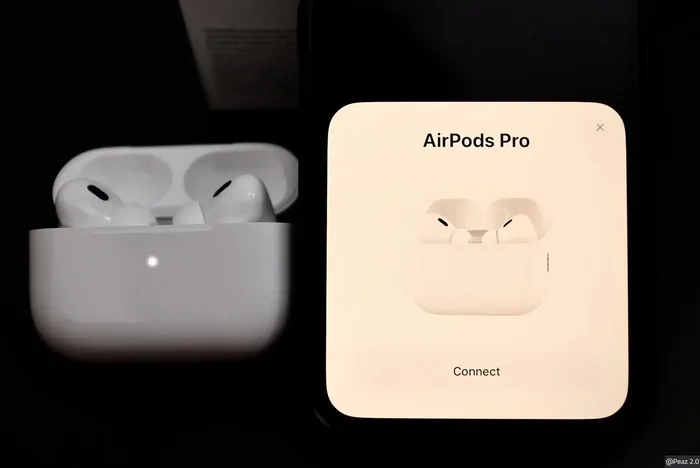
Visual guide about AirPods Pro upgrade exchange
Image source: i0.wp.com
Typical Trade-In Values by Model
While values fluctuate based on promotions and timing, here’s a general idea of what you might receive:
AirPods Pro (1st Gen): You might receive around $25-$50 in trade-in credit. These still hold decent value because they feature active noise cancellation and were premium models.
AirPods (3rd Generation): Expect approximately $15-$30 in credit. These are newer models with spatial audio support, so they retain reasonable value.
AirPods (2nd Generation): You might see credit ranging from $10-$20. These are older but still functional models.
AirPods (1st Generation): Trade-in value is minimal, often $0-$10. These are considered outdated by current standards.
Important note: Apple can refuse any device that doesn’t meet their condition standards, which we’ll discuss in detail later.
Factors That Affect Your Trade-In Value
Several elements determine how much credit you’ll receive. Think of it like selling a used car: the year, mileage, and condition all matter.
- Generation: Newer generations always command higher trade-in values
- Physical Condition: Scratches, dents, or damaged cases reduce value
- Battery Health: AirPods with degraded battery life may receive less credit
- Functionality: All features must work properly, including charging
- Accessories: Having original cables and documentation can help
- Market Demand: Current market trends affect trade-in pricing
Eligibility Requirements and Conditions
Before you get too excited about that trade-in credit, let’s talk about the rules. Apple has specific requirements that your AirPods must meet to qualify.
Condition Standards You Must Meet
Your AirPods need to pass Apple’s inspection checklist. Here’s what they look for:
Power and Functionality: Both AirPods must power on and connect to devices without issues. If one AirPod doesn’t work, your trade-in value drops significantly or becomes zero.
Physical Integrity: No major physical damage. Minor scratches are usually acceptable, but cracked or broken pieces are not. Think of it this way: if your AirPods look like they’ve been through a war, Apple probably won’t accept them.
Charging Case Condition: The charging case must function properly and not have any major damage. The case is essential because, without it, AirPods lose significant practical value.
Battery Performance: While not always explicitly stated, AirPods with severely degraded battery life may not qualify or may receive reduced credit.
What Happens If Your AirPods Don’t Qualify?
If your AirPods don’t meet Apple’s standards, you have a few options. Apple might offer reduced credit, or they might decline the trade-in entirely. In that case, they’ll usually return your device to you.
Don’t panic if this happens. You can always explore alternative selling options, which we’ll cover in the next section. Sometimes a private sale nets you more money anyway!
Step-by-Step Exchange Process
Ready to make the exchange? Here’s exactly how to do it, whether you prefer online or in-store transactions.
Option 1: Online Trade-In Process
The online method is convenient and works like a digital handshake. Here’s the breakdown:
- Visit Apple’s Trade In page: Go to apple.com/shop/trade-in and select AirPods
- Answer questions about your device: Tell them the model, generation, and condition
- Receive your estimate: Apple will show you the estimated trade-in value
- Choose your new AirPods Pro: Select the configuration you want to purchase
- Ship your old AirPods: Apple sends a prepaid shipping label or kit
- Get your credit: After Apple receives and inspects your device, they’ll apply the credit or send a refund
Pro tip: The credit is applied as a refund after Apple receives and verifies your trade-in device. This means you pay full price upfront, then get reimbursed. It’s not an instant discount at checkout.
Option 2: In-Store Exchange at Apple Retail
Prefer face-to-face transactions? Here’s how the in-store process works:
- Find your nearest Apple Store: Use Apple’s store locator to find a location
- Bring your AirPods and ID: Have your trade-in device ready and a valid photo ID
- Get an initial assessment: An Apple specialist will examine your AirPods
- Receive final quote: The store will give you a final trade-in value
- Complete the transaction: Apply credit toward your AirPods Pro purchase immediately
Why choose in-store? You get instant credit toward your new purchase, no waiting for shipping or verification. Plus, you can ask questions and see the AirPods Pro in person before buying.
What You’ll Need to Bring
Don’t show up empty-handed! Make sure you have:
- Your AirPods (both earbuds and charging case)
- A valid government-issued photo ID
- Your proof of purchase (optional but helpful)
- The original packaging if you still have it
- A cleared payment method for the remaining balance
Alternative Ways to Upgrade to AirPods Pro
Apple’s Trade In program isn’t your only option. Sometimes other paths lead to better deals. Let’s explore your alternatives.
Selling Privately for Maximum Value
Private sales often yield 20-50% more money than trade-in programs. It’s like the difference between selling your house to a quick-buy company versus listing it with a realtor who finds the right buyer.
Popular platforms for selling AirPods include:
- eBay: Large audience, auction-style or fixed-price options
- Swappa: Specifically for electronics, with verified listings
- Facebook Marketplace: Local sales, no shipping required
- OfferUp: Mobile-friendly local selling app
- Craigslist: Traditional classified-style platform
When selling privately, be honest about condition, take clear photos, and price competitively. Check completed listings on eBay to see what similar AirPods actually sold for, not just asking prices.
Trade-In Programs from Third Parties
Several companies specialize in buying used electronics. They often compete with Apple’s trade-in values:
- Decluttr: Quick quotes and free shipping
- Gazelle: Popular for smartphone and electronics trade-ins
- BuyBack World: Competitive pricing for various devices
- Walmart Trade-In: In-store credit options available
- Best Buy Trade-In: Offers Best Buy gift cards
Did You Know? A 2023 survey found that 68% of consumers who traded in electronics received higher values from third-party services compared to manufacturer trade-in programs. It’s worth shopping around!
Financing and Payment Plans
If cash flow is tight, financing might be your best friend:
Apple Card Monthly Installments: Pay for AirPods Pro over 6, 12, or 24 months with zero interest when using an Apple Card. You get the new AirPods immediately without waiting for trade-in credit.
Carrier Financing: Some mobile carriers offer promotional financing on Apple accessories when bundled with service plans.
Buy Now, Pay Later Services: Affirm, Klarna, and similar services offer installment plans for online purchases.
Making the Smart Decision: Exchange vs. Other Options
So, can we exchange AirPods for AirPods Pro? Yes, but should you? Let’s break down the decision-making process.
When Apple’s Trade-In Makes Sense
The official program is your best bet when:
- You value convenience over maximum profit
- You want guaranteed acceptance and no haggling
- You’re trading in older AirPods with low private-sale value
- You prefer in-store transactions and immediate processing
- You want to ensure proper recycling of your old device
When Private Sale Is Better
Skip the trade-in and sell privately when:
- You have newer AirPods in excellent condition
- You’re willing to handle listing creation and shipping
- You want to maximize your return by 20-50%
- You have the original packaging and accessories
- You’re comfortable with negotiation
Calculating Your Real Cost
Here’s a practical example. Let’s say AirPods Pro retail for $249. Your options might look like this:
Scenario A – Apple Trade-In: Trade AirPods 3rd Gen for $30 credit, pay $219 out of pocket plus tax on full price ($249), receive $30 refund later, final cost approximately $249 – $30 = $219.
Scenario B – Private Sale: Sell AirPods 3rd Gen on eBay for $70, pay $249 for new AirPods Pro, final cost $249 – $70 = $179.
Scenario C – Trade-In with Financing: Trade AirPods for $30 credit, finance remaining $219 over 12 months at 0% APR with Apple Card, pay $18.25 monthly.
The math clearly shows private sale wins on pure savings, but trade-in wins on convenience. Your situation determines which approach makes sense.
Tips to Maximize Your Exchange Value
Want to squeeze every dollar out of your exchange? These insider tips will help.
Before You Trade In
Clean your AirPods thoroughly: Use a soft, dry cloth to remove earwax and debris. First impressions matter, and clean devices often get better estimates.
Reset to factory settings: Unpair your AirPods from all devices and reset them. This makes the inspection process smoother and shows you took care of them.
Check battery status: While you can’t replace AirPods batteries easily, knowing your battery health helps you set realistic expectations.
Document everything: Take photos of your AirPods before trading them in, just in case there’s a dispute about their condition.
Timing Your Exchange Strategically
Watch for promotional periods: Apple occasionally boosts trade-in values during back-to-school, Black Friday, and new product launch periods.
New release timing: When Apple launches new AirPods Pro versions, they sometimes increase trade-in values for older models to encourage upgrades.
End of quarter: Retail locations sometimes have more flexibility in trade-in negotiations at quarter’s end.
Negotiating for Better Value
While Apple Trade-In values are usually fixed, in-store transactions have some flexibility. If you believe your AirPods are worth more than the quoted value, politely explain why and provide evidence. Sometimes managers can adjust offers, especially for premium models in excellent condition.
Compare before committing: Get quotes from multiple sources before accepting Apple’s offer. Having competing quotes gives you leverage.
Common Mistakes to Avoid
Learn from others’ mistakes! Here are pitfalls to avoid when exchanging AirPods.
Don’t Forget About Hidden Costs
The advertised trade-in value isn’t always your final savings. Remember to factor in sales tax on the full retail price. If your state charges 8% tax, that’s roughly $20 on a $249 purchase that you pay upfront before receiving your trade-in credit.
Avoiding Scams When Selling Privately
If you choose to sell privately, protect yourself. Use secure payment methods like PayPal Goods and Services, never ship before receiving payment, and be wary of overpayment scams. Meet local buyers in public places during daylight hours.
Don’t Lose Your Original Packaging Needlessly
Keeping original boxes, cables, and documentation can increase both trade-in and private sale values by 10-15%. It’s worth the closet space!
Skipping the Comparison Shopping
Don’t accept the first offer you receive. Spend 15 minutes checking competitor trade-in values and recent private sale prices. That small investment of time can save you $20-$50.
Environmental Considerations: Recycling Your Old AirPods
Here’s something many people overlook: what happens to your old AirPods after exchange? It’s actually a pretty cool process.
Apple’s Recycling Commitment
Apple has committed to being carbon neutral across their entire supply chain by 2030. When you trade in AirPods, they’re either refurbished for resale or disassembled for material recovery. The precious metals, plastics, and other materials get recycled into new products.
Did You Know? AirPods contain rare earth elements, including neodymium magnets. Recycling one million AirPods can recover enough rare earth materials to manufacture approximately 10,000 new pairs. That’s sustainability in action!
The Right Way to Recycle Damaged AirPods
If your AirPods are too damaged for trade-in, don’t throw them in regular trash. Lithium-ion batteries can cause fires in landfills and waste facilities. Instead:
- Take them to an Apple Store for proper recycling
- Use Best Buy’s electronics recycling program
- Find a local e-waste recycling center
- Check if your municipality has special electronics collection days
Final Thoughts: Making Your Exchange Decision
So, let’s wrap this up with the answer you came for: Yes, you can exchange AirPods for AirPods Pro through Apple’s Trade In program, provided your current AirPods meet eligibility requirements. The process is straightforward, whether you choose online or in-store transactions.
Here’s your action plan: First, determine your AirPods model and generation. Second, get an estimate from Apple’s Trade In page. Third, compare that with private sale values on platforms like eBay or Swappa. Fourth, decide whether convenience or maximum value matters more to you. Fifth, complete the exchange and enjoy your new AirPods Pro!
Remember, the best choice depends on your specific situation. If you’re trading older AirPods with low private-sale value, Apple’s Trade In program offers hassle-free convenience. If you have newer AirPods in excellent condition and don’t mind some extra effort, private selling will put more money in your pocket.
Whichever path you choose, you’re now equipped with all the information you need to make a smart decision. Welcome to the AirPods Pro family! Your music, podcasts, and phone calls are about to sound significantly better, and your ears will thank you for the upgrade.
Frequently Asked Questions
How long does Apple’s AirPods trade-in process take?
Online trade-ins typically take 2-3 weeks from when you ship your device to when you receive your credit. In-store exchanges are processed immediately, and the credit is applied to your purchase right away. Apple’s inspection period ensures your trade-in value matches your device’s actual condition.
Can I trade in AirPods that don’t work properly?
Apple requires AirPods to be fully functional for trade-in eligibility. If one AirPod doesn’t work, the charging case is damaged, or the device won’t power on, your trade-in will likely be rejected. In such cases, consider recycling the AirPods through Apple’s free recycling program instead of expecting trade-in credit.
Do I need original packaging to trade in my AirPods?
No, original packaging isn’t required for Apple’s Trade In program. However, having the original box, cables, and documentation can increase your private sale value if you choose that route. For trade-in purposes, only the AirPods and charging case matter.
Can I exchange AirPods purchased from someone else?
Yes, you can trade in AirPods regardless of where you purchased them originally. Apple doesn’t require proof of purchase for trade-in, though having it can help verify the model and generation. The trade-in value depends on the device’s condition, not its purchase history.
What happens if Apple receives my AirPods and finds they don’t match my description?
If Apple’s inspection reveals that your AirPods don’t match the condition you described, they’ll offer you a revised lower trade-in value. You can accept the new offer or have your AirPods returned to you free of charge. This is why accurate descriptions are crucial for smooth transactions.
Is it better to trade in AirPods or sell them privately for AirPods Pro?
Private sales typically yield 20-50% more money than Apple’s Trade In program, but require more effort, time, and risk. Trade-ins offer convenience, guaranteed acceptance, and immediate processing. If maximizing profit is your priority and you’re willing to handle the selling process, private sales are better. If convenience matters most, Apple’s program is the way to go.