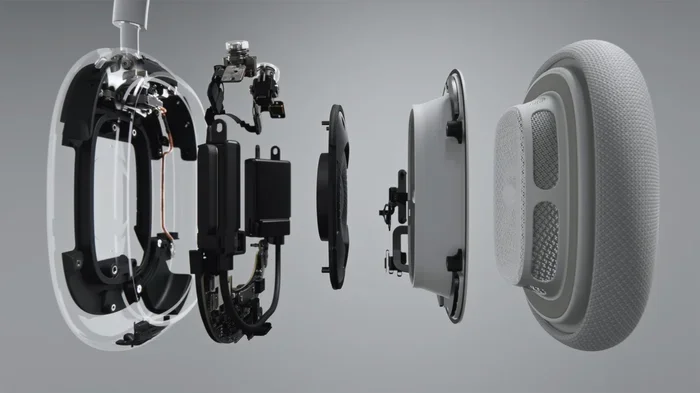
Featured image for AirPod Max adaptive audio technology
Image source: apple.com
AirPod Max do not have Adaptive Audio as a native feature. Only AirPods Pro (2nd generation) and AirPods 4 support Adaptive Audio. However, AirPod Max users can access similar features like Transparency mode and Conversation Boost for a comparable listening experience through alternative settings and workarounds.
Picture this: you’re walking down a busy street with your AirPod Max on, jamming to your favorite playlist. Suddenly, an ambulance siren wails nearby. Wouldn’t it be amazing if your headphones automatically lowered the music and let the important sound through? That’s exactly what Adaptive Audio does on newer AirPods. But here’s the burning question many Apple fans are asking: do AirPod Max have Adaptive Audio?
The short answer might surprise you. Despite being Apple’s flagship over-ear headphones, AirPod Max don’t support Adaptive Audio. This has been a point of confusion for many users, especially since AirPod Max sit at the top of Apple’s audio product lineup. The reason comes down to hardware limitations, specifically the chip inside the headphones.
In this comprehensive guide, we’ll break down everything you need to know about AirPod Max and Adaptive Audio. We’ll explore why this feature is missing, what alternatives you have, and whether there are any workarounds. By the end, you’ll have a complete understanding of what your AirPod Max can and cannot do in terms of smart audio adjustment.
Key Takeaways
- Native Adaptive Audio is Unavailable: AirPod Max (both original USB-C and Lightning models) do not support Apple’s Adaptive Audio feature as of late 2024.
- Adaptive Audio Requires Specific Chips: The H2 chip is necessary for Adaptive Audio, while AirPod Max use the older H1 chip.
- Alternative Features Exist: AirPod Max offer Transparency mode, Active Noise Cancellation, and Conversation Boost as audio adjustment alternatives.
- Software Updates Won’t Add It: Hardware limitations mean no future iOS update can enable Adaptive Audio on AirPod Max.
- Eligible Devices: AirPods Pro 2, AirPods 4, and AirPods Pro 3 (when released) feature Adaptive Audio capabilities.
- Third-Party Workarounds: Some apps and settings can simulate adaptive-like audio behavior on AirPod Max.
- Price Consideration: AirPod Max remain premium headphones but lack this specific modern smart feature.
📑 Table of Contents
- Understanding Adaptive Audio: What It Is and How It Works
- Why AirPod Max Don’t Have Adaptive Audio
- What Audio Features AirPod Max Do Offer
- Workarounds and Alternatives for AirPod Max Users
- Comparing AirPod Max to AirPods Pro 2
- The Future of AirPod Max: Will They Ever Get Adaptive Audio?
- Making the Most of Your AirPod Max Without Adaptive Audio
- Final Verdict: Do AirPod Max Have Adaptive Audio?
Understanding Adaptive Audio: What It Is and How It Works
Before diving into whether AirPod Max have this feature, let’s understand what Adaptive Audio actually does. Think of it like having a super-smart friend sitting next to you. This friend constantly listens to your surroundings and adjusts your music volume automatically. When a loud noise happens nearby, the friend turns down your music briefly. When the noise passes, the music returns to normal volume.
Apple introduced Adaptive Audio with the AirPods Pro 2nd generation in late 2023. The feature combines three existing technologies into one seamless experience:
- Active Noise Cancellation: Blocks out unwanted background noise
- Transparency Mode: Lets outside sounds pass through naturally
- Adaptive Audio: Intelligently switches between the two based on your environment
The Technology Behind Adaptive Audio
Adaptive Audio uses machine learning algorithms and advanced processing to detect changes in your environment. It can tell the difference between a conversation, traffic noise, and sudden loud sounds. The system processes this information in real-time and makes split-second decisions about how to adjust your audio.
Did You Know? Apple’s Adaptive Audio can detect over 1,000 different sound environments and adjust your listening experience accordingly. This is made possible by the H2 chip’s advanced computational audio capabilities.
Personalized Volume: The Companion Feature
Alongside Adaptive Audio, Apple introduced Personalized Volume. This feature learns your preferred volume levels over time and adjusts automatically based on your surroundings. It’s like having headphones that remember exactly how loud you like your music in different situations.
Why AirPod Max Don’t Have Adaptive Audio
Now we get to the core question: why don’t AirPod Max have Adaptive Audio? The answer lies in a tiny but crucial piece of hardware called a chip.
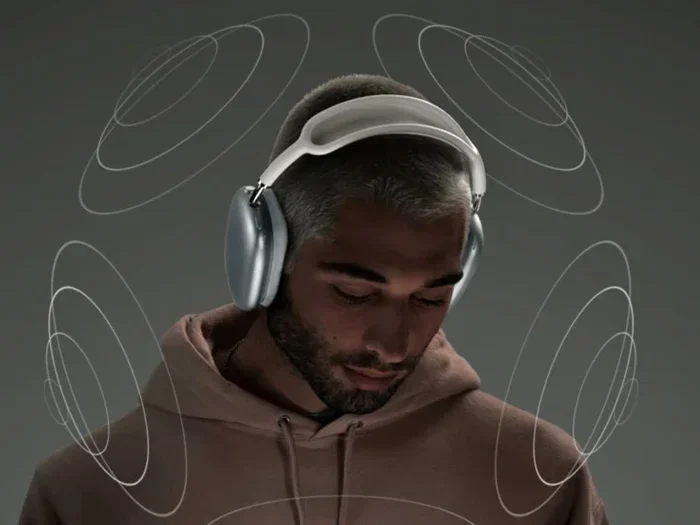
Visual guide about AirPod Max adaptive audio technology
Image source: cdn.xingosoftware.com
The H1 Chip Limitation
AirPod Max were released in December 2020 and feature the H1 chip. While this chip was revolutionary at the time, it lacks the processing power needed for Adaptive Audio. The feature requires the newer H2 chip, which Apple introduced with the AirPods Pro 2nd generation.
Think of it like this: imagine you have two cars. One is from 2020, and the other is from 2023. Both can drive you to work, but the newer car has advanced features like autopilot. The H1 chip in AirPod Max is like the 2020 car, capable and reliable, but missing the newest smart features.
Why Apple Won’t Update AirPod Max
You might wonder: can Apple just add Adaptive Audio through a software update? Unfortunately, no. The H1 chip physically lacks the neural engine capabilities needed to process Adaptive Audio in real-time. This isn’t a software limitation; it’s a hardware limitation.
Stat: According to Apple’s technical specifications, the H2 chip delivers up to 2x more Active Noise Cancellation compared to the H1 chip, with significantly improved computational audio capabilities.
The USB-C Model Mystery
Apple released an updated AirPod Max with USB-C charging in September 2024. Many users hoped this refresh would include the H2 chip and Adaptive Audio support. However, the USB-C AirPod Max still use the same H1 chip. The update was primarily about charging convenience and slight design refinements, not internal audio processing upgrades.
What Audio Features AirPod Max Do Offer
While AirPod Max lack Adaptive Audio, they’re still packed with impressive audio technologies. Let’s explore what you actually get when you buy these premium headphones.
Active Noise Cancellation
AirPod Max feature excellent Active Noise Cancellation (ANC). The system uses multiple microphones both inside and outside the ear cups to detect and cancel ambient noise. It’s particularly effective at blocking low-frequency sounds like airplane engines and air conditioning hum.
Did You Know? AirPod Max use six outward-facing microphones to detect environmental noise, plus two inward-facing microphones that measure what you actually hear. This dual-system approach creates highly effective noise cancellation.
Transparency Mode
Transparency Mode is the opposite of ANC. It uses the same microphones but instead of canceling noise, it lets outside sounds pass through naturally. It’s perfect for situations where you need to hear announcements, have quick conversations, or stay aware of traffic while walking.
Conversation Boost
This is one of the most underrated AirPod Max features. Conversation Boost focuses on and amplifies voices directly in front of you while reducing background noise. It’s particularly helpful for people with hearing difficulties or in noisy environments.
Spatial Audio
AirPod Max support Spatial Audio with dynamic head tracking. This creates a theater-like experience where sound seems to come from fixed points in space, even when you turn your head. It’s excellent for movies and supported music tracks.
Adaptive EQ
While AirPod Max don’t have Adaptive Audio, they do have Adaptive EQ. This feature tunes the sound in real-time based on the seal and fit of the ear cushions. It ensures consistent audio quality regardless of how the headphones sit on your head.
Workarounds and Alternatives for AirPod Max Users
Just because AirPod Max don’t have Adaptive Audio doesn’t mean you’re stuck. Several workarounds and alternative approaches can give you a similar experience.
Manual Mode Switching
The most obvious workaround is manually switching between Active Noise Cancellation and Transparency Mode. You can do this by:
- Pressing the noise control button on the right ear cup
- Using the Control Center on your iPhone or iPad
- Asking Siri to switch modes
While not as convenient as automatic adjustment, this method gives you complete control over your listening experience.
Using iOS Shortcuts
Here’s where things get clever. You can create iOS Shortcuts that automatically adjust your AirPod Max settings based on location or time. For example:
- Create a shortcut that enables Transparency Mode when you arrive at your office
- Set up automatic switching to Noise Cancellation when you start a workout
- Use geofencing to change modes based on your location
This requires some initial setup but can create an almost-adaptive experience tailored to your daily routine.
Third-Party Apps
Several third-party apps offer advanced audio control features for AirPod Max. These apps can help you:
- Create custom EQ settings for different environments
- Automate mode switching based on ambient sound levels
- Access advanced hearing assistance features
However, remember that no third-party app can actually enable Adaptive Audio on AirPod Max due to the hardware limitation.
Comparing AirPod Max to AirPods Pro 2
To understand what you’re missing, let’s compare AirPod Max directly with AirPods Pro 2nd generation.
Audio Features Comparison
- AirPod Max: Active Noise Cancellation, Transparency Mode, Adaptive EQ, Spatial Audio, Conversation Boost
- AirPods Pro 2: All AirPod Max features PLUS Adaptive Audio, Personalized Volume, Conversation Awareness, and Adaptive Transparency
Which Should You Buy?
If Adaptive Audio is crucial for your listening style, AirPods Pro 2 are the obvious choice. They’re also significantly cheaper at $249 compared to AirPod Max at $549. However, AirPod Max offer superior sound quality, premium materials, and over-ear comfort that many users prefer for long listening sessions.
Stat: AirPod Max contain 40mm Apple-designed dynamic drivers, while AirPods Pro 2 use much smaller custom amplifiers. The larger drivers in AirPod Max typically produce richer, more detailed sound.
The Future of AirPod Max: Will They Ever Get Adaptive Audio?
Looking ahead, many Apple enthusiasts wonder if a future AirPod Max model will include Adaptive Audio. Based on Apple’s product update patterns, here’s what we can expect.
The H2 Chip is Inevitable
Eventually, Apple will release a new AirPod Max with the H2 chip. When this happens, Adaptive Audio will almost certainly be included. However, this likely won’t happen until 2025 or 2026, given that the USB-C refresh just happened in September 2024.
Potential AirPod Max 2 Features
When the next AirPod Max release comes, expect features like:
- H2 chip with Adaptive Audio support
- Improved battery life (currently around 20 hours)
- Better water and sweat resistance
- Enhanced Spatial Audio capabilities
- Possibly lossless audio via USB-C connection
Should You Wait or Buy Now?
This depends on your priorities. If you need Adaptive Audio immediately, AirPods Pro 2 are your best bet. If you prioritize premium sound quality and don’t mind manually switching modes, current AirPod Max still offer excellent value. The current AirPod Max are particularly appealing if you find them on sale, as prices have dropped since the USB-C release.
Making the Most of Your AirPod Max Without Adaptive Audio
Even without Adaptive Audio, you can optimize your AirPod Max experience. Here are practical tips to get the most from your investment.
Optimize Your Settings
Dive into your iPhone or iPad settings and explore all AirPod Max options:
- Customize the noise control button to cycle through specific modes
- Enable Spatial Audio for compatible content
- Adjust the digital crown click sensitivity for volume control
- Set up automatic ear detection to pause audio when removed
Use the Right Ear Tips
AirPod Max use memory foam ear cushions that create a seal. Ensure you have the right fit, as this affects both noise cancellation effectiveness and audio quality. If your cushions are worn out, replacement cushions are available from Apple and third-party manufacturers.
Keep Firmware Updated
While firmware updates won’t add Adaptive Audio, they can improve existing features. Make sure your AirPod Max are running the latest firmware by keeping them connected to your iOS device. Apple regularly releases updates that enhance noise cancellation algorithms and fix bugs.
Explore Accessibility Features
Your AirPod Max include powerful accessibility features that many users overlook:
- Live Listen: Uses your iPhone as a remote microphone
- Headphone Accommodations: Boosts certain frequencies for hearing assistance
- Background Sounds: Plays calming sounds to help focus or sleep
These features can provide adaptive-like experiences in specific scenarios.
Final Verdict: Do AirPod Max Have Adaptive Audio?
Let’s circle back to our original question with a definitive answer. AirPod Max do not have Adaptive Audio, and they never will through software updates alone. This limitation stems from the H1 chip’s hardware capabilities, which cannot be upgraded remotely.
However, AirPod Max remain excellent premium headphones with many sophisticated features. Their Active Noise Cancellation and Transparency Mode work beautifully, and features like Conversation Boost and Adaptive EQ provide some intelligent audio adjustment. While they lack true Adaptive Audio, the overall package still delivers exceptional value, especially for users who prioritize sound quality and comfort.
If Adaptive Audio is a must-have feature for you, consider the AirPods Pro 2 as an alternative or supplement to your AirPod Max. For many users, owning both makes sense: AirPod Max for immersive listening at home or in the office, and AirPods Pro 2 for on-the-go adaptive listening.
The bottom line is this: AirPod Max are fantastic headphones, but they represent Apple’s audio technology from 2020. As we move further into 2024 and beyond, the absence of Adaptive Audio becomes more noticeable. If you’re buying AirPod Max today, you’re buying excellent sound quality and premium build, but you’re missing out on one of Apple’s most innovative recent audio features. Make your decision based on what features matter most to your listening lifestyle.
Frequently Asked Questions
Do AirPod Max support Adaptive Audio?
No, AirPod Max do not support Adaptive Audio. This feature requires the H2 chip, which AirPod Max lack. Both the original Lightning and updated USB-C models use the H1 chip and cannot run Adaptive Audio.
Can Apple add Adaptive Audio to AirPod Max through a software update?
No, Apple cannot add Adaptive Audio to AirPod Max via software updates. The H1 chip lacks the necessary computational power and neural engine capabilities required for Adaptive Audio processing.
What is the difference between Adaptive Audio and Transparency Mode?
Transparency Mode lets outside sounds pass through your headphones constantly. Adaptive Audio intelligently switches between Transparency and Noise Cancellation automatically based on your environment, without manual input.
Do AirPod Max have Personalized Volume?
No, AirPod Max do not have Personalized Volume. This feature also requires the H2 chip and is only available on AirPods Pro 2, AirPods 4, and newer models.
Which Apple headphones have Adaptive Audio?
Adaptive Audio is available on AirPods Pro 2nd generation (with USB-C or Lightning, running latest firmware) and AirPods 4. Future AirPods models will likely include this feature as standard.
Should I buy AirPod Max or AirPods Pro 2?
Buy AirPod Max if you prioritize premium sound quality, over-ear comfort, and longer battery life. Buy AirPods Pro 2 if you want Adaptive Audio, portability, and a lower price point at $249 versus $549.