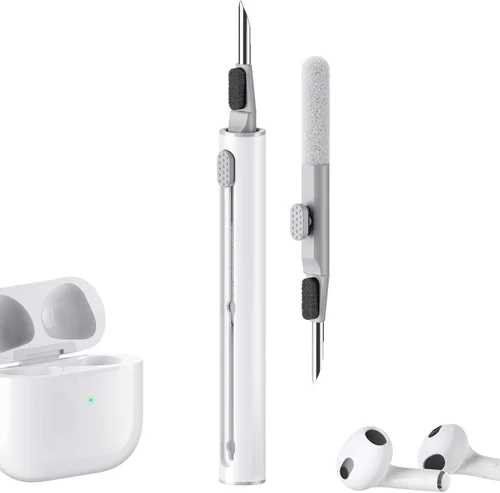
Maintaining your AirPods isn’t just about aesthetics—it’s about performance, hygiene, and longevity. Over time, earwax, dust, lint, and moisture can accumulate in the speaker grilles, microphone ports, and charging case, leading to muffled sound, connectivity issues, or even charging failures. While Apple provides basic cleaning instructions (like using a soft, dry, lint-free cloth), many users find that these methods aren’t enough for deep cleaning—especially when dealing with stubborn buildup. This is where an AirPods cleaning kit comes in. But with so many options on the market, how do you know if one is worth the investment? And more importantly, which kit offers real value without overcharging for gimmicks?
This comprehensive buying guide is designed to cut through the noise and help you make an informed decision. Whether you’re a casual listener who uses your AirPods for workouts or a tech enthusiast who demands peak audio clarity, we’ll walk you through everything you need to know. You’ll learn what features matter most, how to avoid common pitfalls, and how to choose a cleaning kit that fits your budget and lifestyle. We’ll also compare different types of kits, highlight expert tips for getting the best deal, and answer frequently asked questions based on real user experiences. By the end, you’ll have the confidence to pick a cleaning solution that keeps your AirPods sounding crisp, functioning smoothly, and looking like new—without wasting money on unnecessary extras.
The market for AirPods cleaning kits has exploded in recent years, driven by the popularity of wireless earbuds and growing awareness of ear hygiene. From simple brush sets to high-tech ultrasonic cleaners, there’s no shortage of options. Some kits are affordable and portable, ideal for on-the-go maintenance, while others offer professional-grade tools for deep cleaning at home. However, not all kits are created equal. Many are overpriced, poorly designed, or include components that do more harm than good—like abrasive wipes or liquids that can damage sensitive electronics. Others lack essential tools, forcing you to buy additional accessories later. With prices ranging from under $10 to over $50, it’s easy to overspend or underspend. This guide will help you navigate that landscape, so you get the right balance of quality, functionality, and value.

What to Look for When Buying Buying Guide
1. Cleaning Tools Included
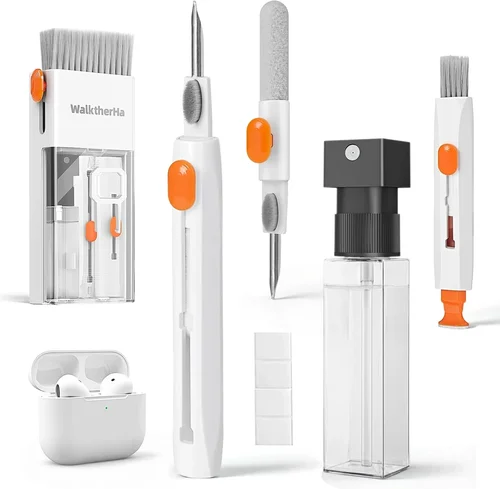
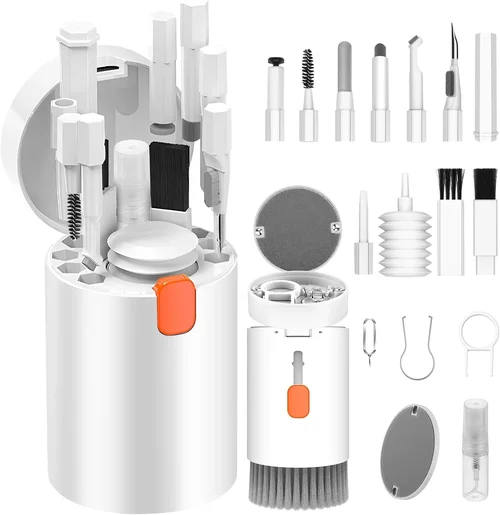
The core of any AirPods cleaning kit is the tools it provides. A good kit should include a variety of specialized instruments tailored to different parts of your earbuds and case. Look for soft-bristled brushes (ideal for gently removing debris from speaker grilles and microphone openings), precision picks or probes (for dislodging stubborn wax in tight spaces), and microfiber cloths (for wiping down surfaces without scratching). Some kits also include earwax removal tools with silicone tips, which are safer than metal picks that can scratch or puncture delicate components. Additionally, consider whether the kit includes a charging port cleaner—a small brush or swab designed to clear lint and dust from the Lightning or USB-C port in the case. The more comprehensive the toolset, the better equipped you’ll be to handle different types of buildup. Avoid kits that only include a single brush or cloth; they’re often insufficient for thorough cleaning.
2. Material Safety & Compatibility
AirPods are made from sensitive materials, including plastic, silicone, and delicate speaker membranes. Using the wrong cleaning tools or chemicals can cause irreversible damage. Always choose a kit that uses non-abrasive, non-corrosive materials. For example, brushes should have soft nylon or silicone bristles—never metal or stiff plastic, which can scratch surfaces or push debris deeper into ports. Similarly, avoid kits that include alcohol-based wipes or sprays unless explicitly labeled as safe for electronics. While isopropyl alcohol can disinfect, it may degrade rubber seals or coatings over time if used excessively. Instead, opt for kits that rely on dry or slightly damp microfiber cloths. If liquids are included, ensure they’re specifically formulated for earbuds and come with clear usage instructions. Compatibility with all AirPods models (including AirPods Pro, AirPods 2nd/3rd gen, and Max) is also crucial—some tools may be too large or too small for certain designs.
3. Portability & Storage
If you travel frequently or use your AirPods on the go, portability becomes a major factor. Many cleaning kits come in compact, travel-friendly cases—often made of hard plastic or fabric—that protect the tools and keep them organized. These are ideal for tossing into a backpack, gym bag, or carry-on. Look for kits that are lightweight and don’t take up much space. Some even include carabiner clips or keychain attachments for easy access. On the other hand, if you primarily clean your AirPods at home, a larger kit with a dedicated stand or tray might be more convenient. Consider how often you’ll need to clean your earbuds: daily users may benefit from a portable kit they can keep in their pocket or bag, while occasional users might prefer a sturdier desktop set. The storage solution should also prevent tools from getting lost or damaged—loose brushes and picks can easily go missing if not properly housed.
4. Ease of Use
A cleaning kit is only useful if it’s easy to use. Complicated tools or unclear instructions can discourage regular maintenance, defeating the purpose of owning one. The best kits are intuitive—each tool should have a clear function, and the design should make it obvious how to use it. For example, a brush with angled bristles is easier to maneuver into tight speaker grilles than a straight one. Similarly, a pick with a comfortable grip reduces hand fatigue during extended cleaning sessions. Look for kits that include a quick-reference guide or diagram showing which tool to use for each part of the AirPods. Some premium kits even come with video tutorials or QR codes linking to demonstration videos. Avoid overly complex kits with too many specialized tools—unless you’re a tech enthusiast, simplicity often leads to better long-term use.
5. Build Quality & Durability
You don’t want your cleaning tools to break after just a few uses. High-quality kits use durable materials like reinforced plastic, stainless steel (for non-contact parts), and long-lasting microfiber. Cheaper kits often feature flimsy brushes that shed bristles or picks that bend easily—these can leave behind debris or damage your AirPods. Check product descriptions and reviews for mentions of sturdiness. A well-made kit should feel solid in your hand and withstand repeated use without degrading. Pay attention to the hinges on storage cases (if included)—they should open and close smoothly without cracking. Also, consider whether the tools are replaceable. Some brands sell individual components, which is helpful if you lose a brush or wear out a cloth. Investing in a durable kit saves money in the long run by reducing the need for replacements.
6. Brand Reputation & Customer Support
Not all cleaning kit manufacturers are trustworthy. Stick with reputable brands that specialize in tech accessories or have positive reviews from verified buyers. Well-known names like Belkin, Anker, or even Apple-certified third parties often deliver higher-quality products with better customer service. Read user reviews on Amazon, Best Buy, or tech forums to see how others have fared with a particular kit. Look for feedback on effectiveness, durability, and whether the kit caused any damage. Avoid unknown brands with no customer support or return policy—these are red flags. A good brand will also provide clear instructions, warranty information, and responsive customer service if something goes wrong. Some companies even offer satisfaction guarantees or free replacements for defective items, which adds peace of mind.
7. Price vs. Value
Price alone shouldn’t dictate your decision. A $10 kit might seem like a bargain, but if it lacks essential tools or uses low-quality materials, it could end up costing more in the long run. Conversely, a $50 kit isn’t automatically better—it might include unnecessary gadgets or branding markup. Focus on value: what do you get for your money? Compare kits side by side based on the number and quality of tools, included accessories (like extra cloths or replacement tips), and overall design. Sometimes, paying a little more upfront gets you a kit that lasts years instead of months. Also, consider bundling deals—some retailers offer discounts when you buy a cleaning kit with other AirPods accessories. Ultimately, the best value is a kit that meets your specific needs without over-delivering on features you’ll never use.
8. Eco-Friendliness & Sustainability
As consumers become more environmentally conscious, sustainability is an increasingly important factor. Some cleaning kits use recyclable packaging, biodegradable materials, or refillable components to reduce waste. For example, a kit with reusable microfiber cloths is more eco-friendly than one that includes disposable wipes. Others are made from recycled plastics or come in minimal packaging. If this matters to you, look for certifications like BPA-free, recyclable symbols, or brand commitments to sustainability. While not everyone prioritizes this, it’s worth considering—especially if you clean your AirPods frequently and generate regular waste. Plus, sustainable products often reflect higher overall quality and ethical manufacturing practices.
Different Types of Buying Guide

Common Buying Mistakes to Avoid
❌ Mistake: Choosing the Cheapest Option Without Checking Tools
Why it’s bad: The lowest-priced kits often skimp on essential tools or use poor-quality materials that can damage your AirPods. For example, a $5 kit might include only a tiny brush that can’t reach deep into speaker grilles, leaving wax buildup untouched. Worse, some include metal picks that scratch surfaces or push debris further in.
What to do instead: Always inspect the tool list before buying. Even in budget kits, look for at least a soft brush, microfiber cloth, and a precision pick. If a kit seems too cheap to be true, it probably is—invest a few extra dollars for reliability.
❌ Mistake: Using Household Cleaning Products
Why it’s bad: Many people mistakenly use rubbing alcohol, disinfectant wipes, or even water to clean their AirPods. While these may seem effective, they can seep into tiny openings, damage internal components, or degrade rubber seals. Apple explicitly warns against submerging AirPods in liquid or using aerosol sprays.
What to do instead: Stick to dry or slightly damp microfiber cloths. If you must disinfect, use a cloth lightly dampened with water—never apply liquid directly to the earbuds. Only use cleaning solutions specifically designed for electronics.
❌ Mistake: Ignoring Compatibility with AirPods Models
Why it’s bad: Not all cleaning tools fit all AirPods. For instance, AirPods Pro have smaller speaker grilles and different microphone placements than standard AirPods. A pick designed for one model might not work on another, or worse, could get stuck.
What to do instead: Check the product description to ensure the kit is compatible with your specific AirPods model. Reputable brands usually list compatibility clearly. When in doubt, choose a universal kit with adjustable or multi-sized tools.
❌ Mistake: Overcleaning or Using Excessive Force
Why it’s bad: Cleaning your AirPods too often or scrubbing aggressively can wear down coatings, loosen internal parts, or even dislodge speaker membranes. Earwax is naturally protective, and removing it too frequently can irritate the ear canal.
What to do instead: Clean your AirPods only when visibly dirty or when sound quality declines. Use gentle, circular motions with soft tools. If wax is deeply embedded, consider professional cleaning or consult Apple Support.
❌ Mistake: Buying Kits with Disposable Components
Why it’s bad: Kits that include single-use wipes, cotton swabs, or paper towels contribute to waste and require constant repurchasing. They’re also less effective than reusable tools and can leave lint behind.
What to do instead: Opt for kits with reusable microfiber cloths and durable brushes. These save money over time and are better for the environment. Some brands offer replacement cloths, so you don’t need to buy a whole new kit.
❌ Mistake: Not Reading User Reviews
Why it’s bad: Product descriptions can be misleading. A kit might look comprehensive online but arrive with flimsy tools or missing parts. Without real user feedback, you risk disappointment.
What to do instead: Always read recent, verified purchase reviews. Look for comments about tool quality, effectiveness, and whether the kit caused any damage. Pay attention to reviews from users with the same AirPods model as you.
❌ Mistake: Assuming All Ultrasonic Cleaners Are Safe
Why it’s bad: While ultrasonic cleaners use high-frequency sound waves to remove debris, they can be too aggressive for delicate earbuds. Some models generate heat or vibrations that may damage internal circuitry or loosen adhesives.
What to do instead: Only use ultrasonic cleaners specifically designed for earbuds or hearing aids. Avoid generic jewelry cleaners. Always follow the manufacturer’s instructions and never leave AirPods in the cleaner for extended periods.
Budget Guidelines: How Much Should You Spend?
- Entry-Level ($8 – $15): Ideal for casual users who clean their AirPods occasionally. These kits typically include a soft brush, microfiber cloth, and maybe a small pick. While functional, they may lack durability or specialized tools. Best for light maintenance and travel.
- Mid-Range ($15 – $30): The sweet spot for most buyers. These kits offer a balanced mix of quality, variety, and portability. Expect multiple brushes, precision tools, a sturdy case, and sometimes extra cloths or replacement tips. Great for regular users who want reliable performance without overspending.
- Premium ($30 – $50): Designed for enthusiasts and frequent users. These kits often include advanced tools like angled brushes, silicone earwax removers, charging port cleaners, and detailed guides. Some feature premium materials like stainless steel or eco-friendly designs. Worth it if you prioritize thorough cleaning and long-term care.
- Luxury ($50+): Top-tier options with automated features like ultrasonic cleaning, UV sanitization, or app-connected maintenance reminders. These are overkill for most users but may appeal to tech collectors or professionals who demand perfection. Ensure the technology is proven safe for AirPods before investing.
Expert Tips for Getting the Best Deal
- Buy During Sales Events: Look for discounts during Black Friday, Cyber Monday, Amazon Prime Day, or back-to-school seasons. Many accessory brands offer 20–30% off cleaning kits during these periods.
- Check Bundle Deals: Some retailers sell cleaning kits bundled with AirPods cases, screen protectors, or charging cables. These can offer better value than buying items separately.
- Compare Retailers: Prices vary between Amazon, Best Buy, Walmart, and direct brand websites. Use price-tracking tools like Honey or CamelCamelCamel to find the lowest price.
- Read Return Policies: Choose retailers with hassle-free returns in case the kit doesn’t meet your expectations. Avoid sellers with restocking fees or short return windows.
- Look for Warranty Coverage: Some brands offer 1–2 year warranties on cleaning kits. This is rare but valuable if tools break prematurely.
- Test Before Committing: If buying in-store, inspect the kit’s build quality. Feel the brush bristles, check the case hinge, and ensure all tools are included.
- Subscribe for Updates: Follow your favorite accessory brands on social media or sign up for newsletters. They often announce flash sales or exclusive discounts for subscribers.
- Consider Refurbished or Open-Box: Some retailers sell open-box cleaning kits at a discount. These are usually inspected and functional, making them a budget-friendly option.

Frequently Asked Questions
Q: How often should I clean my AirPods?
A: It depends on usage. If you wear them daily, especially during workouts, clean them weekly. For occasional use, monthly cleaning is sufficient. Always clean them if you notice reduced sound quality or visible wax buildup.
Q: Can I use water to clean my AirPods?
A: Lightly dampen a microfiber cloth with water, but never submerge your AirPods or apply liquid directly. Water can damage internal components. Dry thoroughly after cleaning.
Q: Are AirPods cleaning kits safe for AirPods Pro?
A: Yes, as long as the kit is compatible. AirPods Pro have smaller components, so use only soft, precision tools. Avoid metal picks that could scratch the matte finish.
Q: Do I really need a cleaning kit, or can I just use a toothbrush?
A: A toothbrush is too stiff and can damage speaker grilles. Specialized brushes have softer, finer bristles designed for delicate electronics. A dedicated kit is safer and more effective.
Q: Can cleaning improve sound quality?
A: Absolutely. Wax and debris in the speaker grilles can muffle audio. Regular cleaning restores clarity and volume, especially in the bass and midrange frequencies.
Q: Are ultrasonic cleaners worth it?
A: For most users, no. They’re expensive and can be overkill. Manual cleaning with proper tools is usually sufficient. Only consider ultrasonic if you have severe buildup or use your AirPods in extremely dirty environments.
Q: Can I clean the charging case?
A: Yes! Use a dry brush to remove lint from the charging port and a microfiber cloth for the exterior. Avoid liquids near the charging contacts.
Q: What if my AirPods stop working after cleaning?
A: Stop using them immediately and let them dry completely for 24 hours. If issues persist, contact Apple Support. Never attempt to disassemble your AirPods.
Q: Are there DIY alternatives to buying a kit?
A: You can use a soft makeup brush, cotton swabs (gently!), and a microfiber cloth. However, a dedicated kit is safer and more convenient, especially for hard-to-reach areas.
Q: Do cleaning kits come with instructions?
A: Most reputable kits include a quick guide. If not, check the brand’s website for tutorials. Always follow Apple’s official cleaning guidelines as a baseline.
Our Final Recommendations
- Best for Budget-Conscious Buyers: JOTO AirPods Cleaning Kit ($12) – Includes 3 brushes, microfiber cloth, and precision pick in a compact case. Great value for basic maintenance.
- Best Overall Value: Belkin AirPods Cleaning Tool Set ($25) – High-quality tools, Apple-certified compatibility, and durable storage. Perfect balance of price and performance.
- Best Premium Option: Anker Soundcore Cleaning Kit Pro ($35) – Features angled brushes, silicone earwax remover, and eco-friendly packaging. Ideal for frequent users.
- Best for Beginners: Spigen AirPods Cleaning Kit ($18) – Simple, intuitive design with clear labeling. Comes with a helpful instruction card.
- Best for Advanced Users: CleanPod Ultrasonic Earbud Cleaner ($60) – Uses safe ultrasonic waves for deep cleaning. Best for those with persistent wax issues or multiple earbud pairs.
Conclusion: Making the Right Choice
Choosing the right AirPods cleaning kit isn’t just about keeping your earbuds shiny—it’s about preserving sound quality, ensuring reliable performance, and extending the life of your investment. With so many options available, it’s easy to feel overwhelmed, but by focusing on key factors like tool quality, material safety, and ease of use, you can narrow down your choices effectively. Remember, the best kit is one that fits your lifestyle, whether you’re a daily commuter, a gym enthusiast, or a casual listener.
Don’t fall for marketing gimmicks or assume that price equals quality. Instead, prioritize functionality, durability, and compatibility. Read reviews, compare features, and consider your long-term needs. A well-chosen cleaning kit will pay for itself many times over by preventing costly repairs or premature replacements. And while it might seem like a small purchase, consistent maintenance can make a big difference in your daily listening experience.
Ultimately, the goal is simple: keep your AirPods clean, safe, and sounding their best. With the insights from this guide, you’re now equipped to make a confident, informed decision. So go ahead—pick a kit that works for you, establish a regular cleaning routine, and enjoy crisp, clear audio for years to come. Your ears (and your AirPods) will thank you.