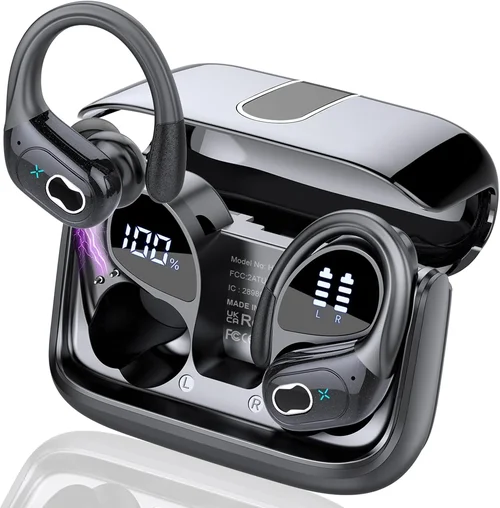
Finding the perfect pair of earbuds when you have small ears can feel like searching for a needle in a haystack. You’ve probably tried Apple AirPods—only to find they constantly slip out, deliver uneven sound, or just don’t feel right after 20 minutes of wear. You’re not alone. Millions of users with smaller ear canals struggle with fit issues that compromise comfort, sound quality, and even safety during workouts or commutes. The truth is, most mainstream earbuds are designed with an “average” ear in mind—and if your anatomy doesn’t match that average, you’re left with compromises.
This guide exists to solve that problem. Whether you’re a fitness enthusiast needing secure-fitting buds for your morning run, a commuter who values noise isolation on crowded trains, or someone who simply wants all-day comfort without constant readjustments, we’ve got you covered. We’ll walk you through everything you need to know—from understanding why fit matters more than specs, to comparing real-world performance across dozens of models, and avoiding common pitfalls that lead to buyer’s remorse. By the end, you’ll have a clear roadmap to choose earbuds that feel like they were custom-molded for your ears.
The market is flooded with options claiming to be “the best,” but very few are optimized for smaller ear canals. From compact true wireless models to lightweight sports-focused designs, the choices can overwhelm even seasoned tech shoppers. Some brands prioritize sleek aesthetics over ergonomics, while others pack in features that mean little if the buds won’t stay put. Our goal is to cut through the noise and deliver actionable, expert-backed advice tailored specifically to users with small ears—offering alternatives to AirPods that actually work.

What to Look for When Buying Buying Guide
1. Fit and Comfort
For users with small ears, fit isn’t just about comfort—it’s the foundation of everything. Poor fit leads to sound leakage, reduced bass response, constant readjustment, and even ear fatigue. Look for earbuds that come with multiple sizes of silicone or foam tips (at least three sizes: small, medium, large). Memory foam tips, like those found on Shure or Comply models, often provide a better seal in smaller ear canals because they conform to your unique shape. Also consider the bud’s physical profile: low-profile, pea-shaped designs (like the Sony WF-C500) tend to sit deeper and more securely than bulky, stem-style buds.
2. Sound Quality and Seal Dependency
Many assume that high-end drivers or advanced codecs guarantee great sound—but for small ears, the seal between the ear tip and your canal is often the deciding factor. Without a proper seal, bass frequencies drop off dramatically, making music sound thin and hollow. This is especially true for open-back or semi-open designs. Opt for earbuds that emphasize passive noise isolation through a tight seal rather than relying solely on active noise cancellation (ANC), which can be less effective if the fit isn’t perfect. Brands like Sennheiser and Audio-Technica are known for tuning their drivers to perform well even with imperfect seals.
3. Stability and Secure Fit Features
Even the smallest earbuds can fall out if they lack stabilizing elements. Look for models with wingtips, ear hooks, or contoured backs that gently hug the concha (the curved part of your outer ear). For example, the Jabra Elite 3 includes optional stabilizing fins that lock the bud in place without adding bulk. Avoid overly rigid or large stabilizers—they can cause pressure points in smaller ears. A good rule of thumb: if the earbud feels snug but not painful after 30 minutes, it’s likely stable enough for daily use.
4. Weight and Ergonomics
Heavier earbuds exert more downward force, increasing the chance of slippage—especially during movement. Aim for models under 6 grams per bud. Lightweight doesn’t mean flimsy; many premium options use magnesium alloys or reinforced polymers to stay durable yet featherlight. Also pay attention to the center of gravity: earbuds with the battery and electronics distributed evenly (rather than concentrated at the tip) reduce strain on the ear canal. The Cambridge Audio Melomania 1+ weighs just 4.6g per bud and remains one of the most comfortable options for extended wear.
5. Battery Life and Charging Case Size
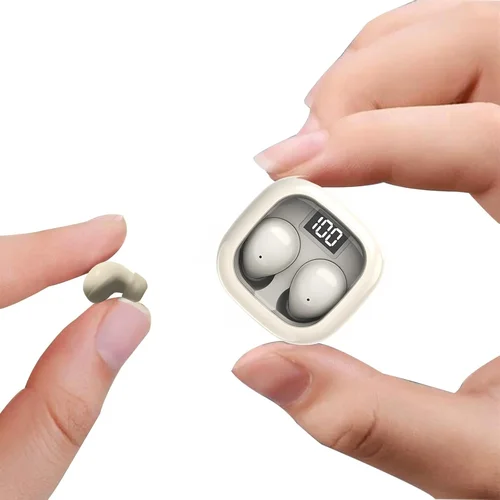
While battery life matters, it’s secondary to fit for small-eared users. That said, compact cases are easier to carry and often indicate thoughtful design. A case that’s too large may signal oversized buds inside. Look for earbuds offering at least 5–6 hours of playback per charge, with the case providing 2–3 additional full charges. Fast charging (e.g., 10 minutes for 1 hour of playback) is a bonus for on-the-go users. Avoid models where the case is disproportionately large relative to the buds—it’s often a red flag for poor space optimization.
6. Active Noise Cancellation (ANC) vs. Passive Isolation
ANC can be a game-changer, but it’s only effective if the earbuds fit snugly. For small ears, passive isolation—achieved through a tight seal—is often more reliable than ANC, which struggles with inconsistent contact points. If you do prioritize ANC, choose models with adaptive or adjustable levels (like the Sony WF-1000XM4), so you can dial back intensity if the pressure feels uncomfortable. Note: Some budget ANC earbuds sacrifice fit for tech, resulting in mediocre noise reduction. Always check reviews mentioning “small ears” or “fit issues.”
7. Durability and IP Rating
Small ears don’t mean you should compromise on build quality. Look for an IPX4 rating or higher if you plan to use them during workouts or in rainy conditions. IPX4 resists sweat and light splashes, while IPX7 can handle submersion up to 1 meter. Materials matter too: matte finishes resist scratches better than glossy ones, and reinforced charging ports prevent wear from frequent plugging. Brands like Anker and Soundcore consistently deliver reliable durability at mid-range prices.
8. Connectivity and Codec Support
Bluetooth 5.2 or newer ensures stable connections and lower latency, crucial for video calls or gaming. While AAC and SBC codecs work fine for most users, aptX or LDAC support delivers higher fidelity—if your phone supports it. However, don’t prioritize codecs over fit. A perfect seal with basic SBC can sound better than a loose fit with LDAC. Also check for multi-device pairing if you switch between phone, laptop, and tablet frequently.
Different Types of Buying Guide

Common Buying Mistakes to Avoid
❌ Mistake: Prioritizing Brand Over Fit
Why it’s bad: Just because a brand is popular (like Apple or Samsung) doesn’t mean its earbuds will fit small ears. Many flagship models use one-size-fits-all designs that ignore anatomical diversity.
What to do instead: Focus on earbuds with multiple tip options and compact form factors. Read niche reviews from users with similar ear sizes.
❌ Mistake: Ignoring Tip Material
Why it’s bad: Silicone tips may slip out easily in small canals, while hard plastic tips can cause discomfort. Foam offers better seal but degrades faster.
What to do instead: Try both silicone and memory foam. Brands like SpinFit or Dekoni offer aftermarket tips designed for small ears.
❌ Mistake: Overlooking Return Policies
Why it’s bad: You might end up stuck with earbuds that look great online but feel terrible in person.
What to do instead: Only buy from retailers with at least 30-day return windows (Amazon, Best Buy, B&H). Test them during your morning routine before deciding.
❌ Mistake: Chasing ANC at All Costs
Why it’s bad: Budget ANC earbuds often have poor fit, making ANC ineffective and causing ear pressure.
What to do instead: Start with passive isolation. If you need ANC, invest in mid-range models like the Sony WF-C700N, which balances tech and ergonomics.
❌ Mistake: Assuming All “Small” Earbuds Are Equal
Why it’s bad: Some “compact” models still have long stems or wide bodies that protrude uncomfortably.
What to do instead: Check dimensions and user photos. Look for buds under 25mm in height and 18mm in width.
❌ Mistake: Neglecting Long-Term Comfort
Why it’s bad: A bud might feel fine for 10 minutes but cause soreness after an hour.
What to do instead: Wear them during a full work session or commute before finalizing your decision.
❌ Mistake: Skipping User Reviews with “Small Ears” Mentions
Why it’s bad: General reviews rarely address fit issues specific to smaller anatomies.
What to do instead: Search review sections for phrases like “fits small ears” or “doesn’t fall out.” Real user experiences trump marketing claims.
Budget Guidelines: How Much Should You Spend?
Entry-Level ($20–$60): This tier includes gems like the EarFun Air Pro 3 and TOZO T10. Expect decent sound, basic touch controls, and IPX5+ ratings. Fit varies widely—look for models with three or more tip sizes. Battery life typically ranges from 5–8 hours. Ideal for casual listeners who prioritize affordability and don’t need advanced features.
Mid-Range ($60–$120): The sweet spot for most users. Models like the Soundcore Liberty 4 NC and Jabra Elite 3 offer excellent balance of comfort, sound, and features. You’ll get reliable Bluetooth 5.2, solid passive isolation, and often adaptive EQ. Many include wingtips or ergonomic designs tailored for secure fits. This range delivers the best value for small-eared users seeking quality without premium pricing.
Premium ($120–$200): For audiophiles and professionals. Think Sony WF-1000XM4 (compact version), Sennheiser Momentum True Wireless 3, or Cambridge Audio Melomania Touch. These offer superior driver tuning, customizable sound profiles, and refined materials. Fit is usually well-considered, with multiple tip materials and detailed ergonomic testing. Worth it if sound fidelity and long-term comfort are top priorities.
Luxury ($200+): Reserved for enthusiasts who demand the absolute best. Options include the Apple AirPods Pro (2nd gen)—but only if you find them comfortable—or niche brands like Noble Audio. These often feature flagship ANC, spatial audio, and premium build quality. However, many luxury models still struggle with small-ear compatibility, so proceed with caution and prioritize fit over brand prestige.
Expert Tips for Getting the Best Deal
- Shop during seasonal sales: Black Friday, Prime Day, and back-to-school periods offer 20–40% discounts on top models. Sign up for retailer newsletters to get early access.
- Buy refurbished from authorized sellers: Apple, Sony, and Jabra sell certified refurbished units with full warranties at 15–30% off retail.
- Check return policies rigorously: Amazon, Best Buy, and B&H Photo offer 30–60 day returns. Avoid retailers with restocking fees.
- Test before committing: Visit Apple Stores, Best Buy, or local audio shops. Bring your own music to evaluate sound and fit.
- Consider third-party tips: Aftermarket tips like Comply Foam or SpinFit CP360 can transform an ill-fitting pair into a secure, comfortable fit.
- Watch for bundle deals: Some brands include extra tips, cases, or subscriptions (e.g., free Spotify Premium) with purchase.
- Read long-term reviews: YouTube channels like “RTINGS.com” or “Headphones Addict” test earbuds over weeks, revealing comfort and durability insights.
- Don’t ignore firmware updates: Some earbuds improve fit-related issues (like touch sensitivity or ANC) via updates post-launch.
Frequently Asked Questions
Q: Can I use AirPods if I have small ears?
A: It’s possible, but not ideal. The original AirPods and AirPods Pro (1st gen) are known to slip out for users with smaller ear canals. The AirPods Pro (2nd gen) improved fit with redesigned tips, but many still report instability. If you love the ecosystem, try them in-store first—or consider alternatives like the Beats Fit Pro, which have built-in wingtips.
Q: Are foam tips better than silicone for small ears?
A: Generally, yes. Memory foam conforms to irregular ear shapes, creating a tighter seal and reducing pressure points. However, foam degrades faster (replace every 1–3 months) and can trap moisture. Silicone is more durable and easier to clean but may not seal as effectively in very small canals.
Q: Do smaller earbuds always mean better fit?
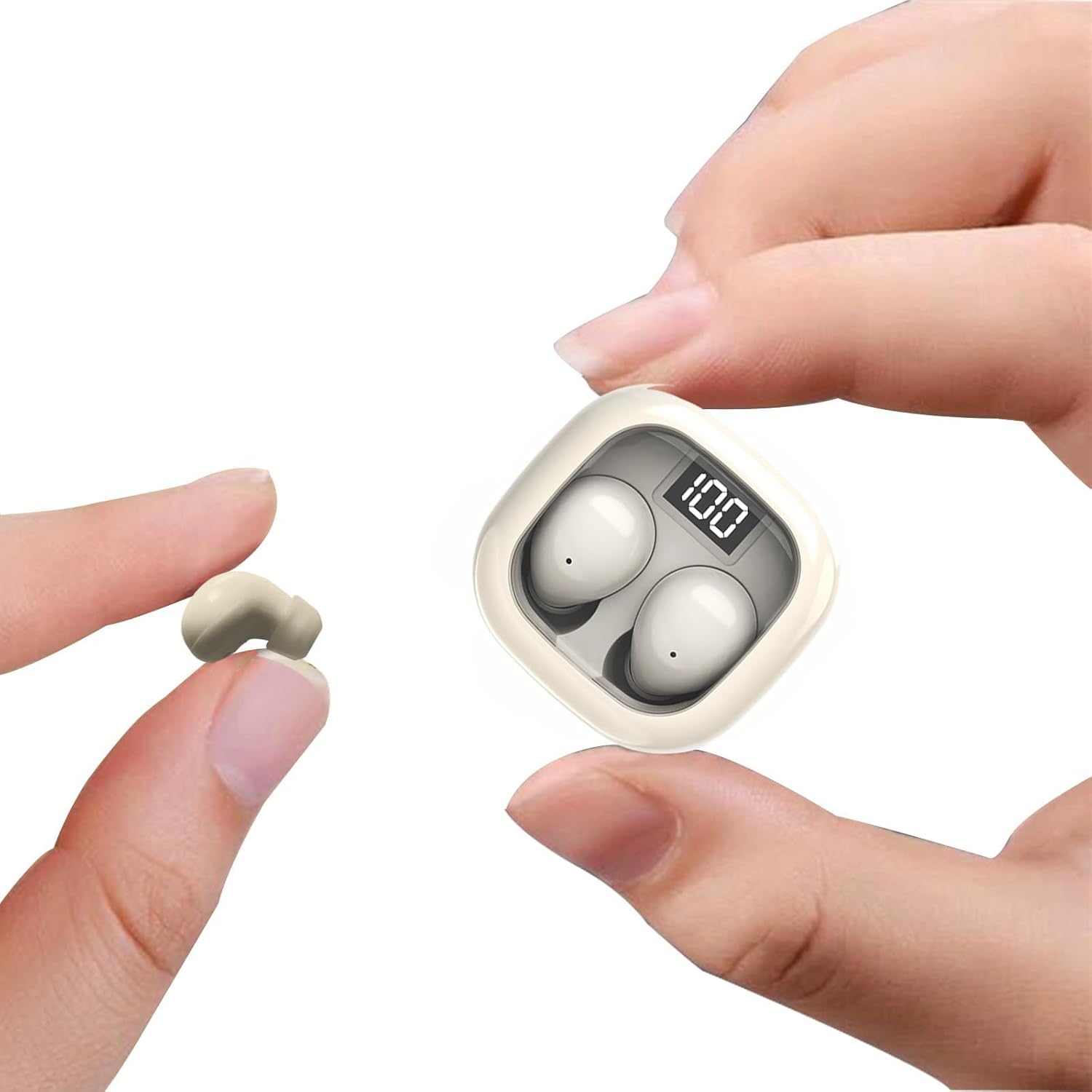
A: Not necessarily. Some “small” models have long stems that protrude and cause imbalance. Focus on overall volume and weight, not just external dimensions. A pea-shaped bud under 5g is usually a safer bet than a tiny bud with a heavy stem.
Q: How do I know if my earbuds are too big?
A: Signs include constant readjustment, pain after 20+ minutes, sound leakage (others can hear your music), or visible gaps between the bud and your ear. If the charging case feels bulky relative to the buds, it’s another clue.
Q: Can I modify earbuds to fit better?
A: Yes—safely. Use third-party tips, add silicone covers, or even trim excess stabilizer material (carefully!). Never cut into the driver housing or electronics. DIY mods void warranties, so try official accessories first.
Q: Are open-ear earbuds a good alternative?
A: Absolutely, if you prioritize situational awareness or have extremely small canals. Brands like Shokz OpenFit or Oladance don’t insert into the ear at all, eliminating fit issues. Sound quality is more ambient, but they’re excellent for calls, podcasts, and outdoor safety.
Q: Do expensive earbuds always fit small ears better?
A: No. Price doesn’t guarantee ergonomic design. Some budget models (like the EarFun Air Pro 3) outperform premium ones in fit. Always prioritize user reviews mentioning small ears over spec sheets.
Q: How often should I replace ear tips?
A: Silicone tips every 6–12 months; foam tips every 1–3 months. Worn tips reduce seal quality, affecting sound and hygiene.
Q: Can poor fit damage my ears?
A: Unlikely to cause permanent damage, but chronic pressure or friction can lead to irritation, ear infections, or temporary discomfort. If pain persists, discontinue use and consult an audiologist.
Q: Is there a universal “best” earbud for small ears?
A: No—ear anatomy varies too much. What works for one person may not work for another. Our recommendations below are based on aggregated user feedback, but your ideal pair depends on your unique needs and preferences.
Our Final Recommendations
Best for Budget-Conscious Buyers: EarFun Air Pro 3 ($50) – At under $60, these deliver impressive ANC, 7-hour battery life, and come with four silicone tip sizes plus foam options. Their compact, stemless design sits flush in small ears, and IPX5 rating makes them gym-ready. A standout value pick.
Best Overall Value: Soundcore Liberty 4 NC ($100) – Combines adaptive ANC, excellent sound tuning, and a lightweight (4.8g) ergonomic design. Includes six tip sizes and stabilizing wings. Frequently praised in reviews for fitting “even the tiniest ears.”
Best Premium Option: Sony WF-C700N ($130) – A shrunk-down version of Sony’s flagship, these offer top-tier ANC, LDAC support, and a pea-sized body that disappears in small ears. Comes with hybrid silicone/foam tips for optimal seal.
Best for Beginners: Jabra Elite 3 ($80) – Simple controls, reliable connectivity, and Jabra’s proven ergonomic design. Includes optional stabilizing fins and three tip sizes. Great entry point for those new to true wireless.
Best for Advanced Users: Cambridge Audio Melomania Touch ($180) – Audiophile-grade sound, ultra-lightweight (4.6g), and a minimalist case. Lacks ANC but excels in passive isolation and driver clarity. Ideal for critical listeners who prioritize fidelity over flashy features.
Conclusion: Making the Right Choice
Choosing the right earbuds for small ears isn’t about chasing the latest tech or the biggest brand name—it’s about finding a pair that feels like an extension of your body, not a foreign object you’re constantly aware of. Throughout this guide, we’ve emphasized that fit trumps specs, comfort outweighs convenience, and real-world testing beats theoretical performance. Whether you’re on a tight budget or ready to invest in premium audio, the key is to prioritize ergonomics, tip variety, and user feedback from people with similar needs.
Remember, the “best” earbuds are the ones you’ll actually wear—without discomfort, without constant adjustments, and without compromising your listening experience. Don’t settle for AirPods just because they’re popular. Explore alternatives that respect the uniqueness of your anatomy. With the insights and recommendations here, you’re equipped to make a confident, informed decision that delivers lasting satisfaction.
So go ahead—try that compact model, experiment with foam tips, and take advantage of those generous return policies. Your ears deserve earbuds that work as hard for them as you do. Happy listening!