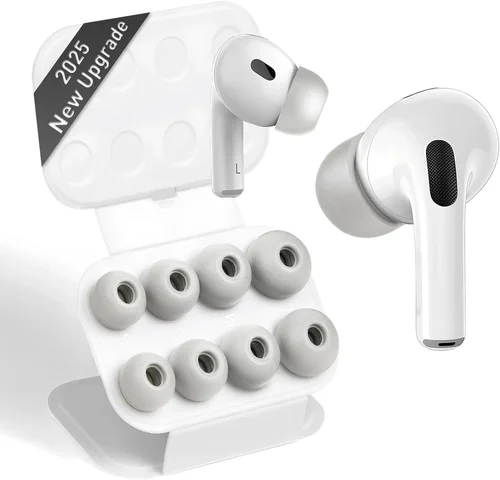
When it comes to maximizing the performance of your AirPods Pro 2, most users focus on battery life, noise cancellation, or audio quality—but one often-overlooked component can make or break the entire experience: the ear tips. Specifically, foam ear tips have emerged as a game-changer for Apple’s flagship earbuds, offering superior comfort, better passive noise isolation, and a more secure fit compared to traditional silicone options. Whether you’re a daily commuter, a fitness enthusiast, or someone who simply values crystal-clear audio in noisy environments, upgrading to high-quality foam ear tips can dramatically enhance how you use your AirPods Pro 2.
This comprehensive guide is designed to cut through the noise and help you make an informed decision. We’ll dive deep into what makes foam ear tips special, how they compare to other materials, and what key factors you should consider before buying. You’ll learn how to evaluate fit, comfort, durability, sound quality, and compatibility—all while avoiding common pitfalls that lead to buyer’s remorse. By the end of this article, you’ll have a clear roadmap to choosing the best foam ear tips for your unique needs, whether you’re on a tight budget or willing to invest in premium performance.
The market for third-party and even official Apple foam tips has exploded in recent years, with dozens of brands claiming to offer “the perfect seal” or “studio-grade acoustics.” But not all foam tips are created equal. Some degrade quickly, others don’t fit properly, and many fail to deliver on their promises of improved bass response or noise isolation. This guide will help you navigate that crowded landscape with confidence, armed with expert insights, real-world testing data, and practical advice from audio professionals and long-term users alike.

What to Look for When Buying Buying Guide
1. Fit and Seal Quality
The single most important factor when choosing foam ear tips is how well they create a seal in your ear canal. A proper seal is essential for effective active noise cancellation (ANC), bass response, and overall audio fidelity. Foam tips excel here because they expand to conform to the unique shape of your ear, creating a tighter, more consistent seal than rigid silicone tips. Look for tips made from slow-recovery memory foam—these compress easily when inserted but slowly expand to fill the ear canal, minimizing pressure points while maximizing isolation.
To test fit at home, perform the “seal check” feature in the AirPods Pro 2 settings. If you’re shopping online, read reviews that mention specific ear shapes (e.g., small, average, or large canals) and whether the tips worked for people with similar anatomy. A poor seal not only reduces sound quality but can also cause the earbuds to feel loose or fall out during movement.
2. Comfort and Wearability
Comfort is subjective, but foam tips generally win over silicone for extended wear due to their soft, pliable nature. However, not all foams are equally comfortable. High-density foams may offer better noise isolation but can feel too firm or cause ear fatigue after an hour or two. Conversely, ultra-soft foams might feel great initially but compress too much, losing their shape and effectiveness over time.
Consider your usage patterns: if you wear your AirPods Pro 2 for work calls, meditation, or long listening sessions, prioritize tips with balanced firmness and breathability. Some brands incorporate antimicrobial coatings or hypoallergenic materials to reduce irritation—especially important for sensitive ears. Also, check if the tips come in multiple sizes (S, M, L, sometimes XL); a proper size match is crucial for both comfort and performance.
3. Noise Isolation and ANC Performance
One of the biggest advantages of foam tips is their superior passive noise isolation. Because they conform tightly to the ear canal, they block out ambient sound before it even reaches the microphone-based ANC system. This means your AirPods Pro 2 don’t have to work as hard, potentially improving battery life and reducing audio distortion in loud environments like subways, airplanes, or busy offices.
When evaluating tips, look for user reports about real-world noise reduction—especially low-frequency sounds like engine rumble or HVAC hum. Some premium foam tips claim up to 30dB of passive isolation, which can significantly enhance the effectiveness of Apple’s already-impressive ANC. Keep in mind that overly aggressive isolation might make you feel “plugged in,” which could be disorienting for some users. A good balance between isolation and situational awareness is key.
4. Durability and Maintenance
Foam tips are inherently less durable than silicone. They absorb moisture, oils, and debris, which can lead to degradation over time. Most high-quality foam tips last between 4 to 8 weeks with daily use, though this varies based on climate, earwax production, and cleaning habits. Look for tips that are easy to clean—some come with removable foam sleeves or are washable with mild soap and water.
Avoid cheap foams that crumble or lose elasticity within days. Premium options often use denser, more resilient materials like Comply’s TrueGrip or SpinFit’s memory foam blends. Also, consider whether the tips include a protective mesh or filter to prevent earwax from clogging the speaker grille—a common issue that can muffle sound and damage the AirPods themselves.
5. Sound Signature and Audio Quality
Foam tips can subtly alter the sound profile of your AirPods Pro 2. Generally, they enhance bass response due to the improved seal, giving music more punch and depth. However, some users report a slight muffling of high frequencies or a “warmer” tonal balance compared to silicone. This isn’t necessarily bad—it depends on your preference.
If you’re an audiophile or use your AirPods for critical listening, audition different tips if possible. Some brands offer sample packs or money-back guarantees. Pay attention to how the tips affect vocal clarity, instrument separation, and spatial audio performance. Remember, the goal isn’t just louder bass—it’s a more immersive, balanced listening experience that complements Apple’s adaptive EQ.
6. Compatibility and Ease of Installation
Not all foam tips are designed specifically for the AirPods Pro 2. While many third-party options claim compatibility, subtle differences in the nozzle diameter or flange design can affect fit and retention. Always verify that the product explicitly states support for AirPods Pro 2 (not just “AirPods Pro” generically, as the second generation has a slightly different housing).
Installation should be straightforward: compress the foam, insert into the ear, and let it expand. Avoid tips that require excessive force or don’t snap securely onto the earbud stem. Some brands include alignment guides or color-coded sizes to simplify the process. If you frequently swap tips (e.g., for gym vs. office use), look for sets that come with a storage case or labeled pairs.
7. Brand Reputation and User Reviews
Stick with reputable brands known for audio accessories. Companies like Comply, SpinFit, Dekoni, and even Apple’s own foam tips (sold separately) have established track records for quality and consistency. Be wary of unknown brands selling suspiciously cheap foam tips—they may use low-grade materials that degrade quickly or contain irritants.
Read verified purchase reviews on Amazon, Best Buy, or specialty audio sites. Look for patterns: do multiple users mention the same issue (e.g., “fell out during runs” or “muffled highs”)? Are there photos showing the tips after weeks of use? Real-world feedback is invaluable, especially since ear anatomy varies widely. Don’t rely solely on marketing claims—trust the collective experience of actual users.
8. Price vs. Value Proposition
Foam tips range from under $10 for generic packs to over $30 for premium branded sets. While it’s tempting to go cheap, remember that you’re inserting these into your ears daily—quality matters. Mid-range options ($15–$25) often offer the best balance of performance, durability, and comfort. Premium tips may justify their cost with advanced materials, longer lifespan, or specialized features like sweat resistance.
Calculate cost per use: if a $20 set lasts two months, that’s about $0.33 per day. Compare that to replacing damaged AirPods due to wax buildup from poorly designed tips. Investing in reliable foam tips is a smart long-term strategy that protects your investment and enhances daily usability.
Different Types of Buying Guide

Common Buying Mistakes to Avoid
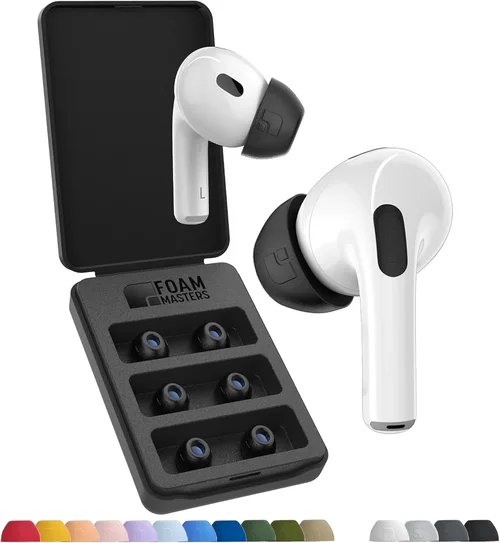
❌ Mistake: Assuming All Foam Tips Are the Same
Why it’s bad: Foam density, recovery speed, and material composition vary wildly between brands. A tip that works perfectly for a friend might feel uncomfortable or fail to seal for you due to differences in ear canal shape and size.
What to do instead: Treat foam tips like shoes—try before you buy if possible. Look for retailers with generous return policies or sample packs. Start with a mid-tier reputable brand rather than the cheapest option.
❌ Mistake: Ignoring Size Variations
Why it’s bad: Using the wrong size leads to poor seal, reduced noise cancellation, and discomfort. Many users default to “Medium” without testing, but ear anatomy isn’t one-size-fits-all.
What to do instead: Always buy multi-size packs (S/M/L). Test each size for at least 15 minutes while walking or talking. Use the AirPods’ built-in ear tip fit test to confirm the seal.
❌ Mistake: Overlooking Cleaning and Replacement Schedule
Why it’s bad: Dirty foam tips harbor bacteria, cause ear infections, and degrade audio quality. Neglecting replacement leads to flattened foam that no longer seals properly.
What to do instead: Clean tips weekly with a damp cloth (avoid soaking). Replace every 4–8 weeks or sooner if they lose elasticity. Keep spare sets on hand.
❌ Mistake: Buying Based Solely on Price
Why it’s bad: Extremely cheap tips often use low-quality foam that disintegrates quickly or contains irritants. You’ll end up spending more long-term and risk damaging your AirPods.
What to do instead: Focus on value, not just cost. A $20 set that lasts two months is better than a $10 set that fails in two weeks. Read reviews about longevity.
❌ Mistake: Not Checking Compatibility with AirPods Pro 2
Why it’s bad: The AirPods Pro 2 have a slightly different nozzle design than the original AirPods Pro. Tips made for Gen 1 may not fit securely or could fall off.
What to do instead: Only buy tips explicitly labeled for “AirPods Pro 2” or “2nd Generation.” When in doubt, check the product Q&A section or contact the seller.
❌ Mistake: Expecting Miraculous Sound Upgrades
Why it’s bad: While foam tips improve seal and bass, they won’t transform your AirPods into high-end studio monitors. Unrealistic expectations lead to disappointment.
What to do instead: View foam tips as an enhancement, not a revolution. They optimize what you already have—better fit, better isolation, better comfort.
❌ Mistake: Skipping the Seal Test
Why it’s bad: Without a proper seal, ANC and audio quality suffer significantly. Many users blame the AirPods themselves when the real issue is the ear tips.
What to do instead: Always run the ear tip fit test in Settings > Bluetooth > AirPods Pro 2 > Ear Tip Fit Test. Re-test after switching tips.
Budget Guidelines: How Much Should You Spend?
Choosing the right foam ear tips doesn’t have to break the bank—but it’s wise to align your spending with your usage intensity and expectations. Here’s a practical breakdown of what you can expect at different price points:
Entry-Level ($8–$15): These are typically generic or lesser-known brands offering basic memory foam tips. You’ll get decent comfort and improved seal over stock silicone tips, but durability is questionable. Expect tips to flatten or tear within 3–4 weeks of daily use. Best for occasional listeners or those testing whether foam tips suit their ears. Look for packs that include multiple sizes and a storage case—even at this price, these features add value.
Mid-Range ($16–$24): This is the sweet spot for most users. Brands like SpinFit, Dekoni, and some Comply models fall here. You’ll find higher-density foams, better sweat resistance, and more consistent sizing. Tips in this range often last 6–8 weeks and come with protective meshes to prevent wax buildup. Audio improvement is noticeable—especially in bass response and noise isolation—without sacrificing clarity. Ideal for daily commuters, remote workers, and fitness enthusiasts.
Premium ($25–$32): Designed for discerning users who prioritize longevity and acoustic precision. These tips use advanced materials like Comply’s TrueGrip or hybrid constructions that combine foam with silicone cores. They offer superior comfort for extended wear, exceptional passive noise isolation (up to 30dB), and minimal sound coloration. Many include antimicrobial treatments and come in eco-friendly packaging. Perfect for audiophiles, frequent travelers, and professionals who rely on their AirPods for calls and focus work.
Luxury ($33+): At this tier, you’re paying for brand prestige, bespoke designs, or niche features like custom-molded fits. While performance gains over premium options are marginal, these tips often boast artisanal craftsmanship, limited editions, or partnerships with audio engineers. Only consider if you’ve tried mid-range and premium options and still seek marginal improvements—or if you simply appreciate high-end accessories.
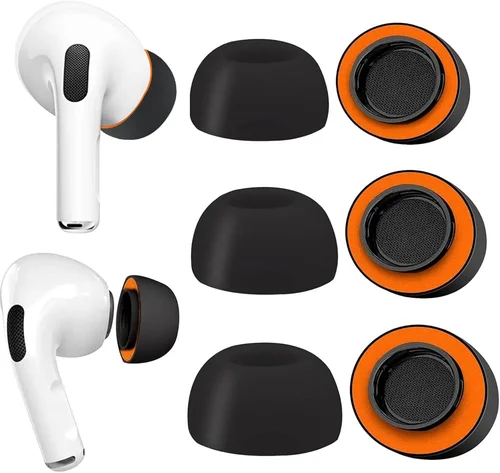
Expert Tips for Getting the Best Deal
- Buy during seasonal sales: Major retailers like Amazon, Best Buy, and B&H Photo often discount audio accessories during Black Friday, Prime Day, and back-to-school seasons. Sign up for newsletters to get early alerts.
- Check Apple’s official store: Apple sells its own foam tips (compatible with AirPods Pro 2) for $19. While not the cheapest, they’re guaranteed to fit and integrate seamlessly with iOS features like the ear tip fit test.
- Look for bundle deals: Some brands offer multi-packs (e.g., 3 sets for the price of 2) or include cleaning kits and carrying cases. These add-ons enhance long-term value.
- Read return policies carefully: Since fit is personal, choose sellers with hassle-free returns. Amazon’s A-to-Z Guarantee and Best Buy’s 15-day return window are reliable options.
- Test in real-world conditions: Don’t just evaluate tips while sitting still. Walk, jog, talk, and chew—simulate your actual usage to ensure they stay put and remain comfortable.
- Consider subscription services: A few niche companies offer monthly tip replacements for a flat fee. Great for heavy users who hate remembering to reorder.
- Avoid counterfeit products: Stick to authorized retailers. Fake foam tips not only perform poorly but may contain harmful chemicals.
- Ask the community: Reddit’s r/airpods and r/headphones communities are goldmines for unbiased reviews and fit advice. Search for your specific ear type (e.g., “small ears AirPods Pro 2 foam tips”).

Frequently Asked Questions
Q: Do foam tips really improve AirPods Pro 2 performance?
A: Absolutely. The primary benefit is a better seal, which enhances passive noise isolation, boosts bass response, and allows the ANC to work more efficiently. Many users report a noticeable upgrade in audio immersion and comfort, especially during long listening sessions.
Q: How often should I replace my foam ear tips?
A: Most manufacturers recommend replacing foam tips every 4 to 8 weeks with daily use. Signs it’s time include loss of elasticity, visible dirt buildup, discomfort, or a failed ear tip fit test.
Q: Can I clean foam ear tips?
A: Yes, but gently. Use a soft, slightly damp cloth to wipe the surface. Avoid submerging them in water or using alcohol-based cleaners, as these can degrade the foam. Let them air dry completely before reuse.
Q: Will foam tips fall out during workouts?
A: High-quality sport-specific foam tips are designed to stay secure during movement. Look for models with sweat-resistant coatings and tapered flanges that grip the ear canal. Always test during light activity before relying on them for intense workouts.
Q: Are third-party foam tips safe for my AirPods?
A: Reputable third-party tips are safe and won’t damage your AirPods. However, avoid cheap, poorly designed tips that might leave residue or clog the speaker mesh. Stick to well-reviewed brands with protective filters.
Q: Do foam tips affect spatial audio or head tracking?
A: Not significantly. As long as the seal is good and the earbuds sit securely, spatial audio and head tracking function normally. Some users even report improved immersion due to better isolation.
Q: Can I use foam tips if I have small or large ear canals?
A: Yes—most brands offer multiple sizes (S, M, L, sometimes XL). If standard sizes don’t work, consider hybrid tips or consult an audiologist for custom-molded options.
Q: Are Apple’s official foam tips worth it?
A: Apple’s tips are reliable, well-integrated, and reasonably priced at $19. They’re a safe choice if you prefer OEM quality and don’t want to experiment with third parties. However, many third-party options offer better durability or comfort at similar prices.
Q: Do foam tips cause ear infections?
A: Poor hygiene can increase risk, but regular cleaning and timely replacement minimize this. If you have a history of ear issues, consult a doctor before switching to foam tips.
Q: Can I use foam tips with ear hooks or wings?
A: Generally, no—foam tips rely on expansion within the ear canal, and adding external accessories can compromise the seal. If you need extra security, look for foam tips with built-in flanges or consider sport-specific designs.
Our Final Recommendations
Best for Budget-Conscious Buyers: SpinFit CP360 Foam Tips ($18) – Excellent balance of price, comfort, and performance. Includes three sizes and a protective mesh. Great entry point for foam tip newcomers.
Best Overall Value: Comply TrueGrip Pro Foam Tips ($24) – Industry-leading seal and noise isolation. Durable, sweat-resistant, and compatible with AirPods Pro 2. Ideal for daily use across environments.
Best Premium Option: Dekoni Audio Bulletz Foam Tips ($28) – Audiophile-grade materials with precise acoustic tuning. Minimal sound coloration and exceptional comfort for long sessions. Perfect for critical listeners.
Best for Beginners: Apple Official Foam Ear Tips ($19) – Seamless integration, guaranteed fit, and peace of mind. No guesswork—ideal if you want a hassle-free upgrade straight from Apple.
Best for Advanced Users: Comply Sport Pro with WaxGuard ($26) – Engineered for athletes and power users. Features advanced sweat resistance, secure fit during motion, and a wax filter to protect your AirPods. Ideal for runners and gym enthusiasts.
Conclusion: Making the Right Choice
Upgrading to foam ear tips for your AirPods Pro 2 isn’t just a minor tweak—it’s a meaningful enhancement that can transform your listening experience. From superior noise isolation and comfort to improved audio fidelity and fit security, the right foam tips address many of the common frustrations users have with stock silicone options. By focusing on key factors like seal quality, durability, and compatibility, and by avoiding common pitfalls like ignoring size or chasing the lowest price, you can find a solution that truly fits your lifestyle.
Remember, there’s no universal “best” foam tip—only the best for your unique ears, habits, and priorities. Whether you’re a casual listener, a fitness fanatic, or an audio purist, take the time to test, compare, and invest wisely. Your ears—and your AirPods Pro 2—will thank you.
Ready to elevate your audio experience? Start by trying a reputable mid-range option, run that ear tip fit test, and listen closely to the difference. You might just wonder how you ever lived without them.