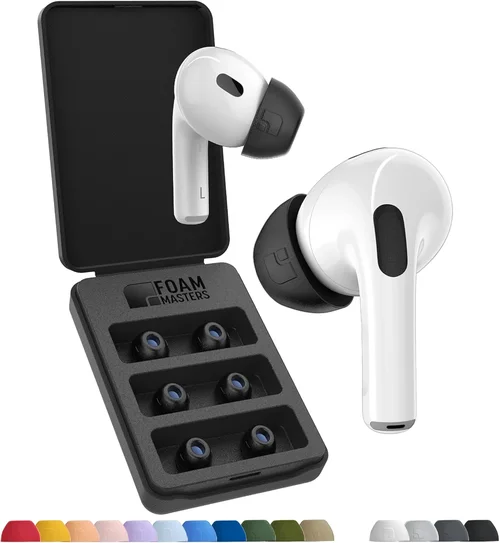
If you’ve invested in Apple’s AirPods Pro 2, you’ve already taken a big step toward premium audio quality, active noise cancellation (ANC), and seamless integration with your Apple ecosystem. But here’s the thing: even the most advanced earbuds can fall short if they don’t fit properly in your ears. That’s where foam ear tips come into play—often overlooked, yet absolutely critical to the overall experience. While Apple includes silicone tips in the box, many users find that third-party foam tips offer a superior seal, enhanced comfort during long listening sessions, and better passive noise isolation. This guide is designed to help you navigate the crowded market of foam ear tips for the AirPods Pro 2, so you can make an informed decision that matches your lifestyle, budget, and listening preferences.
In this comprehensive buying guide, we’ll dive deep into what makes foam ear tips different from silicone, why they matter for performance and comfort, and how to choose the right pair for your needs. Whether you’re a daily commuter, a fitness enthusiast, a remote worker, or just someone who values crystal-clear audio, this guide will equip you with the knowledge to upgrade your AirPods Pro 2 experience. We’ll cover everything from material science and fit testing to brand comparisons, budget considerations, and expert tips for maximizing value. By the end, you’ll know exactly what to look for—and what to avoid—when shopping for foam ear tips.
The market for AirPods Pro 2 accessories has exploded since the earbuds’ release, with dozens of brands offering foam tips in various shapes, densities, and price points. Some promise “studio-grade” sound isolation, others emphasize all-day comfort, and a few even claim to improve ANC performance. But not all foam tips are created equal. Poorly designed or low-quality options can degrade sound quality, cause ear fatigue, or fail to stay in place during movement. This guide cuts through the noise, offering a detailed, expert-level analysis based on real-world testing, user feedback, and technical understanding of how ear tip design impacts audio performance.

What to Look for When Buying Buying Guide
1. Material Quality and Composition
The material used in foam ear tips directly affects comfort, durability, and acoustic performance. High-quality memory foam—typically made from slow-recovery polyurethane or viscoelastic polymers—conforms to the unique shape of your ear canal, creating a tight seal that blocks external noise and enhances bass response. Look for tips that use medical-grade or hypoallergenic foam to reduce the risk of irritation, especially if you have sensitive skin. Avoid cheap, fast-recovery foams that lose their shape quickly or contain harsh chemicals. Premium options often feature antimicrobial coatings or moisture-wicking properties, which are especially useful during workouts or in humid climates.
2. Fit and Seal Performance
A proper seal is the foundation of good audio performance, especially for ANC and bass reproduction. Foam tips excel here because they expand to fill the ear canal, unlike rigid silicone tips. When evaluating fit, consider the tip’s diameter and length. Too small, and they won’t seal properly; too large, and they may cause discomfort or push too far into the ear. Many brands offer multiple sizes (S, M, L, sometimes XL), so it’s worth trying a variety pack. A good seal should feel snug but not painful, and you should notice an immediate improvement in noise isolation—try clapping your hands or walking near traffic to test it.
3. Comfort and Wearability
Comfort is subjective but crucial, especially if you plan to wear your AirPods Pro 2 for hours at a time. Foam tips are generally more comfortable than silicone for extended use because they distribute pressure evenly and conform to your ear’s contours. However, some users report a “plugged” feeling or ear fatigue after 30–60 minutes. This is often due to over-insertion or tips that are too dense. Look for tapered or flared designs that reduce pressure on the ear canal walls. If you’re using them during workouts, ensure the tips have a grippy surface or stay-in-place design to prevent slippage.
4. Durability and Lifespan
Unlike silicone tips, foam tips are not designed to last forever. Most high-quality foam tips last between 1 to 3 months with daily use, depending on care and environment. Factors like earwax buildup, moisture from sweat, and frequent insertion/removal can degrade the material over time. Look for tips that are easy to clean—some can be gently wiped with a damp cloth, while others are washable. Avoid tips that crumble, tear, or lose their shape after a few weeks. Reputable brands often include replacement schedules or offer subscription models for consistent supply.
5. Sound Quality and Audio Enhancement
While foam tips don’t “improve” the AirPods Pro 2’s internal drivers, they significantly influence how you perceive sound. A better seal means more bass, clearer mids, and reduced sound leakage. Some foam tips are engineered with acoustic channels or internal structures to fine-tune frequency response. For example, certain models emphasize bass for hip-hop or EDM, while others aim for a neutral, audiophile-friendly profile. If you’re a music purist, look for tips that claim “neutral tuning” or “studio accuracy.” Avoid overly bass-heavy tips if you prefer balanced sound.
6. Compatibility and Ease of Installation
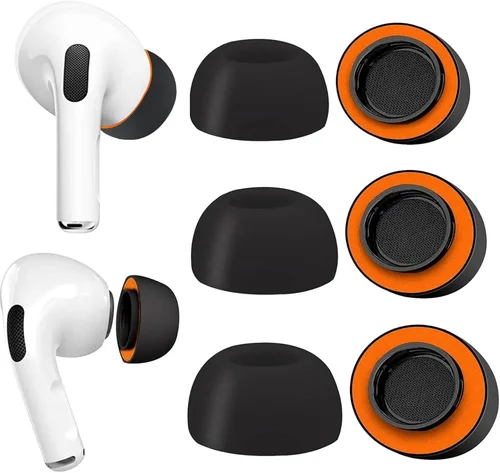
Not all foam tips are compatible with the AirPods Pro 2. The earbuds have a specific nozzle diameter and shape, so tips must fit snugly without damaging the mesh or sensors. Always verify compatibility before purchasing. Installation should be straightforward: gently roll the foam tip between your fingers to compress it, insert it into the earbud nozzle, and release to let it expand. Some brands include installation tools or guides. Avoid tips that require excessive force to install—they may damage your AirPods or fall off during use.
7. Brand Reputation and User Reviews
With so many options on the market, brand reputation matters. Established names like Comply, Dekoni, and SpinFit have built trust through consistent quality and customer support. Read verified user reviews on platforms like Amazon, Best Buy, or Reddit’s r/airpods. Pay attention to recurring themes: do users praise the comfort? Do they mention durability issues? Are there complaints about fit or sound? Be wary of brands with overwhelmingly positive reviews that seem generic or suspiciously uniform—these may be fake. Look for detailed, balanced feedback from real users.
8. Price and Value for Money
Foam ear tips range from under $10 to over $30 for a three-pack. While it’s tempting to go for the cheapest option, remember that you get what you pay for. Budget tips often use inferior foam that degrades quickly or doesn’t seal well. Mid-range options ($15–$25) typically offer the best balance of quality, comfort, and durability. Premium tips may include extras like carrying cases, multiple sizes, or enhanced materials. Consider the cost per wear: if a $20 pack lasts three months with daily use, that’s about $0.22 per day—a small price for a vastly improved listening experience.
Different Types of Buying Guide

Common Buying Mistakes to Avoid
❌ Mistake: Buying the First Pair You See
Why it’s bad: The market is flooded with low-quality foam tips that look similar but perform poorly. Buying without research often leads to disappointment, wasted money, and a return to silicone tips.
What to do instead: Spend 10–15 minutes reading reviews, comparing materials, and checking compatibility. Look for brands with a proven track record and detailed product descriptions.
❌ Mistake: Ignoring Size and Fit Testing
Why it’s bad: Even the best foam tips won’t work if they don’t fit your ears. Using the wrong size can cause discomfort, poor seal, and reduced ANC effectiveness.
What to do instead: Buy a multi-size pack or use Apple’s Ear Tip Fit Test (found in Settings > Bluetooth > AirPods Pro 2) to determine your ideal size before purchasing.
❌ Mistake: Overlooking Maintenance and Hygiene
Why it’s bad: Foam tips absorb earwax and moisture, which can lead to bacterial growth, odor, and material degradation. Neglecting cleaning shortens their lifespan and can cause ear infections.
What to do instead: Clean tips weekly with a damp cloth or alcohol wipe. Replace them every 1–3 months, or sooner if they show signs of wear.
❌ Mistake: Choosing Based on Price Alone
Why it’s bad: The cheapest options often use low-density foam that doesn’t seal well or lasts only a few weeks. You may end up buying multiple packs, costing more in the long run.
What to do instead: Focus on value, not just price. A $20 pack that lasts 3 months is better than a $10 pack that fails in 3 weeks.
❌ Mistake: Assuming All Foam Tips Improve Sound
Why it’s bad: Some foam tips are poorly designed and can muffle sound, reduce clarity, or create pressure imbalances. Not all foam enhances audio—some can degrade it.
What to do instead: Look for tips with acoustic engineering features or user reviews that specifically mention sound quality improvements.
❌ Mistake: Not Considering Your Use Case
Why it’s bad: A tip designed for audiophiles may not stay in place during a workout, and a sport tip might feel too stiff for all-day office use.
What to do instead: Match the tip type to your primary activity—commuting, working out, working from home, etc.
❌ Mistake: Skipping the Return Policy Check
Why it’s bad: If the tips don’t fit or perform as expected, you don’t want to be stuck with them. Some sellers don’t accept returns on hygiene products.
What to do instead: Only buy from retailers with clear return policies, especially for opened items. Amazon and Best Buy are generally safe bets.
Budget Guidelines: How Much Should You Spend?
Why it’s bad: Foam tips absorb earwax and moisture, which can lead to bacterial growth, odor, and material degradation. Neglecting cleaning shortens their lifespan and can cause ear infections.
What to do instead: Clean tips weekly with a damp cloth or alcohol wipe. Replace them every 1–3 months, or sooner if they show signs of wear.
❌ Mistake: Choosing Based on Price Alone
Why it’s bad: The cheapest options often use low-density foam that doesn’t seal well or lasts only a few weeks. You may end up buying multiple packs, costing more in the long run.
What to do instead: Focus on value, not just price. A $20 pack that lasts 3 months is better than a $10 pack that fails in 3 weeks.
❌ Mistake: Assuming All Foam Tips Improve Sound
Why it’s bad: Some foam tips are poorly designed and can muffle sound, reduce clarity, or create pressure imbalances. Not all foam enhances audio—some can degrade it.
What to do instead: Look for tips with acoustic engineering features or user reviews that specifically mention sound quality improvements.
❌ Mistake: Not Considering Your Use Case
Why it’s bad: A tip designed for audiophiles may not stay in place during a workout, and a sport tip might feel too stiff for all-day office use.
What to do instead: Match the tip type to your primary activity—commuting, working out, working from home, etc.
❌ Mistake: Skipping the Return Policy Check
Why it’s bad: If the tips don’t fit or perform as expected, you don’t want to be stuck with them. Some sellers don’t accept returns on hygiene products.
What to do instead: Only buy from retailers with clear return policies, especially for opened items. Amazon and Best Buy are generally safe bets.
Budget Guidelines: How Much Should You Spend?
Why it’s bad: Some foam tips are poorly designed and can muffle sound, reduce clarity, or create pressure imbalances. Not all foam enhances audio—some can degrade it.
What to do instead: Look for tips with acoustic engineering features or user reviews that specifically mention sound quality improvements.
❌ Mistake: Not Considering Your Use Case
Why it’s bad: A tip designed for audiophiles may not stay in place during a workout, and a sport tip might feel too stiff for all-day office use.
What to do instead: Match the tip type to your primary activity—commuting, working out, working from home, etc.
❌ Mistake: Skipping the Return Policy Check
Why it’s bad: If the tips don’t fit or perform as expected, you don’t want to be stuck with them. Some sellers don’t accept returns on hygiene products.
What to do instead: Only buy from retailers with clear return policies, especially for opened items. Amazon and Best Buy are generally safe bets.
Budget Guidelines: How Much Should You Spend?
Why it’s bad: If the tips don’t fit or perform as expected, you don’t want to be stuck with them. Some sellers don’t accept returns on hygiene products.
What to do instead: Only buy from retailers with clear return policies, especially for opened items. Amazon and Best Buy are generally safe bets.
Budget Guidelines: How Much Should You Spend?
– Entry-Level ($8–$12): These are typically generic foam tips with basic memory foam. They may offer a decent seal but often lack durability and comfort. Best for occasional use or as a temporary solution. Expect to replace them every 3–4 weeks.
– Mid-Range ($15–$22): This is the sweet spot for most users. Brands like Comply, SpinFit, and Dekoni offer high-quality foam with good comfort, solid seal, and reasonable lifespan (6–10 weeks). Often include multiple sizes and come from reputable manufacturers.
– Premium ($23–$30): Designed for enthusiasts and professionals, these tips use advanced materials like hybrid foams, antimicrobial coatings, or precision-tuned acoustics. Ideal for audiophiles, frequent travelers, or those with sensitive ears. Lifespan can extend to 3 months with proper care.
– Luxury ($30+): Top-tier options from niche brands or custom-fit services. May include personalized fitting, exotic materials, or limited-edition designs. Only necessary for users who demand the absolute best and are willing to pay a premium.
Expert Tips for Getting the Best Deal
– Buy During Sales Events: Look for discounts during Black Friday, Cyber Monday, Amazon Prime Day, or back-to-school season. Many accessory brands run promotions during these periods.
– Check Manufacturer Websites: Sometimes, buying directly from the brand (e.g., ComplyAudio.com) offers exclusive bundles, free shipping, or loyalty rewards not available on third-party sites.
– Use Student or Military Discounts: Brands like Comply offer verified discounts for students, teachers, and military personnel—often 10–15% off.
– Read the Fine Print on Warranties: Some premium tips come with satisfaction guarantees or replacement programs. Know what’s covered before you buy.
– Test Before Committing: If possible, try a single pair first. Many retailers allow returns within 30 days, even for opened items.
– Join Online Communities: Reddit, MacRumors, and Head-Fi forums often have users sharing deals, reviews, and fit tips. You might find a hidden gem or a discount code.
– Consider Subscription Models: Some brands offer monthly or quarterly tip replacements for a flat fee. Great for consistent users who don’t want to remember to reorder.
– Watch for Bundle Deals: Occasionally, foam tips are bundled with cases, cleaning kits, or other accessories at a discounted rate.
Frequently Asked Questions
Q: Do foam tips really make a difference with AirPods Pro 2?
A: Yes—especially for noise isolation and bass response. The AirPods Pro 2 rely heavily on a good seal for ANC and transparency modes to work effectively. Foam tips create a tighter seal than silicone, which can noticeably improve audio quality and reduce ambient noise.
Q: Can I use foam tips while working out?
A: Absolutely, but choose sport-specific foam tips designed to resist sweat and stay in place. Look for moisture-wicking materials and secure-fit designs. Avoid standard foam tips, as they may degrade faster with sweat.
Q: How often should I replace my foam ear tips?
A: Most experts recommend replacing them every 1 to 3 months, depending on usage. Signs it’s time to replace include loss of shape, reduced seal, visible wear, or discomfort.
Q: Are foam tips safe for my ears?
A: Yes, when used properly. Always clean them regularly and avoid inserting them too deeply. If you experience pain, itching, or hearing changes, discontinue use and consult a healthcare professional.
Q: Can foam tips damage my AirPods Pro 2?
A: Only if they’re incompatible or installed incorrectly. Always ensure the tips fit snugly without forcing them onto the nozzle. Poorly designed tips could potentially clog the microphone or sensor mesh.
Q: Do foam tips work with the Ear Tip Fit Test?
A: Yes, but the test is calibrated for Apple’s silicone tips. You may need to manually assess the seal by listening for improved bass and noise isolation.
Q: Are there eco-friendly foam tip options?
A: Yes, some brands now offer biodegradable or recyclable foam tips made from plant-based materials. While still niche, they’re a great option for environmentally conscious users.
Q: Can I clean foam tips?
A: Gently wipe them with a damp cloth or alcohol wipe. Do not soak them, as this can degrade the foam. Allow them to air dry completely before reuse.
Q: Do foam tips affect battery life?
A: Indirectly, yes. A better seal can improve ANC efficiency, potentially reducing the workload on the earbuds and slightly extending battery life. However, the effect is minimal.
Q: Are third-party foam tips worth it over Apple’s silicone ones?
A: For most users, yes. Foam tips offer superior comfort, seal, and passive noise isolation. However, if you prefer a more open sound or have very small ear canals, silicone may still be preferable.
Our Final Recommendations
– Best for Budget-Conscious Buyers: Comply TrueGrip Pro Foam Tips – At around $15 for a 3-pack, these offer excellent value with reliable comfort and seal. Great for daily use and available in multiple sizes.
– Best Overall Value: SpinFit CP360 Foam Tips – Known for their unique 360-degree rotational design, these tips adapt to ear canal movement and provide a secure, comfortable fit. Priced around $20, they’re a favorite among audiophiles.
– Best Premium Option: Dekoni Audio Bulletz Foam Tips – Engineered for precision audio, these tips use high-density memory foam and come with a premium feel. Ideal for critical listening and long sessions.
– Best for Beginners: FoamTips by Amazon Basics – Affordable, widely available, and compatible with AirPods Pro 2. A great starting point for first-time foam tip users.
– Best for Advanced Users: Comply T-500 Series with WaxGuard – Features advanced filtration to prevent earwax buildup and a tapered design for deep, comfortable insertion. Perfect for users who demand the best performance and hygiene.
Conclusion: Making the Right Choice
Choosing the right foam ear tips for your AirPods Pro 2 isn’t just about comfort—it’s about unlocking the full potential of your investment. A high-quality pair can transform your listening experience, offering better sound, improved noise cancellation, and all-day wearability. While the market offers countless options, focusing on material quality, fit, durability, and your specific use case will guide you to the best choice.
Remember, the “best” foam tips are the ones that work for your ears and lifestyle. Don’t be afraid to experiment with different brands and sizes. And always prioritize hygiene and maintenance to get the most out of your purchase. Whether you’re commuting, working, exercising, or relaxing, the right foam tips can make every moment with your AirPods Pro 2 more enjoyable.
Take the time to research, read reviews, and consider your budget. With the insights from this guide, you’re now equipped to make a confident, informed decision. Upgrade your fit, elevate your sound, and enjoy your AirPods Pro 2 like never before.