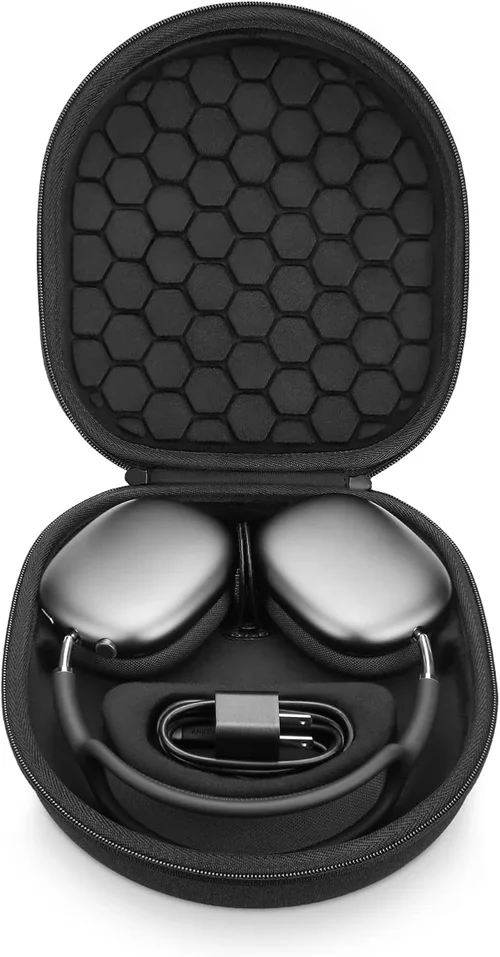
When it comes to protecting your investment in Apple’s premium over-ear headphones, the AirPods Max, choosing the right travel case isn’t just a matter of convenience—it’s essential for longevity, portability, and peace of mind. At nearly $550 (or more, depending on customization), the AirPods Max represent one of the most expensive consumer headphones on the market. Yet, Apple’s included Smart Case—while stylish and minimalist—leaves much to be desired when it comes to real-world travel protection. It doesn’t offer hard-shell defense, lacks secure closure mechanisms, and offers minimal cushioning against drops or crushing forces. For frequent flyers, digital nomads, or even weekend travelers, this gap in protection is a serious concern.
That’s where third-party travel cases come in. The market is flooded with options ranging from sleek, minimalist sleeves to rugged, military-grade hard shells. But not all cases are created equal. Some prioritize aesthetics over function, while others sacrifice portability for over-engineered bulk. This guide cuts through the noise to help you make an informed decision based on your specific travel needs, budget, and usage patterns. Whether you’re commuting daily, backpacking across continents, or simply want to safeguard your headphones during weekend getaways, we’ll walk you through every critical factor—from build quality and portability to price and user experience—so you can choose the best AirPods Max case for travel with confidence.
You’ll learn how to evaluate key features like impact resistance, water resistance, internal organization, and compatibility with airline carry-on standards. We’ll compare different case types, highlight common pitfalls to avoid, and provide expert-backed recommendations tailored to various budgets and lifestyles. By the end of this guide, you’ll have a clear roadmap to finding a case that doesn’t just protect your AirPods Max—but enhances your entire travel experience.

What to Look for When Buying Buying Guide
1. Build Quality & Durability
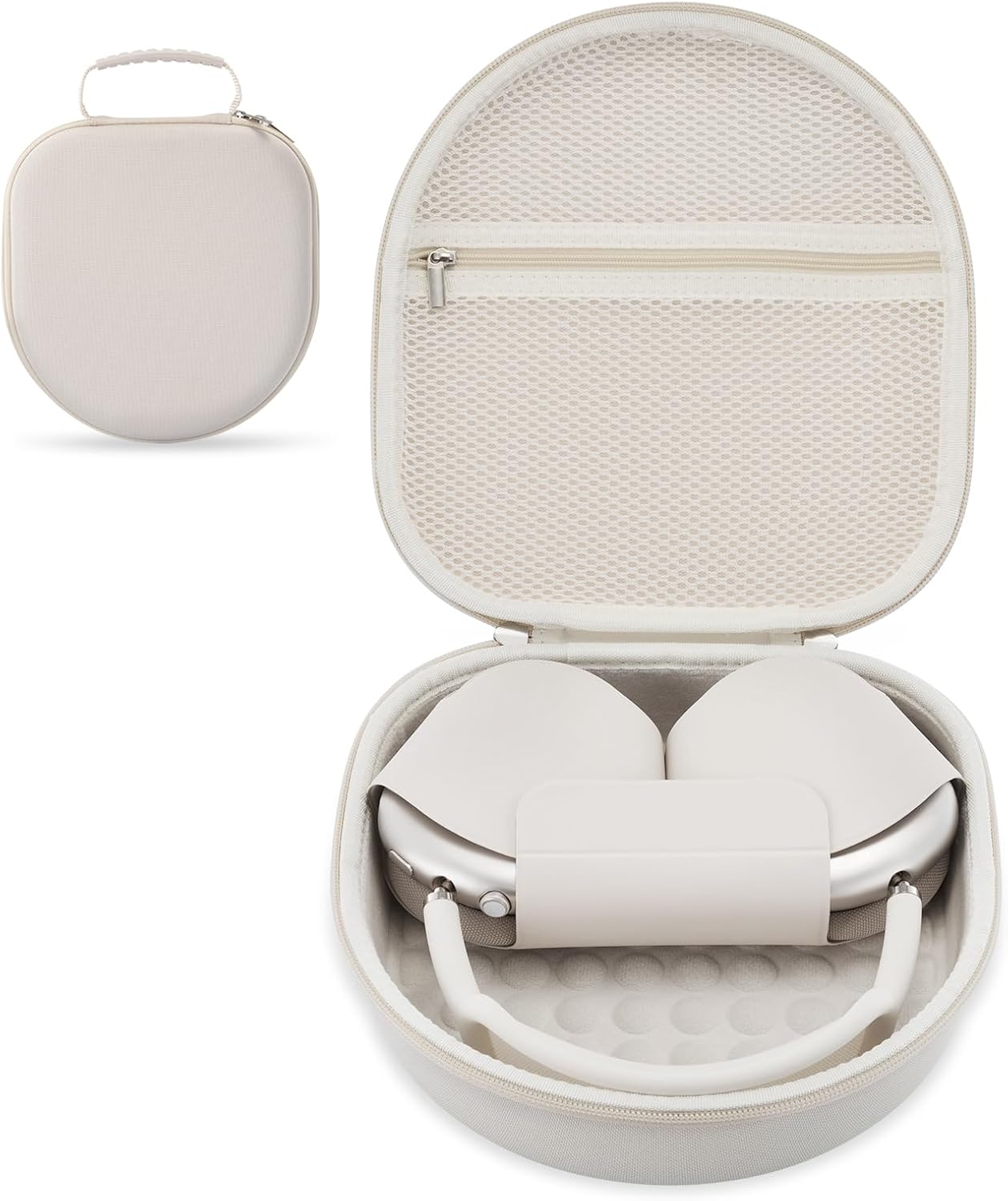
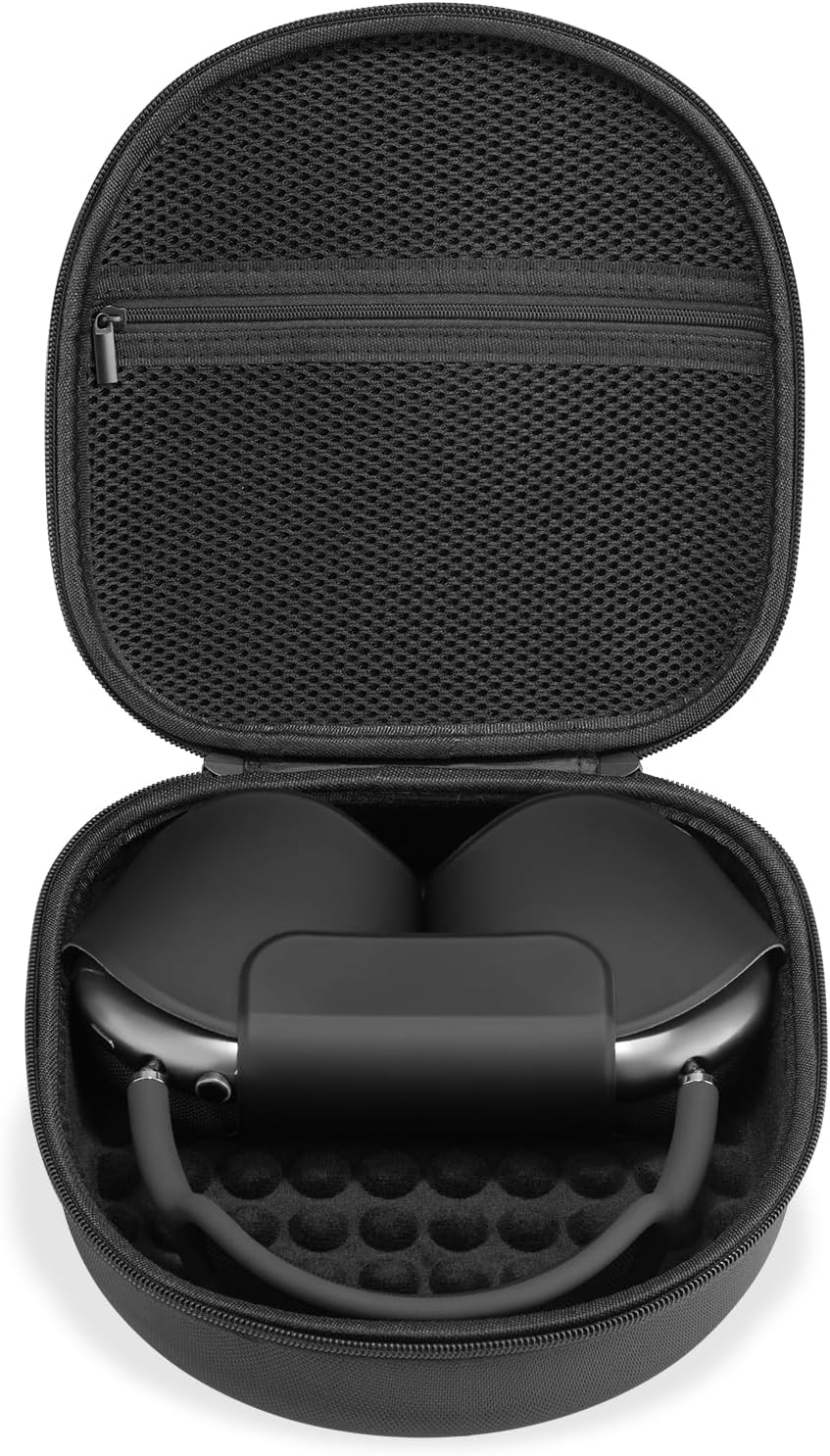
The foundation of any great travel case is its ability to withstand the rigors of transit. AirPods Max are heavy (about 385 grams) and feature delicate components like aluminum frames, mesh ear cups, and sensitive drivers. A flimsy case won’t cut it. Look for cases made from high-density EVA foam, reinforced polycarbonate shells, or ballistic nylon with double-stitched seams. These materials resist crushing, punctures, and abrasion. Pay close attention to corner reinforcements—these are often the first points of failure during drops. Also, check if the interior uses molded foam cutouts that cradle the headphones snugly without putting pressure on the headband or hinges. A well-constructed case should feel solid in hand, not hollow or flexible under moderate pressure.
2. Impact & Drop Protection
Travel means unpredictability—overhead bins, crowded trains, accidental drops. Your case must absorb shock effectively. Cases with multi-layer foam interiors (often combining soft top layers with denser base layers) offer superior cushioning. Some premium models include air-cushion technology or gel inserts that dissipate impact energy. Look for cases that meet or exceed basic drop-test standards (e.g., surviving a 3–4 foot drop onto concrete). Avoid cases that rely solely on thin padding; they may look sleek but won’t protect against real-world mishaps. If you’re a frequent flyer or travel with kids, prioritize cases with MIL-STD-810G certification or similar durability benchmarks.
3. Size & Portability
AirPods Max are already bulky, so your case shouldn’t add unnecessary bulk. Measure your carry-on space and consider how the case fits alongside other essentials like laptops, tablets, or toiletry bags. Ideal dimensions hover around 9″ x 7″ x 3.5″, though some ultra-compact designs squeeze down further. Weight matters too—aim for under 1.5 lbs (680g) unless you need extreme protection. Look for features like slim profiles, tapered edges, or fold-flat designs that maximize space efficiency. Many travelers appreciate cases with external pockets for cables, adapters, or ear tips, but beware: added compartments can increase overall size. Always check airline size restrictions—some international carriers have stricter limits than U.S. airlines.
4. Closure & Security Mechanism
A secure closure prevents accidental openings during transit. Zippers are common, but quality varies widely. Opt for YKK or YKK-compatible zippers with pull tabs that won’t snag or break easily. Magnetic closures are sleek but often insufficient for heavy headphones—they can pop open if jostled. Dual-zip systems or zipper locks (compatible with small padlocks) offer extra security, especially in high-theft environments like hostels or shared vehicles. Some cases use buckle straps or snap buttons, which are quick to open but less reliable long-term. Test the closure by shaking the closed case gently—if the headphones shift inside, the fit isn’t secure enough.
5. Water & Dust Resistance
Spills, rain, and dust are inevitable during travel. While no case is fully submersible unless rated IPX7+, many offer splash resistance via water-repellent coatings or sealed zippers. Look for cases with taped seams and hydrophobic exterior fabrics (like Cordura or ripstop nylon). Interior linings should also resist moisture to prevent mold or odor buildup. If you travel to humid climates or plan outdoor adventures, consider cases with full waterproof ratings. Even basic water resistance can save your headphones from a spilled coffee or sudden downpour at the airport.
6. Internal Organization & Fit
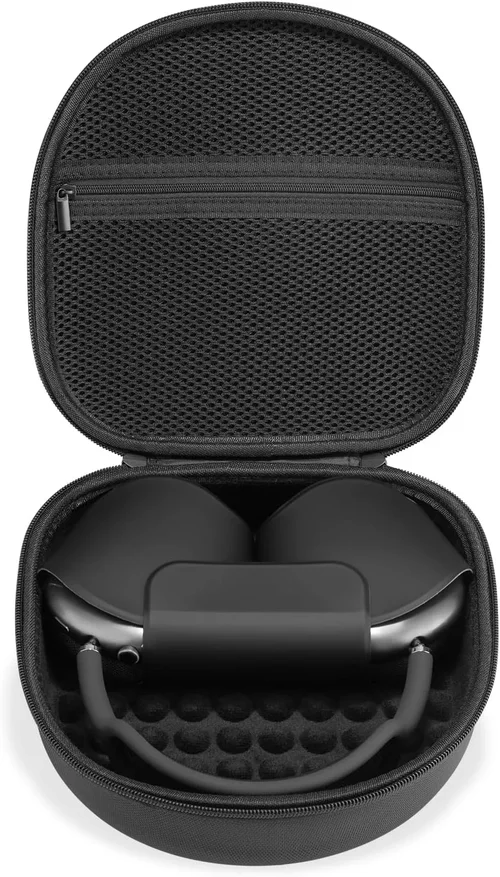
A well-designed interior keeps everything in place. The best cases feature custom-molded foam cavities that match the exact contours of the AirPods Max, including space for the digital crown and hinge mechanisms. This prevents stress on delicate parts during movement. Bonus points for dedicated slots for the USB-C cable, Lightning adapter, or cleaning cloth. Avoid generic “one-size-fits-all” inserts—they leave gaps that allow shifting, increasing wear over time. Some cases include removable dividers or modular trays, which are great if you carry multiple accessories. Always verify compatibility: some cases claim to fit AirPods Max but are sized for cheaper over-ear models.
7. Brand Reputation & User Reviews
Don’t rely solely on marketing claims. Research brands known for audio accessory durability—such as Catalyst, Pelican, or Thule. Read verified purchase reviews on Amazon, Best Buy, or specialty audio retailers. Look for recurring themes: “survived a drop in Rome,” “fits perfectly in my carry-on,” or “zipper broke after two months.” Be wary of overly positive reviews that lack detail—they may be incentivized. Cross-reference ratings across platforms. A brand with consistent 4.5+ stars and detailed user feedback is more trustworthy than one with flashy ads but sparse real-world data.
8. Warranty & Customer Support
A good warranty reflects confidence in product quality. Premium cases often come with 1–3 year warranties covering defects, zipper failure, or material degradation. Check if the warranty includes accidental damage (rare but valuable). Responsive customer service is equally important—can you easily reach someone via email or chat? Do they offer replacement parts (like zipper pulls)? Avoid brands with no-contact policies or slow response times. A solid support system ensures long-term satisfaction, especially if you travel frequently and can’t afford downtime.
Different Types of Buying Guide
Common Buying Mistakes to Avoid
❌ Mistake: Choosing Style Over Substance
Why it’s bad: A beautiful leather case may look elegant in your office, but if it lacks structural support, your AirPods Max could be damaged during a simple train ride. Many stylish cases use thin leather over weak frames, offering little real protection.
What to do instead: Prioritize function first. Look for cases that combine aesthetics with proven durability—like leather-wrapped EVA shells or fabric-covered hard cases. Always check internal padding thickness and closure strength before buying based on looks alone.
❌ Mistake: Ignoring Exact Fit Specifications
Why it’s bad: AirPods Max have unique dimensions (8.3″ x 6.7″ x 3.2″ when folded). A case designed for Sony WH-1000XM5 or Bose QuietComfort will leave gaps, causing movement and potential damage.
What to do instead: Verify the manufacturer lists “AirPods Max” specifically—not just “over-ear headphones.” Check interior cavity measurements and look for user photos showing the exact fit. When in doubt, contact customer service with your model details.
❌ Mistake: Overlooking Zipper Quality
Why it’s bad: Cheap zippers jam, break, or corrode quickly—especially in humid or sandy environments. A broken zipper renders the case useless mid-trip.
What to do instead: Inspect zipper brand (YKK is gold standard), tooth alignment, and pull-tab sturdiness. Test the zipper’s smoothness before purchase. Consider cases with dual zippers or reinforced zipper guards for added reliability.
❌ Mistake: Assuming All “Travel” Cases Are Equal
Why it’s bad: Some cases labeled “travel-ready” are merely cosmetic upgrades of desk storage sleeves. They lack crush resistance, water protection, or secure closures.
What to do instead: Read beyond the marketing copy. Look for specific features like “airline carry-on compatible,” “drop-tested,” or “water-resistant coating.” Real travel cases are built for movement, not just display.
❌ Mistake: Skipping User Reviews
Why it’s bad: Product descriptions often exaggerate capabilities. Without real-user feedback, you might end up with a case that looks great online but fails in practice.
What to do instead: Spend 10 minutes reading recent, verified reviews. Focus on comments about long-term use, airline travel, and durability. Photos from users are especially valuable for assessing true fit and build.
❌ Mistake: Buying the Cheapest Option
Why it’s bad: Saving $15 now could cost you $550 later if your headphones get damaged. Ultra-budget cases often use recycled foam, weak shells, and poor stitching.
What to do instead: Treat the case as an extension of your headphone investment. Allocate 5–10% of the AirPods Max price ($25–$55) for a quality case. It’s a small price for long-term protection.
❌ Mistake: Forgetting About Cable Storage
Why it’s bad: Tossing your USB-C cable loose in your bag leads to tangles, lost adapters, and frustration. Some cases lack any storage, forcing you to carry extras separately.
What to do instead: Choose a case with integrated mesh pockets, elastic loops, or dedicated cable channels. Even a simple sleeve pocket prevents clutter and keeps everything together.
Budget Guidelines: How Much Should You Spend?
Entry-Level ($20–$35): These are typically soft neoprene sleeves or basic EVA shells with minimal padding. They offer light scratch protection and are ideal for short trips or home storage. However, they lack drop resistance and often have flimsy zippers. Best for occasional travelers who prioritize cost over comprehensive protection.
Mid-Range ($36–$65): This is the sweet spot for most users. Cases here feature high-density EVA foam, reinforced corners, YKK zippers, and custom-molded interiors. Brands like Tomtoc, CASEKEY, and Spigen dominate this tier with reliable, well-reviewed options. You’ll get solid drop protection, decent water resistance, and good portability—perfect for weekly commuters and frequent flyers.
Premium ($66–$100): Designed for demanding travelers, these cases include advanced features like dual-density foam, magnetic closures with locks, external accessory pockets, and premium materials (e.g., ballistic nylon, vegan leather). Expect superior build quality, airline-compliant sizing, and often a 2-year warranty. Ideal for professionals, photographers, or anyone who values both protection and convenience.
Luxury ($100+): At this level, you’re paying for craftsmanship, brand prestige, and extreme durability. Think Pelican-style waterproof cases, hand-stitched leather wraps, or limited-edition collaborations. These offer IP67 ratings, crush-proof shells, and lifetime warranties. Only necessary for extreme environments (e.g., safari tours, ocean expeditions) or collectors who want the absolute best.
Expert Tips for Getting the Best Deal
1. Buy During Major Sales Events: Black Friday, Cyber Monday, Amazon Prime Day, and back-to-school seasons often feature 20–30% discounts on premium cases. Sign up for brand newsletters to get early access.
2. Check Authorized Retailers: Purchase from Apple Stores, Best Buy, B&H Photo, or directly from reputable brands. Avoid unknown third-party sellers on marketplaces—they may sell counterfeit or refurbished items as new.
3. Bundle with Other Accessories: Some brands offer discounts when you buy a case with a cable, stand, or cleaning kit. This can save 10–15% overall while adding useful extras.
4. Read the Fine Print on Warranties: Ensure the warranty covers both manufacturing defects and accidental damage. Some only cover the former, leaving you unprotected if you drop the case.
5. Test Fit Before Finalizing: If buying in-store, bring your AirPods Max to ensure a snug fit. Online, check return policies—many brands offer 30-day trials with free returns.
6. Consider Refurbished or Open-Box: Certified refurbished cases from Apple or retailers like Back Market often cost 25% less and come with full warranties. Just verify they’re cleaned and inspected.
7. Join Loyalty Programs: Stores like Best Buy Totaltech or Amazon Prime offer exclusive deals, extended returns, and free shipping—valuable for frequent buyers.
8. Watch for Color or Model Variations: Less popular colors (e.g., green or pink cases) may be discounted to clear inventory. If you’re flexible on aesthetics, you can snag a high-end case at mid-range pricing.
Frequently Asked Questions
Q: Will a travel case fit in my carry-on luggage?
A: Most quality AirPods Max travel cases are designed to meet standard carry-on dimensions. However, always measure your specific case against your airline’s size limits. Cases under 10″ x 8″ x 4″ typically fit easily in overhead bins or under seats.
Q: Can I use the Apple Smart Case for travel?
A: The Smart Case is not recommended for serious travel. It offers minimal protection, no secure closure, and can’t prevent crushing. It’s best used for short commutes or home storage—not flights, trains, or backpacking.
Q: Are waterproof cases worth the extra cost?
A: Only if you travel to wet climates, beaches, or plan outdoor activities. For city travel or air-conditioned environments, splash-resistant cases suffice. Waterproof cases add weight and cost but provide critical protection in extreme conditions.
Q: Do I need a case with cable storage?
A: Highly recommended. Keeping your USB-C cable organized prevents loss and damage. Cases with dedicated pockets reduce clutter and make setup faster upon arrival.
Q: How do I clean my travel case?
A: Wipe the exterior with a damp cloth and mild soap. Avoid submerging the case. For fabric interiors, use a soft brush or compressed air to remove dust. Never use harsh chemicals—they can degrade materials over time.
Q: Will a hard case damage my AirPods Max hinges?
A: No—if properly designed. Quality cases use recessed cavities that don’t press on hinges or the headband. Avoid cases with tight fits or rigid interiors that force the headphones into unnatural positions.
Q: Can I check my case with my AirPods Max in it?
A: Yes, but it’s safer to carry it onboard. Checked bags undergo rough handling, and even hard cases can’t guarantee protection from extreme impacts. Always keep valuables in your carry-on.
Q: Are there eco-friendly options?
A: Yes. Some brands use recycled plastics, biodegradable foams, or sustainable fabrics. Look for certifications like OEKO-TEX or B Corp status. While often pricier, they’re better for the planet.
Q: What’s the lifespan of a good travel case?
A: With proper care, a quality case lasts 3–5 years. Signs of wear include frayed zippers, compressed foam, or cracked shells. Replace if protection is compromised.
Q: Do cases interfere with noise cancellation?
A: No. The case only stores the headphones—it doesn’t affect functionality. Once removed, your AirPods Max perform exactly as before.
Our Final Recommendations
Best for Budget-Conscious Buyers: Tomtoc Slim Hard Shell Case ($39.99) – Offers excellent value with EVA construction, YKK zipper, and precise fit. Lightweight and airline-friendly, it’s perfect for occasional travelers who want reliable protection without overspending.
Best Overall Value: CASEKEY AirPods Max Travel Case ($54.99) – Combines dual-density foam, water-resistant fabric, and a sleek profile. Includes cable storage and a 2-year warranty. Consistently praised for balancing price, protection, and portability.
Best Premium Option: Catalyst Waterproof Case for AirPods Max ($99.95) – IP67-rated, crush-proof, and submersible up to 3 feet. Features a transparent lid for visibility and a carabiner clip. Ideal for adventurers and professionals needing maximum security.
Best for Beginners: Spigen Rugged Armor Pro ($49.99) – User-friendly design with intuitive closure, ample padding, and a minimalist aesthetic. Great first case for new AirPods Max owners learning to travel smart.
Best for Advanced Users: Pelican Voyager Case (Custom Foam Insert) ($149.99) – Military-grade durability with customizable foam. Overkill for most, but unmatched for extreme environments like fieldwork, expeditions, or high-risk transit.
Conclusion: Making the Right Choice
Choosing the right AirPods Max travel case isn’t just about picking the shiniest option—it’s about aligning protection, portability, and price with your unique travel lifestyle. Whether you’re hopping on a red-eye to Tokyo or biking through Lisbon, your case should be a silent guardian that lets you focus on the journey, not worry about your gear. Remember: the best case is the one that fits your headphones perfectly, survives your adventures, and doesn’t weigh you down.
Prioritize build quality and fit above all else. Read real reviews, test closures, and don’t skimp on features that matter—like secure zippers and cushioning. And while Apple’s Smart Case is elegant, it’s no match for the demands of real-world travel. Investing in a dedicated third-party case is one of the smartest decisions you can make to protect your $550 headphones.
So take the time to evaluate your needs. Are you a minimalist weekend traveler? A globetrotting content creator? A parent juggling kids and carry-ons? Your answer will guide you to the perfect case. With the insights from this guide, you’re now equipped to make a confident, informed choice—one that ensures your AirPods Max stay safe, sound, and ready for every adventure ahead. Safe travels!