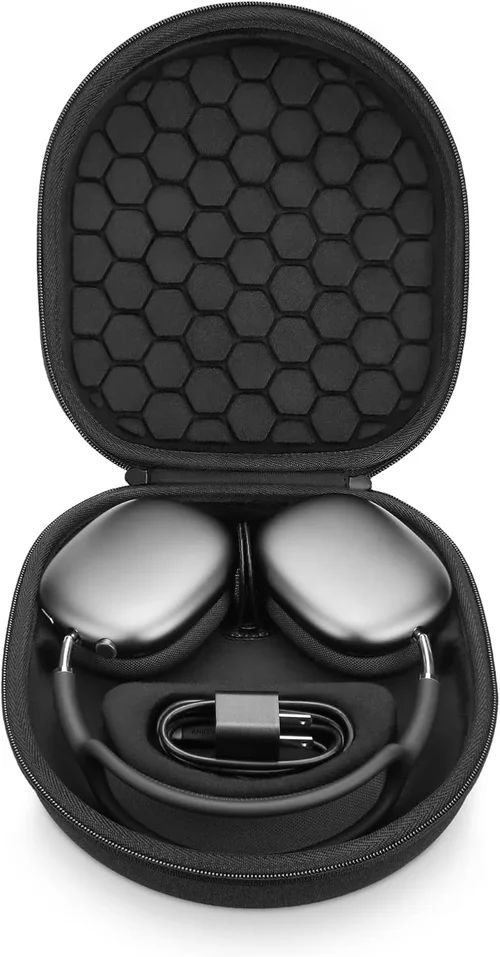
Traveling with your AirPods Max is a game-changer—crisp sound, immersive noise cancellation, and seamless integration with your Apple ecosystem make them ideal companions for flights, train rides, or long commutes. But let’s be honest: the AirPods Max weren’t exactly designed with portability in mind. At over 380 grams and with their large, sculpted frame, they’re bulky enough to turn even the most organized carry-on into a juggling act. That’s where a high-quality travel case comes in. Without proper protection, your $549 investment is vulnerable to scratches, dents, and worst of all—broken hinges or cracked ear cups from accidental drops or pressure in crowded bags.
This guide exists because too many travelers treat their AirPods Max like just another gadget, tossing them into backpacks or laptop sleeves without a second thought. The result? Costly repairs, reduced resale value, and the frustration of damaged gear mid-journey. Whether you’re a frequent flyer, digital nomad, or weekend explorer, choosing the right case isn’t just about convenience—it’s about preserving performance, longevity, and peace of mind. In this comprehensive buying guide, we’ll walk you through everything you need to know to select the best AirPods Max case for travel, from must-have features and material considerations to budget tiers and expert tips that go beyond the marketing fluff.
The market today offers a surprising range of options—from minimalist silicone sleeves to hard-shell armored cases with built-in charging hubs. Some prioritize ultra-lightweight portability; others focus on military-grade drop protection or smart organization for accessories like cables and adapters. With so many choices, it’s easy to get overwhelmed or end up with a case that looks great but fails when you need it most. Our goal is to cut through the noise and give you actionable, expert-backed advice so you can make a confident decision based on your specific travel style, budget, and usage patterns. By the end of this guide, you’ll not only know what to look for—you’ll understand why it matters.

What to Look for When Buying Buying Guide
1. Protection Level & Drop Resistance
When it comes to travel, your AirPods Max face more hazards than just dust and lint. Think overhead bins slamming shut, backpacks getting kicked under seats, or suitcases tumbling down airport ramps. A good case must absorb impact without transferring force to the delicate internal components of your headphones. Look for cases that explicitly mention drop protection—ideally tested from heights of at least 4–6 feet. Hard-shell cases made from polycarbonate or reinforced EVA (ethylene-vinyl acetate) foam offer the best shock absorption. Soft cases may cushion minor bumps but won’t stop a direct hit from cracking the aluminum frame or damaging the telescoping arms.
Pay attention to how the case secures the headphones inside. Does it use form-fitting molded inserts, elastic straps, or magnetic closures? A snug fit prevents movement during transit, which reduces wear on hinges and joints. Also consider whether the case protects vulnerable areas like the mesh speaker grilles and the digital crown. Some premium cases include reinforced corners or internal bumpers specifically designed to shield these weak points. Remember: even if your AirPods Max feel indestructible, repeated micro-impacts during travel can degrade performance over time—especially the active noise cancellation system, which relies on precise microphone alignment.
2. Size & Portability
Portability isn’t just about weight—it’s about how well the case integrates into your existing travel setup. The AirPods Max are already large, so adding bulk defeats the purpose of having a portable case. Measure your backpack, tote, or carry-on to ensure the case fits comfortably without forcing other items out. Many travelers prefer slim-profile cases that sit flat against a laptop sleeve or nestle into a dedicated tech compartment. Others prioritize compactness for airline personal item restrictions (typically 18″ x 14″ x 8″).
Weight matters too. While hard cases offer superior protection, they can add 8–12 ounces—enough to matter on long-haul flights or multi-day trips. If you’re a minimalist traveler who values every gram, consider hybrid designs: a lightweight outer shell with dense internal padding. Also check handle placement and strap compatibility. A case with a top handle is great for quick grabs at security, while one with a removable shoulder strap or carabiner clip lets you attach it to your backpack for hands-free mobility. Don’t overlook external dimensions versus internal capacity—some cases look compact but have thick walls that leave no room for accessories.
3. Build Quality & Materials
Not all materials are created equal—and when you’re spending hundreds on headphones, you deserve a case built to last. Avoid cheap plastics or flimsy zippers that crack after a few trips. Instead, opt for cases using aerospace-grade polycarbonate, water-resistant nylon, or high-density EVA foam. These materials resist scratches, repel moisture, and maintain structural integrity under pressure. Check stitching quality on fabric cases; double-stitched seams and reinforced stress points prevent unraveling.
Zippers are a common failure point. YKK zippers are the gold standard—they’re smooth, durable, and less likely to snag or break. Look for cases with full-perimeter zippers that open completely for easy access, not partial zips that force you to wrestle your headphones in. For hard cases, inspect hinge mechanisms and latch strength. A weak latch can pop open in baggage handling, exposing your AirPods Max to damage. Water resistance is another key factor—even if you’re not swimming with your case, spilled drinks or sudden rain can ruin electronics. At minimum, look for water-resistant coatings; ideally, seek IPX4-rated or higher protection.
4. Compatibility & Fit Precision
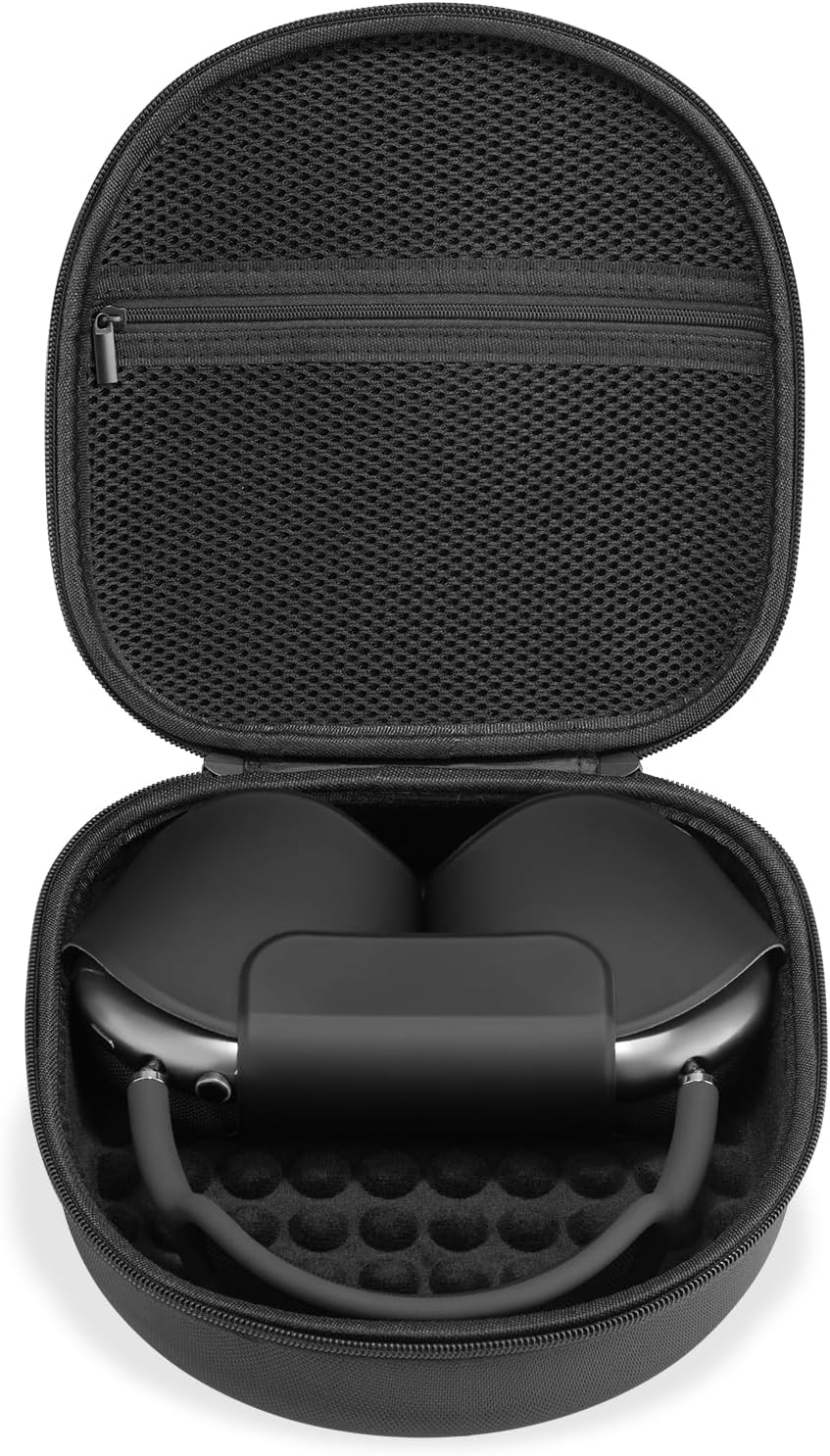
Apple’s design is sleek but unforgiving—your case must accommodate the exact dimensions of the AirPods Max, including the unique shape of the headband and ear cups. Generic “over-ear headphone” cases often leave gaps or apply uneven pressure, which can warp the headband or stress the hinges. The best cases are specifically molded for the AirPods Max, with cutouts that match the curvature of the aluminum cups and the telescoping arms.
Test the fit before committing: your headphones should slide in smoothly without forcing, and the case should close securely without bulging. Some cases include adjustable inserts or removable foam blocks to fine-tune the fit—useful if you use third-party ear pads or have modified your headphones. Also verify compatibility with accessories. If you carry a Lightning cable, USB-C adapter, or cleaning cloth, ensure there’s dedicated storage without compromising the main compartment. A poorly designed case might claim to fit everything but actually compress the headphones when accessories are added.
5. Additional Features & Functionality
Beyond basic protection, modern travel cases offer smart features that enhance usability. Built-in charging stations are increasingly popular—some cases include a Qi wireless pad or USB-C port so you can charge your AirPods Max while they’re stored. This is especially useful for overnight layovers or hotel stays where outlet access is limited. However, verify power source compatibility; not all cases include batteries, and those that do may add significant weight.
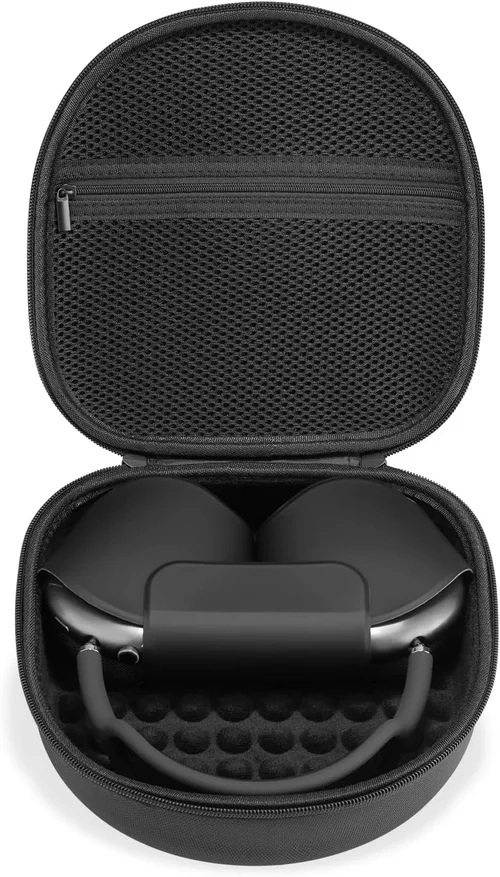
Organization matters too. Look for interior pockets or elastic loops for cables, adapters, or even a small power bank. Some premium cases include a microfiber-lined lid to double as a cleaning surface—a subtle but thoughtful touch. Others feature RFID-blocking compartments for passports or cards, turning your headphone case into a multi-functional travel hub. Consider ease of access: do you need to remove the entire case from your bag to retrieve your headphones, or does it have a quick-access flap? For frequent flyers, a case that doubles as a seat-side entertainment station (with space for a tablet or e-reader) can be a game-changer.
6. Aesthetics & Personal Style
Let’s face it—your travel gear says something about you. While functionality is paramount, you shouldn’t have to sacrifice style. Fortunately, the market offers cases in a wide range of colors, textures, and finishes—from matte black and navy to bold reds, camo patterns, or even custom monograms. Minimalist travelers might prefer understated neutrals that blend with business attire, while adventurers may opt for high-visibility hues for easy identification in crowded baggage claims.
Material finish also affects practicality. Glossy surfaces show fingerprints and scratches more easily, while matte or textured finishes hide wear. Some brands offer eco-friendly options like recycled polyester or vegan leather, appealing to sustainability-minded buyers. Customization is another growing trend—companies like Rokform and Catalyst allow you to add names, initials, or even artwork. Just remember: aesthetics shouldn’t compromise protection. A beautifully crafted case with weak hinges or thin padding is worse than a plain but durable one.
7. Brand Reputation & Customer Support
With so many generic brands flooding Amazon and eBay, it’s tempting to go for the cheapest option. But when it comes to protecting a $550 device, brand reliability matters. Established names like Incipio, Catalyst, and Native Union have proven track records for quality control and responsive customer service. They often provide detailed product testing data, clear warranty terms, and accessible support channels.
Check return policies and warranty coverage. A reputable brand will offer at least a one-year warranty against manufacturing defects, with easy replacement processes. Read verified buyer reviews—not just star ratings, but detailed comments about long-term durability, zipper performance, and real-world travel use. Be wary of brands with inconsistent sizing or vague material descriptions. If a company can’t clearly state what their case is made of or how it’s tested, it’s a red flag. Also consider ecosystem integration: some brands design cases that work seamlessly with Apple Find My or MagSafe accessories, adding extra value beyond basic storage.
8. Price vs. Value Proposition
Price alone shouldn’t dictate your decision—but it should align with the value you’re getting. A $20 silicone sleeve might seem like a bargain, but if it offers minimal protection and wears out in months, it’s a false economy. Conversely, a $150 hard case with military-grade certification may be overkill for occasional weekend trips. The key is matching price to your usage intensity and risk tolerance.
Ask yourself: How often do you travel? Do you check bags or always carry on? Are you prone to accidents or rough handling? Frequent flyers and outdoor adventurers should invest in premium protection, while casual users might prioritize affordability and lightweight design. Look for bundles that include extras like cleaning kits, cable organizers, or travel pouches—these can improve overall value. And don’t forget resale value: a well-protected AirPods Max in original condition commands a higher price if you ever decide to upgrade.
Different Types of Buying Guide
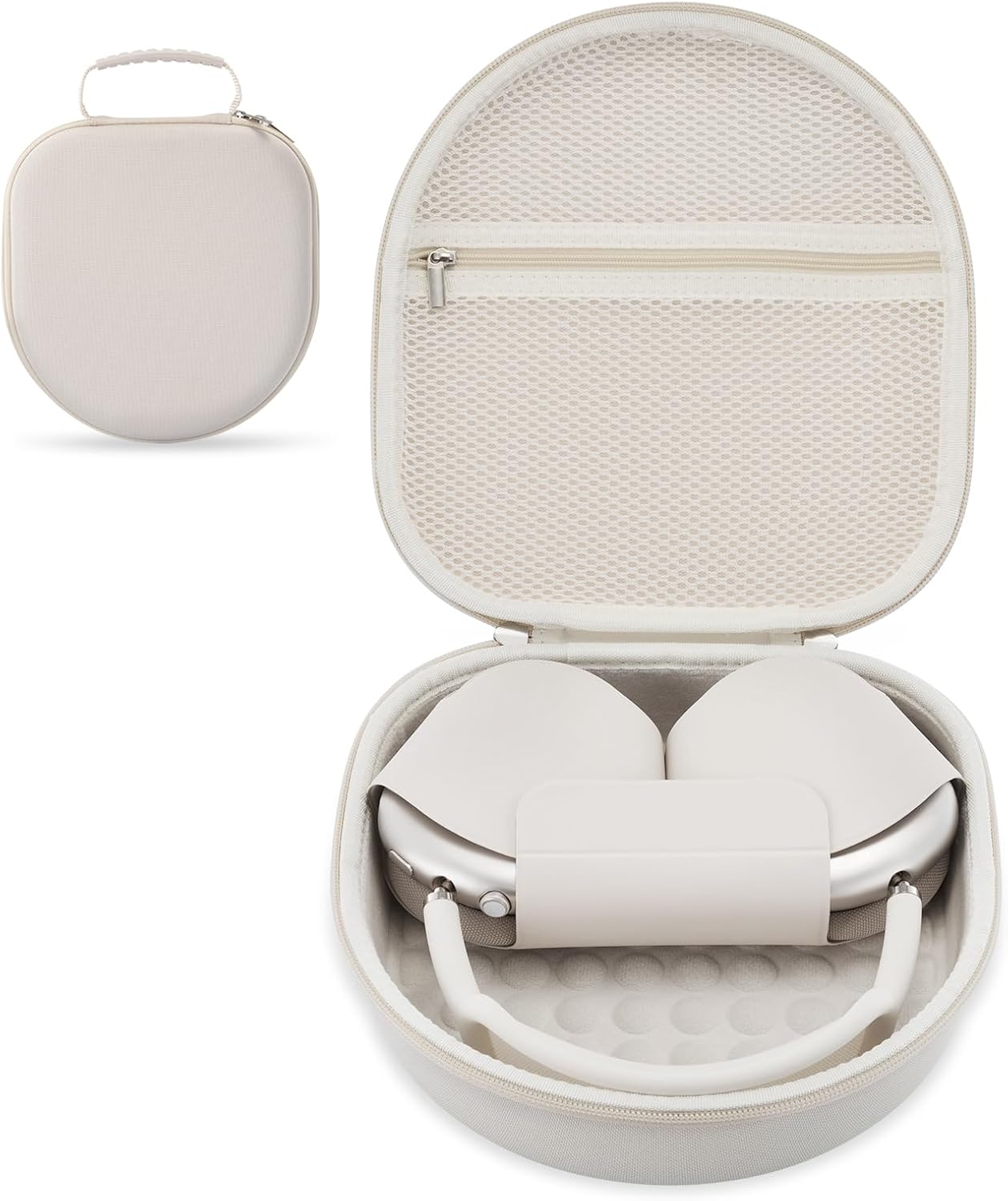
Common Buying Mistakes to Avoid
❌ Mistake: Prioritizing Price Over Protection
Why it’s bad: Choosing the cheapest case to save money often leads to inadequate cushioning, weak zippers, or poor fit—resulting in damaged headphones that cost far more to repair than the case itself. A $25 sleeve might look fine initially, but after a few trips, compressed foam offers little defense against impacts.
What to do instead: Treat your case as an insurance policy. Allocate 10–15% of your AirPods Max’s value to protection. Look for mid-range options ($50–$90) that balance cost and quality, and read real-user reviews about long-term durability.
❌ Mistake: Ignoring Exact Fit Requirements
Why it’s bad: The AirPods Max have a unique shape with wide ear cups and a curved headband. Generic cases may seem to fit but leave gaps that allow movement, increasing wear on hinges and causing misalignment of internal components.
What to do instead: Only buy cases explicitly designed for AirPods Max. Check manufacturer specs for precise dimensions and look for molded interiors that contour to the headphones’ shape. If possible, test the fit before traveling.
❌ Mistake: Overlooking Zipper Quality
Why it’s bad: A broken zipper can leave your headphones exposed mid-flight or trap them inside an unopenable case. Cheap zippers snag, separate, or corrode over time—especially in humid climates.
What to do instead: Inspect zipper brand (YKK is ideal), teeth thickness, and pull strength. Choose cases with full-wrap zippers that open 180 degrees for easy access. Avoid decorative zippers that prioritize looks over function.
❌ Mistake: Assuming All “Water-Resistant” Means Equal
Why it’s bad: Many cases claim water resistance but only protect against light splashes. If your bag gets soaked in rain or a drink spills, inadequate sealing can let moisture seep in and damage sensitive electronics.
What to do instead: Look for IP ratings (e.g., IPX4 for splash resistance, IPX7 for submersion). Check seam sealing and gasket quality. For frequent outdoor use, consider cases with welded seams or rubberized coatings.
❌ Mistake: Neglecting Accessory Storage Needs
Why it’s bad: Trying to stuff cables, adapters, or cleaning cloths into a case not designed for them can compress the headphones, strain zippers, or create clutter that defeats the purpose of organization.
What to do instead: Choose cases with dedicated pockets, elastic loops, or removable pouches. Measure your typical accessories and ensure there’s room without overcrowding the main compartment.
❌ Mistake: Buying Without Checking Return Policies
Why it’s bad: Sizing issues, material defects, or poor fit aren’t always obvious until you receive the product. Strict return windows or restocking fees can leave you stuck with a useless case.
What to do instead: Buy from retailers with generous return policies (30+ days, free returns). Test the case immediately upon arrival—check fit, zipper action, and overall build quality.
❌ Mistake: Forgetting About Long-Term Maintenance
Why it’s bad: Dust, sweat, and grime accumulate in cases over time, potentially transferring to your headphones or degrading materials. Neglecting cleaning can shorten the case’s lifespan and affect hygiene.
What to do instead: Choose cases with removable liners or wipeable interiors. Clean regularly with mild soap and water, and allow to air dry completely before storing headphones.
Budget Guidelines: How Much Should You Spend?
Entry-Level ($20–$40): This tier includes basic silicone sleeves, neoprene wraps, and generic padded pouches. Expect minimal drop protection, thin padding, and limited accessory storage. Best for occasional travelers who carry on and handle their gear carefully. Brands like JETech or UAG offer decent entry options, but avoid ultra-cheap no-name brands with flimsy construction.
Mid-Range ($45–$80): The sweet spot for most travelers. These cases feature higher-density foam, better zippers (often YKK), and precise AirPods Max molding. Many include organizational pockets and water-resistant exteriors. Examples include the Catalyst Waterproof Case and Incipio Organicore. You get reliable protection without overspending.
Premium ($85–$130): Designed for frequent flyers and professionals, these cases offer hard-shell exteriors, reinforced corners, and advanced features like magnetic closures or RFID pockets. Materials are top-tier (polycarbonate, ballistic nylon), and warranties typically extend to 2+ years. The Native Union Leather Case and Rokform Rugged Case fall here.
Luxury ($130+): Top-tier options with integrated tech (wireless charging, battery packs), artisanal craftsmanship, or custom designs. Brands like Master & Dynamic or luxury collabs offer these. While overkill for most, they appeal to collectors or those who view their gear as an extension of personal style. Expect exceptional build quality and concierge-level support.
Expert Tips for Getting the Best Deal
1. Time Your Purchase Around Sales Cycles: Major retailers like Amazon, Best Buy, and Apple Authorized Resellers often discount accessories during Black Friday, Prime Day, Back-to-School (July–August), and post-holiday clearance (January). Sign up for price alerts using tools like Honey or CamelCamelCamel to catch drops.
2. Buy Direct from Reputable Brands: While third-party sellers offer convenience, buying directly from brands like Catalyst, Incipio, or Native Union ensures authenticity, full warranty coverage, and access to exclusive bundles (e.g., case + cleaning kit).
3. Leverage Student or Professional Discounts: Many brands offer 10–15% off for students, educators, or military personnel. Check UNiDAYS, Student Beans, or brand-specific programs. Even if you’re not eligible, some retailers price-match competitor discounts.
4. Read the Fine Print on Warranties: A “lifetime warranty” might only cover manufacturing defects—not wear and tear or accidental damage. Understand what’s included and how to file a claim. Some brands require original receipts or serial numbers.
5. Test Before You Travel: Don’t wait until your trip to discover the case doesn’t fit your backpack or the zipper jams. Do a full packing simulation at home: insert headphones, add accessories, zip up, and toss it in your usual bag.
6. Consider Multi-Purpose Designs: Cases that double as charging stations, tablet stands, or document organizers offer better long-term value. You’re not just buying protection—you’re investing in travel efficiency.
7. Check Return Windows Religiously: Most issues (poor fit, defective zippers) appear within the first week. Use the full return period to evaluate performance under real conditions—don’t assume it’s fine just because it looks okay out of the box.
8. Join Loyalty Programs: Retailers like Best Buy Totaltech or Amazon Prime offer extended return windows, free shipping, and member-exclusive deals. Over time, these perks can save significant money on tech accessories.
Frequently Asked Questions
Q: Can I use a regular over-ear headphone case for my AirPods Max?
A: Technically yes, but it’s not recommended. The AirPods Max are larger and shaped differently than most headphones. A generic case may not secure them properly, leading to movement during travel that can damage hinges or misalign internal components. Always choose a case specifically designed for AirPods Max.
Q: Do I really need a hard case, or is a soft sleeve enough?
A: It depends on your travel style. If you only carry on and handle your bag gently, a high-quality soft sleeve may suffice. But if you check bags, travel frequently, or move through crowded airports, a hard case provides critical crush and drop protection that soft materials can’t match.
Q: Will a travel case interfere with the AirPods Max’s auto-pause feature?
A: No—unless the case presses directly against the sensors on the ear cups. Most well-designed cases have recessed areas that avoid sensor contact. Test this by placing your headphones in the case and checking if music pauses when you remove them.
Q: Can I charge my AirPods Max while they’re in the case?
A: Only if the case has built-in charging capabilities. Standard cases don’t allow charging while stored. Smart cases with integrated batteries or passthrough ports enable charging, but verify compatibility with your power source and cable type.
Q: Are waterproof cases worth it for air travel?
A: Absolutely. Spills, rain, and humidity are common during travel. Even if you’re not near water, condensation from temperature changes can affect electronics. An IPX4-rated case provides peace of mind without adding significant bulk.
Q: How do I clean my AirPods Max case?
A: For fabric cases, use a damp cloth with mild soap and air dry completely. Avoid submerging or using harsh chemicals. Hard-shell cases can be wiped with disinfectant wipes. Never store headphones in a damp case—moisture breeds bacteria and can damage finishes.
Q: What’s the difference between EVA and polycarbonate?
A: EVA is a flexible foam often used in soft cases—it’s lightweight and cushions well but offers less crush resistance. Polycarbonate is a rigid plastic used in hard shells—it’s impact-resistant and maintains shape under pressure but adds weight. Many premium cases combine both for optimal protection.
Q: Can I attach my case to my luggage?
A: Some cases include luggage straps, carabiners, or trolley sleeves for attachment to suitcases. Check product specs for these features if you want hands-free mobility through terminals.
Q: Do cases affect the resale value of AirPods Max?
A: Yes—keeping your headphones in a protective case preserves their condition, which directly impacts resale value. A mint-condition AirPods Max with original packaging and minimal wear can sell for 20–30% more than a scratched or dented unit.
Q: Are there cases that work with Apple Find My?
A: Not directly—the case itself isn’t trackable, but some smart cases include Bluetooth tags (like Tile) that integrate with Find My. This helps locate your case if separated from your bag.
Our Final Recommendations
Best for Budget-Conscious Buyers: Catalyst Waterproof Case ($59) – Offers IPX7 waterproofing, precise fit, and durable TPU construction at a mid-range price. Ideal for travelers who want serious protection without luxury markup.
Best Overall Value: Incipio Organicore Case ($69) – Combines eco-friendly materials (recycled ocean plastic), excellent cushioning, and a sleek profile. Includes a microfiber liner and fits most backpacks seamlessly.
Best Premium Option: Native Union Leather Case ($129) – Handcrafted Italian leather with aluminum accents, magnetic closure, and premium feel. Perfect for business travelers who value aesthetics and craftsmanship.
Best for Beginners: Apple Smart Case (included with purchase) – While minimal, it’s free and provides basic scratch protection. Pair it with a padded sleeve for added safety during light travel.
Best for Advanced Users: Rokform Rugged Case with Wireless Charging ($149) – Military-grade drop protection, built-in Qi charger, and modular accessory system. Built for tech-savvy travelers who demand cutting-edge functionality.
Conclusion: Making the Right Choice
Choosing the best AirPods Max case for travel isn’t just about slapping a cover on your headphones—it’s about aligning protection, portability, and personal needs into one smart investment. We’ve covered everything from material science and drop testing to style preferences and budget strategy, because your decision should be informed, not impulsive. Remember: the right case doesn’t just prevent damage; it enhances your entire travel experience by reducing stress, saving money on repairs, and keeping your gear performing at its peak.
Don’t let the abundance of options paralyze you. Start by identifying your primary use case: Are you a weekly commuter, a monthly flyer, or an occasional explorer? Match that to a protection level and feature set that makes sense. Prioritize fit and build quality above flashy extras, and always verify compatibility with your specific model. And if you’re still unsure, lean toward reputable brands with strong warranties—they’re more likely to stand behind their products when issues arise.
Ultimately, the best case is the one you’ll actually use—consistently and confidently. So take the time to research, test, and choose wisely. Your AirPods Max deserve nothing less. Safe travels, and may every journey sound as good as it feels.