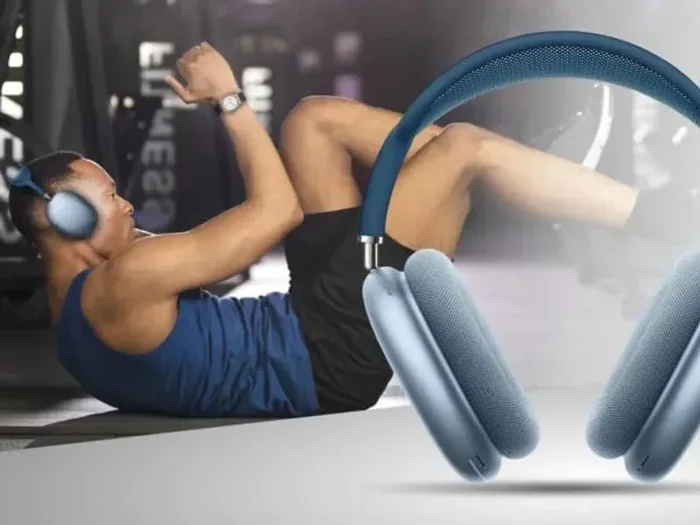
Featured image for AirPods Max gym workout
Image source: vpnstreamer.com.au
Yes, you can technically use AirPod Max for workouts, but they’re not designed for exercise and may not be the best choice. These premium over-ear headphones offer exceptional sound quality but lack sweat resistance, can feel heavy during movement, and risk damage from moisture. Light, low-intensity activities may work, but dedicated workout earbuds are usually a smarter investment for active users.
Picture this: you’re about to crush your morning workout, and your favorite playlist is queued up. You reach for your AirPod Max because they deliver the best sound you’ve ever heard. But then a question pops into your head—can you actually use AirPod Max to workout without ruining them?
Here’s the thing. AirPod Max are amazing headphones. Apple packed them with incredible features like active noise cancellation, spatial audio, and premium materials that feel luxurious. But “amazing” and “workout-ready” aren’t always the same thing. Think of it like wearing dress shoes to play basketball. Sure, they’re technically footwear, but they’re not built for the job.
In this guide, we’ll break down everything you need to know. You’ll learn what happens when sweat meets premium headphones, which workouts are okay (and which aren’t), and whether you should save your AirPod Max for the couch or take them to the gym. Let’s dive in.
Key Takeaways
- No Official Sweat Resistance: AirPod Max lack any IPX rating, making them vulnerable to sweat and moisture damage during workouts.
- Weight Matters: At 384 grams, they’re nearly 4x heavier than AirPod Pro, causing discomfort during high-movement exercises.
- Secure Fit Concerns: The over-ear design can shift during running, jumping, or dynamic movements.
- Premium Sound Trade-off: You get studio-quality audio, but at the cost of practicality and workout safety.
- Best for Light Activity: Walking, yoga, or weightlifting with minimal head movement are acceptable use cases.
- Battery Holds Up: 20-hour battery easily covers extended workout sessions without recharging.
- Better Alternatives Exist: AirPod Pro 2, Powerbeats Pro, or Beats Fit Pro offer workout-optimized features at lower prices.
📑 Table of Contents
- The Honest Answer: Can You Use AirPod Max to Workout?
- Why AirPod Max Aren’t Built for Exercise
- Workouts Where AirPod Max Might Be Okay
- Workouts Where You Should Definitely Skip AirPod Max
- How to Protect AirPod Max If You Insist on Using Them
- Better Alternatives for Workout Audio
- Making the Smart Choice for Your Workouts
The Honest Answer: Can You Use AirPod Max to Workout?
Let’s get straight to the point. Technically, yes—you can use AirPod Max to workout. Nothing physically stops you from putting them on and heading to the gym. But “technically possible” and “recommended” are two very different things.
Apple designed the AirPod Max as premium lifestyle headphones for music lovers, audiophiles, and professionals. They weren’t built for sweat, intense movement, or the rough-and-tumble nature of exercise. Using them for workouts is like driving a luxury sedan on an off-road trail. It might work for a bit, but you’re asking for trouble.
What Apple Says About It
Interestingly, Apple doesn’t explicitly say “don’t use AirPod Max for workouts.” Their support documentation focuses on avoiding contact with liquids. Here’s what Apple specifically warns against:
- Exposure to water, sweat, or other liquids
- High humidity environments
- Rapid temperature changes
- Drops and impacts
Did you know that AppleCare+ doesn’t cover liquid damage for AirPod Max? That means if sweat ruins your $549 headphones, you’re paying out of pocket for repairs. This little fact tells you everything you need to know about whether Apple considers them workout-ready.
The Real-World Verdict
Most fitness enthusiasts and tech reviewers agree on a simple rule: AirPod Max for workouts is a bad idea. The risks outweigh the benefits. You have better options that cost less and perform better during exercise.
Why AirPod Max Aren’t Built for Exercise
AirPod Max have several features that make them genuinely fantastic for everyday listening. But those same features become problems when you’re working out. Let’s look at why.
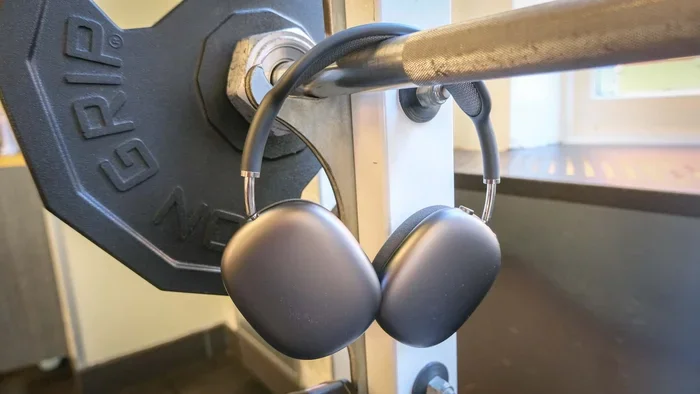
Visual guide about AirPods Max gym workout
Image source: cdn.mos.cms.futurecdn.net
No Sweat or Water Resistance
This is the big one. AirPod Max have zero official IP rating for water or sweat resistance. Compare that to AirPod Pro 2, which carry an IP54 rating for dust and sweat resistance. The difference is night and day.
Think of it like this. Your phone might survive a quick splash, but you wouldn’t shower with it, right? AirPod Max are in that same vulnerable category. Sweat contains salts and acids that can slowly corrode the internal components, even if you don’t notice immediate damage.
Over time, regular sweat exposure can cause:
- Driver degradation (your music starts sounding off)
- Headband padding deterioration
- Charging port corrosion
- Microphone malfunction
- Internal circuit damage
They’re Heavy
Let’s talk numbers. AirPod Max weigh 384 grams (13.6 ounces). That’s roughly the weight of a baseball. Now imagine wearing a baseball on your head while doing burpees. Yeah, not fun.
For comparison, here’s how they stack up against workout-friendly alternatives:
- AirPod Pro 2: 5.3 grams each (10.6 grams total)
- Powerbeats Pro: 4 grams each (8 grams total, before hooks)
- Beats Fit Pro: 5.6 grams each (11.2 grams total)
Your neck and head muscles fatigue faster when you’re supporting extra weight. During a 45-minute workout, that heaviness adds up. You might not notice it at first, but by the end of your session, you’ll feel it.
Over-Ear Design and Movement
The over-ear (circumaural) design of AirPod Max is meant for immersive listening in stable environments. Your couch. Your desk. Your commute. Not your CrossFit class.
The cushions create a seal around your ears for noise cancellation and sound quality. But that seal becomes a problem when you’re moving. The headphones can shift, slide, or bounce during:
- Running and jogging
- Jump rope
- HIIT workouts
- Box jumps
- Burpees
- Dancing
Unlike in-ear earbuds that lock into your ear canal with silicone tips, AirPod Max rely purely on clamping force. Add sweat to the mix, and things get slippery.
The Mesh Canopy Headband
That fancy knitted mesh canopy on top? It’s designed for breathability during extended listening sessions. But mesh and sweat don’t mix well. The fabric can absorb moisture, leading to:
- Unpleasant odors over time
- Bacterial growth
- Visible staining
- Material breakdown
Once sweat soaks into the canopy, it’s nearly impossible to fully clean. You’d need to replace the headband entirely.
Workouts Where AirPod Max Might Be Okay
Okay, so we’ve established that AirPod Max aren’t ideal for most workouts. But there are a few scenarios where you could probably get away with using them. Let’s be real about this.
Light Walking or Casual Strolling
If you’re taking a leisurely walk around the neighborhood, AirPod Max can work fine. There’s minimal bouncing, and if it’s a cool day, sweat won’t be a major issue. Think of it like wearing your nice headphones to the mailbox. No big deal.
Yoga and Stretching
Yoga involves slow, controlled movements. You won’t be jumping or bouncing around. Downward dog, warrior poses, and seated stretches shouldn’t jostle the headphones too much. Just be careful during inversions where your head might flip suddenly.
Weightlifting (Low-Intensity)
Lifting weights at a moderate pace can work with AirPod Max. As long as you’re not doing explosive Olympic lifts or constantly looking up and down, the headphones should stay put. Just keep a towel handy to wipe down the cushions.
Stationary Cycling (Casual Pace)
If you’re on a stationary bike at a relaxed pace, the lack of bouncing means your AirPod Max won’t shift much. The bigger concern is sweat dripping down from your face onto the cushions. Position a towel on your handlebars to catch drips.
Meditation and Breathwork
Honestly, this is where AirPod Max shine. If you’re doing guided meditation, breathwork exercises, or simply sitting quietly, the premium sound quality and noise cancellation create an incredible experience. No movement, no sweat, just pure audio bliss.
Workouts Where You Should Definitely Skip AirPod Max
Now let’s talk about the activities where using AirPod Max is a recipe for disaster. If you do any of these regularly, please don’t bring your $549 headphones along.
Running and Jogging
Running creates constant vertical bouncing. Each foot strike sends shockwaves through your body and your head. AirPod Max will shift with every step, requiring constant readjustment. The weight also creates a pendulum effect that gets uncomfortable fast.
Beyond comfort, running generates significant sweat. A 30-minute run can produce anywhere from 12 to 35 ounces of sweat depending on intensity and conditions. That’s a lot of moisture heading straight for your headphones.
HIIT and CrossFit
High-intensity interval training involves explosive movements. Jump squats, box jumps, kettlebell swings, and burpees all create the kind of dynamic motion that AirPod Max can’t handle. You’d be adjusting them every 30 seconds.
Hot Yoga or Saunas
Taking AirPod Max into a 100°F+ yoga studio is asking for trouble. The combination of extreme heat and excessive sweat will quickly damage the internal components. Just don’t do it.
Swimming or Water Sports
This should go without saying, but AirPod Max are not waterproof. Not water-resistant. Not splash-proof. They’re vulnerable to any moisture whatsoever. Pool, lake, ocean, rain—keep them far away.
Contact Sports
Basketball, soccer, football, volleyball—any sport where things might hit your head. AirPod Max would shift, get knocked, or fall off entirely. They’re also bulky enough to be a safety hazard during physical contact.
How to Protect AirPod Max If You Insist on Using Them
Alright, let’s say you’ve read all this and still want to use your AirPod Max for light workouts. Maybe you only do gentle yoga. Maybe you just want them for your walking meetings. I get it. Here are some tips to minimize damage if you go that route.
Use a Sweatband or Headband
Wear a thin sweatband across your forehead. This catches sweat before it drips down into the ear cushions and mesh canopy. Think of it like an umbrella for your headphones. It’s not perfect, but it helps a lot.
Keep a Microfiber Cloth Handy
Wipe down your AirPod Max immediately after every workout session. Don’t let sweat sit on the materials. A microfiber cloth absorbs moisture without scratching surfaces. Make this a non-negotiable habit.
Avoid Direct Sunlight and Heat
Don’t leave your AirPod Max in a hot car, gym locker, or sunny windowsill. Heat accelerates the damage caused by any residual moisture. Store them in a cool, dry place between sessions.
Consider a Protective Case
The Apple Smart Case offers minimal protection. Consider third-party hard cases that fully enclose your headphones. Some come with moisture-absorbing silica gel packets. These cases also protect against drops when you’re moving around the gym.
Lower the Volume Slightly
Here’s a tip most people miss. At very high volumes, the drivers generate heat. That heat, combined with environmental warmth and sweat, creates a perfect storm for internal damage. Keeping volume at 60-70% reduces this risk.
Rotate Your Listening Devices
If you’re going to use AirPod Max for workouts, do it sparingly. Use cheaper, sweat-resistant earbuds for your daily gym sessions and save the AirPod Max for occasional light activity. This extends their lifespan significantly.
Better Alternatives for Workout Audio
If you love the Apple ecosystem but need something workout-friendly, you’re in luck. There are excellent options that integrate seamlessly with your iPhone while handling sweat, movement, and intensity like champs.
AirPod Pro 2
The obvious alternative. AirPod Pro 2 are IP54 rated, meaning they resist both dust and sweat. They weigh just 5.3 grams each, fit securely with silicone tips, and offer most of the same features as AirPod Max—including active noise cancellation and spatial audio.
At $249, they cost less than half the price of AirPod Max. For most people who want premium Apple audio during workouts, AirPod Pro 2 are the clear winner.
Beats Fit Pro
These are basically AirPod Pro designed specifically for athletes. They feature secure-fit wingtips that lock into your ear, IPX4 sweat resistance, and the same Apple H1 chip for seamless connectivity. The wingtips make them ideal for running, HIIT, and any movement-heavy activity.
Powerbeats Pro
If you want maximum security, Powerbeats Pro are hard to beat (pun intended). The ear hooks physically wrap around your ears, ensuring they stay put no matter what. They’re IPX4 rated and offer 9 hours of battery life per charge.
Beats Studio Buds
Budget-friendly option at $149. These true wireless earbuds offer IPX4 sweat resistance, good sound quality, and a compact design. Not as premium as AirPod Pro 2, but perfectly capable for most workout scenarios.
Bone Conduction Headphones (Shokz)
For outdoor runners and cyclists, bone conduction headphones are worth considering. They sit on your cheekbones instead of in your ears, leaving your ear canals open. You can hear your surroundings while still enjoying your music. Shokz OpenRun and OpenSwim are popular choices.
Making the Smart Choice for Your Workouts
So, can you use AirPod Max to workout? The answer is yes, but probably shouldn’t—unless your “workout” is light stretching or a casual walk. For anything more intense, you’re risking $549 of premium audio equipment for marginal convenience.
Here’s my recommendation. Use AirPod Max for what they do best: immersive listening at home, focused work sessions, long flights, and relaxation. Invest in a separate pair of workout-specific earbuds for your fitness routine. Your wallet, your headphones, and your workout performance will all thank you.
The beauty of the Apple ecosystem is that you don’t have to choose. You can have premium over-ear headphones for premium moments and sweat-resistant earbuds for active moments. It’s not about replacing your AirPod Max—it’s about complementing them with the right tool for the job.
Think of it like having a fancy chef’s knife for special meals and a durable paring knife for everyday prep. Both have their place. The same logic applies to your audio gear.
Now go crush that workout—with the right headphones for the job.
Frequently Asked Questions
Can sweat damage AirPod Max?
Yes, sweat can damage AirPod Max over time. They have no IP rating for sweat or water resistance, and Apple’s warranty doesn’t cover liquid damage. Regular exposure to sweat can corrode internal components and degrade the ear cushions and headband mesh.
Are AirPod Max waterproof?
No, AirPod Max are not waterproof or water-resistant. Apple does not provide any official IP rating for them. Exposure to water, sweat, or other liquids can cause permanent damage to the headphones.
How heavy are AirPod Max compared to AirPod Pro?
AirPod Max weigh 384 grams total, while AirPod Pro 2 weigh just 5.3 grams per earbud (10.6 grams total). This makes AirPod Max approximately 36 times heavier, which is why they can feel cumbersome during physical activity.
What workouts are safe for AirPod Max?
Light, low-intensity workouts like casual walking, gentle yoga, meditation, or stationary cycling at a relaxed pace are generally safer for AirPod Max. Avoid high-intensity activities like running, HIIT, or hot yoga.
Do AirPod Max have a warranty for sweat damage?
No, the standard Apple warranty and AppleCare+ do not cover liquid or sweat damage to AirPod Max. Repairs for moisture-related issues are typically out-of-pocket and can be costly.
Should I buy AirPod Pro or AirPod Max for working out?
AirPod Pro 2 are the better choice for workouts. They offer IP54 sweat resistance, a lightweight in-ear design, and most of the same features as AirPod Max—including active noise cancellation—at less than half the price.