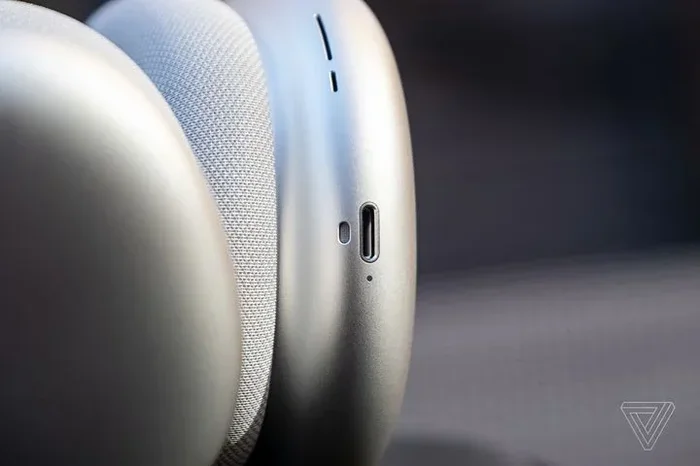
Featured image for AirPod Max headphone jack
Image source: cdn.vox-cdn.com
AirPod Max do not include a traditional 3.5mm headphone jack built into the headphones themselves. Instead, Apple designed them to connect wired audio through the Lightning port on the bottom of the right ear cup. To use them with a standard headphone cable, you’ll need Apple’s Lightning to 3.5mm Audio Cable (sold separately for $35). This design choice reflects Apple’s push toward wireless audio while still offering a wired option for those who need it.
Ever pulled your shiny new AirPod Max out of the box, searched every inch of them for a headphone jack, and came up empty? You’re definitely not alone. This is one of the most common questions people ask about Apple’s premium over-ear headphones. The answer might surprise you, especially if you’re used to plugging things in the old-fashioned way.
Here’s the simple truth: AirPod Max do not have a traditional 3.5mm headphone jack. Unlike most headphones you’ve probably owned before, there’s no round port waiting for your favorite audio cable. Apple took a different approach with these headphones. They use the Lightning connector (yes, the same one used for charging iPhones for years) as the only way to get wired audio into them. This might sound like a hassle at first, but there’s actually some clever thinking behind it.
In this guide, we’ll break down everything you need to know about how wired audio works on AirPod Max. We’ll cover what cables you need, how to set things up, why Apple made this choice, and what it means for your listening experience. Whether you’re an audio enthusiast chasing perfect sound or just someone who wants to plug into an in-flight entertainment system, this article has you covered.
Key Takeaways
- No Built-in 3.5mm Jack: AirPod Max don’t have a traditional headphone port on the ear cups themselves.
- Wired Connection via Lightning Port: The only physical audio input is through the Lightning port located on the bottom of the right ear cup.
- Apple’s Cable Required: To connect to standard audio sources, you need Apple’s official Lightning to 3.5mm cable, which costs around $35.
- No USB-C Option Yet: AirPod Max still use Lightning, not USB-C, even though newer Apple products have moved to USB-C.
- Wired Audio is Completely Passive: When using a cable, no battery power is needed for audio playback, but active features like ANC still require a charge.
- Lossless Audio Possible: A wired connection allows for true lossless 24-bit/48kHz audio, something Bluetooth cannot deliver.
- Adapters Work But Aren’t Ideal: You can use third-party Lightning-to-3.5mm adapters, but Apple’s own cable offers the best compatibility and quality.
📑 Table of Contents
- Understanding the AirPod Max Design Philosophy
- The Lightning Port: Your Gateway to Wired Audio
- What You Need for Wired Listening
- Step-by-Step: Connecting AirPod Max to Wired Audio
- The Audio Quality Difference: Wired vs. Wireless
- Practical Scenarios: When Wired Connections Matter
- Common Questions and Troubleshooting
- The Future of AirPod Max Connections
- Making the Most of Your AirPod Max
- The Bottom Line
Understanding the AirPod Max Design Philosophy
Before we dive into cables and adapters, it helps to understand why Apple designed AirPod Max this way. Knowing the reasoning makes everything else make sense.
The All-Digital Approach
Apple’s design team made a bold choice with AirPod Max. Instead of including both wireless and traditional analog connections, they went with an all-digital wired option. Think of it like this: most headphones are like a universal translator that can understand any language spoken to them. AirPod Max are like a specialist who only speaks one digital language really well.
The Lightning port on the right ear cup handles several jobs. It charges the battery, connects to wired audio sources, and even allows firmware updates. This multi-purpose design keeps the headphones looking clean and minimal. There’s no chunky 3.5mm jack sticking out, and no extra ports cluttering the sleek aluminum ear cups.
Why Apple Removed the Traditional Jack
Did you know that Apple started removing headphone jacks from iPhones back in 2016? That controversial move with the iPhone 7 set the stage for a wireless-first future. AirPod Max follow that same philosophy. By removing the 3.5mm jack, Apple:
- Made the headphones more water-resistant (fewer openings means fewer ways for moisture to get inside)
- Saved internal space for better audio components
- Encouraged users to embrace wireless listening
- Pushed audio quality toward digital perfection
Of course, this decision has its critics. Many audiophiles and casual listeners alike feel frustrated about needing extra accessories. But Apple has stood firm on this design choice, betting that the future of personal audio is wireless (or, when wired, digital).
The Lightning Port: Your Gateway to Wired Audio
Let’s get specific about what you’ll find on the AirPod Max themselves and how the wired connection actually works.
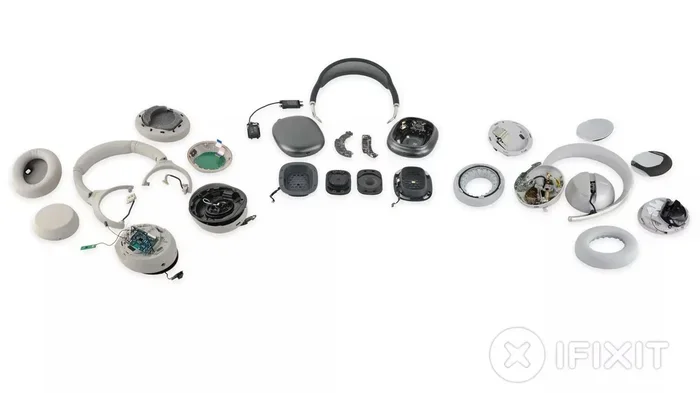
Visual guide about AirPod Max headphone jack
Image source: cdn.mos.cms.futurecdn.net
Where the Port Is Located
If you flip your AirPod Max over and look at the bottom of the right ear cup, you’ll spot a small oval-shaped port. That’s the Lightning connector. It’s the same shape and size as the charging port on older iPhones (iPhone 14 and earlier). The left ear cup has no port at all, which keeps the design symmetrical and clean.
This single port serves as the only physical connection point on the entire headphone. It’s used for three things:
- Charging the battery with a Lightning cable
- Wired audio input (with the right cable)
- Connecting to computers for firmware updates
How Wired Audio Actually Works
Here’s where things get a bit technical, but we’ll keep it simple. When you plug a Lightning to 3.5mm cable into the AirPod Max, the headphones take that analog signal and convert it to digital. Then their internal processors handle the audio before sending it to the drivers (the parts that actually make sound).
This is different from traditional headphones. With regular wired headphones, the audio source (your phone or computer) does all the processing. The cable just carries the signal straight to the drivers. AirPod Max add an extra step, and that step includes Apple’s custom digital signal processing.
What You Need for Wired Listening
Okay, so AirPod Max don’t have a built-in headphone jack. But you can absolutely use them wired if you want to. You just need the right cable. Let’s walk through your options.
Apple’s Official Lightning to 3.5mm Cable
The simplest and most reliable option is Apple’s own Lightning to 3.5mm Audio Cable. This is a specific cable designed just for this purpose. It has a Lightning connector on one end (which plugs into your AirPod Max) and a standard 3.5mm headphone plug on the other end (which goes into your audio source).
You can buy this cable directly from Apple for around $35. It’s also available from authorized retailers like Best Buy, Amazon, and other electronics stores. Sometimes you’ll find it bundled with AirPod Max purchases, but usually it’s sold separately.
Why choose the official cable? A few good reasons:
- Guaranteed compatibility: Apple designed it to work perfectly with AirPod Max
- Build quality: It matches the premium feel of the headphones
- Length: It comes in a practical 1.2-meter length
- Reliability: No random disconnections or audio glitches
Third-Party Alternatives
Can you use a cheaper third-party cable instead? Technically, yes. Many companies make Lightning to 3.5mm cables that claim to work with AirPod Max. Some work great, others don’t work at all. The issue is that Apple uses proprietary authentication chips in their cables. Some third-party manufacturers pay licensing fees to Apple, while others don’t.
If you go the third-party route, look for cables that are MFi certified. “MFi” stands for “Made for iPhone/iPad/iPod,” and it means Apple has approved the manufacturer. These cables typically cost less than Apple’s official option but still work reliably. Budget uncertified cables might save you money upfront but often have problems like audio cutting out, no sound at all, or only working intermittently.
The Lightning to 3.5mm Adapter Approach
Here’s another option some people consider: using the Lightning to 3.5mm Headphone Jack Adapter that Apple makes for iPhones. This little dongle was included with iPhones that didn’t have headphone jacks, and many people have one lying around.
Unfortunately, this adapter doesn’t work with AirPod Max. The adapter is designed to plug into iPhones and output audio through a 3.5mm jack. It’s the opposite of what you need. You’d need an adapter that goes from Lightning (on the headphones) to 3.5mm (on the cable), not the other way around. So while it’s a common point of confusion, the iPhone adapter won’t help you here.
Step-by-Step: Connecting AirPod Max to Wired Audio
Let’s walk through exactly how to set up a wired connection. It’s actually pretty simple once you have the right cable.
What You’ll Need
- Your AirPod Max
- Apple’s Lightning to 3.5mm Audio Cable (or compatible third-party cable)
- An audio source with a 3.5mm headphone output (laptop, older phone, in-flight entertainment, etc.)
Connection Instructions
- Make sure your AirPod Max have battery power. Even when using a wired connection, active features like noise cancellation require battery power.
- Locate the Lightning port on the bottom of the right ear cup.
- Plug the Lightning end of your cable into the port. It should click into place.
- Plug the 3.5mm end into your audio source’s headphone jack.
- Power on your AirPod Max by pressing the noise control button.
- Adjust volume using the Digital Crown on the right ear cup or your audio source’s controls.
Testing Your Connection
Once everything is connected, play some audio from your source device. If you hear sound, you’re all set! If not, check these common issues:
- Make sure both ends of the cable are fully inserted
- Confirm your AirPod Max are powered on (the LED should glow)
- Check the volume on both your audio source and the headphones
- Try a different audio source to rule out device issues
- Test with a different cable if possible
The Audio Quality Difference: Wired vs. Wireless
One of the most interesting things about using AirPod Max with a wired connection is the audio quality. There’s actually a noticeable difference, and it matters to some listeners more than others.
Understanding Bluetooth Limitations
When you use AirPod Max wirelessly with Bluetooth, the audio gets compressed. Think of it like this: imagine taking a beautiful, high-resolution photo and saving it as a smaller file to send via email. The photo still looks good, but you’ve lost some of the fine detail. Bluetooth audio works the same way.
Apple uses advanced codecs (compression methods) like AAC and their own Apple Lossless codec to minimize quality loss. For most people, Bluetooth audio sounds excellent. But technically, you’re not hearing exactly what the recording engineer intended.
Wired Connection and Lossless Audio
Here’s the exciting part: with a Lightning to 3.5mm cable, AirPod Max can play back true lossless audio. This means the audio file is delivered to your ears without any compression. It’s like the difference between watching a movie in standard definition versus 4K. The detail is just… more.
Specifically, AirPod Max support 24-bit/48kHz lossless audio when wired. That’s a fancy way of saying the audio has much more detail and depth than compressed Bluetooth can deliver. For music lovers who care about hearing every subtle instrument and vocal nuance, this is a big deal.
What About the DAC Question?
“DAC” stands for “Digital to Analog Converter.” It’s the chip that turns digital audio files into the analog sound waves your ears actually hear. In traditional wired headphones, the DAC lives in your phone or computer. With AirPod Max, the DAC is inside the headphones themselves.
This setup has pros and cons. The pro is that Apple controls the DAC quality and can optimize it specifically for the AirPod Max drivers. The con is that you can’t upgrade or replace the DAC. For most people, the built-in DAC sounds excellent. But extreme audiophiles sometimes prefer external DAC setups with traditional headphones.
Practical Scenarios: When Wired Connections Matter
You might be wondering when you’d actually need to use a wired connection. Modern life is mostly wireless, right? Well, there are still plenty of situations where having that cable option is valuable.
Airplane Entertainment Systems
Ever tried to use Bluetooth headphones with an airplane’s in-flight entertainment? It usually doesn’t work. Airplanes typically have 3.5mm jacks built into the seat or require you to use their provided wired headphones. Bringing your AirPod Max with a Lightning to 3.5mm cable lets you enjoy premium sound while watching movies on long flights.
Statistics show that over 4 billion passengers fly commercially each year worldwide. That’s a lot of potential in-flight entertainment sessions where wired audio matters.
Gaming and Low-Latency Audio
Bluetooth introduces a tiny delay called “latency.” For casual music listening, you never notice it. But for gaming, even a few milliseconds of delay can make audio feel out of sync with the action on screen. A wired connection eliminates this delay entirely, making AirPod Max a solid option for gamers who want great sound without the lag.
Studio and Professional Use
Musicians, podcasters, and audio engineers sometimes use AirPod Max for monitoring audio. While they’re not professional studio headphones, the lossless wired capability makes them useful for certain tasks. The active noise cancellation also helps when recording in noisy environments.
Audio-Visual Productions and Content Creation
Video editors, YouTubers, and content creators often need to monitor audio precisely. Wired connections to editing stations ensure zero compression and perfect timing alignment. AirPod Max with their premium build and quality drivers can serve this purpose well.
Battery Conservation
Here’s a neat trick: when you’re listening wired and don’t need active noise cancellation, you can turn off the AirPod Max to save battery. The audio will still play passively through the drivers. This is great for long trips where you want to preserve battery for later wireless use.
Common Questions and Troubleshooting
Even with the right cable, you might run into occasional hiccups. Let’s cover the most common issues and their fixes.
No Sound When Wired
If you’ve connected everything but hear nothing, try these steps:
- Restart your AirPod Max by holding the Digital Crown and noise control button for 10 seconds
- Check that the cable is genuine Apple or MFi-certified
- Test the cable with another pair of Lightning headphones if possible
- Make sure your audio source isn’t muted
- Try a different audio source to isolate the problem
Audio Cuts In and Out
Intermittent audio usually points to a cable problem. Damaged cables or loose connections cause this. Inspect your cable for any bends, fraying, or damage. If you spot any issues, it’s time for a replacement. Also check that the Lightning connector is fully seated in the port and that the 3.5mm plug is fully inserted.
Static or Crackling Sounds
Static and crackling can be caused by electrical interference, a damaged cable, or sometimes software issues. Try updating your AirPod Max firmware through your iPhone. If that doesn’t help, try a different cable. The issue could also be your audio source, so test with different devices.
One Side Not Working
If audio only comes through one ear cup, first check your audio balance settings. On iPhone, go to Settings > Accessibility > Audio/Visual > Balance and make sure it’s centered. If that’s fine, the issue is likely your cable or the connection. Try unplugging and re-plugging both ends firmly.
The Future of AirPod Max Connections
What about future versions of AirPod Max? Will they get a proper headphone jack? Let’s look at the clues Apple has given us.
The USB-C Transition
Apple has been slowly moving all their products to USB-C. The iPhone 15, iPads, and Macs all use USB-C now. This was partly due to European regulations requiring USB-C charging ports. However, AirPod Max launched in 2020 with Lightning and still haven’t been updated with USB-C as of early 2026.
This suggests Apple sees AirPod Max as a niche premium product that doesn’t need frequent updates. Some rumors have suggested a USB-C version might come eventually, possibly with other improvements like better battery life or new colors. But nothing has been officially announced.
Will We Ever See a 3.5mm Jack?
Honestly, probably not. Apple has been moving away from 3.5mm jacks for over a decade. Their entire ecosystem is wireless-first now. Adding a 3.5mm jack would mean reversing a decade of design philosophy. Even if some users would love it, it’s unlikely to happen.
What About True Lossless Wireless?
One interesting development is Apple’s work on higher-quality Bluetooth codecs. They’ve introduced features like “Personalized Spatial Audio” and improvements to their AirPods line. Future AirPod Max versions might support newer wireless technologies that get closer to lossless quality without needing a cable. We might see improvements to their wireless audio that make the wired option less necessary for casual listeners.
Making the Most of Your AirPod Max
Now that you understand the wired situation, let’s talk about getting the best experience possible from your investment.
When to Go Wired
Use your wired connection when:
- You’re on an airplane or in places with limited wireless options
- You need the absolute best audio quality for critical listening
- You’re gaming and need zero audio latency
- Your battery is low but you still want to keep listening
- You’re connecting to older audio equipment without Bluetooth
When Wireless is Fine
Stick with Bluetooth when:
- You’re doing casual music listening around the house
- You’re exercising or moving around a lot
- You’re taking phone calls
- You’re using your iPhone, iPad, or Mac (seamless Apple integration)
- You want the convenience of no cables
Pro Tips for AirPod Max Owners
Here are some helpful tips to get the most out of your headphones:
- Keep your Lightning cable handy: Stash one in your travel bag so you’re never caught without it
- Update firmware regularly: Apple occasionally releases updates that improve performance
- Use the Smart Case: The included case puts headphones in an ultra-low-power mode to preserve battery
- Clean the Lightning port: Dust and debris can cause connection issues. Use a soft, dry brush to gently clean it
- Watch the battery: AirPod Max get about 20 hours of listening per charge with ANC on
Did you know that AirPod Max weigh 384 grams (about 13.5 ounces)? That’s heavier than many competing headphones, but the weight distribution is designed to reduce pressure on your head during long listening sessions. The aluminum ear cups and stainless steel frame give them a premium feel that justifies the $549 price tag for many users.
The Bottom Line
Let’s wrap this up with a clear answer to the original question. No, AirPod Max do not have a traditional 3.5mm headphone jack built into the headphones. Instead, they rely on their Lightning port for wired audio connections. To use them with standard audio sources, you’ll need Apple’s Lightning to 3.5mm Audio Cable or a compatible third-party alternative.
Is this design frustrating? For some people, yes. Having to buy an extra cable feels like an unnecessary cost and hassle. But there’s method to Apple’s approach. The all-digital Lightning connection enables features like lossless audio playback and firmware updates that wouldn’t be possible with a traditional analog jack.
For most users, the wireless experience is so good that they’ll rarely need the wired option. But when you do need it (like on that 14-hour flight to Tokyo), you’ll be glad you have the cable ready. The $35 cable is a small price to pay for the flexibility it provides.
Whether you love or hate this design choice, understanding how it works helps you make the most of your AirPod Max. Keep that Lightning to 3.5mm cable in your bag, and you’ll be ready for any listening situation life throws at you. The future of personal audio might be wireless, but cables still have their place in our increasingly connected world.