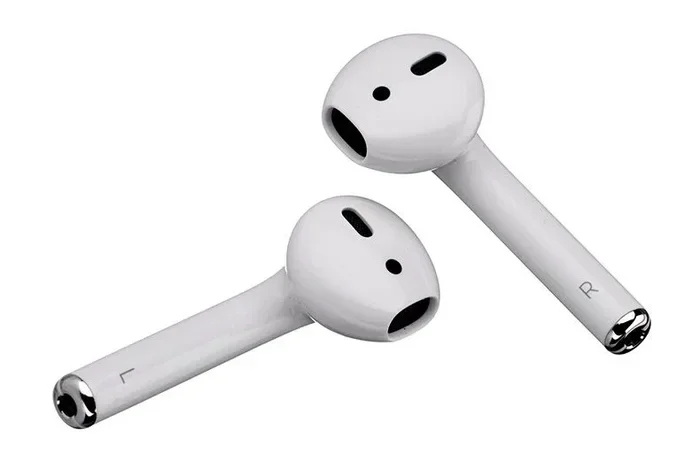
Featured image for First generation AirPods on white background
Image source: cdn.mos.cms.futurecdn.net
AirPods 1 do not have noise cancelling. The first-generation AirPods rely solely on passive noise isolation from their in-ear fit, without active noise cancellation (ANC) technology. If you want noise cancelling, you’ll need to upgrade to AirPods Pro, AirPods Pro 2, or AirPods 4 (with ANC), which feature dedicated microphones and processors to block outside sound.
Ever popped in your original AirPods on a noisy bus and wondered why the world still feels loud? You’re not alone. Millions of people still use AirPods 1 every day, and one of the most common questions is whether these little white earbuds can actually block out noise.
Here’s the straight answer: AirPods 1 do not have noise cancelling. Not even a little bit. They don’t have active noise cancellation (ANC), and they don’t have transparency mode either. What they do have is a basic physical fit that blocks some sound—just like putting your fingers in your ears. That’s called passive noise isolation, and it’s much weaker than true noise cancelling.
In this guide, we’ll break down exactly what AirPods 1 can and can’t do. You’ll learn the difference between active and passive noise blocking, why Apple left this feature out of the first generation, and what your options are if you really want to silence the world around you.
Key Takeaways
- No ANC hardware: AirPods 1 lack the microphones, chips, and software needed for active noise cancellation.
- Passive isolation only: The original AirPods only block noise through their physical fit, not electronic processing.
- Released in 2016: AirPods 1 launched on December 13, 2016, three years before Apple introduced ANC with AirPods Pro.
- Transparency mode unavailable: AirPods 1 can’t offer Transparency mode, since that feature depends on ANC hardware.
- Software can’t add ANC: No iOS update can install noise cancelling into AirPods 1—it’s a hardware limitation.
- Alternatives exist: You can pair AirPods 1 with a noise-cancelling app or upgrade to a newer model for true ANC.
- Still great for calls: AirPods 1 remain excellent for music and calls—they just don’t block ambient noise electronically.
📑 Table of Contents
- What “Noise Cancelling” Actually Means (And Why It Matters)
- Do AirPods 1 Have Noise Cancelling? The Direct Answer
- Why Don’t AirPods 1 Have Noise Cancelling?
- AirPods 1 vs. AirPods With Noise Cancelling: A Comparison
- How to Maximize Noise Reduction With AirPods 1
- Who Should Buy AirPods 1 Today?
- Common Misconceptions About AirPods 1 and Noise Cancelling
- The Future of AirPods and Noise Cancelling
- Final Verdict: Should You Buy AirPods 1?
What “Noise Cancelling” Actually Means (And Why It Matters)
Before we dive into AirPods 1 specifically, let’s clear up some common confusion. When people say “noise cancelling,” they usually mean one of two things—and they’re very different.
Active Noise Cancellation (ANC)
Active noise cancellation is the fancy, high-tech kind. Tiny microphones on the earbuds listen to the sounds around you—airplane engines, traffic, air conditioners, chatter. The earbuds then create a mirror-image sound wave that cancels out the noise. Think of it like two waves crashing into each other and canceling out, leaving silence.
This is the same tech used in expensive headphones from Bose, Sony, and Apple. It requires special hardware: extra microphones, a powerful processor, and software that processes sound 48,000 times per second (or more). All of that takes battery power and adds cost.
Passive Noise Isolation
Passive noise isolation is just the physical blocking of sound. When you put earbuds in your ears, they create a seal that keeps some noise out. It’s like closing a door to keep cold air from coming in. The tighter the seal, the more sound gets blocked.
Earbuds with silicone or foam tips (like AirPods Pro) are much better at this than hard plastic earbuds (like AirPods 1). That’s because soft tips mold to the shape of your ear canal, creating a snug fit.
Transparency Mode
Transparency mode is the opposite of noise cancelling. It uses the same microphones as ANC, but instead of canceling noise, it lets outside sound in. This is useful when you need to hear announcements, talk to someone, or stay aware of traffic while walking.
AirPods 1 don’t have transparency mode either, because they lack the microphones and processing power needed for it.
Did You Know? The concept of active noise cancellation was invented in the 1930s by Paul Lueg, who figured out how to use sound waves to cancel out other sounds. But it wasn’t used in headphones until the late 1980s!
Do AirPods 1 Have Noise Cancelling? The Direct Answer
Let’s say it one more time, just to be crystal clear: no, AirPods 1 do not have active noise cancellation. They never did, and they never will through a software update.
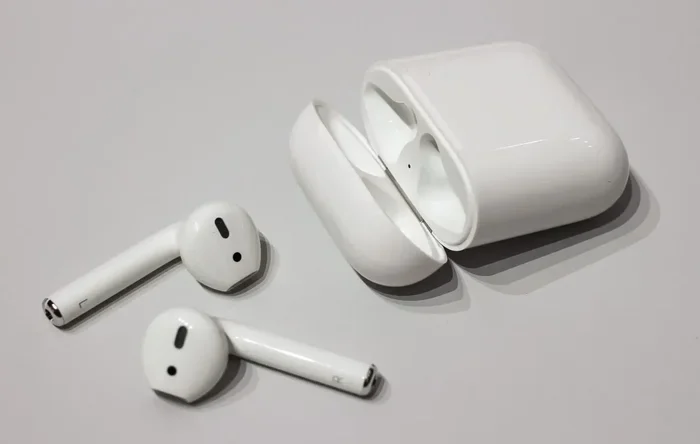
Visual guide about First generation AirPods on white background
Image source: images.lifestyleasia.com
This is a hardware feature, not a software feature. Apple didn’t include the necessary microphones, processors, or chips inside the original AirPods. Even if you update your iPhone to the latest iOS, your AirPods 1 will never gain ANC. It’s like trying to add a turbocharger to a bicycle through a software update—it just won’t work.
What AirPods 1 Do Have
AirPods 1 aren’t completely useless against noise, though. They offer:
- Passive noise isolation: Their hard plastic design blocks a small amount of outside sound, especially higher-pitched noises.
- Decent fit: For many people, AirPods 1 fit securely and stay in place during light activity.
- Good call quality: The built-in microphones pick up your voice clearly during phone calls, even in moderately noisy places.
- Seamless Apple integration: They pair instantly with iPhones, iPads, and Macs.
What AirPods 1 Don’t Have
Here’s what you’re missing out on:
- Active noise cancellation: No electronic processing of sound.
- Transparency mode: No way to amplify outside sounds.
- Adaptive EQ: This feature tunes audio to your ear shape (found on AirPods Pro).
- Spatial Audio: The surround-sound-like feature that debuted in AirPods 3 and Pro.
- Water resistance: AirPods 1 have no official IP rating, so sweat and rain can damage them.
Did You Know? Apple’s first noise-cancelling earbuds were AirPods Pro, released on October 30, 2019—almost three full years after AirPods 1 launched.
Why Don’t AirPods 1 Have Noise Cancelling?
This is a fair question. Apple is one of the richest companies in the world, and they make amazing technology. So why didn’t they put ANC in the first AirPods?
1. They Were Designed for Convenience, Not Silence
When AirPods 1 launched in 2016, they were meant to be simple, easy-to-use wireless earbuds. Apple focused on making them pair instantly with iPhones, sound decent, and last five hours on a charge. Noise cancelling wasn’t on the roadmap because it would have made them bigger, heavier, and more expensive.
2. ANC Technology Wasn’t Small Enough Yet
In 2016, the chips needed for active noise cancellation were too large to fit inside tiny earbuds. Apple had to wait until technology shrank down enough to fit ANC into AirPods Pro. Even now, ANC earbuds are slightly bigger than non-ANC models.
3. Battery Life Would Suffer
Active noise cancellation eats up battery power. AirPods 1 already only lasted 5 hours per charge. Adding ANC would have reduced that to maybe 2-3 hours, which Apple felt was unacceptable.
4. The Fit Wasn’t Right for ANC
ANC works best when earbuds create a tight seal in your ear. AirPods 1 have a hard plastic design that doesn’t seal well—they basically just sit in your ears. Even if Apple had added ANC, it wouldn’t have worked great because of the loose fit.
This is one reason AirPods Pro use silicone tips. The tips create a seal that makes ANC dramatically more effective.
5. Price Point
AirPods 1 launched at $159. Adding ANC would have pushed the price closer to $249 or higher, which was AirPods Pro territory. Apple wanted to offer a more affordable option without ANC.
AirPods 1 vs. AirPods With Noise Cancelling: A Comparison
Let’s look at how AirPods 1 stack up against Apple’s noise-cancelling models. This will help you decide if it’s worth upgrading.
AirPods 1 (2016)
- Noise cancelling: No
- Design: One-size-fits-all hard plastic
- Battery life: 5 hours listening, 2 hours talk time
- Water resistance: None
- Chip: W1
- Price at launch: $159
AirPods Pro (2019)
- Noise cancelling: Yes (Active)
- Design: Silicone tips (three sizes)
- Battery life: 4.5 hours with ANC on
- Water resistance: IPX4
- Chip: H1
- Price at launch: $249
AirPods Pro 2 (2022)
- Noise cancelling: Yes (up to 2x better than original Pro)
- Design: Silicone tips (four sizes including XS)
- Battery life: 6 hours with ANC on
- Water resistance: IPX4
- Chip: H2
- Price at launch: $249
AirPods 4 (2024)
- Noise cancelling: Optional (ANC model available)
- Design: Open-ear design (no silicone tips)
- Battery life: 5 hours (4 hours with ANC)
- Water resistance: IPX4
- Chip: H2
- Price at launch: $129 (standard) / $179 (with ANC)
AirPods Max (2020)
- Noise cancelling: Yes (Premium ANC)
- Design: Over-ear headphones
- Battery life: 20 hours with ANC on
- Water resistance: None
- Chip: H1 (in each ear cup)
- Price at launch: $549
As you can see, if noise cancelling is important to you, you’ll want to skip AirPods 1 and go with at least AirPods Pro or AirPods 4 with ANC.
Did You Know? AirPods Pro 2 use the H2 chip, which processes audio 48,000 times per second to cancel noise. That’s faster than you can blink!
How to Maximize Noise Reduction With AirPods 1
Just because AirPods 1 don’t have ANC doesn’t mean you’re completely out of luck. Here are some tricks to block more noise with your original AirPods.
1. Use Foam Covers or Ear Tips
You can buy silicone or foam covers that slip over your AirPods 1. Brands like EarBuddy and CharJenPro make affordable options. These create a better seal in your ear and block more noise. They won’t give you ANC, but they can boost passive isolation by 30-50%.
2. Try Noise-Cancelling Apps
Apps like “Noise Cancelling” and “White Noise” play sounds that mask outside noise. They’re not the same as ANC, but they can help drown out distractions. Some apps also play nature sounds, which many people find calming.
3. Crank Up the Volume
Turning up your music can help drown out background noise—but be careful. Listening at high volumes for long periods can damage your hearing. Experts recommend keeping volume below 60% for extended listening.
4. Use the Right Ear Tips (If You Have AirPods Pro)
If you do have AirPods Pro, make sure you’re using the right size silicone tips. Apple includes three or four sizes in the box. Try each one and pick the size that creates the best seal. You can run the “Ear Tip Fit Test” in iOS Settings to check.
5. Pair With Airplane Mode
This is a weird trick, but turning on airplane mode stops your phone from making notification sounds and cellular interference. It won’t cancel noise, but it makes your listening experience cleaner and more focused.
6. Block Noise at the Source
If you’re trying to work in a noisy cafe, try sitting in a corner or using a wall as a barrier. Sounds strange, but walls reflect and absorb sound waves. Sitting near a wall can reduce noise by 10-20%.
Who Should Buy AirPods 1 Today?
AirPods 1 are no longer sold by Apple, but you can still find them used or refurbished. Here’s who might want them—and who should look elsewhere.
AirPods 1 Are Good For:
- Budget shoppers: You can find used AirPods 1 for $30-$50, which is a steal.
- Casual listeners: If you just want earbuds for walks, light music, or podcasts, AirPods 1 work fine.
- Backup earbuds: Keep them in your bag as a backup in case your main earbuds die.
- Kids or teens: For younger users who might lose expensive earbuds, AirPods 1 are a low-risk choice.
- Apple Watch users: They pair instantly and reliably with Apple products.
AirPods 1 Are Not Good For:
- Frequent flyers: Without ANC, airplane noise will drown out your music.
- Office workers in noisy environments: Coworkers’ chatter will leak through.
- Gym-goers: No water resistance means sweat can damage them.
- Commuters on loud transit: Buses, trains, and subways are too noisy without ANC.
- Anyone wanting modern features: No spatial audio, no ANC, no transparency mode.
Better Alternatives to Consider
If noise cancelling is on your wishlist, here are some great options:
- AirPods 4 with ANC ($179): The cheapest Apple earbuds with active noise cancellation.
- AirPods Pro 2 ($249): The gold standard for Apple users who want ANC.
- AirPods Max ($549): Premium over-ear headphones with the best ANC Apple offers.
- Beats Studio Buds+ ($169): Great ANC at a lower price, works with both Apple and Android.
- Sony WF-1000XM5 ($299): Arguably the best noise cancelling earbuds on the market.
- Bose QuietComfort Ultra Earbuds ($299): Excellent ANC with rich sound quality.
Common Misconceptions About AirPods 1 and Noise Cancelling
There are a lot of myths floating around about AirPods 1 and noise cancelling. Let’s clear up the most common ones.
Myth 1: “A Software Update Can Add Noise Cancelling”
This is the biggest myth. No software update, iOS version, or firmware tweak can add active noise cancellation to AirPods 1. The hardware simply doesn’t exist. It’s like trying to install a camera on a laptop that doesn’t have one—no amount of software will fix that.
Myth 2: “AirPods 1 Block Noise as Well as AirPods Pro”
Not even close. AirPods Pro use silicone tips and ANC to block dramatically more noise. In fact, AirPods Pro block about 2-3 times more noise than AirPods 1 in typical environments.
Myth 3: “AirPods 1 Are Great for Airplane Travel”
They’re actually one of the worst choices for flying. Without ANC, you’ll hear the engine drone loudly, and you’ll likely crank up the volume to unsafe levels to compensate.
Myth 4: “All Apple Earbuds Have Noise Cancelling”
Nope. AirPods 1, AirPods 2, AirPods 3, and the basic AirPods 4 do NOT have ANC. Only AirPods Pro, AirPods Pro 2, AirPods 4 with ANC, and AirPods Max have active noise cancellation.
Myth 5: “Noise Cancelling Damages Your Hearing”
It’s actually the opposite. ANC lets you listen at lower volumes because it blocks outside noise. This protects your hearing over time. The only risk is if you use transparency mode in very loud environments for long periods.
Myth 6: “AirPods 1 Are Obsolete”
While they lack modern features, AirPods 1 still work perfectly for basic listening, calls, and podcasts. They’re not obsolete—they’re just a basic product.
Did You Know? According to the World Health Organization, over 1 billion young people worldwide are at risk of hearing loss from loud music. ANC helps reduce this risk by letting you listen at safer volumes.
The Future of AirPods and Noise Cancelling
Apple is investing heavily in noise cancellation technology. Here’s what’s coming down the pipeline.
Adaptive Audio
Newer AirPods can automatically adjust noise cancellation based on your environment. Walking into a noisy cafe? ANC kicks in. Stepping outside? Transparency mode activates. AirPods 1 can’t do this, but newer models handle it seamlessly.
Conversation Awareness
This cool feature detects when you start talking and automatically lowers your music volume. It’s like having a personal assistant who knows when you want to chat. Only AirPods Pro 2 and AirPods 4 with ANC have this feature.
Better H Chips
Apple’s H2 chip (in AirPods Pro 2 and AirPods 4) processes sound much faster than the H1 chip in older models. Future chips will likely be even more powerful, enabling better ANC and smarter features.
Health Features
Apple is rumored to be adding health sensors to future AirPods, like heart rate monitors and temperature sensors. These features won’t come to AirPods 1, but newer models may include them.
Final Verdict: Should You Buy AirPods 1?
So, do AirPods 1 have noise cancelling? No, they don’t. But that doesn’t mean they’re worthless.
If you’re on a tight budget and just want basic wireless earbuds for music and calls, AirPods 1 are still a solid choice—especially if you can find them used for $30-$50. They sound good, pair easily with Apple devices, and last about 5 hours per charge.
But if noise cancelling matters to you—and let’s be honest, it matters to almost everyone—you should save up for AirPods Pro 2 or AirPods 4 with ANC. These models deliver true silence in noisy environments, plus extra features like transparency mode and spatial audio.
The bottom line: AirPods 1 are entry-level earbuds from 2016. They lack modern features like ANC, but they remain a decent budget option for casual use. If you can afford better, upgrade. If you can’t, AirPods 1 still get the job done.
Whatever you choose, enjoy your music—and maybe invest in some foam ear tips if you’re sticking with AirPods 1. They’ll help block more noise, even without ANC!
Frequently Asked Questions
Do AirPods 1 have active noise cancelling?
No, AirPods 1 do not have active noise cancelling. They were released in 2016 and lack the microphones and processors needed for ANC. Only AirPods Pro, AirPods Pro 2, AirPods 4 with ANC, and AirPods Max have active noise cancellation.
Can I add noise cancelling to AirPods 1 with a software update?
No, you cannot add noise cancelling to AirPods 1 through software. ANC is a hardware feature that requires specific microphones and processors inside the earbuds. No iOS update can install this hardware, so AirPods 1 will never have ANC.
Do AirPods 1 block any noise at all?
Yes, AirPods 1 provide passive noise isolation. Their physical fit blocks a little outside sound, but much less than silicone-tipped earbuds like AirPods Pro. Adding foam or silicone covers can improve this passive isolation.
Which AirPods have noise cancelling?
AirPods with active noise cancellation include AirPods Pro (2019), AirPods Pro 2 (2022), AirPods 4 with ANC (2024), and AirPods Max (2020). Standard AirPods 1, 2, 3, and basic AirPods 4 do not have ANC.
Are AirPods 1 still worth buying in 2024?
AirPods 1 can be worth it if found cheaply used (around $30-$50) for basic listening. However, for the money, AirPods 4 with ANC offer much better value with modern features like noise cancellation, spatial audio, and water resistance.
What’s the cheapest Apple earbuds with noise cancelling?
The cheapest Apple earbuds with active noise cancellation are AirPods 4 with ANC, priced at $179 as of 2024. They offer solid ANC in an open-ear design, though AirPods Pro 2 deliver better noise cancellation for $249.