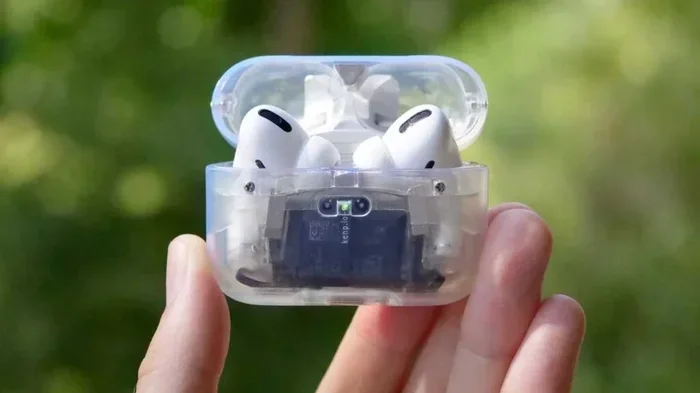
Featured image for AirPods 3 USB-C case
Image source: 3druck.com
Yes, the AirPods third generation feature a USB-C charging case, but only if you purchase the model released in September 2023 or later. The original AirPods 3 launched in 2021 came with a Lightning charging case. Apple made the switch to USB-C to comply with EU regulations and offer better compatibility across devices.
Picture this: you just unboxed your shiny new AirPods 3, only to realize the charging cable doesn’t fit your phone. Frustrating, right? This confusion is more common than you might think, especially since Apple released two different versions of the third-generation AirPods.
The answer to whether AirPods third gen have USB C depends on which version you own or plan to buy. The original AirPods 3 from 2021 came with Apple’s proprietary Lightning connector. However, Apple quietly updated this product in September 2023, swapping the Lightning port for a USB-C port. This change happened quietly because the updates were minor, and Apple simply replaced the older inventory with the new version at most retailers.
Understanding this distinction matters because it affects everything from which cable you need to how you charge your earbuds on the go. In this guide, we’ll break down everything you need to know about USB-C on AirPods 3, including how to identify which version you have, why Apple made the switch, and what it means for your daily listening experience.
Key Takeaways
- Two versions exist: The original AirPods 3 (2021) has a Lightning case, while the 2023 refresh has a USB-C case.
- EU regulation drove the change: Apple’s switch to USB-C was largely due to European Union rules requiring a universal charging port.
- Same audio quality: The USB-C version offers identical sound performance to the Lightning version.
- Faster charging speeds: USB-C enables quicker charging when paired with a compatible cable and power adapter.
- IP54 rating added: The 2023 USB-C AirPods 3 gained improved dust and sweat resistance compared to the original.
- Works with all USB-C devices: You can charge the case using any USB-C cable, including those from Android phones and laptops.
- MagSafe still supported: The USB-C AirPods 3 case retains wireless and MagSafe charging capabilities.
📑 Table of Contents
- Understanding the AirPods 3 Generations
- Why Apple Switched AirPods 3 to USB-C
- How to Identify Which AirPods 3 Version You Have
- Charging Your AirPods 3 with USB-C
- Key Differences Between Lightning and USB-C AirPods 3
- Practical Tips for AirPods 3 USB-C Users
- The Future of AirPods Charging
- Common Questions and Misconceptions
- Final Thoughts
Understanding the AirPods 3 Generations
Before diving into the USB-C question, let’s clarify what we mean by “AirPods third generation.” This term can be confusing because Apple released two distinct models that look nearly identical but feature different charging ports.
The Original AirPods 3 (October 2021)
Apple launched the third-generation AirPods in October 2021 as a middle-ground option between the budget AirPods 2 and the premium AirPods Pro. These earbuds introduced a new design with shorter stems, spatial audio support, and improved battery life. However, they came with a Lightning charging case, which was standard for Apple products at that time.
The original AirPods 3 case featured a small Lightning port on the bottom, similar to what you’d find on an iPhone before the iPhone 15 launch. This meant users needed a Lightning cable or a Qi-compatible wireless charger to power up the case.
The Updated AirPods 3 with USB-C (September 2023)
In September 2023, Apple announced a refreshed version of the AirPods 3 alongside the iPhone 15 series. The main difference? A USB-C charging port replaced the Lightning connector. Apple didn’t make a big deal about this update because the internal components, sound quality, and features remained virtually identical to the original model.
This quiet transition means that if you bought AirPods 3 in late 2023 or later, you almost certainly got the USB-C version. However, some retailers may have sold old Lightning-version stock during the transition period, so it’s worth checking if you purchased yours during that window.
Did You Know?
The AirPods 3 USB-C update was part of Apple’s broader transition away from Lightning connectors. By the end of 2024, Apple had moved most of its product lineup to USB-C, including AirPods Pro 2, the standard AirPods 4, and various iPad models. This shift represents one of the most significant changes to Apple’s accessory ecosystem in over a decade.
Why Apple Switched AirPods 3 to USB-C
The move from Lightning to USB-C wasn’t arbitrary. Several factors drove this decision, with regulatory pressure being the biggest motivator.
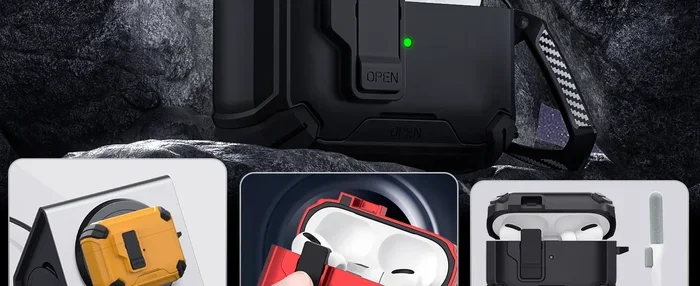
Visual guide about AirPods 3 USB-C case
Image source: m.media-amazon.com
EU Regulations Forced the Change
The European Union passed a directive in 2022 requiring all smartphones, tablets, and headphones sold within EU member states to use USB-C charging by the end of 2024. This regulation aimed to reduce electronic waste by standardizing charging cables across different devices and brands.
Since AirPods qualify as headphones, Apple had to comply. Rather than releasing a separate EU-only model, Apple decided to standardize USB-C globally. This approach simplified manufacturing and ensured that all customers, regardless of location, received the same product.
Improved Cross-Device Compatibility
USB-C has become the universal standard for most consumer electronics. Android phones, laptops, tablets, game consoles, and even some cameras now use USB-C. By adopting this standard, Apple made it easier for users to charge their AirPods using cables they already own.
Imagine traveling and only needing one cable to charge your phone, laptop, and earbuds. That’s the convenience USB-C brings to the AirPods 3 ecosystem. You can even borrow a cable from a friend who uses an Android device without worrying about compatibility issues.
Environmental Considerations
Apple has positioned itself as an environmentally conscious company, and the USB-C transition aligns with these goals. By reducing the number of proprietary cables in circulation, the company hopes to decrease electronic waste. A single USB-C cable can charge multiple devices, meaning fewer cables end up in landfills over time.
How to Identify Which AirPods 3 Version You Have
Knowing whether your AirPods 3 have Lightning or USB-C is essential for buying the right cables and accessories. Here are several ways to determine which version you own.
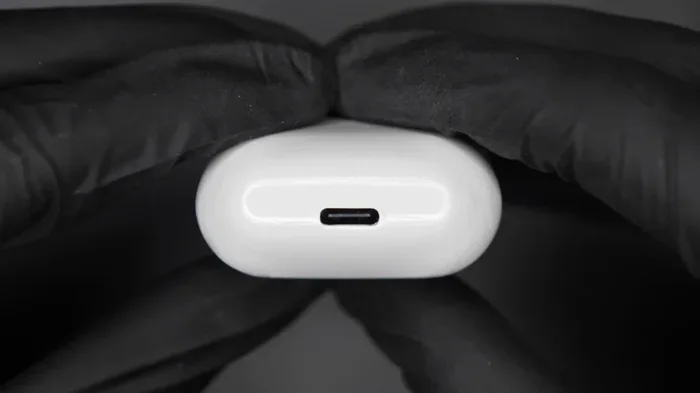
Visual guide about AirPods 3 USB-C case
Image source: 3dprintingindustry.com
Check the Charging Case Physically
The easiest method is to look at the bottom of your charging case. If you see a small, oval-shaped Lightning port, you have the original 2021 version. If you see a slightly larger, rectangular USB-C port, you have the 2023 update.
You can also compare the port size. Lightning ports are thinner and more rounded, while USB-C ports are wider and have a more rectangular shape with rounded edges. This visual difference is obvious once you know what to look for.
Look Up Your Serial Number
Every Apple product has a unique serial number that reveals manufacturing details. You can find this number on the AirPods case (inside the lid) or on the original packaging. Once you have the serial number, visit Apple’s coverage check website and enter it. The page will display your model number and other details.
AirPods 3 with Lightning use model numbers A2564 or A2565, while the USB-C version uses A2700 or A2700. Knowing these codes helps you identify your exact version, especially when buying replacement cases or troubleshooting issues.
Check Your iPhone or iPad Settings
If you connect your AirPods to an Apple device, you can find version information in the settings menu. Go to Settings, then tap your AirPods name when connected. The model number and firmware version appear here, giving you another way to confirm which version you own.
Charging Your AirPods 3 with USB-C
Charging the USB-C AirPods 3 is straightforward, but a few tips can help you get the best experience.
What Cables Work with AirPods 3 USB-C?
The AirPods 3 USB-C case works with any standard USB-C cable. This includes cables that come with most modern Android phones, iPads, MacBooks, and third-party accessories. You don’t need an Apple-branded cable; any certified USB-C cable will do the job.
However, cable quality matters. Cheap, uncertified cables might charge slowly or not at all. Look for cables that support USB-C Power Delivery (PD) for optimal charging speeds. Apple includes a USB-C cable in the box, so you have a reliable option right out of the package.
Wireless Charging Still Works
One misconception is that the USB-C AirPods 3 lost wireless charging capabilities. This isn’t true. The 2023 model still supports Qi wireless charging and MagSafe charging, just like the original. You can place the case on any compatible wireless charger, and it will power up without needing a cable.
This dual charging capability gives you flexibility. Use wireless charging at your desk and USB-C charging when traveling. Both methods work seamlessly, and you can switch between them based on convenience.
Charging Speed Comparison
Did you know that USB-C can charge your AirPods case faster than Lightning when using a compatible power adapter? With a 20W or higher USB-C power adapter, you can fully charge the AirPods 3 case in about an hour. The original Lightning version typically took slightly longer due to older charging standards.
The AirPods themselves charge quickly inside the case. Just five minutes in the case provides around one hour of listening time, making USB-C charging convenient for quick top-ups before heading out the door.
Key Differences Between Lightning and USB-C AirPods 3
While the two AirPods 3 versions look similar, several differences might influence your purchasing decision.
Improved Durability (IP54 Rating)
The 2023 USB-C AirPods 3 gained an IP54 rating for dust and sweat resistance, an upgrade from the IPX4 rating on the original model. The “5” in IP54 means the case and earbuds are protected against dust ingress, though not completely dust-tight. This improvement makes the newer version more resilient during workouts or outdoor activities.
If you frequently use your AirPods at the gym or while running, the USB-C version offers better protection against environmental factors. The original Lightning version was water-resistant but lacked dust protection.
Same Audio Performance
Both AirPods 3 versions deliver identical audio quality. The custom driver, amplifier, and acoustic design remained unchanged between the two releases. You’ll get the same spatial audio support, adaptive EQ, and sound profile regardless of which version you own.
This consistency means upgrading from Lightning to USB-C won’t improve your listening experience in terms of sound quality. The change is purely about convenience and future-proofing rather than performance gains.
Price Point Considerations
When both versions were available, Apple sold them at the same price. However, since the USB-C version replaced the Lightning version entirely, you’ll only find the newer model at most retailers today. If you find a Lightning version at a discounted price from a third-party seller, consider whether the savings outweigh the convenience of having USB-C.
Practical Tips for AirPods 3 USB-C Users
Now that you understand the basics, here are some practical tips to maximize your AirPods 3 USB-C experience.
Tip 1: Invest in a Quality USB-C Cable
A good USB-C cable makes a noticeable difference in charging reliability. Look for cables from reputable brands like Anker, Belkin, or Apple’s own USB-C cables. Avoid no-name cables that might damage your charging case or charge inconsistently.
Tip 2: Use a Multi-Port Charger
If you own multiple USB-C devices, a multi-port charger lets you power everything simultaneously. This setup is perfect for nightstands or desks where you charge your phone, AirPods, and laptop overnight.
Tip 3: Keep a Spare USB-C Cable at Work
Since most modern workplaces have USB-C cables lying around for laptops and other devices, keeping a spare at your desk ensures you can top up your AirPods whenever needed. You won’t need to carry a dedicated cable with you.
Tip 4: Take Advantage of Wireless Charging
Even with USB-C, wireless charging remains a convenient option. Place your AirPods case on a wireless charger during work or while sleeping, and grab them fully charged in the morning. This reduces wear on the USB-C port over time.
Tip 5: Monitor Battery Health
Like all lithium-ion batteries, AirPods batteries degrade over time. Avoid letting the case fully drain to zero percent regularly, as this can shorten battery lifespan. Charging between 20% and 80% when possible helps maintain long-term battery health.
The Future of AirPods Charging
Apple’s transition to USB-C represents a significant shift, but the question remains: what’s next?
Will Apple Ever Go Portless?
Some tech enthusiasts speculate that Apple might eventually remove charging ports entirely from AirPods, relying solely on wireless charging. While this isn’t happening soon, Apple’s exploration of portless iPhones suggests this direction is possible in the distant future.
For now, USB-C remains the standard, and your AirPods 3 will work with this connector for years to come. The EU mandate ensures USB-C stays relevant through at least 2027, giving you plenty of time with your current charging setup.
Compatibility with Future Apple Products
As Apple continues transitioning its ecosystem to USB-C, your AirPods 3 will integrate seamlessly with future iPhones, iPads, and Macs. This forward compatibility protects your investment and ensures you won’t need adapters or special cables for the foreseeable future.
Did You Know? Apple’s entire iPhone lineup switched to USB-C with the iPhone 15 release in September 2023. This means AirPods 3 with USB-C now share the same charging cable as modern iPhones, creating a unified charging experience across Apple’s product family.
Common Questions and Misconceptions
Let’s address some frequent questions and clear up misconceptions about AirPods 3 USB-C charging.
Myth: USB-C AirPods Charge Faster Than Lightning
The truth is more nuanced. USB-C cables can support faster charging when paired with high-wattage power adapters. However, the AirPods 3 case doesn’t draw significant power, so the difference in charging speed between Lightning and USB-C is minimal for this specific product.
Myth: You Need an Apple USB-C Cable
Any certified USB-C cable works with AirPods 3. Apple’s cable is just one option among many. Third-party cables that meet USB-C standards perform identically and often cost less.
Myth: USB-C AirPods Are Waterproof
The IP54 rating means the AirPods 3 USB-C are dust-protected and water-resistant, not waterproof. They can handle sweat and light rain but shouldn’t be submerged in water. Treating them as waterproof could damage the internal components.
Final Thoughts
The question “does AirPods third gen have USB C” has a clear answer: yes, if you purchased the model released in September 2023 or later. The original AirPods 3 from 2021 still feature a Lightning port, but Apple has since replaced that version with the USB-C alternative.
This transition reflects broader industry changes driven by EU regulations, environmental concerns, and consumer demand for universal compatibility. Whether you’re buying new AirPods or trying to identify which version you already own, understanding the Lightning versus USB-C distinction helps you make informed decisions about cables, accessories, and future purchases.
The USB-C AirPods 3 offer the same excellent audio quality as the Lightning version while providing better compatibility with modern devices. Combined with improved dust resistance and continued wireless charging support, they represent a thoughtful evolution of an already popular product. As USB-C becomes the universal standard across consumer electronics, your AirPods 3 will remain a versatile and convenient part of your daily tech ecosystem for years to come.