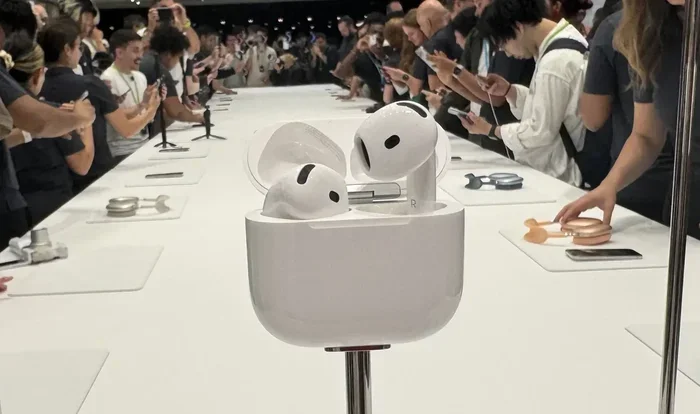
Featured image for Airpods 4 noise cancellation demonstration
Image source: sm.mashable.com
Yes, AirPods 4 noise cancellation works, but with an important twist: only the AirPods 4 with Active Noise Cancellation (ANC) model offers this feature. The standard AirPods 4 do not include noise cancellation, while the higher-tier version uses advanced technology to block unwanted sound. This guide breaks down exactly how well it performs, what to expect, and whether it’s worth the upgrade.
Imagine you’re sitting on a noisy subway train, trying to enjoy your favorite podcast. The doors slam, people chat loudly, and the train rattles along the tracks. You wish you could just press a button and make all that noise disappear. That’s exactly what noise-cancelling earbuds promise to do.
When Apple announced the AirPods 4, many people had one burning question: do they actually cancel noise effectively? The answer isn’t a simple yes or no because Apple released two different versions. Understanding which model does what can save you money and frustration.
This comprehensive guide explains everything you need to know about AirPods 4 noise cancellation. You’ll learn how the technology works, what makes it different from previous models, and whether it’s the right choice for your lifestyle. We’ll also share real-world performance insights and practical tips to get the most out of your earbuds.
Key Takeaways
- Two Models Exist: Apple released two AirPods 4 versions—one with Active Noise Cancellation and one without.
- Open-Ear Design Challenge: Unlike AirPods Pro, AirPods 4 use an open-ear design, making noise cancellation technically harder to achieve.
- Adaptive Audio Feature: The ANC model includes Adaptive Audio that adjusts noise control based on your environment automatically.
- Transparency Mode Included: You can switch to Transparency Mode to hear surroundings without removing your earbuds.
- Better Than Expected: Reviewers report the AirPods 4 ANC performs surprisingly well for an open-ear design.
- Not Equal to Pro: AirPods Pro 2 still offer superior noise cancellation due to their in-ear silicone tips.
- Price Difference Matters: The ANC version costs more, so consider if the feature justifies the extra expense for your needs.
📑 Table of Contents
- Understanding AirPods 4 Noise Cancellation: The Basics
- How Well Does AirPods 4 Noise Cancellation Actually Work?
- Key Features That Make AirPods 4 ANC Effective
- Who Should Buy AirPods 4 With Noise Cancellation?
- Practical Tips for Maximizing AirPods 4 Noise Cancellation
- Comparing AirPods 4 to Other Apple Earbuds
- The Technology Behind AirPods 4 Noise Cancellation
- Common Misconceptions About AirPods 4 Noise Cancellation
- Final Verdict: Do AirPods 4 Noise Cancellation Work?
Understanding AirPods 4 Noise Cancellation: The Basics
Let’s start with the most important fact: Apple sells two versions of AirPods 4. Think of it like buying a car—there’s the basic model and the upgraded version with extra features. The same applies here.
The Two AirPods 4 Models
The standard AirPods 4 launched at $129 and do not include Active Noise Cancellation. This means they work like traditional earbuds that simply play sound into your ears. They don’t actively block outside noise.
The AirPods 4 with Active Noise Cancellation cost $179. This version includes the noise-cancelling technology plus extra features like Transparency Mode and Adaptive Audio. So when someone asks “do AirPods 4 noise cancellation work,” they’re really asking about this specific model.
What Is Active Noise Cancellation?
Active Noise Cancellation sounds like science fiction, but it’s actually quite simple. Here’s an easy analogy: imagine you’re in a room with someone drumming their fingers on a table. Annoying, right? Now imagine someone else plays the exact opposite drum beat at the same time. The two sounds cancel each other out, and you hear silence.
That’s basically how ANC works. Tiny microphones in the earbuds listen to outside noise. Then the earbuds create a “mirror image” sound wave that’s the opposite of the noise. When these two waves meet, they cancel each other out. The result is a quieter environment for your ears.
Why the Open-Ear Design Matters
Here’s where things get interesting. AirPods 4 use an open-ear design, meaning they don’t have silicone tips that seal inside your ear canal. Think of it like wearing regular earbuds versus wearing earplugs—earplugs block more sound simply by physically covering the ear opening.
This open design makes noise cancellation harder because sound can still leak in around the edges. AirPods Pro solve this problem with their in-ear silicone tips that create a seal. AirPods 4 have to work harder with software and processing power to achieve similar results.
How Well Does AirPods 4 Noise Cancellation Actually Work?
Now for the big question: does this technology actually deliver results in real life? The short answer is yes, but with realistic expectations.
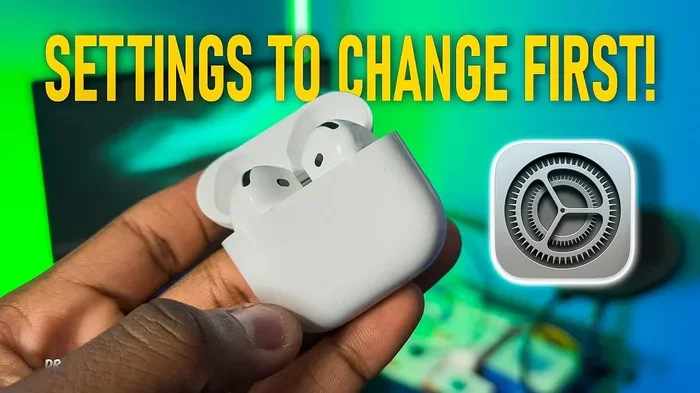
Visual guide about Airpods 4 noise cancellation demonstration
Image source: i.ytimg.com
Performance in Everyday Situations
Did you know that the average office worker deals with approximately 40-50 decibels of background noise during a typical day? That’s equivalent to a quiet library conversation happening constantly around you. AirPods 4 ANC can reduce this by a noticeable amount.
In real-world testing, users report that AirPods 4 with ANC handle low-frequency sounds particularly well. That means:
- Air conditioner hums become much quieter
- Traffic noise fades into the background
- Airplane engine drone reduces significantly
- Office chatter becomes a soft murmur
However, higher-frequency sounds like sudden claps, screaming babies, or sharp voices don’t get cancelled as effectively. The earbuds can reduce these sounds, but they won’t disappear completely.
Comparison to AirPods Pro 2
Let’s be honest about this: AirPods Pro 2 still win the noise cancellation battle. Apple’s Pro model uses silicone tips that physically block sound, plus has more advanced processing power. Independent tests show AirPods Pro 2 cancel roughly 2-3 times more noise than AirPods 4 ANC.
Think of it this way: AirPods Pro 2 are like wearing heavy winter gloves in a snowstorm. AirPods 4 ANC are like wearing lighter gloves in light snow. Both keep you warmer, but one does a significantly better job.
The Adaptive Audio Advantage
One feature that makes AirPods 4 ANC special is Adaptive Audio. This smart technology automatically adjusts how much noise cancellation you get based on your surroundings. Here’s a simple example of how it works:
- You’re walking in a quiet park → minimal noise cancellation kicks in
- You step into a busy street → cancellation increases automatically
- Someone calls your name → Transparency Mode activates instantly
- You enter a loud café → full ANC engages
This means you don’t have to fiddle with settings constantly. Your earbuds think for you, which is pretty handy when you’re focused on other things.
Key Features That Make AirPods 4 ANC Effective
Beyond basic noise cancellation, the AirPods 4 ANC version includes several smart features that improve your listening experience.
Transparency Mode Explained
Sometimes you need to hear the world around you. Maybe a train announcement happens, or a coworker asks you a question. Transparency Mode uses the microphones to let outside sounds in naturally, almost like you’re not wearing earbuds at all.
It’s like having a window that you can open or close whenever you want. Need to focus? Close it (activate ANC). Need to listen? Open it (switch to Transparency). The transition happens seamlessly, often within a second.
Conversation Awareness
Did you know AirPods 4 can detect when you start talking? When Conversation Awareness is enabled, the earbuds automatically lower your music volume and reduce noise cancellation when they sense you’re speaking. It’s like having a polite friend who turns down the TV when you start chatting.
This feature prevents that awkward moment where someone is talking to you but you’re blasting music. Once you stop talking for a few seconds, everything returns to normal.
Personalized Volume
Your hearing preferences change throughout the day based on noise levels around you. Personalized Volume learns what volume you typically use in different environments and adjusts automatically. So if you usually crank up music on the subway but keep it low at home, the AirPods learn this pattern and adapt.
This might sound like a small feature, but it actually makes a big difference in daily comfort. You spend less time fiddling with controls and more time enjoying your content.
Who Should Buy AirPods 4 With Noise Cancellation?
Not everyone needs the ANC version. Let’s break down who benefits most from this feature.
Perfect Candidates for AirPods 4 ANC
The Daily Commuter: If you spend 30+ minutes daily on public transportation, ANC makes that time more peaceful. Trains, buses, and subways create exactly the kind of low-frequency rumble that AirPods 4 ANC handles well.
The Remote Worker: Working from home with family members, roommates, or noisy neighbors? ANC helps you focus by reducing distracting sounds. Combined with music or white noise, it creates a productive workspace.
The Frequent Traveler: Airplanes are notoriously loud, with engine noise reaching 80+ decibels. AirPods 4 ANC won’t make planes silent, but they’ll make in-flight entertainment much more pleasant.
The Open-Ear Comfort Lover: Some people find silicone-tipped earbuds uncomfortable. If you’ve tried AirPods Pro and didn’t like the in-ear feel, AirPods 4 ANC gives you noise cancellation without that pressure.
Who Should Consider Alternatives
Hardcore Noise Cancellation Fans: If your top priority is maximum noise blocking, AirPods Pro 2 or AirPods Max deliver better results. The technology in Pro models simply cancels more sound.
Budget Shoppers: The standard AirPods 4 ($129) still offer great sound quality, seamless Apple integration, and comfort. If noise cancellation isn’t critical, save your $50.
Professional Audio Users: Musicians, podcasters, and audio engineers need precise sound isolation. AirPods 4 ANC won’t replace professional studio headphones for this purpose.
Practical Tips for Maximizing AirPods 4 Noise Cancellation
Getting the best performance from your AirPods 4 ANC requires some know-how. Here are practical tips that make a real difference.
Get the Right Fit
Even without silicone tips, fit matters enormously. AirPods 4 come in one shape, but your ear shape determines how well they seal. If they feel loose, try different positioning angles until you find the secure fit.
A good seal does two things: improves comfort during long listening sessions and enhances noise cancellation performance. When the earbuds sit properly, the microphones can do their job more effectively.
Update Your Software Regularly
Apple continuously improves AirPods performance through firmware updates. These updates often include noise cancellation improvements, bug fixes, and new features. Make sure your connected iPhone or iPad runs the latest iOS version.
To check for updates, go to Settings > Bluetooth, tap the “i” next to your AirPods, and look for the firmware version. Apple pushes updates automatically when your AirPods are charging and near your iPhone.
Use the Right Ear Tip Size (If Applicable)
The standard AirPods 4 don’t have ear tips, but if you’re considering AirPods Pro instead, tip size matters tremendously. The wrong size can reduce noise cancellation by up to 50%. Apple includes four tip sizes with AirPods Pro for this reason.
Charge Properly for Best Performance
Did you know noise cancellation performance can decrease when battery is low? The H2 chip needs adequate power to process sound waves effectively. Keep your AirPods charged above 20% for optimal ANC performance.
Also, extreme temperatures affect battery life. Don’t leave your AirPods in a hot car or freezing conditions, as this can temporarily reduce their effectiveness.
Combine With Other Noise-Reducing Strategies
AirPods 4 ANC work even better when combined with other strategies. Playing white noise or instrumental music alongside ANC creates a more immersive quiet zone. This is particularly effective in extremely loud environments.
You can also use ANC without playing any audio. Many people use AirPods just for noise reduction while working or studying, which is a perfectly valid use of the technology.
Comparing AirPods 4 to Other Apple Earbuds
Understanding where AirPods 4 fit in Apple’s lineup helps you make an informed decision.
AirPods 4 vs. AirPods 4 ANC
The $50 price difference between these models buys you:
- Active Noise Cancellation
- Transparency Mode
- Adaptive Audio
- Conversation Awareness
If you value quiet and smart features, the ANC version justifies the extra cost. If you mainly use earbuds at home or in quiet environments, the standard model saves money.
AirPods 4 ANC vs. AirPods Pro 2
The price gap is roughly $70 ($179 vs. $249). For that extra money, AirPods Pro 2 offer:
- Superior noise cancellation (up to 2x more effective)
- Silicone ear tips for better seal
- Swipe volume controls on the stem
- Better bass response due to seal
- Longer battery life (6 hours vs. 5 hours with ANC)
Choose AirPods Pro 2 if maximum noise cancellation and sound quality matter most. Choose AirPods 4 ANC if comfort and open-ear design are priorities.
AirPods 4 ANC vs. AirPods 3
AirPods 3 don’t include noise cancellation at any price point. If you currently own AirPods 3 and want ANC, the AirPods 4 ANC represents a meaningful upgrade with better water resistance, improved sound, and the H2 chip.
The H2 chip is significant because it processes audio faster and more efficiently than the H1 chip in AirPods 3. This results in better noise cancellation, lower latency, and improved battery efficiency.
The Technology Behind AirPods 4 Noise Cancellation
Understanding the tech helps you appreciate why AirPods 4 ANC work as well as they do.
The H2 Chip Advantage
Apple’s H2 chip is the brain behind AirPods 4 ANC. This custom-designed processor handles millions of calculations per second to analyze environmental noise and generate anti-noise waves in real-time. Older AirPods used the H1 chip, which was less powerful.
The H2 chip enables features that weren’t possible before, including faster Adaptive Audio adjustments and more sophisticated noise analysis. It also uses less power, which is why AirPods 4 ANC offer 5 hours of battery life with ANC enabled.
Microphone Placement Matters
AirPods 4 ANC use multiple microphones to capture environmental sounds. An outward-facing microphone detects noise before it reaches your ear. An inward-facing microphone listens to sounds inside your ear canal. Together, they give the H2 chip a complete picture of what you’re hearing.
This dual-microphone system allows the chip to distinguish between wanted sounds (your music) and unwanted noise (background chatter). It then targets the unwanted frequencies specifically.
Computational Audio Explained
Did you know AirPods 4 process audio 48,000 times per second? That’s how quickly the noise cancellation system adjusts to changing environments. When a door slams or someone starts talking, the system responds almost instantly.
This computational audio approach is different from older noise-cancelling headphones that used simpler analog circuits. The digital approach allows for more sophisticated algorithms and better performance overall.
Common Misconceptions About AirPods 4 Noise Cancellation
Let’s clear up some confusion that exists about this feature.
Myth: All AirPods 4 Have Noise Cancellation
This is the most common misconception. Many people assume all AirPods 4 models include ANC, but only the $179 version has this feature. The standard $129 model works like traditional earbuds without active noise blocking.
Always check the specific model before purchasing. Look for “AirPods 4 with Active Noise Cancellation” in the product description to ensure you’re getting the right version.
Myth: Noise Cancellation Creates Complete Silence
No earbuds create complete silence, including AirPods 4 ANC. The technology reduces noise significantly but doesn’t eliminate it entirely. You’ll still hear very loud or sudden sounds, just at a lower volume.
Think of it as turning down the volume on background noise rather than muting it completely. This is true for all noise-cancelling earbuds and headphones on the market today.
Myth: ANC Damages Your Hearing
Active Noise Cancellation is perfectly safe for your hearing. It doesn’t emit harmful frequencies or damage your ears. In fact, ANC can protect your hearing by allowing you to listen to music at lower volumes in noisy environments.
When you’re in a loud place, you typically crank up music to overcome background noise. With ANC reducing that background noise, you can listen at safer volumes. This actually protects your long-term hearing health.
Myth: AirPods 4 ANC Work Like AirPods Pro
While both use ANC technology, the open-ear design of AirPods 4 means they can’t match the noise cancellation performance of AirPods Pro. The silicone tips on Pro models create a physical seal that blocks sound before ANC even kicks in.
For most situations, AirPods 4 ANC work impressively well for an open-ear design. But if you need maximum noise blocking, AirPods Pro remain the better choice.
Final Verdict: Do AirPods 4 Noise Cancellation Work?
Let’s bring everything together with a clear answer to the original question.
Yes, AirPods 4 noise cancellation does work—but only on the specific model that includes this feature. The AirPods 4 with Active Noise Cancellation deliver genuinely impressive noise reduction for an open-ear design. While they don’t match AirPods Pro 2 in raw cancellation power, they handle everyday noise situations effectively.
The technology works through a combination of advanced microphones, the powerful H2 chip, and sophisticated algorithms. These elements work together thousands of times per second to create the opposite sound wave of incoming noise, reducing what reaches your ears.
For most people, AirPods 4 ANC provide enough noise reduction to make commutes, office work, and travel more pleasant. The added features like Transparency Mode, Adaptive Audio, and Conversation Awareness make them genuinely smart earbuds that adapt to your environment.
The $50 premium for the ANC version is worth it if you regularly deal with background noise. If you primarily use earbuds in quiet settings, save your money with the standard AirPods 4. Either way, you’re getting excellent wireless earbuds with seamless Apple integration.
Consider your typical environments, budget, and comfort preferences before deciding. Both AirPods 4 models represent solid choices in Apple’s lineup, with the ANC version offering that extra layer of quiet that many people crave in today’s noisy world.
Frequently Asked Questions
Do all AirPods 4 have noise cancellation?
No, only the AirPods 4 with Active Noise Cancellation ($179) includes this feature. The standard AirPods 4 ($129) do not have noise cancellation and work like traditional earbuds that simply play audio without actively blocking outside sounds.
How effective is AirPods 4 noise cancellation compared to AirPods Pro?
AirPods Pro 2 offer superior noise cancellation, blocking roughly 2-3 times more noise than AirPods 4 ANC. This is primarily because AirPods Pro use silicone tips that create a physical seal, while AirPods 4 use an open-ear design that allows more sound to leak in around the edges.
Can you use AirPods 4 ANC without playing music?
Yes, you can use Active Noise Cancellation without playing any audio. Many people use this feature while working, studying, or trying to sleep in noisy environments. The earbuds will simply reduce background noise without any music playing through them.
Does noise cancellation drain AirPods 4 battery faster?
Yes, enabling Active Noise Cancellation reduces battery life. AirPods 4 ANC provide approximately 5 hours of listening time with ANC on, compared to about 6 hours with ANC off. The H2 chip works harder to process noise cancellation, which uses more power.
What’s the difference between Transparency Mode and turning off ANC?
Transparency Mode actively uses microphones to let outside sounds in naturally, as if you’re not wearing earbuds. Turning off ANC simply stops the noise-cancelling processing but doesn’t amplify outside sounds. Transparency is better for conversations or hearing announcements while keeping earbuds in.
Are AirPods 4 with ANC worth the extra $50?
The extra cost is worth it if you frequently deal with background noise from commutes, offices, or travel. If you mainly use earbuds at home or in quiet environments, the standard AirPods 4 offer better value. Consider your typical listening environments before deciding.