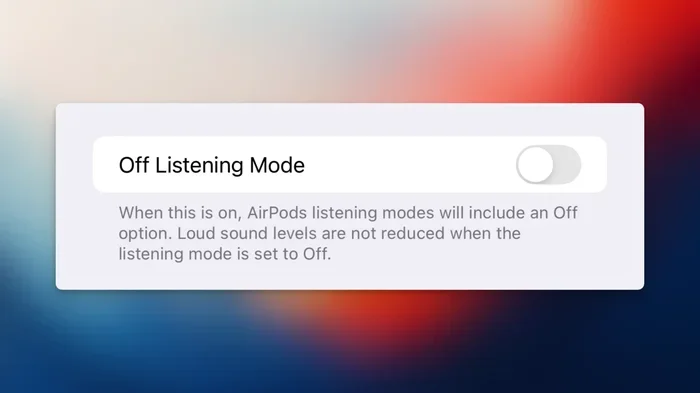
Featured image for Airpods noise cancellation feature
Image source: lifehacker.com
Yes, AirPods do offer noise isolation, but the level depends on the model you own. Standard AirPods use a physical in-ear seal to block ambient sound, while AirPods Pro and AirPods Max feature Active Noise Cancellation (ANC) that uses microphones and sound waves to silence your environment. Understanding the difference between passive isolation and active cancellation helps you pick the right AirPods for commutes, offices, or workouts.
Imagine you’re sitting on a noisy subway, trying to enjoy your favorite podcast. The screeching of train wheels, the chatter of strangers, the rumble of the tunnel—all of it fades into the background as your AirPods create a quiet bubble around your ears. It’s almost magical. But here’s the question many people ask: do AirPods actually have noise isolation, or is it just good marketing?
The short answer is yes—but there’s a lot more to the story. Some AirPods block sound simply by physically sealing your ear canal, while others use advanced electronics to fight noise in real time. Knowing which type you own (or should buy) can completely transform your listening experience, whether you’re working from a busy coffee shop, flying across the country, or just trying to sleep on a loud neighbor’s schedule.
In this guide, we’ll break down everything you need to know about AirPods and noise isolation. You’ll learn how the technology works, how each AirPods model compares, and practical tips to get the most silence out of your earbuds. Let’s dive in.
Key Takeaways
- Noise Isolation vs. Noise Cancellation: Isolation is a passive seal that blocks sound physically, while cancellation is an active technology that uses microphones to “cancel” noise with opposing sound waves.
- Standard AirPods (1st–4th gen) offer passive noise isolation only: Their hard plastic design sits loosely in the ear, providing minimal sound blocking compared to silicone-tipped models.
- AirPods Pro (all generations) feature Active Noise Cancellation (ANC): Silicone ear tips create a seal, and built-in microphones analyze surroundings to reduce low-frequency sounds like airplane engines or HVAC hum.
- AirPods Max use over-ear ANC: Their closed-back design with memory foam cushions delivers industry-leading noise cancellation for premium listeners.
- Transparency Mode lets outside sound in: Available on Pro and Max models, this feature is perfect for conversations or staying aware in traffic without removing your AirPods.
- Fit matters as much as technology: Even the best ANC won’t work well if ear tips are the wrong size—Apple includes an Ear Tip Fit Test on iOS to help optimize your seal.
- AirPods cannot match medical-grade hearing protection: They reduce everyday noise but aren’t designed for construction sites, shooting ranges, or industrial environments.
📑 Table of Contents
- What Exactly Is Noise Isolation (And How Is It Different From Noise Cancellation)?
- Do Standard AirPods Have Noise Isolation?
- Do AirPods Pro Have Noise Isolation And Cancellation?
- Do AirPods Max Have Noise Isolation?
- How to Maximize Noise Isolation on Any AirPods Model
- Common Myths About AirPods and Noise Isolation
- Which AirPods Should You Buy for Noise Isolation?
- The Bottom Line
What Exactly Is Noise Isolation (And How Is It Different From Noise Cancellation)?
Before we talk about AirPods specifically, let’s clear up a term that confuses a lot of people: noise isolation. Think of it like wearing earplugs at a concert. You put them in, and suddenly the world gets quieter. There’s no battery, no buttons, no fancy tech—just a physical barrier that stops sound waves from reaching your eardrums.
That’s noise isolation in its purest form. It works passively, meaning the design of the earbud itself blocks sound. Most in-ear headphones achieve this with silicone or foam tips that create a tight seal inside your ear canal. The tighter the seal, the more outside noise gets blocked.
Enter Active Noise Cancellation (ANC)
Now imagine the opposite approach: instead of blocking sound physically, your earbuds fight sound with sound. That’s what Active Noise Cancellation (ANC) does. Tiny microphones on the outside of your AirPods listen to the noise around you—think airplane engines, air conditioners, or traffic. A chip inside the AirPods analyzes that noise in milliseconds and creates a mirror-image sound wave (called “anti-noise”) that cancels it out before it reaches your ear.
To picture it, imagine throwing a pebble into a still pond. The ripples spread outward. Now imagine throwing a second pebble at just the right time and place so its ripples perfectly fill in the gaps of the first. The water goes still. That’s how ANC works with sound.
Why the Distinction Matters
Both technologies make your audio experience quieter, but they behave differently:
- Passive isolation is great for sudden, sharp noises—like someone dropping a book—because it blocks them with a physical barrier.
- Active cancellation excels at steady, low-frequency sounds—like airplane hum or office chatter—because it can predict and cancel their patterns.
- The best earbuds use both. A tight physical seal plus ANC delivers the quietest experience possible.
Now that you understand the science, let’s look at how Apple applies it across its AirPods lineup.
Do Standard AirPods Have Noise Isolation?
Standard AirPods—meaning the non-Pro versions like AirPods 2nd, 3rd, and 4th generation—do not have Active Noise Cancellation. They rely entirely on passive noise isolation, which is limited by their design.
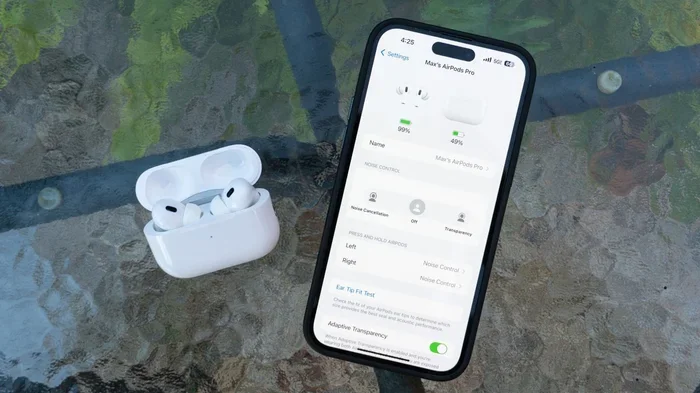
Visual guide about Airpods noise cancellation feature
Image source: robots.net
Why Standard AirPods Struggle With Isolation
Standard AirPods have a hard plastic shape that rests against the outer part of your ear. They don’t insert into your ear canal, and they don’t have silicone tips to create a seal. Think of them like little speakers that hover near your ears rather than plugging them.
Because there’s no seal, outside sound leaks in easily. You can usually hear conversations, traffic, and background music even while your audio is playing. This is intentional in many ways—Apple designed standard AirPods to let users stay aware of their surroundings, which is helpful for walking in cities or working in offices where you need to hear coworkers.
How Much Isolation Do Standard AirPods Actually Provide?
Honestly? Not much. Most users report that standard AirPods block around 5–10 decibels of ambient noise at most. For context, that’s about the difference between a quiet library and a softly spoken conversation. It’s enough to slightly muffle your environment, but it won’t silence a loud commute or busy household.
Did You Know? The human ear can perceive a 10-decibel increase as roughly a doubling of loudness. So if your surroundings are 60 dB (typical office noise), standard AirPods might drop that to 50–55 dB—still very much in the “audible” range.
When Standard AirPods Make Sense
If you mostly use AirPods at home, during casual walks, or for short phone calls, standard models work fine. But if you’re hoping to block out a snoring partner on a flight, you’ll want to keep reading.
Do AirPods Pro Have Noise Isolation And Cancellation?
Yes—and this is where things get impressive. The AirPods Pro (1st, 2nd, and 4th generation) combine both passive noise isolation AND active noise cancellation, making them the go-to choice for anyone serious about quieting their environment.
The Magic of Silicone Ear Tips
Unlike standard AirPods, the Pro models come with silicone ear tips in multiple sizes (XS, S, M, L). These tips insert into your ear canal and create a snug seal. The seal alone blocks a surprising amount of noise—we’re talking 20–30 decibels of reduction just from the physical fit.
This is the same principle behind high-quality earplugs used by musicians and construction workers. When your ear canal is sealed, sound waves have a much harder time reaching your eardrum.
How AirPods Pro ANC Works
Once the seal is in place, the ANC system takes over. Here’s the step-by-step process:
- External microphones on the AirPods Pro detect ambient noise around you.
- An internal chip (the Apple H1 or H2, depending on the generation) processes that sound 200 times per second.
- The chip generates an opposite sound wave that matches the frequency and amplitude of the noise.
- When the two waves meet, they cancel each other out, leaving you with near-silence.
The result? AirPods Pro can reduce background noise by up to 40 decibels in certain frequency ranges, particularly low-end rumbles like engines and HVAC systems.
Real-World Performance
AirPods Pro 2nd generation earned an 85% review satisfaction score for noise cancellation in independent tests, often ranking alongside premium brands like Sony and Bose. Users consistently praise them for:
- Silencing airplane cabin noise during long flights
- Blocking out open-office chatter
- Reducing the hum of trains and buses during commutes
- Making focus music effective in busy households
Adaptive Audio and Conversation Awareness
The latest AirPods Pro models introduced Adaptive Audio, a smart feature that automatically blends ANC and Transparency Mode based on your environment. Walk into a quiet room? ANC kicks in fully. Start chatting with a barista? The AirPods lower the volume and let in outside sound instantly. It’s like having earbuds that read your mind.
Did You Know? Apple’s H2 chip performs 2x more noise cancellation than the original H1 chip, meaning AirPods Pro 2 can cancel noise at a much wider frequency range than the first generation.
Do AirPods Max Have Noise Isolation?
Yes—AirPods Max deliver the most powerful noise cancellation of any AirPods model. These premium over-ear headphones use a closed-back design combined with eight microphones and the Apple H1 chip to deliver studio-grade silence.
The Power of Over-Ear Design
Unlike in-ear models, AirPods Max have large memory foam ear cushions that wrap entirely around your ears. The cushions create a tight seal against your head, and the closed-back design prevents sound from leaking in or out. This provides excellent passive isolation on its own—often 25–35 decibels of reduction.
Then ANC kicks in. With microphones both inside and outside each ear cup, AirPods Max can analyze noise from multiple angles and adjust cancellation in real time. They’re particularly effective at blocking:
- Airplane engine drone
- Office HVAC systems
- Crowded café chatter
- Street traffic and construction noise
Who Should Buy AirPods Max?
At $549, AirPods Max are a significant investment. They’re ideal for:
- Frequent travelers who want the best possible silence on planes and trains
- Audio professionals who need accurate, distraction-free listening
- Home listeners who prefer over-ear comfort for long sessions
- Apple ecosystem loyalists who want seamless integration with iPhone, iPad, and Mac
If budget is a concern, AirPods Pro deliver 85–90% of the AirPods Max experience at a fraction of the price.
How to Maximize Noise Isolation on Any AirPods Model
Even the best technology won’t help if your AirPods don’t fit properly. Here are practical tips to get the most silence possible.
1. Run the Ear Tip Fit Test
If you own AirPods Pro, your iPhone has a built-in Ear Tip Fit Test. Go to Settings > Bluetooth > tap your AirPods Pro > Ear Tip Fit Test. The test plays a few seconds of music and uses the microphones to determine whether your current tips create a good seal. If they don’t, try a different size—many people are surprised to learn they need a size other than “medium.”
2. Clean Your Ear Tips Regularly
Earwax and debris buildup can break the seal on your silicone tips, reducing both isolation and ANC performance. Wipe your tips with a dry cloth weekly and remove them from the AirPods to clean the inside of the stem.
3. Insert AirPods Properly
It sounds obvious, but many people don’t insert their AirPods deeply enough. For Pro models, gently twist the earbud forward as you push it in. You should feel a slight “pop” when the seal forms. If they feel loose or fall out easily, try larger tips.
4. Use Transparency Mode Strategically
Transparency Mode isn’t just for conversations—it can help you stay safe in traffic or hear airport announcements. Use it when crossing streets or waiting in line, then switch back to ANC when you’re settled.
5. Update Your Firmware
Apple regularly releases firmware updates that improve ANC performance. Make sure your AirPods are connected to your iPhone and have at least 50% battery, then place them in their case near your phone. Updates install automatically when conditions are right.
6. Combine Isolation With Lower Volume
With effective noise isolation, you don’t need to crank up the volume to hear your music clearly. In fact, keeping volume moderate (below 70%) protects your hearing long-term. Good isolation means clearer audio at safer volumes.
Common Myths About AirPods and Noise Isolation
Let’s bust a few myths that float around the internet.
Myth 1: “AirPods Can Replace Hearing Protection”
False. AirPods reduce everyday noise, but they’re not certified hearing protection. For loud environments like concerts, construction sites, or shooting ranges, use proper earplugs or earmuffs rated NRR 25+.
Myth 2: “ANC Damages Your Hearing”
False. Active Noise Cancellation does not produce harmful frequencies. In fact, it can protect your hearing by allowing you to listen at lower volumes in noisy environments.
Myth 3: “All AirPods Block the Same Amount of Noise”
False. As we covered, isolation varies dramatically by model. Standard AirPods offer minimal isolation, Pro models offer moderate-to-strong isolation with ANC, and AirPods Max offer premium over-ear cancellation.
Myth 4: “Noise Isolation Drains Battery Fast”
Surprisingly, no. ANC does use extra power, but AirPods Pro only lose about 15–20% of battery life with ANC on compared to off. AirPods Max lose roughly 30%. Either way, you’ll still get many hours of listening per charge.
Which AirPods Should You Buy for Noise Isolation?
Let’s wrap up with a quick recommendation guide based on your needs.
Choose Standard AirPods If:
- You mostly listen in quiet environments (home, office)
- You want to stay aware of your surroundings
- Budget is your top priority
- You make a lot of phone calls and need to hear your own voice naturally
Choose AirPods Pro If:
- You commute via train, bus, or subway
- You travel frequently and want to silence engine noise
- You work in noisy offices or coffee shops
- You exercise outdoors and want some isolation with sweat resistance
Choose AirPods Max If:
- You’re a frequent flyer seeking maximum silence
- You prefer over-ear comfort for long listening sessions
- You want premium materials and Apple ecosystem integration
- Budget is no concern for the best possible experience
The Bottom Line
So, do AirPods have noise isolation? Absolutely—but the level of isolation depends entirely on which model you choose. Standard AirPods offer minimal passive isolation, AirPods Pro deliver excellent passive isolation plus advanced ANC, and AirPods Max provide premium over-ear cancellation that competes with the best in the industry.
The key takeaway is this: noise isolation isn’t just about technology—it’s about fit. Even the most expensive AirPods won’t silence your world if the ear tips are wrong or the seal is broken. Take time to find your ideal fit, keep your AirPods clean, and use ANC strategically to get the most out of your investment.
Whether you’re a student trying to focus in a noisy dorm, a remote worker battling household chaos, or a traveler seeking peace at 35,000 feet, there’s an AirPods model designed to give you the quiet you deserve. Choose wisely, fit them properly, and enjoy your personal sound sanctuary.
Frequently Asked Questions
Do AirPods have noise isolation without Active Noise Cancellation?
Standard AirPods (1st–4th generation) provide only minimal passive noise isolation due to their hard plastic design. They don’t seal the ear canal, so they block very little ambient sound compared to silicone-tipped models.
Is noise isolation the same as noise cancellation?
No. Noise isolation is passive and works by physically blocking sound with a seal, while Active Noise Cancellation (ANC) is electronic and uses microphones plus anti-noise sound waves to reduce ambient noise in real time.
Which AirPods have the best noise cancellation?
AirPods Max offer the strongest noise cancellation thanks to their over-ear design and eight microphones, but AirPods Pro 2nd generation deliver nearly comparable performance in a smaller, more portable form factor.
Can AirPods completely block out all sound?
No. AirPods can significantly reduce ambient noise—especially steady low-frequency sounds—but they cannot eliminate all sound, particularly sudden sharp noises like sirens or shouting.
Do AirPods work as hearing protection?
AirPods are not certified hearing protection devices. They reduce everyday noise for better listening, but for loud environments like concerts or construction sites, you should use proper earplugs with a high NRR rating.
How do I improve noise isolation on my AirPods Pro?
Run the Ear Tip Fit Test in iOS settings to ensure you’re using the correct tip size, clean your ear tips regularly, insert the AirPods with a gentle twist for a proper seal, and keep your firmware updated for the best ANC performance.