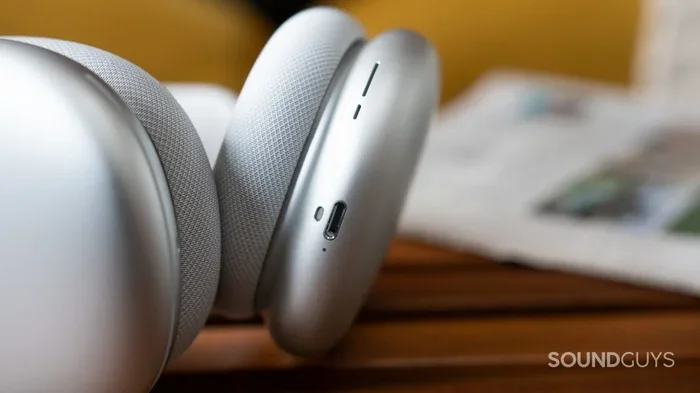
Featured image for Apple AirPods Max headphone jack
Image source: soundguys.com
The Apple AirPods Max do not have a traditional 3.5mm headphone jack. Instead, Apple designed these premium headphones to work primarily through Bluetooth wireless connectivity. However, you can still use them in wired mode by purchasing Apple’s proprietary Lightning to 3.5mm audio cable, which is sold separately. This design choice reflects Apple’s commitment to wireless audio while still offering a wired option for those who need it.
If you’ve been eyeing the Apple AirPods Max and wondering whether you can plug them into your devices with a traditional headphone cable, you’re not alone. This question pops up constantly among audiophiles, gamers, content creators, and everyday music lovers who want flexibility in how they listen. The short answer might surprise you, but the full story is even more interesting.
Apple made a bold design decision when creating the AirPods Max. They chose to prioritize Bluetooth technology while still leaving the door cracked open for wired listening through an adapter approach. Think of it like buying an electric car that still has a hidden gas tank—it’s not the primary way to use it, but the option exists when you really need it.
This comprehensive guide will walk you through everything you need to know about AirPods Max and headphone jack compatibility. We’ll explore the technical details, practical use cases, alternative solutions, and answer all those burning questions you might have. By the end, you’ll know exactly what to expect and how to maximize your AirPods Max experience.
Key Takeaways
- No Traditional Headphone Jack: AirPods Max lack a built-in 3.5mm audio port, relying instead on Bluetooth and Lightning connector technology.
- Wired Listening Is Possible: You can connect AirPods Max to wired audio sources using Apple’s $35 Lightning to 3.5mm cable (sold separately).
- Lightning Port Location: The single Lightning port sits at the bottom of the right ear cup and serves both charging and audio input purposes.
- Analog vs Digital Audio: When using the Lightning cable, AirPods Max receive a digital audio signal, then convert it to analog through their built-in DAC.
- No Audio When Battery Dies: Unlike traditional wired headphones, AirPods Max won’t play audio in wired mode if the battery is completely dead.
- Latency Benefits: Wired connections through the Lightning cable reduce audio latency, making them ideal for gaming and video editing.
- Alternative Options Exist: Third-party Bluetooth adapters and Lightning-compatible dongles offer additional flexibility for various audio setups.
📑 Table of Contents
- The Simple Answer: No Traditional 3.5mm Jack Exists
- The Wired Solution: Apple’s Lightning to 3.5mm Cable
- Why Apple Made This Design Choice
- Practical Scenarios: When You Might Need Wired Audio
- Important Limitations to Know About
- Alternative Solutions and Workarounds
- Comparing AirPods Max to Alternatives
- Tips for Getting the Most From Your AirPods Max
- The Bottom Line on AirPods Max and Headphone Jacks
The Simple Answer: No Traditional 3.5mm Jack Exists
Let’s get straight to the point. The Apple AirPods Max do not have a built-in 3.5mm headphone jack. If you look carefully at both sides of these sleek, aluminum ear cups, you won’t find a circular port waiting for your standard audio cable. This is a deliberate design choice that Apple made when they launched the AirPods Max in December 2020.
For some users, this feels frustrating. After all, most headphones throughout history have included a headphone jack. It’s like expecting a door on every wall of a house, only to find out the architect decided to use windows instead. But before you write off the AirPods Max entirely, there’s more to the story.
What Port Does the AirPods Max Actually Have?
The AirPods Max features a single Lightning port located on the bottom of the right ear cup. This is the same type of connector that older iPhones used before Apple transitioned to USB-C. This Lightning port serves two important functions:
- Charging the battery that powers all the headphones’ smart features
- Receiving audio input when you want to use wired listening
This dual-purpose design is clever but requires an accessory to work with traditional audio sources. You cannot simply plug a regular headphone cable into the AirPods Max without an adapter.
The Wired Solution: Apple’s Lightning to 3.5mm Cable
Apple recognized that some users absolutely need wired connections. Maybe you’re a musician who wants zero latency. Perhaps you’re a gamer where milliseconds matter. Or maybe you just prefer the reliability of a physical connection. Whatever your reason, Apple created an accessory specifically for you.
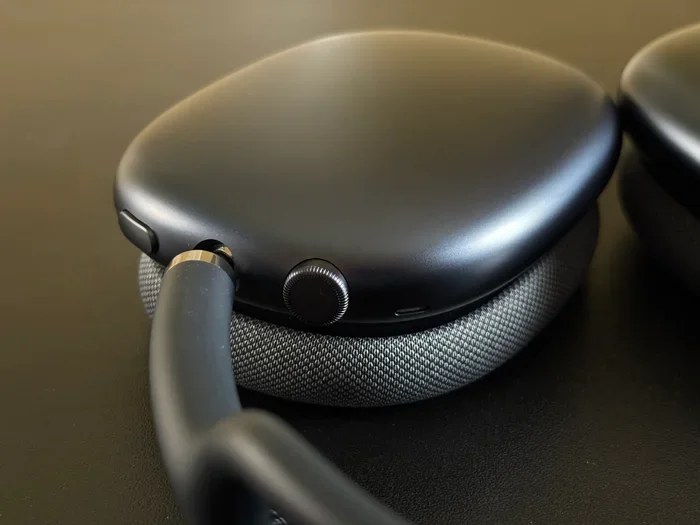
Visual guide about Apple AirPods Max headphone jack
Image source: 9to5mac.com
The Apple Lightning to 3.5mm Audio Cable retails for around $35 and is the official way to connect your AirPods Max to devices with a traditional headphone jack. Here’s how it works:
- One end of the cable has a Lightning connector that plugs into your AirPods Max
- The other end features a standard 3.5mm audio jack that connects to your audio source
- The cable is approximately 1.2 meters (about 4 feet) long
How Does This Differ From Regular Wired Headphones?
Here’s where things get interesting from a technical standpoint. When you use regular wired headphones, your audio source (like your phone or computer) handles the digital-to-analog conversion. The headphone receives an analog signal and simply plays it through its drivers.
The AirPods Max work differently. Even when using the Lightning cable, the AirPods Max receive a digital audio signal. Their internal components then convert that digital signal into analog sound. Think of it like a translator who listens to one language and immediately speaks another. The translation happens inside your headphones rather than at the source.
This design has both advantages and disadvantages that we’ll explore throughout this guide.
Why Apple Made This Design Choice
Understanding why Apple designed the AirPods Max this way helps you decide if these headphones fit your lifestyle. Several factors drove this engineering decision.
The Wireless Future Vision
Apple has been pushing toward a wireless future for years. They removed the headphone jack from iPhones starting with the iPhone 7 in 2016. They’ve promoted AirPods heavily in their marketing. The AirPods Max represent the pinnacle of their wireless audio ambitions.
By omitting a traditional headphone jack, Apple essentially says, “We believe wireless is the future, and these headphones embrace that philosophy completely.” It’s a statement piece as much as it is an audio device.
Technical and Acoustic Benefits
There are legitimate acoustic reasons for this design choice too. By handling digital-to-analog conversion internally with high-quality components, Apple can potentially deliver better sound quality than what you’d get from a random device’s built-in DAC (digital-to-analog converter). It’s like having a professional chef in your kitchen versus ordering takeout—both can feed you, but one has more control over quality.
Preserving Battery Life and Smart Features
The Lightning port allows the AirPods Max to maintain all their smart features even in wired mode. Features like Active Noise Cancellation (ANC), Transparency mode, and spatial audio all work when you’re connected via the Lightning cable. A traditional headphone jack would limit how much processing power the headphones could apply to your audio.
Practical Scenarios: When You Might Need Wired Audio
Bluetooth is convenient, but it isn’t always perfect. There are specific situations where having a wired option through the Lightning cable makes a real difference.
Gaming and Competitive Play
If you’re a serious gamer, you know that audio latency can mean the difference between winning and losing. Bluetooth audio typically introduces 100-300 seconds of latency, meaning you hear sounds slightly after they happen on screen. This delay might not matter for casual gaming, but competitive players need audio to sync perfectly with visuals.
Using the Lightning to 3.5mm cable reduces this latency dramatically because the audio travels directly from the source to your headphones without wireless compression and transmission. Many professional gamers consider wired connections non-negotiable for this reason.
Music Production and Audio Editing
Audio engineers, music producers, and content creators often prefer wired connections for critical listening tasks. When you’re mixing a song or editing a podcast, you need to hear every detail with perfect timing. Bluetooth compression can subtly alter audio quality and introduce timing delays that interfere with professional work.
Aircraft Entertainment Systems
Many airplane entertainment systems still use dual 3.5mm jacks or single 3.5mm connections for their seatback screens. If you travel frequently and want to use your premium headphones during flights, the Lightning cable makes this possible. Some newer planes offer Bluetooth, but older aircraft definitely require wired connections.
Battery Concerns During Long Sessions
The AirPods Max battery lasts approximately 20 hours with Active Noise Cancellation enabled. For most users, that’s plenty. But if you’re on a long flight or extended work session, your battery might run low. The Lightning cable allows you to charge while listening—something impossible with traditional wired-only headphones.
Important Limitations to Know About
Before you rush out to buy that Lightning cable, there are some crucial limitations you should understand. These aren’t dealbreakers for most users, but they matter depending on how you plan to use your headphones.
The Dead Battery Problem
Here’s a frustrating reality: the AirPods Max will not play audio in wired mode if the battery is completely dead. Unlike traditional wired headphones that work passively without any power, the AirPods Max require battery power to function, even when receiving audio through the Lightning cable.
This means if your battery dies on a long flight, you can’t simply plug in and continue listening. You need to charge first, then listen. It’s like having a car that won’t start even if you have gas in the tank because the electronic systems need power to function.
The Extra Cost Factor
The Lightning cable isn’t included with the AirPods Max. Given that the headphones themselves cost around $549, paying an additional $35 for the cable can feel like salt in the wound. Many users consider this an unfortunate nickel-and-diming strategy by Apple.
However, third-party alternatives exist that can save you money, though they may not offer identical quality or reliability.
Compatibility Considerations
The Lightning to 3.5mm cable works with most devices that have a standard headphone jack. This includes:
- Laptops and desktop computers
- Older iPhones and iPads
- MP3 players and portable music devices
- Airplane entertainment systems
- Gaming consoles with audio jacks
- Musical instruments and audio interfaces
However, newer iPhones (iPhone 15 and later) use USB-C instead of Lightning, so you’d need a different adapter setup for those devices. The AirPods Max themselves still use Lightning, but your phone source may require a USB-C to Lightning cable or adapter.
Alternative Solutions and Workarounds
Beyond Apple’s official cable, several alternative approaches can help you connect your AirPods Max to various audio sources.
Third-Party Lightning to 3.5mm Cables
Amazon and other retailers sell third-party Lightning to 3.5mm cables for significantly less than Apple’s official version. Prices typically range from $8 to $20. These cables generally work fine, though quality varies. Look for cables with good reviews and MFi (Made for iPhone) certification to ensure compatibility.
Popular third-party options include cables from brands like Belkin, Anker, and various lesser-known manufacturers. Just remember that cheaper isn’t always better—some ultra-cheap cables may have connectivity issues or break quickly.
Bluetooth Transmitters and Adapters
If you want to connect AirPods Max to a device without a Lightning port option, Bluetooth transmitters can help. These small devices plug into audio jacks and transmit audio wirelessly to your AirPods Max via Bluetooth. They’re particularly useful for older TVs, gaming consoles, or gym equipment with audio jacks but no Bluetooth.
However, this approach introduces the latency issues that wired connections are meant to solve. It’s essentially adding more wireless steps to an already wireless connection.
DAC and Headphone Amplifier Combinations
For audiophiles seeking the best possible sound quality, portable DAC (Digital-to-Analog Converter) and headphone amplifier combinations offer premium audio processing. These devices connect between your audio source and your headphones, providing superior sound conversion and amplification.
While the AirPods Max have built-in DAC capabilities, external DACs might provide subtle improvements for critical listening. This setup typically involves more cables and gear, making it less portable but potentially more rewarding for stationary listening sessions.
Comparing AirPods Max to Alternatives
To put the AirPods Max jack situation in perspective, let’s compare them to other premium headphones in the same price range.
Sony WH-1000XM5
The Sony WH-1000XM5, one of the AirPods Max’s main competitors, includes a standard 3.5mm headphone jack AND comes with a wired cable in the box. This makes it more immediately convenient for users who want both wireless and wired options without extra purchases.
The Sony also continues to play audio passively in wired mode even when the battery dies. This gives it a significant advantage for users who prioritize flexibility.
Bose QuietComfort Ultra
Bose’s flagship headphones also include a 3.5mm jack with the cable included. Like Sony, they function as traditional passive headphones when wired, making them more versatile in certain situations.
Sennheiser Momentum 4 Wireless
Sennheiser takes a similar approach to Sony and Bose, including both a headphone jack and a wired cable with their premium wireless headphones. This is industry-standard for the category, which makes Apple’s approach with AirPods Max feel unusual.
The common thread here is that most competitors offer more straightforward wired connectivity. However, the AirPods Max compensate with features like seamless Apple ecosystem integration, premium build quality, and excellent Active Noise Cancellation that many users find worth the trade-off.
Tips for Getting the Most From Your AirPods Max
Whether you’ve already purchased AirPods Max or are still considering them, these practical tips will help you maximize your experience.
Buy the Lightning Cable Immediately
If you decide to get AirPods Max, add the Lightning to 3.5mm cable to your purchase right away. You’ll inevitably need it at some point—whether for airplane entertainment, gaming, or professional audio work. Having it on hand prevents frustrating moments when you need it but don’t have it.
Keep Your Battery Charged
Since the AirPods Max won’t work in wired mode with a dead battery, develop a habit of charging them regularly. A quick five-minute charge provides about 1.5 hours of listening time, which can save you in emergency situations.
Use the Smart Case Thoughtfully
The AirPods Max come with a “Smart Case” that puts them in an ultra-low power state. While convenient, this case has been criticized for offering minimal protection. Consider a third-party case if you travel frequently or want better protection.
Take Advantage of Apple Ecosystem Features
If you use multiple Apple devices, the AirPods Max shine with features like automatic device switching, spatial audio, and Find My integration. These features don’t exist on competitor headphones, which helps justify the premium price and unique design decisions.
The Bottom Line on AirPods Max and Headphone Jacks
The Apple AirPods Max represent a clear statement about the future of audio consumption. They embrace wireless technology wholeheartedly while still offering a path to wired listening through an optional accessory. This approach isn’t for everyone, but it makes sense if you’re deeply invested in the Apple ecosystem and prioritize wireless convenience.
Yes, the AirPods Max lack a traditional headphone jack. This is inconvenient in certain situations and requires an additional purchase for wired connectivity. The battery dependency even in wired mode is frustrating. However, these limitations don’t significantly impact daily use for most people who primarily listen wirelessly.
If you need guaranteed wired functionality for professional audio work, frequent flying, or competitive gaming, consider whether the AirPods Max fit your needs. Alternative headphones offer more straightforward wired experiences. But if you’re an Apple enthusiast who values premium materials, excellent noise cancellation, and seamless ecosystem integration, the AirPods Max deliver a uniquely satisfying experience—just remember to budget for that Lightning cable.
Ultimately, the question isn’t just “do AirPods Max have a headphone jack?” but rather “does the wireless-first design philosophy work for my lifestyle?” Answer that question honestly, and you’ll know whether these premium cans deserve a place on your head.
Frequently Asked Questions
Can AirPods Max work with a 3.5mm headphone jack?
Yes, but you need Apple’s Lightning to 3.5mm audio cable (sold for around $35) or a compatible third-party alternative. The cable plugs into the Lightning port on the right ear cup and connects to any standard 3.5mm audio source. Without this cable, you cannot use AirPods Max with traditional headphone jack devices.
Will AirPods Max play audio with a dead battery when wired?
No, this is one of the most significant limitations of AirPods Max. Even when connected via the Lightning to 3.5mm cable, the headphones require battery power to function. If your battery is completely dead, you must charge them before any audio will play, whether wired or wireless.
Is the Lightning to 3.5mm cable included with AirPods Max?
No, Apple does not include the Lightning to 3.5mm audio cable in the AirPods Max box. You must purchase it separately for approximately $35, which many users consider an unwelcome additional expense given the headphones’ premium price point. This cable is the only official way to connect AirPods Max to devices with a standard headphone jack.
Does wired mode improve AirPods Max sound quality?
Wired mode can provide marginal improvements in audio quality by bypassing Bluetooth compression algorithms. However, the difference is subtle for most listeners. The more significant benefit of wired mode is reduced latency, which matters for gaming and professional audio work more than casual music listening.
Can I use AirPods Max with my TV or gaming console?
Yes, using the Lightning to 3.5mm cable, you can connect AirPods Max to any device with a standard 3.5mm audio output, including TVs, gaming consoles, and older audio equipment. This makes them versatile for home entertainment setups, though the cable requirement may feel cumbersome compared to competitors that include cables in the box.
Are there cheaper alternatives to Apple’s Lightning to 3.5mm cable?
Yes, third-party Lightning to 3.5mm cables are available on Amazon and other retailers for $8-$20. These alternatives generally work well, though quality and durability vary. Look for cables with MFi certification and positive reviews to ensure reliable compatibility with your AirPods Max.