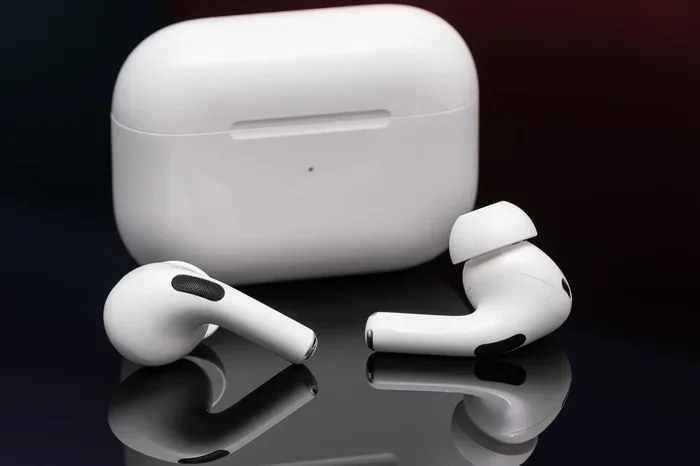
Featured image for Apple AirPods wireless headphones product
Image source: platform.theverge.com
Yes, Apple makes wireless headphones and has become one of the biggest names in the industry. The company offers several wireless audio products, including AirPods, AirPods Pro, AirPods Max, and Beats headphones. Apple entered the wireless headphone market in 2016 with the original AirPods and has since become a dominant force, shipping millions of units worldwide each year.
Have you ever wondered whether the same company that made your iPhone also makes wireless headphones? If so, you are part of a much larger conversation. Apple and wireless audio have become nearly synonymous in modern tech culture. Walk through any airport, gym, or coffee shop, and you will spot those signature white earbuds dangling from countless ears.
The short answer is absolutely yes. Apple makes several lines of wireless audio products designed to work seamlessly with iPhones, iPads, Macs, and other devices. From tiny earbuds that disappear into your pocket to plush over-ear headphones that cancel out the world around you, Apple offers something for nearly every type of listener.
This guide will walk you through everything you need to know. We will explore the history of Apple wireless headphones, break down each product line, compare features, and help you decide which option might fit your needs and budget.
Key Takeaways
- Apple Does Make Wireless Headphones: Apple sells AirPods, AirPods Pro, AirPods Max, and Beats-branded wireless headphones across multiple price points.
- AirPods Are the Flagship Line: The original AirPods launched in 2016, and Apple has released multiple generations since then with improved features.
- Two Product Categories Exist: Apple offers true wireless earbuds (AirPods) and over-ear headphones (AirPods Max), plus the Beats brand.
- Apple Acquired Beats in 2014: This $3 billion deal gave Apple instant credibility in the headphone market before AirPods even existed.
- AirPods Dominate Sales: Apple captures roughly 25-30% of the global true wireless earbuds market, making them the top seller worldwide.
- Premium Pricing Strategy: Apple’s wireless headphones range from around $69 for entry-level AirPods to $549 for AirPods Max.
- W1 and H1 Chips Power the Magic: Apple’s custom chips enable seamless pairing, automatic device switching, and other smart features.
📑 Table of Contents
- The Short Answer: Yes, Apple Makes Wireless Headphones
- A Brief History of Apple Wireless Headphones
- Breaking Down Each Apple Wireless Headphone Product
- Why Apple Wireless Headphones Are So Popular
- How to Choose the Right Apple Wireless Headphones for You
- Common Questions and Myths About Apple Wireless Headphones
- The Future of Apple Wireless Headphones
- Final Thoughts: Apple Is a Wireless Headphone Powerhouse
The Short Answer: Yes, Apple Makes Wireless Headphones
Let us clear up any confusion right away. Apple manufactures and sells multiple wireless headphone products under two main brand names: AirPods and Beats. The AirPods line belongs entirely to Apple, while Beats is a subsidiary company that Apple purchased in 2014.
Think of it like this. Imagine a popular restaurant chain buying a smaller café next door. Both still operate, but now they share the same owner. That is exactly how Apple and Beats work. You can buy AirPods from Apple directly, and you can also buy Beats headphones that share much of the same underlying technology.
Apple’s Complete Wireless Headphone Lineup
As of early 2026, here is what Apple offers in the wireless audio space:
- AirPods (4th generation): The standard model with optional Active Noise Cancellation
- AirPods Pro (2nd generation): Premium earbuds with advanced noise cancellation
- AirPods Max: Over-ear headphones with high-fidelity sound
- Beats Solo 4: On-ear wireless headphones
- Beats Studio Pro: Premium over-ear headphones
- Beats Fit Pro: Sport-focused earbuds with ear tips
- Powerbeats Pro 2: Workout-ready earbuds with ear hooks
That is seven distinct product lines, each targeting different users. Whether you are a casual listener, a fitness enthusiast, or an audiophile, Apple has designed something with your needs in mind.
A Brief History of Apple Wireless Headphones
Understanding where Apple wireless headphones came from helps explain why they are so popular today. The story starts before AirPods ever existed.
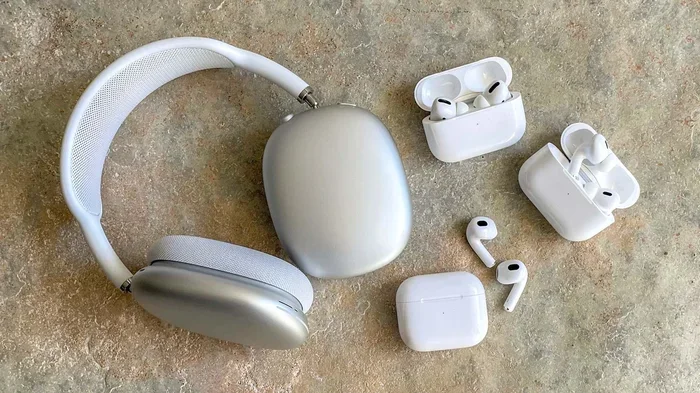
Visual guide about Apple AirPods wireless headphones product
Image source: cdn.mos.cms.futurecdn.net
The Beats Acquisition: 2014
In 2014, Apple made one of its largest acquisitions ever. The company purchased Beats Electronics for approximately $3 billion. At the time, many people scratched their heads. Why would a company known for computers and phones spend billions on a headphone brand?
The answer was simple. Beats had something Apple wanted. It had music credibility, a loyal customer base, and a foothold in the premium audio market. Beats headphones were already appearing in music videos, on celebrities, and in popular culture. Apple essentially bought its way into the audio industry.
This acquisition also brought Dr. Dre and Jimmy Iovine into the Apple family, two music industry legends who helped shape Apple’s approach to audio products for years to come.
The Original AirPods: December 2016
When Apple announced the original AirPods in September 2016 alongside the iPhone 7, the reaction was mixed. People joked about how easy the small white earbuds would be to lose. Critics questioned the $159 price tag for something without a cable.
Fast forward a few years, and those jokes turned into jaw-dropping sales. Apple sold an estimated 35 million AirPods in 2018 alone, generating over $8 billion in revenue. By 2020, AirPods had become the best-selling true wireless earbuds in the world.
The Evolution Continues
Since 2016, Apple has released new AirPods roughly every one to three years. Each generation brought improvements:
- AirPods (2nd gen, 2019): Added the H1 chip for faster pairing and “Hey Siri”
- AirPods Pro (2019): Introduced silicone tips and Active Noise Cancellation
- AirPods Max (2020): Apple’s first over-ear headphones at $549
- AirPods (3rd gen, 2021): Redesigned with shorter stems and spatial audio
- AirPods Pro (2nd gen, 2022): Better noise cancellation and Adaptive Transparency
- AirPods (4th gen, 2024): USB-C charging and optional noise cancellation
Each release refined the formula, adding better sound, longer battery life, and smarter features.
Breaking Down Each Apple Wireless Headphone Product
Let us take a closer look at what each Apple wireless headphone actually offers. Think of this as your guided tour through the entire lineup.
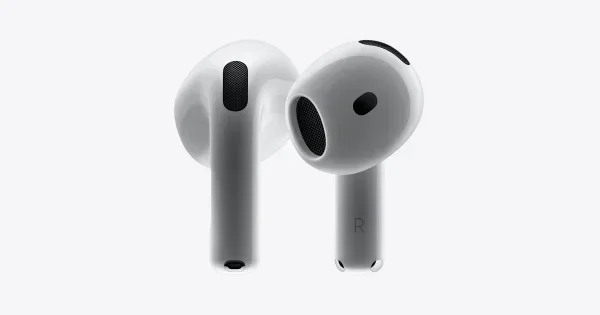
Visual guide about Apple AirPods wireless headphones product
Image source: store.storeimages.cdn-apple.com
AirPods (4th Generation)
The standard AirPods are Apple’s most affordable wireless earbuds and the entry point into the ecosystem. They feature:
- The H2 chip for fast, reliable connections
- Up to 5 hours of listening time per charge
- 30 hours total with the charging case
- Personalized Spatial Audio
- USB-C charging (replacing the older Lightning connector)
There are actually two versions of the 4th generation AirPods. The base model costs around $129, while a slightly upgraded version with Active Noise Cancellation runs about $179. This is the first time Apple has offered noise cancellation at this price point.
These are best for everyday listeners who want a simple, reliable wireless experience without breaking the bank.
AirPods Pro (2nd Generation)
The AirPods Pro sit in the sweet spot for most people. They take everything great about regular AirPods and add premium features:
- Silicone ear tips in four sizes for a secure fit
- Active Noise Cancellation that blocks outside sound
- Adaptive Transparency mode that lets important sounds through
- Touch controls on the stem
- A MagSafe charging case with Find My support
Did you know that the AirPods Pro 2 can reduce noise by up to twice as much as the original AirPods Pro? Apple achieved this through better microphones and a more powerful H2 chip.
Priced at around $249, these are the go-to choice for commuters, office workers, and anyone who wants premium features without paying for the AirPods Max.
AirPods Max
The AirPods Max are Apple’s only over-ear headphones and represent the company’s high-end audio offering. They launched in December 2020 and cost $549, making them one of Apple’s most expensive accessories.
What makes them special?
- Premium aluminum construction that feels substantial
- Memory foam ear cushions for long-wearing comfort
- The H1 chip in each ear cup for computational audio
- Active Noise Cancellation with multiple microphones
- 20 hours of battery life per charge
- Available in several colors including Midnight, Starlight, Blue, Purple, and Orange
The AirPods Max are designed for audiophiles and professionals who want the best sound quality Apple offers. They compete with premium headphones from Sony, Bose, and Sennheiser.
One thing to note: the AirPods Max do not fold up like many competitors. The optional Smart Case helps but does not provide full protection during travel.
Beats Headphones: The Other Apple Brand
Remember how Apple owns Beats? That means Beats headphones benefit from many Apple technologies while offering different designs and features. Here is what Beats currently offers:
Beats Solo 4
These are on-ear wireless headphones priced at around $200. They are lighter than the AirPods Max and fold up for easy travel. The Solo 4 offers up to 50 hours of battery life, which is more than any AirPods model.
Beats Studio Pro
The Studio Pro is Beats’ flagship over-ear headphone, priced at around $400. It features Active Noise Cancellation, Transparency mode, and excellent sound quality. Many reviewers consider them a strong alternative to the AirPods Max at a lower price.
Beats Fit Pro
These are sport-focused earbuds with secure-fit wingtips that keep them in place during workouts. At around $200, they offer Active Noise Cancellation and most of the same smart features as AirPods Pro.
Powerbeats Pro 2
The Powerbeats Pro 2 are built for serious athletes. They feature ear hooks that keep them secure during running, weightlifting, and other intense activities. Released in early 2025, they include heart rate monitoring, a first for any Apple or Beats headphone.
The Powerbeats Pro 2 are priced around $250 and offer up to 10 hours of battery life per charge.
Why Apple Wireless Headphones Are So Popular
Apple wireless headphones have captured a massive share of the global market. According to industry reports, Apple and Beats together account for roughly 25-30% of all true wireless earbuds sold worldwide. That means about 1 in every 4 pairs of wireless earbuds sold globally comes from Apple.
Why have they become so dominant? Let us break it down.
The Ecosystem Advantage
Here is a simple analogy. Imagine buying a TV that only works with one specific brand of remote control. That sounds frustrating, right? Now imagine the opposite: a remote that works perfectly with your TV, your soundbar, your streaming device, and even adjusts the lights.
That is the Apple advantage. When you buy AirPods, they work magic with your iPhone, iPad, Mac, Apple Watch, and Apple TV. Pop them near your iPhone, and a pairing window appears instantly. Start playing music on your iPad, then switch to your Mac, and the audio follows without missing a beat.
This ecosystem integration is something competitors struggle to match. While you can use AirPods with Android phones, you lose many of the magical features that make them special.
The Custom Silicon Advantage
Apple designs its own chips for AirPods, including the W1 (in older models) and the newer H1 and H2 chips. These tiny processors handle everything from audio processing to battery management to Siri integration.
The H2 chip in the latest AirPods can perform 48,000 operations per second for noise cancellation alone. That kind of processing power in something so small is genuinely impressive.
Brand Trust and Marketing
Apple has spent decades positioning its products as premium, design-forward, and aspirational. AirPods benefit from this halo effect. When you buy AirPods, you are buying into a brand that many people associate with quality and status.
Apple also runs aggressive marketing campaigns, places products in popular TV shows and movies, and has celebrity endorsements. All of this reinforces AirPods as the default wireless earbud choice for many consumers.
How to Choose the Right Apple Wireless Headphones for You
With so many options, picking the right pair can feel overwhelming. Let us simplify the decision.
Choose AirPods (4th Gen) If You Want:
- The most affordable Apple wireless earbuds
- A simple, no-fuss listening experience
- Reliable everyday earbuds for music, podcasts, and calls
- Open-ear comfort without silicone tips
Choose AirPods Pro (2nd Gen) If You Want:
- The best balance of features and price
- Active Noise Cancellation for commuting or travel
- A secure in-ear fit with multiple tip sizes
- The latest Apple audio technology
Choose AirPods Max If You Want:
- Premium over-ear headphones
- The best sound quality Apple offers
- Long listening sessions at home or in the office
- Apple’s most luxurious audio experience
Choose Beats If You Want:
- A sport-friendly design with ear hooks or wingtips
- Bold colors and a different aesthetic from AirPods
- Compatibility with both Apple and Android devices
- Longer battery life in some models
Consider Your Budget
Here is a quick price reference for Apple’s current wireless headphone lineup:
- AirPods (4th gen): Starting at $129
- AirPods (4th gen) with ANC: $179
- Beats Solo 4: $200
- Beats Fit Pro: $200
- Powerbeats Pro 2: $250
- AirPods Pro (2nd gen): $249
- Beats Studio Pro: $400
- AirPods Max: $549
Your budget matters, but so does your use case. Someone who works out daily might prefer the Powerbeats Pro 2 even if they cost more than the standard AirPods.
Common Questions and Myths About Apple Wireless Headphones
Let us address some frequently asked questions and clear up common confusion.
Do AirPods Work with Android Phones?
Yes, AirPods work as standard Bluetooth headphones with any device, including Android phones and Windows computers. However, you lose features like automatic pairing, spatial audio customization, Find My integration, and Siri. For Android users, Beats headphones are often a smarter choice because they include a dedicated Beats app with more features on Android.
Are Apple Wireless Headphones Worth the Price?
This depends on what you value. Apple wireless headphones cost more than many competitors. However, the seamless integration with Apple devices, strong build quality, and excellent customer support justify the price for many buyers. If you own multiple Apple products, the experience is hard to beat.
Can You Use Apple Headphones for Phone Calls?
Absolutely. All Apple wireless headphones include built-in microphones and work for phone calls, FaceTime, Zoom, and other voice applications. The AirPods Pro and AirPods Max are particularly good at isolating your voice from background noise.
How Long Do Apple Wireless Headphones Last?
With proper care, AirPods typically last 2-3 years before battery degradation becomes noticeable. Many users keep their AirPods working for 4-5 years or longer. Beats headphones tend to have similar lifespans. Apple offers battery service for AirPods if you need a replacement.
What’s the Difference Between AirPods and AirPods Pro?
The main differences are fit and features. Standard AirPods have a one-size-fits-most shape that rests outside the ear canal. AirPods Pro use silicone tips that seal inside your ear canal, which enables better noise isolation, Active Noise Cancellation, and a more secure fit for active use.
The Future of Apple Wireless Headphones
Apple continues to invest heavily in audio technology. What might we see in coming years?
Health Features
The Powerbeats Pro 2 introduced heart rate monitoring in 2025. Industry analysts expect Apple to bring similar health features to AirPods Pro in future updates, possibly including body temperature sensing and even hearing health monitoring.
Better Sound Quality
Apple has been acquiring music technology companies and improving its audio processing. Future AirPods may support lossless audio, which delivers CD-quality sound without compression. The current AirPods use Bluetooth, which limits audio quality, but Apple is reportedly working on new wireless standards.
Improved Noise Cancellation
Each generation of AirPods Pro has improved noise cancellation significantly. Future versions may use AI and machine learning to adapt noise cancellation in real-time based on your environment.
Better Integration with Vision Pro and AR
Apple’s Vision Pro spatial computer launched in 2024. As Apple builds out its augmented reality ecosystem, expect AirPods to play a central role in delivering immersive spatial audio experiences.
Final Thoughts: Apple Is a Wireless Headphone Powerhouse
So, does Apple make wireless headphones? The answer is a resounding yes. Apple is not just a participant in the wireless headphone market; it is one of the leaders. With multiple product lines spanning earbuds and over-ear headphones, Apple has built an audio empire that complements its other devices beautifully.
From the affordable AirPods to the premium AirPods Max, and from the sporty Powerbeats to the stylish Beats Studio Pro, Apple offers something for virtually every type of listener. The combination of custom silicon, ecosystem integration, and premium design has made Apple wireless headphones a default choice for millions of people worldwide.
If you are considering your first pair, think about how you will use them. Casual listeners will love the standard AirPods. Commuters and frequent travelers will appreciate the AirPods Pro. Audiophiles and home listeners might prefer the AirPods Max. Athletes should look at the Powerbeats Pro 2 or Beats Fit Pro.
Whatever you choose, you are getting a product backed by one of the most powerful technology companies in the world. That brings peace of mind, regular software updates, and access to Apple’s retail support network.
The wireless headphone revolution started before AirPods, but Apple certainly accelerated it. Today, the question is no longer whether Apple makes wireless headphones. The question is which pair you will choose.