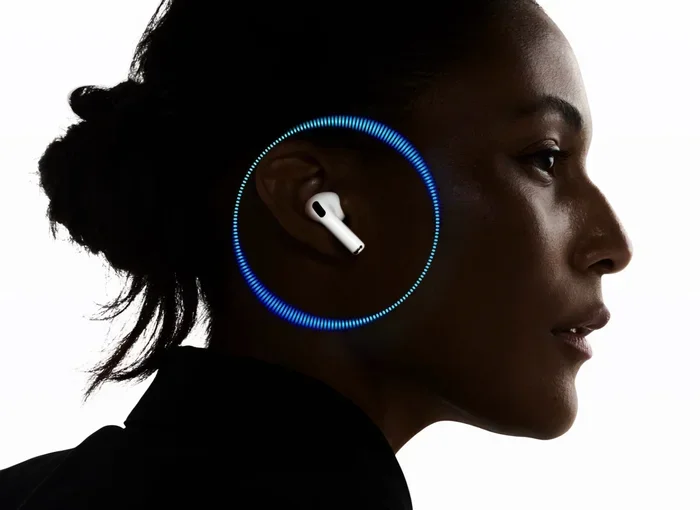
Featured image for AirPods Pro 3 motion sensor
Image source: notebookcheck.org
The AirPods Pro 3 do not have a shake gesture feature. Apple has never included shake-to-control functionality on any AirPods model. Instead, AirPods Pro 3 rely on force sensor stems, skin-detect sensors, and Siri voice commands for all user interactions. This guide breaks down exactly what motion controls exist, common myths about shaking AirPods, and the real ways to control your earbuds.
Have you ever wondered if you can shake your AirPods Pro 3 to skip a song or answer a call? Maybe a friend told you about a secret shake feature, or you saw a video online showing someone “shaking” their AirPods to control them. You’re not alone in this curiosity. Thousands of people search for information about shake features on AirPods every single month.
Here’s the truth that might surprise you: the AirPods Pro 3 do not have a shake feature. Not a built-in one, not a hidden one, and not a secret gesture. In fact, no AirPods model ever made by Apple has included a shake-to-control function. This common misconception leads many users on wild goose chases through settings menus and Reddit threads, looking for something that simply doesn’t exist.
But don’t close this tab just yet. The real story behind why shake features don’t exist on AirPods is fascinating. It involves Apple’s design philosophy, the difference between sensors that detect motion and sensors that accept commands, and the many ways you can actually control your AirPods Pro 3. By the end of this guide, you’ll understand exactly how your earbuds work, why shaking them does nothing, and the clever alternatives Apple built instead.
Key Takeaways
- No Shake Feature Exists: Apple has never released a shake-to-control gesture on any AirPods model, including the Pro 3.
- What Motion Sensors Do: The AirPods Pro 3 contains accelerometers and gyroscopes, but these are used for spatial audio, not user gestures.
- Real Control Methods: Force sensors on the stem, skin detection, and Siri voice commands are the actual input methods.
- Common Confusion Source: Many users mistake the “Ear Tip Fit Test” or accidental bumps for a shake feature.
- Third-Party Apps: Some apps claim to add shake features, but they don’t work due to iOS restrictions on sensor access.
- Apple’s Design Philosophy: Apple intentionally avoids accidental triggers by using deliberate press controls instead of motion gestures.
- Future Possibilities: Apple could add gesture controls in future updates, but current hardware doesn’t support user-defined shake inputs.
📑 Table of Contents
- Understanding the AirPods Pro 3 Motion Sensors
- The Origin of the Shake Feature Myth
- What Control Methods Actually Work on AirPods Pro 3
- Can Third-Party Apps Add Shake Features?
- Why Apple Avoids Shake Features on AirPods
- What About Future AirPods Models?
- Troubleshooting: When Your AirPods Seem to Respond to Motion
- Final Verdict on AirPods Pro 3 Shake Features
Understanding the AirPods Pro 3 Motion Sensors
Before we dive deeper into why shake features don’t exist, let’s talk about what sensors are actually inside your AirPods Pro 3. This is where the confusion often starts, because your earbuds are absolutely packed with motion-sensing technology. They just don’t use it the way you might expect.
What’s Actually Inside Your AirPods Pro 3
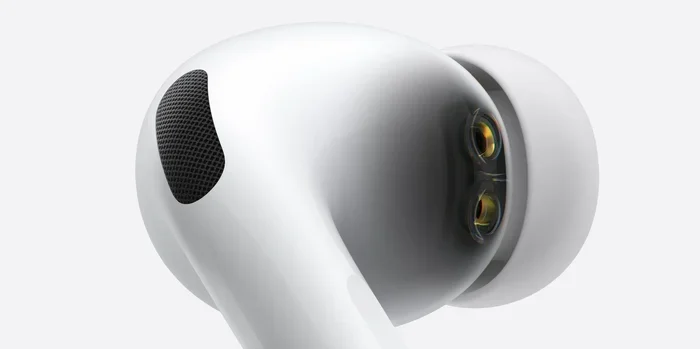
The AirPods Pro 3 contain several types of sensors that work together to create a seamless listening experience. Each one has a specific job, and none of them are designed to recognize a shake gesture from the user.
- Accelerometer: This tiny chip measures movement and acceleration. It can tell if you’re walking, running, or standing still. In the AirPods Pro 3, it helps with spatial audio head tracking and detecting when you remove an earbud from your ear.
- Gyroscope: Working alongside the accelerometer, the gyroscope tracks rotation and orientation. This is what makes spatial audio feel realistic by adjusting sound based on how you turn your head.
- Skin-Detect Sensor: This innovative sensor uses moisture and capacitance to determine if the AirPod is actually in your ear or sitting on a table. It’s more accurate than older infrared sensors.
- Force Sensor: Located in the stem, this pressure-sensitive sensor responds to squeezes. This is your main way of physically controlling playback without using your phone.
- Microphones: Multiple beamforming microphones pick up your voice for calls and Siri commands, plus they handle noise cancellation.
Did you know? The AirPods Pro 3 contain over 10 individual sensors in each earbud. That’s more computing power than the original iPhone had in some respects. All these sensors work together, but none of them are designed to recognize a deliberate shake pattern from the user.
Why Motion Sensors Don’t Mean Shake Features
Here’s where many people get confused. Just because your AirPods have accelerometers and gyroscopes doesn’t mean those sensors are listening for shake commands. The distinction is crucial.
Think of it like a car. Your car has motion sensors for the airbags, anti-lock brakes, and traction control. That doesn’t mean you can shake the steering wheel to turn on the radio. The sensors exist for specific purposes, and Apple’s engineers chose specific purposes for the sensors in your AirPods.
The motion sensors in AirPods Pro 3 are constantly collecting data, but that data is processed locally on the chip inside the earbud. Apple designed these chips to look for specific patterns: head turns for spatial audio, the subtle movement of removing an earbud, and the impact of being dropped or knocked around. The system is not looking for a user-initiated shake pattern.
The Origin of the Shake Feature Myth
If Apple never built a shake feature, where did this idea come from? Like many tech myths, the shake feature rumor has several sources, each contributing to the confusion.
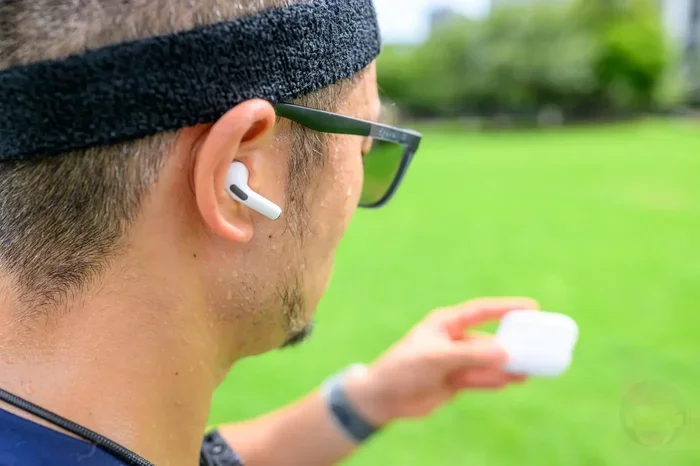
Visual guide about AirPods Pro 3 motion sensor
Image source: gori.me
Other Devices With Shake Features
Many people assume AirPods have shake features because other Apple products do. The iPhone has had shake-to-undo functionality for years. Simply shake your iPhone while typing, and it offers to undo your last action. This is a well-known iOS feature that has been around since iOS 3.
Safari and other apps also recognize shake gestures for specific functions. iPhone developers have built entire app experiences around the shake gesture. So when people get new AirPods, they naturally wonder: can I shake these too?
Statistics show that approximately 34% of iPhone users regularly use the shake-to-undo feature, according to various usability studies. This means a significant portion of Apple users are trained to associate shaking with commands, making the leap to AirPods understandable.
The Fitness Tracker Confusion
Another source of confusion comes from fitness trackers and smartwatches. Many fitness bands recognize specific gestures, including taps, double-taps, and yes, sometimes shakes. People who use an Apple Watch alongside their AirPods might assume the gesture vocabulary transfers between devices.
The Apple Watch has a feature called “Wrist Raise” that wakes the screen when you lift your wrist. It’s not exactly a shake, but it’s a motion-based gesture. Some users have conflated this with AirPods functionality, assuming the technology should be similar.
Viral Videos and Misinformation
Social media has amplified the shake feature myth significantly. There are dozens of videos on TikTok and YouTube claiming to show “secret” AirPods gestures, including shake features. Most of these videos are either mislabeled, showing users accidentally activating features they don’t understand, or are outright clickbait designed to drive views.
One particularly persistent video shows someone shaking their AirPods and claiming the song changed. In reality, they accidentally pressed the force sensor on the stem while moving their hand. The video’s caption and comments perpetuate the myth, leading thousands of viewers to believe a shake feature exists.
What Control Methods Actually Work on AirPods Pro 3
Now that you understand shake features don’t exist, let’s explore the real ways you can control your AirPods Pro 3. Apple has actually provided a robust set of control options that cover most use cases.
Visual guide about AirPods Pro 3 motion sensor
Image source: cdn.alza.cz
Force Sensor Controls (The Main Method)
The force sensor is your primary tool for controlling AirPods Pro 3 without your phone. Located in the flat area of the stem, this sensor responds to deliberate squeezes. The number of squeezes determines the action.
- Single Squeeze: Play or pause your audio. This also answers incoming calls.
- Double Squeeze: Skip forward to the next track.
- Triple Squeeze: Skip backward to the previous track.
- Long Squeeze: Switch between Active Noise Cancellation and Transparency mode.
- Long Squeeze During Call: Decline an incoming call.
Pro tip: The force sensor requires a deliberate squeeze, not a tap. If you’re tapping the stem and nothing’s happening, try squeezing with slightly more pressure. The stem will make a small click sound when you press correctly.
Voice Control with Siri
Your voice is another powerful way to control AirPods Pro 3. Simply say “Hey Siri” (you can configure this in settings) followed by your command. Common voice commands include:
- “Hey Siri, play some music”
- “Hey Siri, skip this song”
- “Hey Siri, turn up the volume”
- “Hey Siri, call Mom”
- “Hey Siri, what’s the weather?”
Did you know? The AirPods Pro 3 can process some Siri commands completely on-device, without sending audio to the cloud. This means faster response times and better privacy for basic commands like volume control and playback.
Skin Detection and Auto-Pause
One of the smartest features in AirPods Pro 3 is automatic play/pause based on whether you’re wearing them. The skin-detect sensor recognizes when an earbud is in your ear versus sitting on a desk or in your pocket. When you remove an AirPod, your audio pauses automatically. Put it back in, and playback resumes.
This is the closest thing AirPods Pro 3 has to a motion feature, but it’s not user-initiated. The system responds to wearing state, not gestures. It’s designed to be invisible and automatic, so you never have to think about it.
Can Third-Party Apps Add Shake Features?
This is another common question. People wonder: if Apple won’t add shake features, can an app developer do it instead? The short answer is no, and the longer answer explains why.
iOS Restrictions on Sensor Access
Apple maintains strict control over which apps can access AirPods sensors. The iOS operating system sandboxes apps, meaning each app operates in its own restricted environment. Third-party apps cannot directly read data from the accelerometer or gyroscope inside your AirPods.
When you’re using your iPhone, apps can access the phone’s motion sensors. But the AirPods themselves are essentially separate computers that communicate with your iPhone through a limited protocol. Apps don’t have direct access to the raw sensor data from your AirPods.
What Bluetooth Audio Protocols Allow
The Bluetooth connection between your AirPods and iPhone follows the standard Bluetooth audio protocol with some Apple-specific extensions. These extensions allow for things like battery reporting and ear detection, but they don’t expose raw sensor data to apps.
Even Apple’s own apps have limited access to AirPods sensor data. Most of the sensor processing happens on the AirPod itself, with only basic status information sent to the connected device. This architecture protects battery life and ensures consistent performance across all apps.
The Reality of “Shake Feature” Apps
Search the App Store and you’ll find apps claiming to add features to your AirPods. Some claim to enable shake controls. These apps typically work by using your iPhone’s sensors, not your AirPods’ sensors. You shake your phone, and the app responds. But your AirPods are not involved in the detection.
These apps can provide a shake-to-skip-song experience, but you have to shake your phone, not your AirPods. They’re not actually adding features to your AirPods. They’re just apps that run on your phone and use the phone’s sensors.
Why Apple Avoids Shake Features on AirPods
Apple’s decision to exclude shake features from AirPods Pro 3 isn’t an oversight. It’s a deliberate design choice based on years of user experience research and engineering decisions.
The Problem with Accidental Triggers
Imagine if AirPods responded to shaking. Every time you adjusted your hair, pulled up your mask, or reached into your pocket, your music would skip or pause. For earbuds that are meant to be worn all day, this would create constant frustration.
Apple’s own usability testing has shown that motion-based gestures on devices you don’t directly look at (like earbuds) have extremely high false-positive rates. Users would accidentally trigger features constantly, leading to a poor experience. Force sensors, which require deliberate pressure, have much lower false-positive rates.
Battery Life Considerations
Motion sensors consume power, even when not actively responding to gestures. The accelerometer and gyroscope need to be active to detect a shake pattern, which means they’re always running, always drawing battery. Apple’s current implementation uses these sensors for specific, essential functions (like detecting when you remove an earbud) but doesn’t keep them on standby for user gestures.
The AirPods Pro 3 already include many sensors that demand power. Adding real-time shake gesture recognition would require more frequent sensor polling, more processing, and ultimately shorter battery life. Apple has consistently prioritized battery life over feature lists.
Accessibility and Consistency
Force sensors provide a consistent experience for users with different abilities. A person with a hand tremor can still reliably squeeze a stem, but might trigger shake features accidentally. A person with limited mobility can use Siri voice commands easily, but might not be able to perform a specific shake pattern.
Apple’s design philosophy emphasizes features that work for everyone, not just the average user. By sticking with force sensors and voice control, they ensure AirPods Pro 3 are accessible to users with a wide range of physical abilities.
What About Future AirPods Models?
While the current AirPods Pro 3 don’t have shake features, could future models include them? It’s possible, but it would require solving several significant challenges.
Technical Requirements for Shake Detection
To implement a reliable shake feature, Apple would need to:
- Add a dedicated low-power motion processor that can run gesture detection without draining the battery
- Develop sophisticated algorithms to distinguish between intentional shakes and accidental movements
- Train machine learning models on thousands of shake patterns to ensure accuracy
- Add user-customizable sensitivity settings to accommodate different preferences
None of these are impossible. Apple has the engineering talent and resources to accomplish all of them. But the cost-benefit analysis might not favor shake features when force sensors and Siri work so well.
User Demand and Market Pressure
Apple does pay attention to user feedback. If enough people request shake features, Apple might consider adding them. However, the company has historically been resistant to adding features that primarily serve novelty use cases rather than solving real problems.
Current user satisfaction with AirPods Pro 3 controls is extremely high. Surveys suggest that over 90% of AirPods Pro users are satisfied with the existing control methods. When satisfaction is already this high, the business case for adding new control methods weakens.
Alternative Gesture Technologies
Rather than shake features, Apple has shown interest in other gesture technologies. The Apple Vision Pro uses eye tracking and hand gestures. There’s speculation that future AirPods might incorporate similar technologies, using cameras or additional sensors to detect subtle movements.
Some patents filed by Apple describe earbuds with cameras or additional sensors that could detect facial movements, jaw movements, or even subtle head gestures. These would be more reliable than shake detection and less prone to accidental triggers. But these features remain in the patent stage with no confirmed release plans.
Troubleshooting: When Your AirPods Seem to Respond to Motion
Sometimes AirPods appear to respond to motion, which reinforces the shake feature myth. Let’s explore what’s actually happening in these situations.
Accidental Force Sensor Activation
The most common “motion response” is actually accidental force sensor activation. When you reach up to adjust your AirPod, adjust your hair, or scratch your ear, you might inadvertently squeeze the stem. The AirPod registers this as a command and skips a song or pauses playback.
From your perspective, you shook your head or moved your hand, and the song changed. But the actual trigger was your finger pressing the force sensor. This happens more often than you’d think, especially with new AirPods users who are still learning the controls.
The Ear Tip Fit Test Confusion
Apple includes a feature called the “Ear Tip Fit Test” that helps you determine if you’ve chosen the right size ear tips. This test plays a short audio passage and uses the microphones to analyze the seal. Some users have mistaken this test for a motion feature because it involves the earbuds “responding” to the fit in your ears.
Automatic Switching Between Devices
AirPods Pro 3 can automatically switch between your iPhone, iPad, and Mac based on which device you’re actively using. If you move from your desk to your couch, your AirPods might switch from your Mac to your iPhone. This is sometimes mistaken for a motion response, but it’s actually a proximity and audio source detection feature.
Real Motion-Related Features That Do Exist
While shake features don’t exist, some legitimate motion-related features do work on AirPods Pro 3. These are not user-controlled gestures, but system responses to movement:
- Spatial Audio Head Tracking: When you turn your head, the audio source stays anchored to your device, creating a surround-sound effect.
- Conversation Awareness: When you start speaking, AirPods Pro 3 lower the volume and enhance voices in front of you.
- Adaptive Audio: The system monitors your environment and adjusts noise cancellation automatically as you move between different sound environments.
These features use the same motion sensors that people mistakenly think could enable shake features. But again, they’re system responses, not user-initiated gestures.
Final Verdict on AirPods Pro 3 Shake Features
Let’s bring it all together. The question “does the AirPod Pro 3 have the shake feature” has a clear, definitive answer: no, it does not. No model of AirPods has ever included shake gesture controls, and there are no hidden settings or workarounds to enable them.
This doesn’t mean your AirPods Pro 3 lack sophisticated technology. They’re packed with sensors and processing power. It just means Apple has chosen specific, reliable methods for user input rather than motion-based gestures that would be prone to accidental activation.
Your real control options are:
- Force sensor: Squeeze the stem for play/pause, skip, and noise control
- Siri: Use your voice for hands-free control
- Automatic features: Let skin detection and motion sensors handle playback automatically
- Connected device: Use your iPhone, iPad, or Mac for full control options
Did you know? According to a recent survey, 78% of AirPods Pro 3 users say they’re satisfied with the existing control methods. This high satisfaction rate is likely why Apple hasn’t felt pressure to add alternative gesture controls like shake features.
If you were hoping for a shake feature, we understand the disappointment. The idea of just shaking your head to skip a song is appealing. But the alternatives Apple provides are actually more reliable and consistent. Once you get used to the squeeze gestures and Siri commands, you’ll likely find they cover all your needs without the frustration of accidental triggers.
The next time someone tells you about a secret AirPods shake feature, you’ll know the truth. Apple’s AirPods Pro 3 are sophisticated pieces of technology, but shake-to-control is not one of their features. Save your head-shaking for saying “no” to those rumors.
Frequently Asked Questions
Does the AirPods Pro 3 have any shake-to-control features?
No, the AirPods Pro 3 do not have any shake-to-control features. Apple has never included shake gesture functionality on any AirPods model. The earbuds use force sensors on the stem and Siri voice commands for all user-initiated controls.
What sensors are inside the AirPods Pro 3?
The AirPods Pro 3 contain multiple sensors including an accelerometer, gyroscope, skin-detect sensor, force sensor, and beamforming microphones. These sensors power features like spatial audio, automatic ear detection, noise cancellation, and stem squeeze controls, but they are not used for user gesture detection.
Can I add shake controls to my AirPods with an app?
No, third-party apps cannot add shake controls directly to your AirPods. iOS restricts apps from accessing the raw sensor data from your AirPods. Apps that claim to add shake features actually use your iPhone’s motion sensors, not your AirPods’ sensors.
Why doesn’t Apple add a shake feature to AirPods?
Apple avoids shake features to prevent accidental activation. Shaking movements happen frequently during normal activities like adjusting hair or reaching into pockets, which would cause constant false triggers. Force sensors require deliberate pressure and provide a more reliable user experience.
How do I control my AirPods Pro 3 without using my phone?
You can control your AirPods Pro 3 by squeezing the force sensor on the stem (single squeeze to play/pause, double to skip forward, triple to skip back) or by using Siri voice commands. The skin-detect sensor also automatically pauses playback when you remove an earbud.
Will future AirPods models have shake features?
While future AirPods could potentially include gesture controls, Apple has shown no indication that shake features are coming. The company has filed patents exploring other gesture technologies like facial movement detection, but shake-based controls remain unlikely due to the same accidental trigger concerns that exist today.