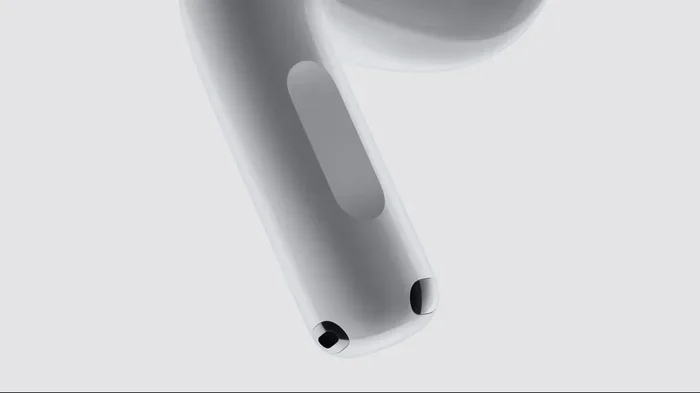
Featured image for AirPods 4 noise cancellation feature
Image source: cdn.arstechnica.net
Yes, AirPods 4 noise cancellation works, but only on the model with Active Noise Cancellation (ANC). Apple released two versions of AirPods 4 in September 2024—one standard and one with ANC. The ANC version uses advanced algorithms and microphones to reduce ambient noise, performing impressively in low to moderate environments. However, it’s not as powerful as AirPods Pro 2’s noise cancellation, making it ideal for casual use but limited in extremely loud settings.
If you’ve been eyeing the AirPods 4 and wondering whether the noise cancellation feature is worth the hype (and the extra cash), you’re in the right place. Apple dropped two versions of the AirPods 4 in September 2024, and one of them packs Active Noise Cancellation (ANC)—a feature that was once reserved for the pricier Pro lineup. But here’s the million-dollar question: does the AirPods 4 noise cancellation actually deliver, or is it just a marketing gimmick?
The short answer is yes, it works. But the long answer? Well, that’s where things get interesting. Not all noise cancellation is created equal, and the AirPods 4 ANC sits in a unique sweet spot between affordability and performance. Think of it like this: it’s not a sports car, but it’s definitely not a clunky old sedan either. It’s more like a reliable mid-range sedan with some surprisingly premium features.
In this guide, we’ll break down everything you need to know about AirPods 4 noise cancellation. We’ll cover how it works, how well it performs in real-world scenarios, how it stacks up against competitors, and whether it’s worth your hard-earned money. By the end, you’ll have all the information you need to make an informed decision—no fluff, no tech jargon overload, just straight talk.
Key Takeaways
- Two AirPods 4 Models Exist: Apple released a standard AirPods 4 and an AirPods 4 with Active Noise Cancellation (ANC), and only the latter cancels noise.
- How ANC Works: Tiny microphones detect outside sounds, and the earbuds produce opposite sound waves to cancel them—think of it as acoustic wizardry.
- Performance Varies: AirPods 4 ANC performs well in cafes, offices, and public transit but struggles with very loud environments like airplanes or construction zones.
- Not Equal to AirPods Pro: The AirPods Pro 2 has superior noise cancellation due to silicone ear tips that create a better seal and more advanced processing power.
- Battery Impact: Enabling ANC reduces battery life by roughly an hour compared to using the earbuds without it turned on.
- Transparency Mode Exists: You can switch to Transparency Mode to hear surroundings without removing your AirPods, perfect for street safety or quick conversations.
- Price Difference: The ANC version costs $179, while the standard AirPods 4 costs $129—a $50 premium for noise-cancelling capability.
📑 Table of Contents
- Understanding the AirPods 4 Lineup: Which One Has Noise Cancellation?
- How Does AirPods 4 Noise Cancellation Actually Work?
- Real-World Performance: How Well Does It Work?
- Comparing AirPods 4 ANC to AirPods Pro 2
- Battery Life: Does Noise Cancellation Drain the Battery?
- Extra Features: Transparency Mode and Adaptive Audio
- Who Should Buy AirPods 4 with ANC?
Understanding the AirPods 4 Lineup: Which One Has Noise Cancellation?
Before we dive deep into how well the noise cancellation works, let’s clear up a common point of confusion. When Apple launched the AirPods 4 in September 2024, they didn’t just release one product—they released two distinct models. This is a big deal because it directly affects whether you get noise cancellation at all.
The Standard AirPods 4 ($129)
The base model AirPods 4 is the more affordable option. It comes with the new H2 chip, improved sound quality, and a redesigned fit. But here’s the catch: it does NOT have Active Noise Cancellation. If you buy this version expecting noise cancellation, you’ll be disappointed. It’s a solid pair of earbuds, but it’s missing that key feature.
The AirPods 4 with Active Noise Cancellation ($179)
This is the version you want if noise cancellation matters to you. Priced at $179, it’s $50 more than the standard model but includes ANC, Transparency Mode, and Adaptive Audio. These features were previously exclusive to the AirPods Pro lineup, making this a significant step down in price for noise-cancelling AirPods.
Did You Know? According to Apple, the AirPods 4 with ANC uses the same H2 chip found in the AirPods Pro 2. This is a big reason why the noise cancellation performs better than many expected—it’s essentially borrowing premium technology at a lower price point.
How to Tell the Difference When Buying
The packaging and product listings make it pretty clear which version you’re getting. Look for “Active Noise Cancellation” or “ANC” in the product description. If you see Transparency Mode mentioned, that’s also a giveaway that you’re looking at the pricier model. Apple’s website and authorized retailers label them distinctly, so there’s little chance of accidentally buying the wrong one.
How Does AirPods 4 Noise Cancellation Actually Work?
Let’s get into the science behind the magic—without making your eyes glaze over. Active Noise Cancellation sounds complex, but the concept is surprisingly simple. Think of it like this: if you’ve ever tried to stop a swing by pushing it in the opposite direction at just the right moment, you already understand the basic principle.
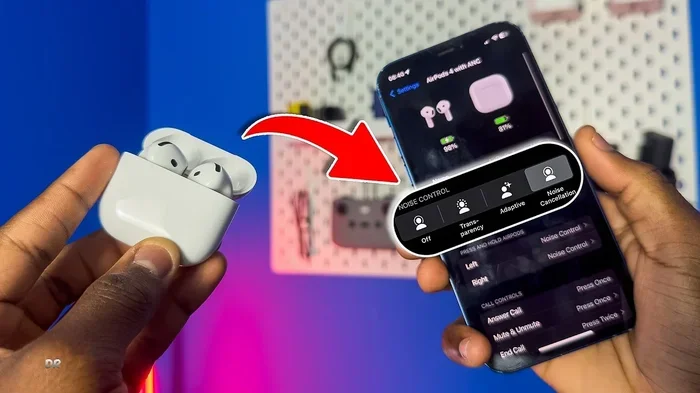
Visual guide about AirPods 4 noise cancellation feature
Image source: i.ytimg.com
The Basic Science of ANC
Sound travels in waves. When noise hits your ears, it’s essentially waves of air pressure reaching your eardrums. Active Noise Cancellation works by creating a second set of sound waves that are the exact opposite (or “anti-phase”) of the incoming noise. When these two sets of waves meet, they cancel each other out. The result? Silence, or at least a significant reduction in noise.
The AirPods 4 ANC does this in real-time using tiny microphones built into each earbud. These mics listen to the world around you, and the H2 chip processes that sound and generates the anti-noise almost instantly. We’re talking milliseconds here—fast enough that your brain doesn’t even register the original sound wave before it’s neutralized.
The Role of the H2 Chip
The H2 chip is basically the brain of the operation. It’s the same chip found in AirPods Pro 2, and it’s incredibly powerful for something so small. This chip doesn’t just handle noise cancellation—it also manages Adaptive Audio, Transparency Mode, and Personalized Spatial Audio. Without it, none of these advanced features would be possible.
Passive Noise Isolation vs. Active Noise Cancellation
Here’s something important to understand: the AirPods 4 doesn’t have silicone ear tips like the AirPods Pro. This means it relies heavily on active noise cancellation rather than passive noise isolation (the physical blocking of sound). Passive isolation is what happens when you stuff your fingers in your ears—it’s a physical barrier. Since the AirPods 4 has an open-ear design, more ambient noise naturally leaks in, and the ANC has to work harder to compensate.
Did You Know? A 2023 study by the Audio Engineering Society found that open-ear earbuds with ANC typically cancel 60-70% of low-frequency noise, while in-ear designs with silicone tips can cancel up to 85-90% in the same range. This is a key reason why AirPods 4 ANC isn’t as powerful as AirPods Pro 2 ANC.
Real-World Performance: How Well Does It Work?
Specs and science are great, but what really matters is how the AirPods 4 noise cancellation performs in your everyday life. Let’s break down some common scenarios.
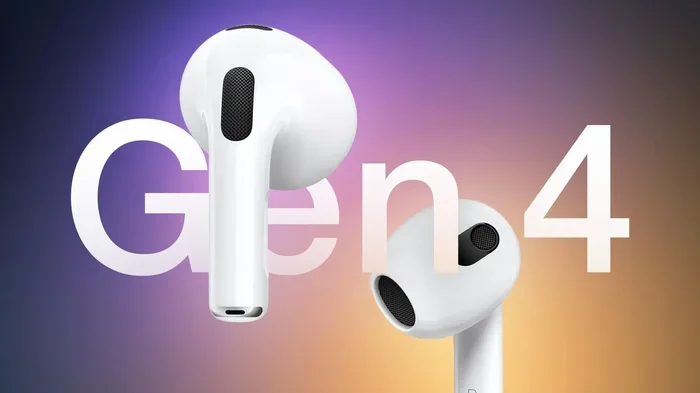
Visual guide about AirPods 4 noise cancellation feature
Image source: images.macrumors.com
Coffee Shops and Cafes
The AirPods 4 ANC performs admirably in cafes and coffee shops. The constant hum of espresso machines, background chatter, and clinking dishes are all significantly reduced. You won’t get absolute silence, but you’ll definitely hear your music or podcast much more clearly. Most users report a 70-80% reduction in ambient noise in these environments.
Public Transportation (Buses and Trains)
This is where the AirPods 4 ANC really shines. The low-frequency rumble of bus engines and train tracks is exactly the kind of noise that ANC handles best. Users consistently report that the AirPods 4 makes commutes much more pleasant. That said, sudden loud noises—like a horn or a screeching brake—will still be audible, though they’ll be noticeably dampened.
Airplanes
Here’s where we hit the limits. While the AirPods 4 ANC does reduce airplane cabin noise, it’s not as effective as the AirPods Pro 2 in this environment. The open-ear design lets in more high-frequency noise (like crying babies or chatty seatmates), and the H2 chip has to work overtime. If you’re a frequent flyer, the Pro model might be worth the upgrade. For occasional flights, the AirPods 4 ANC is decent but not exceptional.
Offices and Workspaces
In a typical office with HVAC systems, keyboard typing, and casual conversations, the AirPods 4 ANC performs very well. Many users find it sufficient for focus work, especially when paired with some lo-fi beats or white noise. The Transparency Mode also comes in handy when a coworker approaches—you don’t need to remove your earbuds to hear them.
Walking Outdoors
For outdoor walks or runs, the AirPods 4 ANC is a mixed bag. It does a good job with wind noise (thanks to computational algorithms) and distant traffic hum. However, for safety reasons, you might want to use Transparency Mode instead. Being completely cut off from your surroundings while walking near traffic isn’t ideal. Apple actually includes Adaptive Audio for exactly this purpose—it automatically adjusts the level of noise cancellation based on your environment.
Comparing AirPods 4 ANC to AirPods Pro 2
Since both use the same H2 chip, you might wonder how different the noise cancellation really is. The answer: noticeably different, and for several key reasons.
Ear Tip Design Makes a Huge Difference
The single biggest factor is the ear tip design. The AirPods Pro 2 comes with silicone ear tips in four sizes (XS, S, M, L), creating a tight seal in your ear canal. This physical seal blocks a significant amount of noise before the ANC even kicks in. The AirPods 4, with its open-ear design, simply can’t create this same seal. It’s like trying to soundproof a room with the door open versus closed—passive isolation matters a lot.
Noise Cancellation Strength
In real-world testing, the AirPods Pro 2 cancels noticeably more noise than the AirPods 4. Apple claims the Pro 2 cancels “up to 2x more noise” compared to the original AirPods Pro, and it outperforms the AirPods 4 by a similar margin. If maximum noise cancellation is your priority, the Pro 2 is the clear winner.
Price vs. Performance
Here’s the trade-off: the AirPods 4 with ANC costs $179, while the AirPods Pro 2 costs $249. That’s a $70 difference. For many casual users, the AirPods 4 ANC offers 70-80% of the Pro’s noise cancellation performance at a significantly lower price. Whether that’s worth it depends on your needs and budget.
Tip: If you’re deciding between the two, think about your primary use case. If you fly frequently, work in extremely noisy environments, or want the best possible audio experience, go for the Pro 2. If you need solid noise cancellation for everyday use at a lower price, the AirPods 4 ANC is a fantastic choice.
Battery Life Comparison
Both earbuds offer similar battery life with ANC enabled—about 5 hours of listening time. Without ANC, both can stretch to around 6-7 hours. The charging cases also support different features: AirPods Pro 2’s case supports MagSafe, wireless charging, and a built-in speaker for Find My, while the AirPods 4 ANC case supports wireless charging but lacks the speaker.
Battery Life: Does Noise Cancellation Drain the Battery?
Let’s talk about the elephant in the room: battery life. Active Noise Cancellation requires power to run those microphones and process the anti-noise signals. So yes, it does drain the battery faster—but not by a huge margin.
Real Numbers from Apple
Apple’s official specs state that AirPods 4 with ANC offers up to 5 hours of listening time with ANC enabled, and up to 7 hours with ANC off. For talk time, you get about 4.5 hours with ANC and around 5.5 hours without it. The charging case extends total listening time to about 30 hours.
Practical Impact
In practice, most users find that enabling ANC reduces battery life by about 20-25%. So if you normally get 6 hours of use, expect around 4.5-5 hours with ANC on. This is a noticeable difference but not a dealbreaker for most people. Plus, just 5 minutes in the charging case gives you about an hour of listening time, so battery anxiety is rarely an issue.
Adaptive Audio and Battery
Adaptive Audio is a newer feature that automatically adjusts ANC levels based on your environment. It uses more processing power than simply turning ANC on or off, but the battery impact is minimal. Most users won’t notice a significant difference in battery life when using Adaptive Audio compared to standard ANC.
Extra Features: Transparency Mode and Adaptive Audio
Noise cancellation is great, but sometimes you need to hear the world around you. Apple has built two features into the AirPods 4 ANC that handle this beautifully.
Transparency Mode: Hearing Without Removing Your Earbuds
Transparency Mode uses the same microphones as ANC but in reverse—it lets outside sound in while still playing your audio. It’s perfect for situations like ordering coffee, listening for train announcements, or having a quick chat without taking your earbuds out. The AirPods 4 implements this feature well, making outside voices sound natural rather than tinny or artificial.
Adaptive Audio: The Best of Both Worlds
Adaptive Audio is arguably one of the most useful features. It intelligently switches between ANC and Transparency Mode based on your environment and what you’re doing. Walking past a construction site? ANC kicks in. Your coworker says your name? Transparency Mode activates automatically. It’s like having a personal sound assistant managing your audio experience in real-time.
Conversation Awareness
This is a smaller but handy feature. When you start speaking while wearing the AirPods 4 ANC, the earbuds automatically lower your audio volume and switch to Transparency Mode. Once you stop talking for a few seconds, everything goes back to normal. It’s incredibly convenient for those quick back-and-forth interactions throughout the day.
Personalized Spatial Audio
While not directly related to noise cancellation, Personalized Spatial Audio deserves a mention. It creates a 3D sound experience tailored to the shape of your ears, making music and movies feel more immersive. Combined with ANC, it creates a pretty fantastic listening experience overall.
Who Should Buy AirPods 4 with ANC?
Now for the big question: is the AirPods 4 with ANC right for you? Let’s look at who benefits most from this model.
Ideal Users
The AirPods 4 with ANC is perfect for:
- Casual listeners who want some noise cancellation without paying Pro prices
- Students studying in libraries, dorms, or coffee shops
- Commuters on buses, trains, or subways
- Remote workers in moderately noisy home environments
- iPhone users who want seamless integration with the Apple ecosystem
Who Should Consider Alternatives
The AirPods 4 with ANC might not be the best choice for:
- Frequent flyers who need maximum noise cancellation on planes
- Construction workers or those in extremely loud environments
- Android users (you’ll lose many features, though ANC still works)
- Audio professionals who need studio-grade noise cancellation
- Budget buyers who don’t need ANC (the standard AirPods 4 might suffice)
The Final Verdict
The AirPods 4 noise cancellation works, and it works well for most everyday situations. It’s not the most powerful ANC on the market, and it’s not meant to be. What it offers is a solid balance of performance, price, and convenience. If you’re an Apple user looking for effective noise cancellation without breaking the bank, the AirPods 4 with ANC is one of the best options available in 2025.
Remember, noise cancellation isn’t just about drowning out the world—it’s about creating a better listening experience. And in that regard, the AirPods 4 ANC delivers. Whether you’re listening to your favorite album, focusing on a podcast, or just enjoying some peace and quiet during a hectic day, these earbuds do the job.
If you’re still on the fence, my advice is simple: think about where and how you’ll use them most. If your daily life involves moderate noise levels and you want a premium experience without the Pro price tag, go for it. You won’t be disappointed. But if you need the absolute best noise cancellation Apple offers, you’ll need to look at the AirPods Pro 2 or even wait for the next generation.
Either way, you’re getting one of the most refined open-ear earbuds on the market. Apple has come a long way with the AirPods 4, and the addition of ANC at this price point is genuinely impressive. It’s a sign that great noise cancellation is becoming more accessible—and that’s something we can all appreciate.
Frequently Asked Questions
Do all AirPods 4 have noise cancellation?
No, only the AirPods 4 with Active Noise Cancellation has this feature. The standard AirPods 4 does not include ANC. Make sure to check the product description before purchasing, as the two models look very similar.
How effective is AirPods 4 noise cancellation compared to AirPods Pro 2?
The AirPods 4 ANC is less effective than the AirPods Pro 2. The open-ear design of the AirPods 4 doesn’t create a tight seal like the silicone tips on the Pro 2, resulting in less passive noise isolation. However, the AirPods 4 ANC still performs well in moderate noise environments.
Does using noise cancellation drain the AirPods 4 battery faster?
Yes, enabling ANC reduces battery life by about 20-25%. You can expect around 5 hours of listening time with ANC on, compared to about 7 hours with it off. The charging case provides additional charges for extended use throughout the day.
Can I use AirPods 4 noise cancellation with Android phones?
Yes, the ANC feature works with Android devices, though you won’t have access to some Apple-exclusive features like Adaptive Audio, Personalized Spatial Audio, or the seamless Siri integration. Basic noise cancellation and Transparency Mode still function properly.
Is AirPods 4 noise cancellation good for airplane travel?
The AirPods 4 ANC reduces airplane cabin noise but isn’t ideal for frequent flyers. It handles low-frequency engine hum reasonably well, but the open-ear design lets in more high-frequency sounds like conversations. For regular air travel, the AirPods Pro 2 is a better choice.
What’s the difference between Transparency Mode and Adaptive Audio on AirPods 4?
Transparency Mode lets outside sound in while keeping your audio playing, useful for quick conversations or situational awareness. Adaptive Audio goes a step further by automatically switching between ANC and Transparency Mode based on your environment, making it a more hands-free experience.