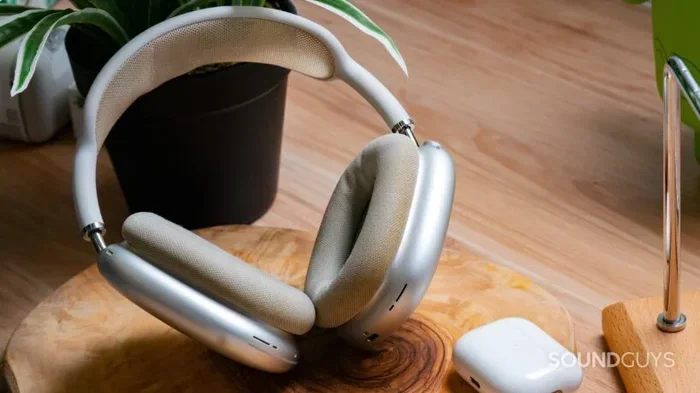
Featured image for AirPods Max bass headphones
Image source: soundguys.com
Yes, AirPods Max deliver excellent bass quality that rivals many dedicated audiophile headphones. Apple’s premium over-ear headphones feature custom 40mm drivers and advanced computational audio that produces deep, controlled, and distortion-free low frequencies. While bass is rich and powerful, it’s notably balanced rather than boomy, making AirPods Max suitable for everything from hip-hop to classical music. Most users and reviewers agree the bass performance exceeds expectations for a wireless headphone at this price point.
If you’ve ever put on a pair of headphones and felt that deep rumble in your chest when a bass drop hits, you already understand why bass matters. It’s the foundation of music, the thump that gets your head nodding, the warmth that makes a song feel complete. So when someone drops $549 on a pair of premium headphones, the big question becomes: do they actually deliver where it counts?
The AirPods Max have generated plenty of buzz since their launch in December 2020, and bass quality sits right at the center of most conversations. Some say they’re too neutral, while others praise their tight, refined low-end. The truth, as always, lives somewhere in the middle. These headphones take a unique approach to bass that sets them apart from both bass-heavy consumer headphones and flat studio monitors.
Think of bass in headphones like the foundation of a house. You want it solid, deep, and stable. But you don’t want it so heavy that it cracks the walls (or in this case, muddies the vocals and instruments sitting on top of it). AirPods Max aim for that perfect balance, and understanding how they achieve it will help you decide if they’re right for your ears.
Key Takeaways
- Custom 40mm Drivers: AirPods Max use Apple-designed dynamic drivers that move more air, creating deeper and more accurate bass response than standard headphone drivers.
- Computational Audio Processing: The H1 chip in each ear cup analyzes sound 9 billion times per second, adjusting bass in real-time for optimal low-frequency delivery.
- Balanced Bass Signature: Unlike bass-heavy competitors, AirPods Max deliver tight, controlled bass that doesn’t overwhelm mids and highs.
- Sealed Over-Ear Design: The closed-back design creates a better seal around your ears, which directly improves bass response and isolation.
- Adaptive EQ Technology: This feature continuously tunes the sound based on the seal and fit of the ear cushions, ensuring consistent bass performance.
- No Wired Boost Needed: AirPods Max deliver strong bass performance wirelessly, unlike many audiophile headphones that require wired connections for full sound.
- Better Than AirPods Pro: The larger drivers and over-ear design produce noticeably more powerful and refined bass than the in-ear AirPods Pro.
📑 Table of Contents
Understanding AirPods Max Bass Performance
Let’s start with the basics. When people ask whether AirPods Max have good bass, they’re really asking three different questions: How deep does the bass go? How accurate is it? And does it sound good across different music genres? The answer to all three is a qualified yes, but with important nuances that matter.
The Hardware Behind the Sound
AirPods Max feature custom-designed 40mm dynamic drivers. Now, 40mm might not sound impressive when some headphones sport 50mm drivers, but size isn’t everything. Think of it like engines: a well-designed smaller engine can outperform a clunky larger one. Apple’s drivers are engineered with dual neodymium ring magnets and a copper voice coil, which allows them to move air with precision and power.
Did You Know? The human ear can typically detect frequencies as low as 20Hz, and AirPods Max can reproduce frequencies down to about 20Hz with minimal distortion. That’s the absolute bottom of human hearing, meaning these headphones can theoretically produce every bass note you’re physically capable of perceiving.
The over-ear design also plays a huge role. Unlike earbuds that sit in your ear canal, the AirPods Max ear cups completely surround your ears. This creates a sealed acoustic chamber that traps air movement and channels it directly toward your eardrums. The result? Bass that feels more substantial and three-dimensional.
What “Good Bass” Actually Means
Here’s something many people miss: good bass isn’t just about loudness or depth. It’s about quality. Imagine the difference between a rough-edged pencil drawn hard across paper versus a fine-tipped pen gliding smoothly. Both make marks, but one looks refined while the other looks messy. Bass works the same way.
Good bass should be:
- Deep: Reaching those low frequencies around 20-60Hz that you feel more than hear
- Tight: Starting and stopping precisely without bleeding into other frequencies
- Controlled: Maintaining its character even at high volumes
- Balanced: Supporting the music without overwhelming vocals and instruments
AirPods Max excel at the last three points. Their bass is remarkably controlled, rarely distorting even when you crank the volume. However, some bass enthusiasts feel the deepest sub-bass frequencies (those below 40Hz) could be more pronounced.
The Science of Computational Bass
Here’s where AirPods Max get really interesting. Unlike traditional headphones that rely purely on physical design for their sound, AirPods Max use computational audio to enhance and refine bass in real-time. Each ear cup contains an Apple H1 chip, and together they perform some serious sonic magic.
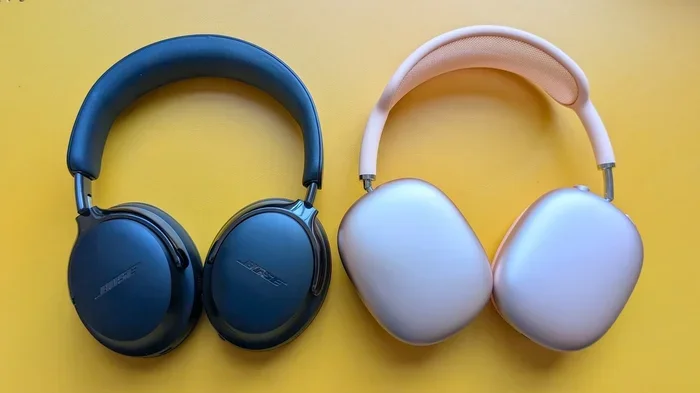
Visual guide about AirPods Max bass headphones
Image source: helios-i.mashable.com
How the H1 Chip Improves Bass
The H1 chips in AirPods Max process audio nine billion times per second. Yes, you read that right, nine billion. This processing power allows the headphones to analyze your music, the seal of the ear cushions, and even ambient noise, then adjust the sound signature on the fly. For bass specifically, this means:
- Real-time EQ adjustments that boost or reduce specific frequencies based on what you’re listening to
- Distortion prevention that keeps bass clean even at maximum volume
- Seal compensation that detects if your ear cushions aren’t perfectly positioned and adjusts accordingly
Think of it like a smart suspension system in a car. Traditional headphones have fixed suspension; you feel every bump (or in this case, every audio imperfection). AirPods Max have adaptive suspension that smooths out the ride continuously, giving you the best possible bass response regardless of conditions.
Adaptive EQ: The Secret Weapon
One feature that deserves special attention is Adaptive EQ. This technology measures the sound signal delivered to your ears and adjusts low and mid frequencies in real-time. If you’re listening to a bass-heavy track, it ensures the bass stays tight. If you’re listening to something more delicate, it preserves the subtle low-end details.
According to Apple’s technical specifications, Adaptive EQ accounts for the personalized fit and seal of the ear cushions, which is crucial for bass reproduction. Even a tiny gap between your ear and the cushion can cause significant bass loss. The AirPods Max continuously monitor this seal and compensate automatically.
Comparing AirPods Max Bass to Competitors
Context matters. Knowing AirPods Max have “good bass” means little without comparing them to alternatives. Let’s see how they stack up against other premium headphones in the same price range and category.
AirPods Max vs. Sony WH-1000XM5
The Sony WH-1000XM5 is often considered the gold standard for wireless noise-canceling headphones. In terms of bass, both headphones perform admirably, but they take different approaches. Sony’s offering tends to emphasize the sub-bass frequencies more, creating a warmer, more impactful low-end that’s particularly noticeable in electronic and hip-hop music.
AirPods Max, by contrast, deliver a more neutral bass response with slightly less sub-bass emphasis but better mid-bass clarity. If you love chest-thumping bass, Sony might edge ahead. If you prefer bass that sounds natural and accurate, AirPods Max take the win.
AirPods Max vs. Bose QuietComfort Ultra
Bose has long been known for their balanced sound signature, and the QuietComfort Ultra continues this tradition. In bass performance, Bose delivers a clean, controlled low-end that many users find pleasing. However, AirPods Max generally offer deeper bass extension and better dynamics.
Where AirPods Max truly shine is in bass texture and detail. You can actually hear the individual notes within a bass line, not just a wall of low-end rumble. This makes them exceptional for genres like jazz and classical music where bass instruments (double bass, bassoon, pipe organ) need to sound natural.
AirPods Max vs. AirPods Pro (2nd Generation)
This comparison is interesting because both use Apple’s computational audio and H1/H2 chips. However, the AirPods Max’s larger drivers and over-ear design give them a significant advantage in bass reproduction. The AirPods Pro deliver impressive bass for earbuds, but they can’t match the physical air movement capabilities of the AirPods Max.
Think of it this way: AirPods Pro are like a good compact speaker, while AirPods Max are like a full home theater system. Both produce bass, but the scale and depth are fundamentally different.
Bass Quality Across Music Genres
Bass performance isn’t one-size-fits-all. How AirPods Max handle bass in a hip-hop track differs from how they handle a Beethoven symphony. Let’s break down the experience across common genres.
Hip-Hop and Rap
Hip-hop is perhaps the most demanding genre for bass performance. Tracks feature deep 808s, punchy kick drums, and sub-bass that can challenge even the best headphones. AirPods Max handle this genre admirably, delivering the thump and rumble that hip-hop listeners crave. The bass is present and powerful without becoming muddy or overwhelming the vocals, which is critical for rap music where lyrics need to stay clear.
Electronic Dance Music (EDM)
EDM producers love bass drops, and AirPods Max deliver them with impact. The controlled nature of the bass means you get those satisfying drops without the distortion that plagues lesser headphones at high volumes. Whether you’re listening to a chill house track or a heavy dubstep banger, the bass response remains consistent and clean.
Rock and Alternative
In rock music, bass guitar needs to sound punchy and defined, blending with the drums rather than overwhelming them. AirPods Max excel here because their balanced signature doesn’t let bass dominate the mix. You can clearly hear the bass guitar working alongside the kick drum, creating that tight rhythm section that defines great rock production.
Classical and Jazz
These genres reveal the true refinement of AirPods Max bass. Double bass in jazz should sound woody and warm, while orchestral bass should feel grand and enveloping. AirPods Max capture these nuances beautifully, delivering bass that’s present when needed but never artificial or over-emphasized.
Pop Music
Pop production often features heavily compressed bass that’s designed to sound good on any speaker. AirPods Max handle these tracks well, though some heavily bass-boosted pop songs might sound slightly different than intended due to the headphones’ more neutral approach. This isn’t necessarily bad, just different.
Tips for Maximizing Bass on AirPods Max
Even great headphones benefit from proper setup and usage. Here are practical tips to ensure you’re getting the best possible bass from your AirPods Max.
Get the Perfect Seal
The single most important factor for good bass is a proper seal between the ear cushions and your head. If hair, glasses, or hat brims break the seal, bass suffers dramatically. Make sure you’re wearing the headphones correctly with both ear cups fully encompassing your ears.
Use the Right Ear Cushings
AirPods Max come with mesh-textured ear cushions, and Apple sells optional leather replacements. The mesh cushions breathe better but may allow slightly less bass isolation. Leather cushions create a better seal and typically deliver more impactful bass. Try both and see which suits your preference.
Enable Spatial Audio for Some Content
While Spatial Audio is primarily designed for surround sound, it can enhance bass perception in certain content, particularly movies and Dolby Atmos music. The processing creates a more immersive experience where bass feels like it surrounds you rather than just hitting your ears.
Check Your Source Quality
Did You Know? AirPods Max support Bluetooth 5.0 with the AAC codec, which means they can receive high-quality audio wirelessly. However, they don’t support higher-resolution codecs like LDAC or aptX HD. If you want the absolute best bass quality, use a wired connection with Apple’s Lightning to 3.5mm adapter and a high-quality source file.
Adjust EQ in Apple Music
While AirPods Max don’t have a manual EQ in their settings, you can adjust EQ presets in Apple Music. If you want more bass, try the “Bass Booster” preset. If you find the default sound too bass-heavy for your taste, experiment with other presets to find your sweet spot.
Keep Firmware Updated
Apple regularly releases firmware updates that can improve sound quality, including bass response. Make sure your AirPods Max are running the latest firmware to benefit from any audio enhancements Apple has implemented.
Who Should Buy AirPods Max for Bass?
Not every headphone is right for every person. Understanding whether AirPods Max match your bass preferences can save you from an expensive mistake.
Perfect for These Listeners
- Audiophiles seeking balanced sound: If you want bass that’s accurate and refined rather than artificially boosted, AirPods Max deliver beautifully.
- Multi-genre music fans: If your taste spans from hip-hop to classical, the balanced signature handles everything well.
- Apple Ecosystem Users: The seamless integration with iPhones, iPads, and Macs makes the experience smooth and enjoyable.
- Professionals needing detail: Audio professionals will appreciate the bass clarity and lack of distortion.
Consider Alternatives If
- You crave extreme bass: If you want skull-rattling sub-bass that you feel in your bones, look at Sony WH-1000XM5 or bass-focused headphones from brands like JBL or Beats.
- You primarily use Android: While AirPods Max work with Android, you lose many features including Spatial Audio and automatic switching.
- Budget is a primary concern: At $549, AirPods Max are expensive. Several alternatives offer comparable bass at lower prices.
The Final Verdict on AirPods Max Bass
So, do AirPods Max have good bass? The answer is an emphatic yes, with the caveat that “good” depends on what you’re looking for. If you want bass that’s deep, powerful, and makes your favorite songs feel alive, AirPods Max deliver. If you want bass that’s meticulously accurate, controlled at all volumes, and balanced with the rest of the frequency spectrum, they’re exceptional.
What makes AirPods Max special isn’t just the physical drivers or the computational audio, though both are impressive. It’s the combination of these technologies working together to create a bass response that adapts to your music, your environment, and even how you’re wearing them. This adaptability is something traditional headphones simply can’t match.
Yes, there are headphones out there with more pronounced bass. Sony’s offerings, various Beats models, and dedicated bass-head headphones from other brands all push the low-end harder. But AirPods Max strike a balance that most listeners will appreciate, offering satisfying bass without sacrificing clarity and detail in the rest of the music.
For most users, AirPods Max bass performance exceeds expectations. They’re not bass-canon headphones, but they’re not trying to be. They aim for a premium listening experience where every frequency, including bass, serves the music. In that mission, they succeed admirably. Whether that success is worth the premium price tag is a decision only your ears and your wallet can make.
If you’re already invested in the Apple ecosystem, value balanced sound, and want headphones that work seamlessly across all your devices, AirPods Max bass quality is just one of many reasons they’re worth considering. Just remember to get that proper seal and keep them updated for the best possible experience.
Frequently Asked Questions
Are AirPods Max bass-heavy?
AirPods Max deliver rich, present bass but aren’t considered bass-heavy compared to consumer headphones from brands like Beats or Sony. They focus on balanced, controlled low-end rather than overwhelming sub-bass boost, making them suitable for accurate music reproduction.
Do AirPods Max have better bass than AirPods Pro?
Yes, AirPods Max produce noticeably better bass than AirPods Pro due to their larger 40mm drivers, over-ear design, and superior seal. The physical air movement capability of the larger drivers creates deeper, more impactful bass than the in-ear AirPods Pro can achieve.
Can you increase bass on AirPods Max?
While AirPods Max don’t have a built-in manual EQ, you can adjust bass using EQ presets in Apple Music or third-party equalizer apps. The “Bass Booster” preset in Apple Music noticeably increases low-end response for users who want more impact.
Do AirPods Max distort at high volumes?
AirPods Max are remarkably resistant to distortion even at maximum volume, thanks to their computational audio processing. The H1 chips actively prevent the drivers from being pushed beyond their limits, maintaining clean bass reproduction at any listening level.
Is the AirPods Max bass better wired or wireless?
AirPods Max deliver excellent bass in both wired and wireless modes. However, using a wired connection with a high-quality source can provide slightly better bass detail and extension, since Bluetooth compression is eliminated from the audio chain.
What music genres showcase AirPods Max bass best?
AirPods Max handle all genres well, but hip-hop, EDM, and electronic music showcase their bass capabilities most dramatically. The controlled nature of the bass also makes them excellent for jazz and classical music, where natural-sounding low frequencies are crucial for authentic reproduction.