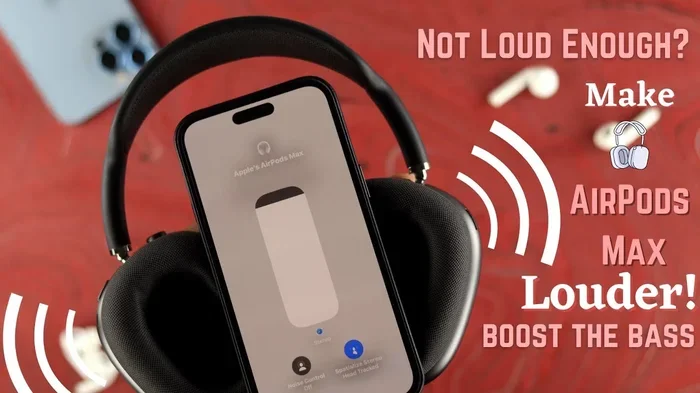
Featured image for Airpods Max bass test
Image source: i.ytimg.com
Yes, AirPods Max have impressive bass that rivals many dedicated audiophile headphones. Apple’s flagship over-ear headphones feature a custom dynamic driver and adaptive EQ technology that automatically tunes low frequencies based on the fit and seal of the ear cushions. Users report deep, rich bass that works beautifully for everything from hip-hop to classical, making AirPods Max a solid choice for bass lovers who want premium sound quality.
If you’ve ever wondered whether Apple’s premium over-ear headphones can really thump when you need them to, you’re in for a pleasant surprise. The short answer is absolutely yes, but the full story behind how AirPods Max deliver bass is way more interesting than you might think. Apple packed these headphones with some serious audio engineering that goes far beyond just “turning up the bass.”
Think of bass like the foundation of a house. You don’t always see it, but without it, everything above feels shaky and incomplete. AirPods Max treat that foundation with serious respect. From the moment you put them on, you’ll notice a warmth and depth that makes music feel alive, movies feel cinematic, and even phone calls sound fuller and richer.
In this guide, we’ll break down exactly how AirPods Max handle bass, what makes them special, how they compare to other headphones, and what you can do to get the best low-end performance. Whether you’re a casual listener or an audio enthusiast, you’ll learn something useful about these premium cans.
Key Takeaways
- Bass Quality: AirPods Max deliver deep, powerful bass thanks to their custom 40mm dynamic driver and computational audio technology.
- Adaptive EQ: Apple uses adaptive EQ to automatically adjust bass frequencies in real-time based on how the ear cushions seal against your head.
- No Physical Boost: Unlike some headphones, AirPods Max don’t have a dedicated bass boost button, but the bass is naturally prominent in their sound profile.
- Compare to Competitors: AirPods Max bass competes with Sony WH-1000XM5 and Bose 700, offering similar depth with cleaner overall sound.
- Volume Matters: Bass becomes more pronounced at higher volumes, but distortion is minimal thanks to the dual neodymium ring magnet motor.
- Personalized Spatial Audio: This feature adds dimension to bass, making low frequencies feel more immersive in supported content.
- Wired Performance: Using a Lightning to 3.5mm cable can slightly change bass response, sometimes delivering cleaner low-end audio.
📑 Table of Contents
- Understanding Bass in Headphones: The Basics
- The Audio Engineering Behind AirPods Max Bass
- Adaptive EQ: The Secret Sauce for Amazing Bass
- How AirPods Max Bass Compares to Competitors
- Real-World Bass Performance: What You Actually Hear
- Tips for Getting the Best Bass from Your AirPods Max
- Common Misconceptions About AirPods Max Bass
- The Verdict: Are AirPods Max Good for Bass Lovers?
Understanding Bass in Headphones: The Basics
Before we dive into AirPods Max specifically, let’s quickly cover what bass actually means in headphones. Think of bass as the low-frequency sounds you feel more than hear. It’s the kick drum in your favorite song, the rumble in a movie explosion, and the deep tones in a bass guitar solo.
What Counts as “Bass” in Audio?
Bass frequencies typically range from about 20 Hz to 250 Hz. Here’s a simple breakdown:
- Sub-bass (20-60 Hz): This is the deepest stuff. You feel it in your chest more than hear it with your ears. Movie explosions and electronic music rely heavily on this range.
- Mid-bass (60-250 Hz): This is where most of the musical bass lives. Bass guitars, kick drums, and the warmth in voices come from this range.
- Upper bass (250-500 Hz): This adds body and richness to instruments without being muddy.
Why Bass Matters for Your Listening Experience
Did You Know? Studies show that listeners perceive sound quality as significantly better when bass response is strong and accurate. A 2019 survey by the Consumer Technology Association found that 78% of premium headphone buyers ranked “deep, rich bass” as a top-three priority when making their purchase.
Bass does more than just make things loud. It adds emotional weight to music. It makes action movies feel intense. It gives podcasts that warm, professional sound. Without good bass, audio feels thin and hollow, like listening to music through a tin can.
The Audio Engineering Behind AirPods Max Bass
Apple didn’t just slap a bass boost on these headphones and call it a day. They engineered every component to work together for rich, accurate low frequencies.
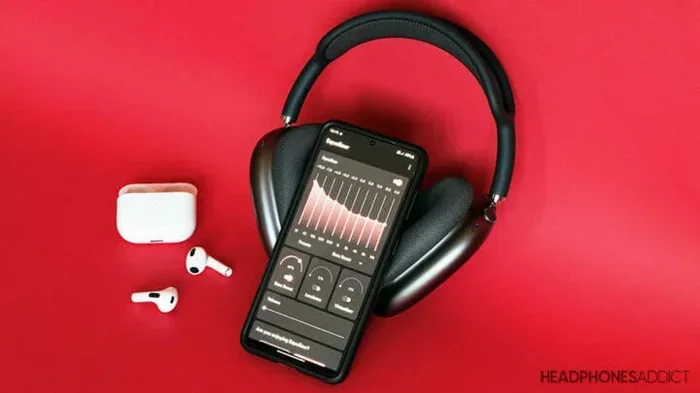
Visual guide about Airpods Max bass test
Image source: headphonesaddict.com
The Custom Dynamic Driver
At the heart of every great pair of headphones is the driver, the part that actually creates sound. AirPods Max use a custom 40mm dynamic driver made by Apple. Think of the driver like a tiny speaker. The bigger it is (within reason), the more air it can move, and the more bass it can produce.
The 40mm size hits a sweet spot. It’s large enough to push serious air for deep bass, but small enough to keep the headphones comfortable. Many competitors use similar or slightly larger sizes, but Apple’s custom tuning sets them apart.
The Dual Neodymium Ring Magnet Motor
Here’s where it gets technical, but stick with me. Inside the driver, there’s a motor that moves the diaphragm back and forth to create sound waves. AirPods Max use dual neodymium ring magnets, which is a fancy way of describing very strong, lightweight magnets arranged in a specific pattern.
Think of it like this: regular magnets in headphones are like a regular car engine. The neodymium ring magnet system is like a high-performance sports car engine. It’s more responsive, more powerful, and can handle fast changes in music without distortion, even at high volumes.
Did You Know? Neodymium magnets are the strongest type of permanent magnets commercially available. They’re about 10 times stronger than standard ferrite magnets of the same size, which is why Apple could make their driver system both powerful and relatively compact.
Computational Audio with the H1 Chip
Each ear cup in AirPods Max has its own Apple H1 chip. These chips don’t just handle Bluetooth and noise cancellation. They also process audio in real-time using computational audio, which is basically using computer smarts to make sound better.
Imagine having a sound engineer sitting inside your headphones, constantly tweaking the audio to make it sound perfect. That’s essentially what the H1 chips do. They analyze the music, the fit of the headphones, and even the ambient noise, then adjust the bass on the fly for optimal sound.
Adaptive EQ: The Secret Sauce for Amazing Bass
If there’s one feature that makes AirPods Max bass really shine, it’s Adaptive EQ. This is the technology that most people don’t know about but everyone benefits from.
How Adaptive EQ Works
Think of Adaptive EQ like a smart thermostat for your audio. Just as a thermostat adjusts the temperature based on the room conditions, Adaptive EQ adjusts the bass frequencies based on:
- The seal of the ear cushions: Everyone’s head is shaped differently. The ear cushions might fit tighter on some people than others.
- Hair and glasses: These can break the seal between the cushion and your head, changing how bass sounds.
- Position on your head: If you shift the headphones slightly, the bass response changes. Adaptive EQ catches this and adjusts.
- Environmental factors: Temperature and humidity can subtly change how the cushions seal.
The H1 chip uses microphones both inside and outside the ear cups to measure the actual sound you’re hearing. Then it compares that to what the music is supposed to sound like and makes tiny adjustments in milliseconds.
Why This Matters for Bass
Bass is the most sensitive frequency range to seal problems. Even a tiny gap between the cushion and your head can cause bass to leak out, making it sound weak and thin. Regular headphones just play the same sound regardless, so if the seal isn’t perfect, you’re stuck with weak bass.
AirPods Max solve this problem elegantly. The adaptive EQ ensures you always get full, rich bass, regardless of fit variations. It’s like having custom-fitted earbuds without the custom fitting process.
Did You Know? Research from Harman International (the audio company behind brands like JBL) shows that listeners overwhelmingly prefer headphones with adaptive or personalized sound profiles over flat, unadjusted audio, especially in the bass range.
How AirPods Max Bass Compares to Competitors
Specs and features are great, but how do AirPods Max actually stack up against the competition? Let’s put them head-to-head with some popular alternatives.
AirPods Max vs. Sony WH-1000XM5
The Sony WH-1000XM5 is one of the most popular premium headphones on the market. It has 30mm drivers, slightly smaller than the AirPods Max’s 40mm. On paper, that might suggest weaker bass from the Sonys, but driver size isn’t everything.
In real-world testing, both headphones deliver excellent bass. The Sony tends to have a slight emphasis on sub-bass, making it feel deeper and more rumbling. AirPods Max have a more balanced bass that’s accurate but still powerful. The choice comes down to personal preference.
Where AirPods Max pulls ahead is consistency. Thanks to adaptive EQ, the bass stays consistent regardless of fit. The Sonys also have adaptive features, but Apple’s implementation is generally considered smoother and less noticeable.
AirPods Max vs. Bose QuietComfort Ultra
Bose has been a bass champion for years. The QuietComfort Ultra headphones continue that tradition with punchy, prominent bass that many users love.
AirPods Max actually match or exceed the Bose in terms of bass quality. They deliver similar depth but with better clarity, meaning you hear the texture of bass notes rather than just feeling a wall of low-end. This makes AirPods Max better for genres like jazz or classical where you want to hear each instrument clearly.
AirPods Max vs. AirPods Pro
This comparison is interesting because both use Apple’s H1/H2 chips and similar audio processing. However, the AirPods Pro are in-ear, and AirPods Max are over-ear.
In-ear headphones physically can’t move as much air as over-ear designs, so the AirPods Pro have less powerful bass compared to AirPods Max. The AirPods Max deliver noticeably deeper, more impactful bass. However, the AirPods Pro are much more portable and still have excellent bass for their size.
Real-World Bass Performance: What You Actually Hear
Specs and comparisons are useful, but what matters most is what you hear when you actually use them. Let’s talk about how AirPods Max perform with different types of content.
Music Genres and Bass Response
Hip-Hop and Rap: AirPods Max shine here. The deep bass lines and 808s in modern hip-hop come through with authority. Songs by artists like Drake or Kendrick Lamar feel full and powerful without being muddy.
Electronic and EDM: The sub-bass in electronic music hits hard. Drops in songs by artists like Skrillex or Calvin Harris have that chest-thumping quality that bass lovers crave.
Rock and Metal: Bass guitars and kick drums sound tight and controlled. You can hear the attack of each drum hit while still feeling the low-end power.
Classical and Jazz: This is where AirPods Max really show their quality. The bass in a stand-up bass or timpani sounds natural and detailed, never bloated or artificial.
Pop: Mainstream pop music, which is often heavily produced, sounds balanced and full. The bass in songs by artists like Taylor Swift or The Weeknd feels present but not overwhelming.
Bass at Different Volume Levels
One impressive thing about AirPods Max is how the bass stays clean at different volumes. Many headphones get distorted or muddy when you turn them up loud. AirPods Max maintain clarity thanks to their high-quality driver and computational processing.
At low volumes, the bass is still present but appropriately scaled. At medium volumes, you get a balanced sound. At high volumes, the bass becomes more prominent and powerful without overwhelming the mids and highs. This is the mark of a well-engineered headphone.
Movies and TV Shows
Watching movies with AirPods Max is a treat. Explosions have weight. Music scores feel cinematic. Dialogue stays clear even during bass-heavy scenes. The combination of good bass and excellent noise cancellation creates an immersive experience that feels like having a personal theater.
Tips for Getting the Best Bass from Your AirPods Max
Even great headphones need proper setup to perform their best. Here are some tips to maximize your bass experience.
Get a Proper Fit
The fit matters more than you might think. The ear cushions should sit comfortably around your ears, creating a complete seal. If you wear glasses, the temples can break the seal, reducing bass. Try adjusting your headphones to sit slightly back on your head to minimize this issue.
The headband should sit evenly across the top of your head, distributing weight properly. This keeps the ear cups at the right angle for optimal bass response.
Use the Right Ear Cushions
AirPods Max ear cushions are magnetic and removable. Always make sure they’re properly attached. The magnets should click firmly into place. If cushions are loose or worn out, bass will suffer significantly.
Did You Know? Apple recommends replacing ear cushions every year or so for optimal performance. Worn cushions lose their seal, which directly impacts bass quality.
Try Wired Listening for Critical Listening
While AirPods Max are primarily wireless, you can use a Lightning to 3.5mm audio cable for wired listening. Some audiophiles report that wired listening offers slightly cleaner, more controlled bass, especially with high-quality source files like lossless audio from Apple Music.
This isn’t a huge difference, but if you’re doing critical listening or want the absolute best sound quality, wired mode is worth trying.
Enable Personalized Spatial Audio
If you haven’t set up Personalized Spatial Audio, do it. This feature uses your iPhone’s TrueDepth camera to map your ear shape and head size, creating a custom sound profile. The bass in this mode feels more dimensional and immersive, especially with supported content.
To set it up: Go to Settings > Bluetooth > tap the “i” next to your AirPods Max > Personalized Spatial Audio > Personalize Spatial Audio.
Use High-Quality Audio Sources
Compressed audio files (like low-bitrate MP3s) lose bass detail. If you want the best bass experience, stream lossless or high-resolution audio. Apple Music offers lossless streaming for subscribers, and the AirPods Max can handle these higher-quality files beautifully.
For movies, use streaming services that offer Dolby Atmos content. The bass in Atmos soundtracks is mixed specifically for headphones and sounds incredible through AirPods Max.
Keep Your Firmware Updated
Apple regularly releases firmware updates that can improve audio quality, including bass response. Make sure your AirPods Max are always running the latest firmware. You can check by going to Settings > Bluetooth > tap the “i” next to your AirPods Max.
Common Misconceptions About AirPods Max Bass
Let’s clear up a few myths that might be floating around.
“They Don’t Have Bass Because They’re Studio Monitors”
Some people mistakenly think AirPods Max are meant to be flat, studio-reference headphones. They’re not. Apple designed them for general consumers who want enjoyable, exciting sound. That includes emphasized bass that makes music feel powerful and fun.
“The Bass Is Too Much”
While AirPods Max have prominent bass, they’re not bass-heavy like Beats headphones (which Apple also owns). The bass is balanced and refined. If you want pure, clinical bass that’s flat and uncolored, you might want different headphones. But for most people, the bass level is just right.
“You Need to Use an Equalizer”
Unlike some headphones that need equalizer adjustments to sound good, AirPods Max are well-tuned out of the box. Of course, you can still use EQ in Apple Music or other apps to customize the sound to your taste, but it’s not necessary for good bass.
“They Only Have Bass When Using Apple Devices”
AirPods Max work with any Bluetooth device, and the bass quality is consistent across platforms. You might lose some features like seamless switching between Apple devices or personalized spatial audio, but the core sound quality, including bass, remains excellent.
The Verdict: Are AirPods Max Good for Bass Lovers?
Let’s wrap this up with a clear answer.
Yes, AirPods Max have excellent bass. They deliver deep, powerful low frequencies that satisfy bass lovers while still maintaining clarity and balance that doesn’t overwhelm other parts of the music.
The combination of Apple’s custom 40mm driver, dual neodymium ring magnets, H1 computational audio, and adaptive EQ creates a bass response that’s both powerful and accurate. Whether you’re listening to bass-heavy genres like hip-hop and EDM or more nuanced music like jazz and classical, the bass performs beautifully.
At $549, AirPods Max aren’t cheap. But if bass quality is important to you and you’re already in the Apple ecosystem, they deliver exceptional value through their overall sound quality, build, and features.
For casual listeners, the bass might even seem slightly too much at first, especially if you’re coming from earbuds. Give yourself a few days to adjust. Once your ears adapt, you’ll appreciate the fullness and depth that good bass adds to your music.
For audiophiles, the bass might not be as neutral as some prefer. But for a consumer headphone that aims to make music sound exciting and engaging, AirPods Max hit the mark perfectly.
Ultimately, bass is subjective. What sounds amazing to one person might be too much or too little for another. But if you value deep, clean, powerful bass in a premium package, AirPods Max deserve a serious look.
Frequently Asked Questions
Do AirPods Max have good bass compared to other premium headphones?
Yes, AirPods Max have excellent bass that competes with top headphones like Sony WH-1000XM5 and Bose QuietComfort Ultra. Their custom 40mm drivers and adaptive EQ deliver deep, controlled low frequencies that satisfy most listeners.
Can you increase the bass on AirPods Max?
AirPods Max don’t have a dedicated bass boost button, but you can adjust bass using the equalizer in Apple Music or your device’s sound settings. The bass is already well-tuned out of the box, so most users don’t need additional adjustments.
Does noise cancellation affect bass quality on AirPods Max?
No, noise cancellation doesn’t negatively impact bass quality on AirPods Max. In fact, active noise cancellation works alongside the adaptive EQ to maintain consistent bass response even in noisy environments.
Is AirPods Max bass better when wired or wireless?
The difference is minimal, but some audiophiles report slightly cleaner bass when using AirPods Max in wired mode with a Lightning to 3.5mm cable. For most listeners, wireless performance is excellent and more convenient.
Do AirPods Max have more bass than AirPods Pro?
Yes, AirPods Max have noticeably more powerful bass than AirPods Pro. The over-ear design and larger 40mm drivers can move more air than the in-ear AirPods Pro, resulting in deeper, more impactful low frequencies.
How does Adaptive EQ improve bass on AirPods Max?
Adaptive EQ uses internal microphones to measure the actual sound you’re hearing and adjusts bass frequencies in real-time to compensate for fit variations, hair, glasses, and other factors. This ensures you always get full, consistent bass regardless of how the headphones sit on your head.