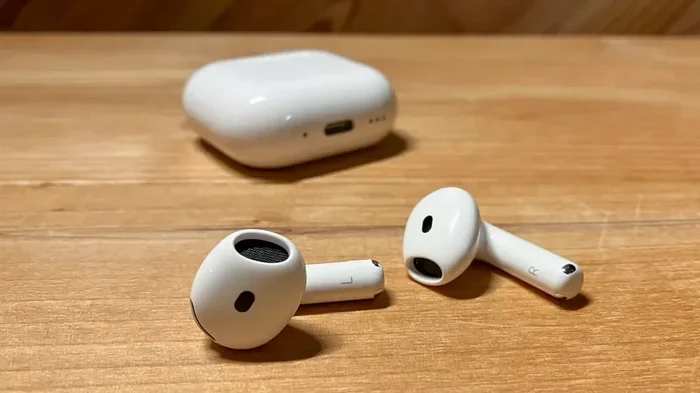
Featured image for AirPods 4 noise cancellation
Image source: sm.pcmag.com
Yes, AirPods 4th Generation do have Active Noise Cancellation (ANC), but only in one specific model. Apple released two versions of the AirPods 4 in September 2024: a standard model without ANC and a premium model that includes noise cancellation features. The ANC version also includes Transparency Mode, Conversation ID, and Adaptive Audio, making it a major upgrade over the previous AirPods 3. This guide breaks down exactly which AirPods 4 model has noise cancellation, how it works, and whether it’s worth the extra cost.
Apple dropped a surprise on the audio world in September 2024. The AirPods 4th Generation arrived not as one product, but two. This split confused millions of buyers who walked into stores expecting a simple upgrade path. The big question on everyone’s mind? Does this new AirPods generation include the noise cancellation feature that made AirPods Pro so popular?
The short answer is yes, but only if you pick the right version. Apple played a clever game this time. They created a standard AirPods 4 for casual listeners who don’t need fancy tech. Then they released a premium AirPods 4 with Active Noise Cancellation for people who want that peaceful bubble of silence. This guide will walk you through every detail so you know exactly what you’re buying.
Think of it like buying a car. The base model gets you from point A to point B just fine. But if you want heated seats and a premium sound system, you upgrade to the luxury trim. Same idea here. Let’s break down everything you need to know about AirPods 4 noise cancellation, including which model has it, how well it works, and whether it justifies the higher price tag.
Key Takeaways
- Two Models Exist: Apple released two AirPods 4 versions in 2024, but only the higher-priced one includes Active Noise Cancellation.
- Open-Ear ANC is a First: The AirPods 4 ANC are the first open-ear AirPods to feature noise cancellation without silicone tips.
- Price Difference: The ANC version costs around $179, while the standard model starts at $129.
- Key Features Included: The ANC model adds Transparency Mode, Adaptive Audio, and Conversation Awareness.
- H2 Chip Power: Both models use the H2 chip, but only the ANC version unlocks noise-canceling capabilities.
- Battery Impact: ANC reduces listening time from 30 hours to 20 hours with the charging case.
- Not Equal to AirPods Pro: AirPods Pro 2 still offers superior noise cancellation due to silicone tips and better sealing.
📑 Table of Contents
- The AirPods 4 Lineup: Understanding the Two Models
- How Does AirPods 4 Noise Cancellation Actually Work?
- What Noise Cancellation Features Are Included?
- AirPods 4 ANC vs AirPods Pro 2: How Do They Compare?
- Who Should Buy AirPods 4 with Noise Cancellation?
- Common Myths About AirPods 4 Noise Cancellation
- Practical Tips for Getting the Most from AirPods 4 ANC
- The Verdict: Is AirPods 4 ANC Worth the Extra Money?
The AirPods 4 Lineup: Understanding the Two Models
Before we dive into noise cancellation specifics, you need to understand the product lineup. Apple made an unusual choice by launching two distinct AirPods 4 models at the same time. This was a first for the standard AirPods line, and it caught many people off guard.
Standard AirPods 4: The Budget-Friendly Option
The basic AirPods 4 retail for $129. This model keeps things simple. You get the new H2 chip, better sound quality than AirPods 3, and the redesigned fit. But Active Noise Cancellation is not included. Apple positioned this version as the successor to the older AirPods for people who don’t care about blocking outside noise.
If you mostly listen to music in quiet environments like your home or office, the standard model works fine. You also get Spatial Audio and Personalized Volume features. The H2 chip brings improved connectivity and faster device switching too. It’s a solid upgrade for casual users who haven’t bought new AirPods in years.
AirPods 4 with Active Noise Cancellation: The Premium Choice
The premium version costs $179, exactly $50 more than the standard model. This price bump gets you Active Noise Cancellation, Transparency Mode, Adaptive Audio, and Conversation Awareness. These features were previously exclusive to AirPods Pro and AirPods Max.
Did you know that the AirPods 4 ANC model is the first open-ear design AirPods to offer noise cancellation? Every previous AirPods with ANC used silicone ear tips to create a seal. Apple managed to engineer effective noise cancellation without that seal, which is genuinely impressive from a technical standpoint.
How Does AirPods 4 Noise Cancellation Actually Work?
Noise cancellation sounds like magic, but it’s actually clever physics. Here’s the simple version: your AirPods listen to the world around you through tiny microphones. They then create a mirror-image sound wave that cancels out the unwanted noise. It’s like throwing two rocks into a pond at the exact same time so the ripples cancel each other out.
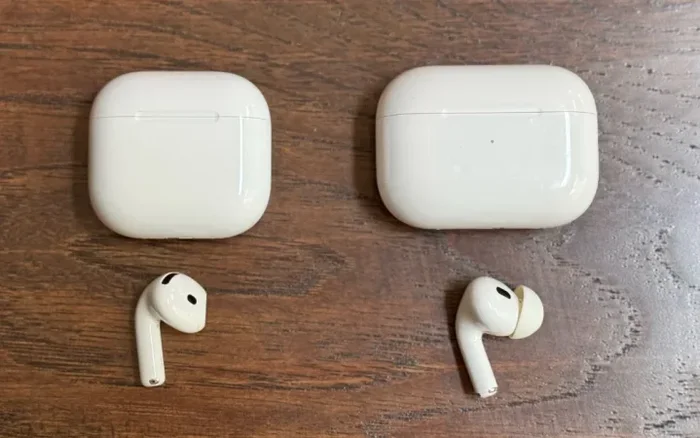
Visual guide about AirPods 4 noise cancellation
Image source: popsci.com
The AirPods 4 ANC uses the same basic principle, but the challenge was huge. Most noise-canceling earbuds rely on silicone tips to physically block sound from entering your ear. This creates a seal that makes noise cancellation much more effective. The AirPods 4 don’t have those tips. They sit in your ear more loosely, similar to the original AirPods design.
The Role of the H2 Chip
Both AirPods 4 models use Apple’s H2 chip. This tiny processor handles everything: audio processing, Siri commands, device switching, and noise cancellation algorithms. The H2 chip processes sound 48,000 times per second, according to Apple. That speed matters because noise cancellation needs to react almost instantly to changing sounds around you.
The chip also enables Personalized Volume, which adjusts audio levels based on your environment and listening habits over time. It learns where you typically need louder or softer sound and adjusts automatically. Pretty smart for a pair of earbuds, right?
Computational Audio Magic
Apple uses what they call computational audio to make the open-ear noise cancellation work. The H2 chip analyzes the fit of your AirPods in real-time and adjusts the noise cancellation accordingly. Everyone’s ears are shaped differently, so the algorithm adapts to your specific ear geometry.
This means the noise cancellation performance can vary from person to person. Someone with smaller ear canals might get a slightly better seal than someone with larger ones. The system compensates for these differences as best it can, but physics still matters. A complete seal will always block more noise than an open design.
What Noise Cancellation Features Are Included?
The AirPods 4 ANC model packs several premium features into a non-Pro package. Let’s walk through each one so you know exactly what you’re getting.
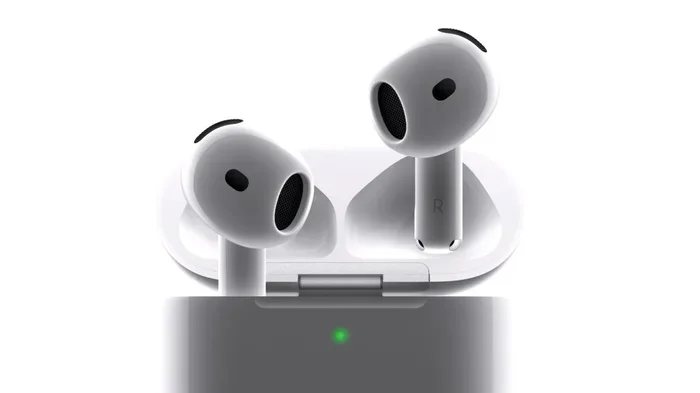
Visual guide about AirPods 4 noise cancellation
Image source: slashgear.com
Active Noise Cancellation (ANC)
The headline feature, obviously. You can toggle ANC on or off depending on your situation. Need to focus at work? Turn it on. Walking through a busy street? Maybe keep it off for safety. The feature uses both feedforward and feedback microphones to analyze and cancel environmental noise.
Feedforward microphones sit on the outside of the earbud and pick up noise before it reaches your ear. Feedback microphones sit inside and catch any noise that gets through. Together, they create a comprehensive noise-canceling system that adapts to your environment in real-time.
Transparency Mode
This feature does the opposite of noise cancellation. It lets outside sound in through the AirPods so you can hear your surroundings clearly. You might turn this on at an airport to hear announcements or when ordering coffee at a café.
Transparency Mode on the AirPods 4 uses the same microphones as ANC, but instead of canceling sound, it amplifies and clarifies it. Voices sound clear, and you can have conversations without removing your AirPods. It’s like wearing earbuds but not wearing earbuds at the same time.
Adaptive Audio
Adaptive Audio is a newer feature that combines ANC and Transparency Mode automatically. Your AirPods detect what’s happening around you and adjust the noise control settings without you touching anything. Walking past construction? ANC kicks in. Someone starts talking to you? Transparency Mode activates.
This feature uses machine learning to understand different sound environments. It knows the difference between a loud train station and a quiet office. The AirPods blend ANC and Transparency Mode smoothly, so you rarely need to fiddle with settings manually.
Conversation Awareness
This is one of the coolest additions. When you start talking to someone, your AirPods automatically lower the audio volume and enable Transparency Mode. Finish your conversation, and everything returns to normal. It feels almost magical the first time it works.
Conversation Awareness detects when you speak, not when someone else talks. It uses voice recognition to distinguish your voice from background conversations. You don’t need to tap any buttons or say “Hey Siri” to activate it. Just start talking, and your AirPods respond.
AirPods 4 ANC vs AirPods Pro 2: How Do They Compare?
This comparison matters because many shoppers are choosing between these two products. They sit at similar price points now, and both promise noise cancellation. Let’s break down the key differences so you can make the right choice.
Noise Cancellation Quality
AirPods Pro 2 wins this category, hands down. The silicone tips create a physical seal that blocks significantly more noise before the electronic ANC even kicks in. Apple themselves acknowledges this difference. AirPods Pro 2 can reduce up to twice as much noise compared to the AirPods 4 ANC.
In real-world testing, AirPods Pro 2 handles low-frequency sounds like airplane engines much better. The AirPods 4 ANC does a decent job with consistent background noise, but struggles with sudden loud noises. If you fly frequently or work in very loud environments, the Pro 2 is worth the upgrade.
Comfort and Fit
This is where the AirPods 4 ANC pulls ahead for some users. The open-ear design doesn’t create pressure in your ear canal. Many people find silicone tips uncomfortable after long listening sessions. The AirPods 4 design avoids that issue entirely.
However, comfort is subjective. People with certain ear shapes might find the AirPods 4 less secure than the Pro 2. The Pro 2 comes with multiple tip sizes and even an ear tip fit test in iOS settings. The AirPods 4 doesn’t offer custom tips, so you’re stuck with one universal shape.
Battery Life
Battery life differs significantly between these models. The AirPods 4 (both versions) offer up to 5 hours of listening time on a single charge. But when you enable ANC, that drops to 4 hours per charge. With the charging case, you get 20 hours total with ANC on, or 30 hours with ANC off.
AirPods Pro 2 offers up to 6 hours per charge with ANC on, and 30 hours total with the case. The Pro 2 also supports wireless charging by default, while the AirPods 4 ANC model includes a USB-C case that supports wireless charging too. The standard AirPods 4 only supports USB-C wired charging.
Price Comparison
The AirPods 4 ANC costs $179. AirPods Pro 2 typically retails for $199 to $249, depending on sales and retailer. Sometimes you can find AirPods Pro 2 for around $179 during promotions, making the choice tougher. Both come with the H2 chip and similar core features.
Who Should Buy AirPods 4 with Noise Cancellation?
Not everyone needs the ANC version. Let me break down who benefits most from the premium model and who should save their money.
Perfect for the AirPods 4 ANC Model
You should buy the AirPods 4 ANC if you want an open-ear fit without silicone tips. Some users find in-ear tips uncomfortable, itchy, or even painful after extended use. If that sounds like you, the AirPods 4 ANC offers noise cancellation without that pressure.
This model also works great for people who want lighter earbuds. The AirPods 4 are slightly smaller and lighter than the Pro 2. If you wear AirPods for hours during work calls or long study sessions, the lighter design reduces ear fatigue.
Budget-conscious shoppers who want Pro features without the Pro price should also consider this model. At $179, it sits below typical AirPods Pro 2 pricing while delivering the H2 chip and most key features.
Better Off with Standard AirPods 4
Save your $50 if you mostly listen in quiet spaces. If your AirPods spend most of their life in your living room or bedroom, ANC won’t add much value. The standard model sounds great and includes the H2 chip benefits without the premium price.
Casual users who don’t care about fancy features should also stick with the basic model. Not everyone needs Adaptive Audio or Conversation Awareness. If you just want good-sounding AirPods for music and podcasts, the $129 model delivers everything you need.
Consider AirPods Pro 2 Instead
Heavy commuters and frequent flyers should probably look at AirPods Pro 2. The superior noise cancellation makes a huge difference on planes and trains. The silicone tips also stay in place better during movement, which matters if you’re walking or running while wearing them.
Audio enthusiasts who prioritize sound quality above all else should also consider the Pro 2. The sealed design delivers better bass response and overall audio fidelity. While both AirPods 4 models sound good, the Pro 2 sounds exceptional.
Common Myths About AirPods 4 Noise Cancellation
Several misconceptions circulate about the AirPods 4 and their noise cancellation capabilities. Let’s clear up the confusion and set the record straight.
Myth 1: Both AirPods 4 Models Have ANC
This is false. Only the $179 AirPods 4 model includes Active Noise Cancellation. The $129 standard model does not have ANC, Transparency Mode, or Adaptive Audio. If you buy the cheaper version expecting noise cancellation, you’ll be disappointed.
Always check the product description carefully before purchasing. Apple stores, authorized retailers, and online listings should clearly indicate which model has ANC. The box also shows a small ANC label on the premium version.
Myth 2: AirPods 4 ANC Works as Well as AirPods Pro
Not quite true. While the AirPods 4 ANC offers impressive noise cancellation for an open-ear design, it doesn’t match AirPods Pro 2. The silicone tips on the Pro 2 create a physical barrier that blocks more noise before electronic cancellation kicks in.
Think of it like this: the AirPods 4 ANC is like wearing sunglasses indoors. It reduces glare but doesn’t make everything dark. AirPods Pro 2 is like closing the curtains. Much more effective at blocking everything out.
Myth 3: Noise Cancellation Drains Battery Instantly
This is partially true but overstated. Yes, ANC uses more battery than listening without it. However, the AirPods 4 ANC still delivers 4 hours per charge with ANC enabled. That’s plenty for most commutes, workouts, and work sessions.
The charging case extends total listening time to 20 hours with ANC. Most users won’t notice the difference unless you’re on an ultra-long-haul flight or forgot to charge overnight. Just remember to turn off ANC when you don’t need it to maximize battery life.
Myth 4: ANC Is Bad for Your Ears
No scientific evidence supports this claim. Active Noise Cancellation does not damage hearing. In fact, ANC might protect your hearing by allowing you to listen at lower volumes in noisy environments. When you can’t hear external noise, you’re less tempted to crank up the volume to dangerous levels.
Some people experience a slight pressure sensation when ANC is active. This happens because your brain interprets the cancellation waves as a change in air pressure. It’s harmless and usually fades as you get used to wearing the AirPods.
Practical Tips for Getting the Most from AirPods 4 ANC
Now that you know the AirPods 4 ANC exists and how it works, here are some practical tips to maximize your experience. These small adjustments can make a big difference in daily use.
Master the Controls
Learn the squeeze controls on the stem. You press once to play or pause. Press twice to skip forward. Press three times to skip back. A long press toggles between ANC and Transparency Mode. These controls work even with gloves on, which is helpful in cold weather.
You can customize what the long press does in iOS Settings. Go to Settings, then your AirPods, and look for the “Press and Hold” option. Some people prefer to use it for Siri instead of ANC toggling. Make it work for your habits.
Use the Ear Tip Fit Test Alternative
Since the AirPods 4 don’t have silicone tips, Apple created a different fit test. The H2 chip can analyze how well your AirPods sit in your ears and suggest adjustments. Make sure the AirPods sit at the correct angle, with the stem pointing slightly forward.
If the fit feels loose, try rotating them slightly until they feel secure. A better fit means better noise cancellation. Poor fit allows more ambient noise to leak in, reducing ANC effectiveness.
Keep Firmware Updated
Apple regularly releases firmware updates that improve noise cancellation performance. Connect your AirPods to your iPhone and make sure automatic updates are enabled in Settings. Each update might bring subtle improvements to ANC algorithms.
You can’t manually trigger firmware updates, but keeping your AirPods in their case while connected to power and your iPhone ensures updates happen automatically. Check Settings, General, About, then tap your AirPods to see the current firmware version.
Switch Modes Based on Environment
Don’t leave ANC on constantly. In quiet environments, turning ANC off saves battery and reduces processing load. Save ANC for noisy places like coffee shops, public transit, or open offices. Transparency Mode works great for outdoor walks where you need traffic awareness.
Adaptive Audio can handle this automatically for you. If you find yourself constantly switching modes manually, enable Adaptive Audio and let your AirPods make smart decisions based on your surroundings.
The Verdict: Is AirPods 4 ANC Worth the Extra Money?
The AirPods 4 with Active Noise Cancellation represent a significant step forward for open-ear earbuds. Apple proved that effective noise cancellation doesn’t require silicone tips. While it doesn’t match AirPods Pro 2 performance, it delivers meaningful noise reduction for everyday situations.
At $179, the AirPods 4 ANC hits a sweet spot for many users. You get the H2 chip, premium noise control, and a comfortable fit without paying Pro prices. For people who disliked silicone tips but wanted ANC, the wait is finally over.
However, if maximum noise blocking is your priority, AirPods Pro 2 remains the better choice. The silicone tips create unmatched passive noise reduction that no open-ear design can match. Power users and frequent travelers should still consider the Pro 2 for best results.
The standard AirPods 4 at $129 serve users who don’t need noise cancellation. They’re a solid upgrade from older AirPods and deliver excellent sound quality at an accessible price point. Not everyone needs ANC, and that’s perfectly fine.
Ultimately, your choice depends on your priorities. Comfort and open-ear fit point toward AirPods 4 ANC. Maximum noise cancellation and audio quality point toward AirPods Pro 2. Budget simplicity points toward standard AirPods 4. All three are excellent products that serve different needs.
The AirPods 4 generation proves Apple takes its entry-level line seriously. Adding ANC to an open-ear design shows real engineering innovation. Whether you choose the standard or ANC model, you’re getting a solid pair of wireless earbuds backed by Apple’s ecosystem and build quality. That’s a win no matter how you slice it.
Frequently Asked Questions
Does AirPods 4th generation have noise cancellation?
Yes, but only the premium AirPods 4 model includes Active Noise Cancellation. Apple released two AirPods 4 versions in September 2024, and the $179 version features ANC while the $129 standard model does not.
Which AirPods 4 model should I buy for noise cancellation?
Buy the AirPods 4 with Active Noise Cancellation, priced at $179. This model includes ANC, Transparency Mode, Adaptive Audio, and Conversation Awareness. The standard $129 AirPods 4 does not include any of these noise control features.
Is AirPods 4 noise cancellation as good as AirPods Pro 2?
No, AirPods Pro 2 offers better noise cancellation due to silicone ear tips that create a physical seal. The AirPods 4 ANC uses open-ear design without tips, so it blocks less noise overall. AirPods Pro 2 can reduce approximately twice as much ambient noise.
How long does the AirPods 4 battery last with ANC on?
With Active Noise Cancellation enabled, AirPods 4 deliver up to 4 hours of listening time per charge. The charging case extends total listening time to 20 hours with ANC on, or 30 hours with ANC off.
Can I use AirPods 4 ANC with Android phones?
Yes, AirPods 4 work with Android phones via Bluetooth, but some features are limited. Active Noise Cancellation and Transparency Mode work on Android, but Adaptive Audio, Conversation Awareness, and Siri require an Apple device.
Are AirPods 4 ANC worth the extra $50 over the standard model?
The extra $50 is worth it if you frequently use your AirPods in noisy environments or want the flexibility of Transparency Mode. If you mostly listen in quiet spaces, the standard AirPods 4 delivers great sound quality without the premium features.