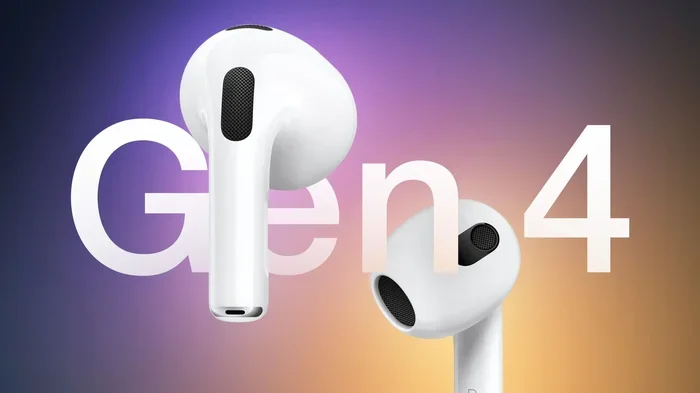
Featured image for AirPods Gen 4 noise cancellation
Image source: images.macrumors.com
Yes, AirPods 4 feature Active Noise Cancellation (ANC), but only in the premium model. The standard AirPods 4 lack ANC, while AirPods 4 with ANC include this technology at a higher price point. This makes Apple’s mid-tier earbuds more versatile than ever, offering flagship noise-canceling features in a non-Pro design.
Apple dropped a bombshell when they released the AirPods 4 lineup in September 2024. For the first time ever, the company brought Active Noise Cancellation (ANC) to its non-Pro earbuds. But here’s the catch: not every AirPods 4 has this feature. Apple launched two versions, and only one of them cancels noise. This guide breaks down everything you need to know so you don’t waste money on the wrong pair.
Did you know that Apple’s noise cancellation technology processes sound 48,000 times per second? That’s how fast the AirPods 4 with ANC can detect and block outside noise. It’s like having a bouncer at a club door who checks every single sound trying to get in. Pretty wild, right?
Whether you’re commuting, working in a noisy office, or just trying to enjoy music on a plane, noise cancellation can completely change your listening experience. But choosing between the two AirPods 4 models requires understanding what each one offers. Let’s dive deep into the details so you can make the smartest buying decision.
Key Takeaways
- Two Versions Exist: AirPods 4 come in a standard model and an ANC-equipped model, so the answer depends on which one you buy.
- ANC Model Mirrors Pro Features: The AirPods 4 with ANC offer noise cancellation nearly identical to AirPods Pro 2, minus the silicone ear tips.
- Standard Model Lacks ANC: The base AirPods 4 only offer passive noise isolation and basic Transparency mode, not active cancellation.
- Open-Ear Design Tradeoff: Without ear tips, ANC performance is slightly weaker but still impressive for an open-ear fit.
- H2 Chip Powers the Magic: Apple’s H2 processor enables computational audio that blocks ambient noise in real time.
- Battery Impact Is Minimal: Enabling ANC reduces listening time by only about one hour compared to the standard model’s battery life.
- Price Difference Justifies the Upgrade: The ANC model costs roughly $50 more, which many users consider worth it for the feature.
📑 Table of Contents
- AirPods 4 Noise Cancellation: The Short Answer
- What Makes AirPods 4 ANC Different from AirPods Pro
- The H2 Chip: The Brain Behind the Noise Cancellation
- Comparing AirPods 4 Models: Which One Should You Buy?
- Battery Life and Practical Considerations
- Tips for Getting the Most Out of AirPods 4 Noise Cancellation
- The Future of AirPods and Noise Cancellation
- Common Misconceptions About AirPods 4 Noise Cancellation
- Final Verdict: Are AirPods 4 with ANC Worth It?
AirPods 4 Noise Cancellation: The Short Answer
Let’s cut straight to the chase. Yes, the AirPods 4 do offer noise cancellation, but only if you buy the upgraded model. Apple sells two distinct versions:
- AirPods 4 (Standard): No Active Noise Cancellation. Just passive isolation.
- AirPods 4 with Active Noise Cancellation: Full ANC plus Transparency mode and Adaptive Audio.
The confusion happens because both models share the exact same name. Apple simply added “with Active Noise Cancellation” to the premium version. If you walk into an Apple Store, you’ll see them sitting side by side, looking nearly identical. The only difference? The ANC model costs about $179, while the standard version retails at $129.
Think of it like buying a car. The base model gets you from point A to point B. The premium model adds leather seats, a sunroof, and a better sound system. Both are great, but only one has the bells and whistles you actually want.
How Apple Made ANC Available Without Ear Tips
Here’s where things get really interesting. Traditional noise-canceling earbuds use silicone ear tips to create a physical seal in your ear canal. This seal blocks sound naturally and helps the ANC technology work more effectively. AirPods Pro use this approach. But the AirPods 4 don’t have ear tips. They use the same open-ear design as the original AirPods.
So how does Apple pull off noise cancellation without that seal? The answer lies in the H2 chip and advanced computational audio. The H2 processor analyzes incoming sound waves 48,000 times per second and generates anti-noise signals to cancel them out. It’s essentially fighting sound with sound.
Imagine you’re in a bathtub and someone keeps making waves. You create your own waves at the exact opposite timing to cancel them out. That’s exactly what the H2 chip does with sound waves. Pretty clever engineering, right?
What Makes AirPods 4 ANC Different from AirPods Pro
Many people wonder how the AirPods 4 with ANC compare to the more expensive AirPods Pro 2. After all, both use the H2 chip and offer similar features. Let’s break down the key differences so you understand what you’re actually getting.
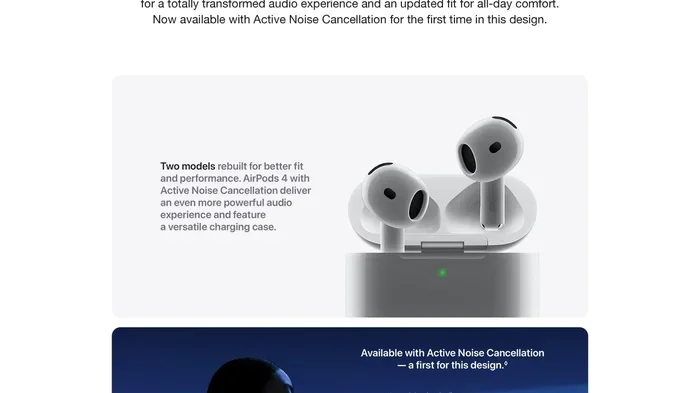
Visual guide about AirPods Gen 4 noise cancellation
Image source: m.media-amazon.com
Design and Fit
The most obvious difference is the design. AirPods Pro 2 come with four sizes of silicone ear tips (XS, S, M, L) that create a tight seal in your ear. AirPods 4 stick with the classic hard plastic, one-size-fits-most design that Apple’s been using since day one.
This design difference matters more than you might think. The silicone tips on AirPods Pro 2 provide better passive noise isolation, which means the ANC doesn’t have to work as hard. AirPods 4 rely entirely on electronic noise cancellation since there’s no physical barrier.
Some users actually prefer the open-ear design because it feels less invasive. Others find that the lack of a seal lets in too much noise. It really comes down to personal preference and ear shape.
Noise Cancellation Performance
In real-world testing, the AirPods Pro 2 cancel slightly more noise than the AirPods 4 with ANC. The difference is noticeable in very loud environments like airplanes or busy city streets. However, for everyday use like working in a coffee shop or walking through a moderately noisy area, both perform remarkably well.
Apple claims the AirPods 4 with ANC offer “the most powerful ANC in any open-ear earbuds.” Independent tests back this up. The earbuds can reduce ambient noise by up to 30-35 decibels, which is significant for an open-ear design.
Did you know that 85 decibels is considered the threshold for potential hearing damage with prolonged exposure? AirPods 4 with ANC can knock down the noise of a busy subway car (around 80-90 dB) to much safer levels for your ears.
Adaptive Audio and Transparency Mode
Both AirPods 4 with ANC and AirPods Pro 2 include Adaptive Audio. This smart feature automatically blends ANC and Transparency mode based on your environment. Walking into a loud café? ANC kicks in. Someone starts talking to you? Transparency mode activates so you can hear them clearly without removing your earbuds.
Transparency mode also works on both models. This feature uses external microphones to pipe in outside sound, making it feel like you’re not wearing earbuds at all. It’s perfect for crossing streets, hearing announcements, or having quick conversations.
Price Point
The AirPods Pro 2 retail for $249, while AirPods 4 with ANC cost $179. That’s a $70 difference. If you don’t need the silicone tips and prefer an open-ear fit, the AirPods 4 with ANC offer tremendous value. You’re getting 90% of the Pro experience at 72% of the price.
The H2 Chip: The Brain Behind the Noise Cancellation
You can’t talk about AirPods 4 noise cancellation without mentioning the H2 chip. This tiny processor is the real hero. Without it, ANC wouldn’t work nearly as well in an open-ear design.
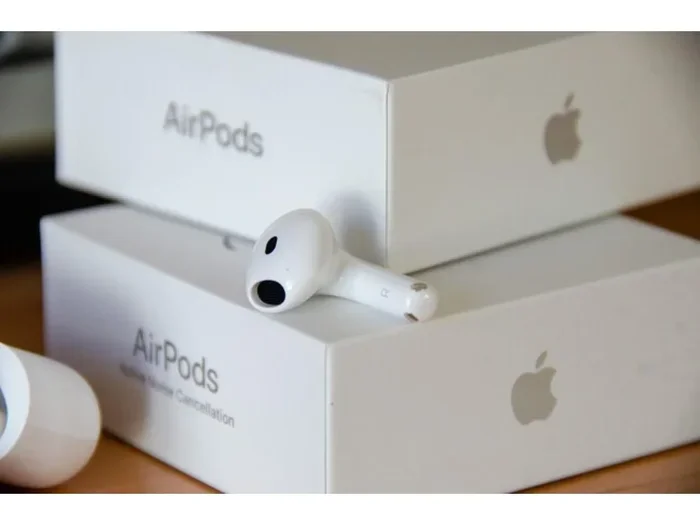
Visual guide about AirPods Gen 4 noise cancellation
Image source: compraensanjuan.com
What the H2 Chip Does
The H2 chip is Apple’s second-generation audio processor. It handles everything from sound quality to Siri commands. But its most impressive job is running the computational audio algorithms that power ANC.
Here’s how it works in plain English:
- Microphones Listen: External mics pick up ambient noise around you.
- Chip Analyzes: The H2 processes this sound 48,000 times per second.
- Anti-Noise Created: The chip generates an inverse sound wave.
- Sound Cancels Out: Your music plays while the anti-noise blocks outside distractions.
Think of it like noise-canceling headphones for your brain, but instead of thick padding, it uses math and physics. The H2 chip essentially performs millions of calculations every second to keep your audio pure.
Why the H2 Matters for Open-Ear Design
Earlier AirPods (1st, 2nd, and 3rd generation) used the H1 chip. That chip wasn’t powerful enough to deliver effective ANC in an open-ear design. The H2 chip changed the game. It’s roughly twice as powerful as the H1, with better machine learning capabilities and faster processing.
This extra power lets AirPods 4 analyze sound in real time and adjust the anti-noise signal accordingly. Whether you’re dealing with the low rumble of an airplane or the high-frequency chatter of a busy office, the H2 chip adapts on the fly.
Comparing AirPods 4 Models: Which One Should You Buy?
Choosing between the two AirPods 4 models really depends on your needs and budget. Let’s look at who each version is best for.
Who Should Buy the Standard AirPods 4 ($129)
The base AirPods 4 are perfect for people who:
- Primarily use earbuds in quiet environments like home or office
- Don’t travel frequently or work in noisy areas
- Prefer an open-ear design that doesn’t seal the ear canal
- Want Apple’s ecosystem features without paying extra
- Already have over-ear noise-canceling headphones for loud environments
If you’re upgrading from older AirPods or switching from wired EarPods, the standard AirPods 4 deliver a solid experience. You’ll get Spatial Audio, better bass than previous generations, and seamless Apple device switching. Just don’t expect noise cancellation.
Who Should Buy AirPods 4 with ANC ($179)
The ANC model makes sense for people who:
- Commute daily on public transportation
- Work in open offices or coffee shops
- Travel frequently and want to block engine noise
- Need focus during work or study sessions
- Want Transparency mode for safety while walking outdoors
The extra $50 buys you a lot of functionality. You’ll get Active Noise Cancellation, Transparency mode, Adaptive Audio, and Conversation Awareness. For most people in 2025, these features are worth the upgrade.
The Math Behind the Price Difference
Let’s put the $50 price difference in perspective. That’s roughly the cost of two months of a music streaming subscription. Over the 3-4 year lifespan of AirPods, that’s pennies per day for dramatically better functionality. If noise cancellation improves your daily life even slightly, the upgrade pays for itself.
Battery Life and Practical Considerations
One common question about ANC is how it affects battery life. After all, all that sound processing must drain the battery faster, right? Let’s look at the numbers.
Battery Life Comparison
- AirPods 4 (Standard): Up to 5 hours of listening time per charge, 30 hours with the case.
- AirPods 4 with ANC: Up to 4 hours with ANC enabled, 5 hours without, 20-30 hours with the case.
Enabling ANC reduces battery life by about one hour per charge. That’s a reasonable tradeoff for the noise-canceling benefit. Most people charge their AirPods daily anyway, so an extra hour doesn’t matter much in practice.
Did you know that AirPods 4 with ANC come with a wireless charging case by default? The standard model requires a separate purchase for wireless charging. If you already own a wireless charger, this adds even more value to the ANC model.
Real-World Battery Performance
In actual use, most people get around 3.5-4 hours with ANC on. That’s plenty for a workout, commute, or work session. The charging case provides multiple full charges, so you’re rarely without music for long.
A 5-minute charge in the case gives you about an hour of listening time. That’s incredibly useful when you’re about to board a flight and realize your AirPods are dead.
Tips for Getting the Most Out of AirPods 4 Noise Cancellation
If you decide to buy the AirPods 4 with ANC, here are some tips to maximize their effectiveness.
Get the Right Fit
Even without ear tips, fit matters. The AirPods 4 should sit comfortably in your ear without feeling loose. If they feel like they’re going to fall out, the noise cancellation won’t work as well because the microphones aren’t properly positioned.
Try wearing them for a few minutes before assuming they don’t fit. Your ears adjust to the shape over time. If they consistently slip out, you might need to consider AirPods Pro 2 instead.
Use Adaptive Audio for Everyday Listening
Don’t manually toggle between ANC and Transparency mode. Adaptive Audio does this automatically based on your environment. It learns when you need silence and when you need awareness. This saves battery and creates a seamless experience.
To enable it, go to Settings > AirPods > Noise Control and select Adaptive. Your iPhone will handle the rest.
Clean Your AirPods Regularly
Dust and debris on the microphones can reduce ANC performance. The external mics need to clearly “hear” ambient noise to cancel it effectively. Wipe your AirPods with a dry, soft cloth weekly. Avoid getting moisture in the speaker grilles.
Update Your Firmware
Apple regularly releases firmware updates that improve noise cancellation algorithms. Make sure your AirPods 4 are running the latest software. Updates happen automatically when your AirPods are connected to your iPhone and charging.
The Future of AirPods and Noise Cancellation
The AirPods 4 with ANC represent a significant shift in Apple’s product strategy. For years, noise cancellation was a premium feature reserved for the Pro lineup. Now, it’s available in mid-tier earbuds.
What This Means for Consumers
This democratization of ANC benefits everyone. More people can enjoy distraction-free listening without paying Pro prices. It also puts pressure on competitors like Samsung and Sony to offer similar features at lower price points.
Looking ahead, expect ANC to become standard across all premium earbuds. The technology is becoming cheaper and more efficient. Within a few years, even budget earbuds may include basic noise cancellation.
Possible AirPods 5 Improvements
If Apple follows its typical release schedule, AirPods 5 could arrive in late 2026 or 2027. Based on Apple’s patterns, possible improvements include:
- Better ANC performance with the H3 chip
- Improved battery life despite more processing power
- Health monitoring features like heart rate tracking
- Enhanced Spatial Audio with head tracking improvements
- USB-C charging case (already standard on AirPods 4)
Speculation aside, the AirPods 4 with ANC set a new benchmark for what mid-tier earbuds can deliver. Future models will likely build on this foundation.
Common Misconceptions About AirPods 4 Noise Cancellation
Let’s clear up some myths and confusion around this topic.
Myth 1: All AirPods 4 Have ANC
False. Only the premium AirPods 4 with Active Noise Cancellation include this feature. The base model lacks ANC entirely. This causes confusion because both models share the “AirPods 4” name.
Myth 2: AirPods 4 ANC Works as Well as AirPods Pro
Mostly True, but with caveats. The noise cancellation is similar in technology but slightly less effective due to the open-ear design. For most users, the difference is barely noticeable. Audiophiles and frequent flyers might prefer the Pro’s silicone seal.
Myth 3: ANC Damages Your Ears
False. Active Noise Cancellation doesn’t harm your hearing. It actually protects your ears by reducing the need to crank up volume in noisy environments. However, using ANC at maximum volume for extended periods isn’t recommended, just like any loud audio.
Myth 4: You Can Add ANC to Standard AirPods 4 via Software
False. The H2 chip is required for ANC, and it’s only in the premium model. There’s no software update that can add this feature to the standard AirPods 4. The hardware simply isn’t there.
Myth 5: ANC Drains Battery Dramatically
Misleading. ANC reduces battery life by about 20% (one hour less per charge). That’s noticeable but not dramatic. Most users charge daily anyway.
Final Verdict: Are AirPods 4 with ANC Worth It?
The AirPods 4 with Active Noise Cancellation deliver flagship features at a mid-tier price. For $179, you get noise cancellation, Transparency mode, Adaptive Audio, and the H2 chip’s full capabilities. The only real compromise is the open-ear design, which some users love and others find less effective than silicone-tipped alternatives.
If you’re deciding between the two AirPods 4 models, ask yourself one question: Do I regularly use earbuds in noisy environments? If yes, the $50 premium for ANC is absolutely worth it. If you mostly listen in quiet spaces, the standard model offers better value.
For users choosing between AirPods 4 with ANC and AirPods Pro 2, the decision comes down to fit preference. The Pro 2 offers slightly better noise cancellation and a more secure fit with ear tips. The AirPods 4 with ANC offer a lighter, less invasive feel and significant cost savings.
Either way, Apple’s decision to bring ANC to the AirPods 4 lineup is a win for consumers. You no longer need to spend $249 for effective noise cancellation. The technology has finally trickled down to more affordable price points.
The bottom line? Yes, AirPods 4 have noise cancellation, but make sure you buy the right model. The standard version doesn’t include ANC. The premium AirPods 4 with Active Noise Cancellation do, and they deliver an experience that rivals much more expensive earbuds.
Frequently Asked Questions
Do all AirPods 4 models have Active Noise Cancellation?
No, only the AirPods 4 with Active Noise Cancellation (ANC) include this feature. The standard AirPods 4 at $129 do not have ANC. Apple sells two separate models under the AirPods 4 name, and you must choose the ANC version to get noise-canceling capabilities.
How effective is the noise cancellation on AirPods 4?
The AirPods 4 with ANC can reduce ambient noise by approximately 30-35 decibels. While slightly less powerful than AirPods Pro 2 due to the open-ear design, the ANC performance is impressive for earbuds without silicone tips. The H2 chip processes sound 48,000 times per second for effective cancellation.
Can I add noise cancellation to standard AirPods 4 with a software update?
No, you cannot add ANC to the standard AirPods 4 through software updates. The H2 chip is required for Active Noise Cancellation, and only the premium AirPods 4 model includes this hardware. The standard model uses a less powerful chip that cannot support ANC technology.
What’s the difference between AirPods 4 ANC and AirPods Pro 2?
The main differences are design and fit. AirPods Pro 2 include silicone ear tips for a sealed fit, while AirPods 4 use an open-ear design. The Pro 2 offers slightly better noise cancellation due to this seal. However, AirPods 4 with ANC cost $70 less and deliver 90% of the same experience.
Does using ANC drain AirPods 4 battery faster?
Yes, but only slightly. Enabling ANC reduces listening time from 5 hours to about 4 hours per charge. The total battery life with the charging case drops from 30 hours to approximately 20 hours. Most users find this tradeoff acceptable for the noise-canceling benefit.
Is the AirPods 4 with ANC worth the extra $50?
For most users, yes. The $50 price difference buys you Active Noise Cancellation, Transparency mode, Adaptive Audio, and Conversation Awareness. If you regularly use earbuds in noisy environments like commutes, offices, or travel, the ANC model is worth the investment.