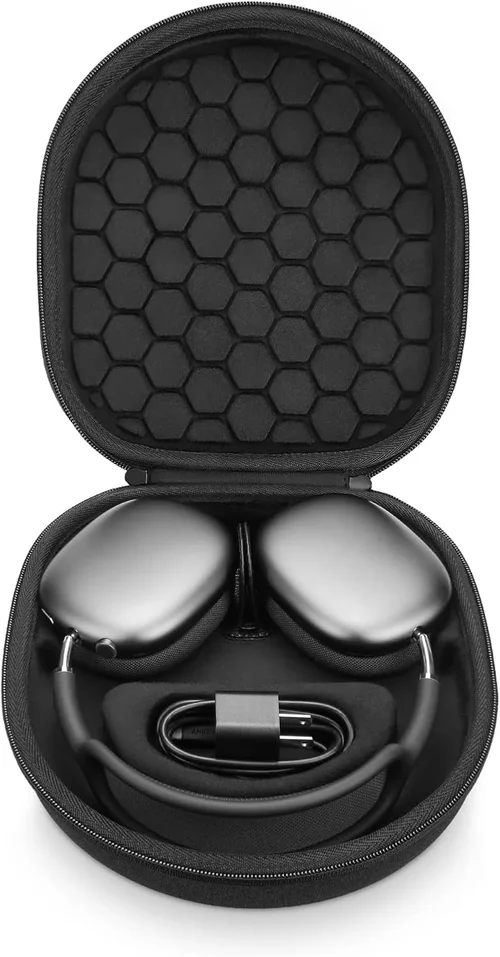
When it comes to protecting your investment in Apple’s premium over-ear headphones, few accessories are as essential as a high-quality travel case for your AirPods Max. These sleek, aluminum-clad headphones deliver an exceptional audio experience, but their open-back design, delicate headband, and exposed drivers make them surprisingly vulnerable during transit. Whether you’re a frequent flyer, a digital nomad, or someone who simply values peace of mind when packing gear, choosing the right carrying solution is critical—not just for protection, but for convenience, style, and long-term usability.
This guide exists because too many users underestimate the importance of a proper case until it’s too late. A dropped bag, an overstuffed backpack, or even minor pressure from other items in your luggage can cause scratches, dents, or worse—damage to the internal components that make the AirPods Max so special. With prices starting around $549 (and often going higher with taxes or special editions), it’s not just about preserving aesthetics; it’s about safeguarding a significant financial and auditory investment. In this comprehensive buying guide, we’ll walk you through everything you need to know to select the best AirPods Max travel case for your lifestyle. You’ll learn how to evaluate key features like durability, portability, and compatibility, understand different case types and price tiers, avoid common pitfalls, and ultimately make a confident, informed decision—no matter your budget or travel habits.
The market for AirPods Max cases has exploded since the headphones launched in late 2020. While Apple offers its own Smart Case (which only partially covers the headphones and doesn’t protect against drops), third-party manufacturers have stepped in with a wide range of options—from minimalist sleeves to rugged hard-shell cases, magnetic closures to zippered designs, and even custom-fitted solutions. Some prioritize ultra-lightweight portability, while others emphasize military-grade protection. With so many choices, it’s easy to feel overwhelmed. But by focusing on your specific needs—whether that’s airline carry-on compliance, everyday commuting, or international backpacking—you can narrow down the field and find a case that truly enhances your travel experience. Let’s dive into the details.

What to Look for When Buying Buying Guide
1. Protection Level & Impact Resistance
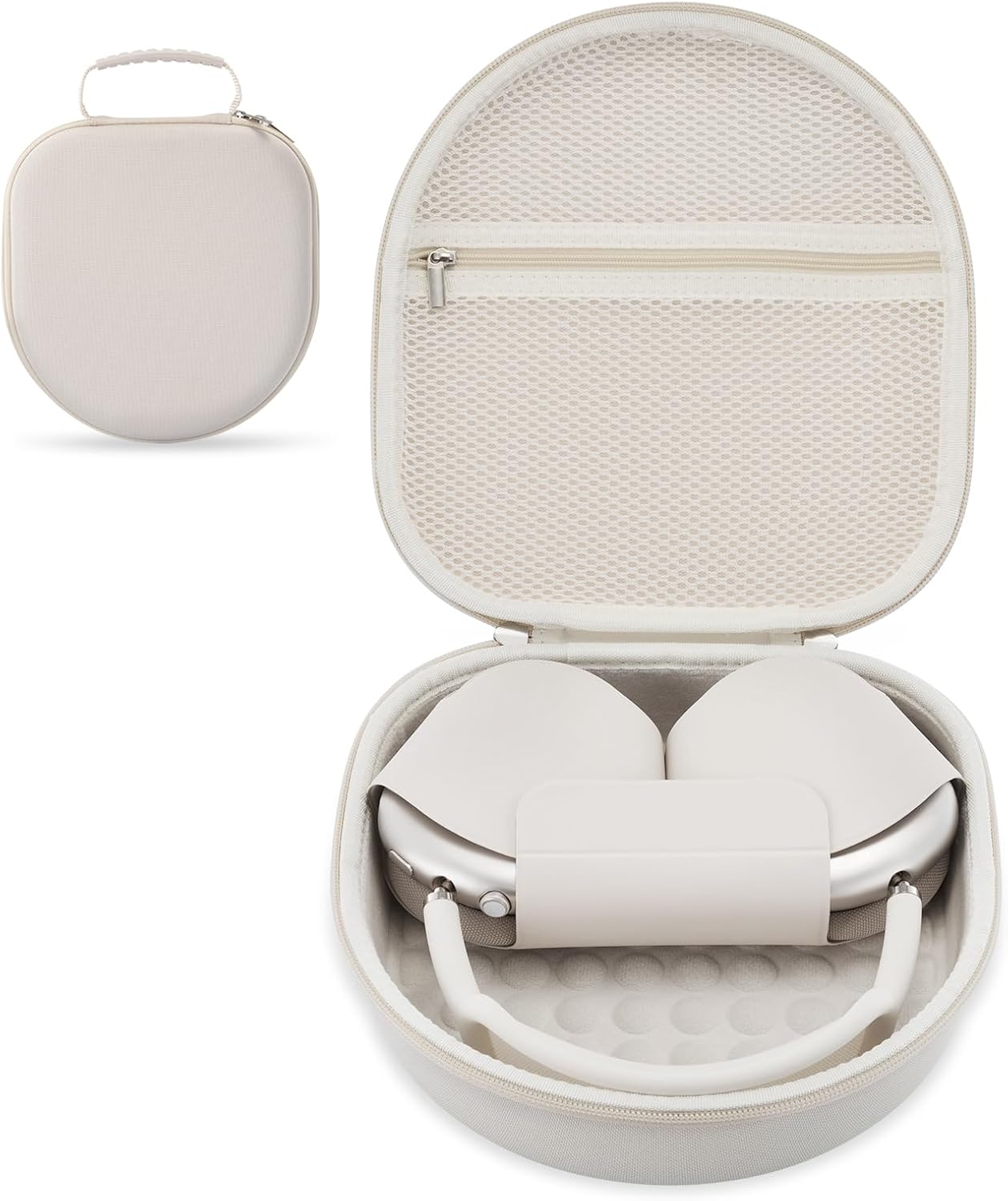
The primary purpose of any travel case is to shield your AirPods Max from physical damage. Look for cases that offer multi-layer protection: a rigid outer shell (often made from EVA, polycarbonate, or reinforced nylon) combined with plush interior lining (typically memory foam or soft microfiber). Hard-shell cases generally provide superior drop and crush resistance compared to soft pouches or sleeves. If you’re checking bags or traveling through rough terrain, opt for models with shock-absorbing corners or reinforced edges. Pay attention to whether the case fully encloses the headphones—partial coverage leaves the headband and ear cups exposed to potential impacts. Also consider water resistance; while full waterproofing is rare, some cases feature water-repellent coatings or sealed zippers that help guard against spills or light rain.
2. Size & Portability
AirPods Max are already bulky at 360 grams and nearly 8 inches wide when unfolded. A good travel case should add minimal bulk while still offering robust protection. Measure your intended storage space—whether it’s a laptop compartment, carry-on luggage, or a backpack—and ensure the case fits comfortably without forcing you to rearrange your entire packing strategy. Slim-profile cases (under 2 inches thick when closed) are ideal for tight spaces, while larger hard cases may be better suited for checked baggage. Weight matters too: some premium cases can add 1–2 pounds, which might tip the scale on strict airline weight limits. Look for ergonomic handles, shoulder straps, or attachment points for carabiners if you plan to carry the case separately.
3. Build Quality & Durability
A case is only as good as its weakest seam or zipper. Inspect stitching, hinge mechanisms, and closure systems carefully. High-quality YKK zippers, reinforced stress points, and double-stitched seams indicate longevity. Materials matter: EVA foam offers excellent shock absorption and retains its shape over time, while cheap plastics may crack under pressure. Check user reviews for reports of broken latches, fraying fabric, or warped shells after repeated use. A well-built case should withstand years of travel, not just a single trip. Also consider environmental factors—UV-resistant materials prevent fading in sunny climates, and rust-proof hardware is essential for humid or coastal regions.
4. Compatibility & Fit Precision
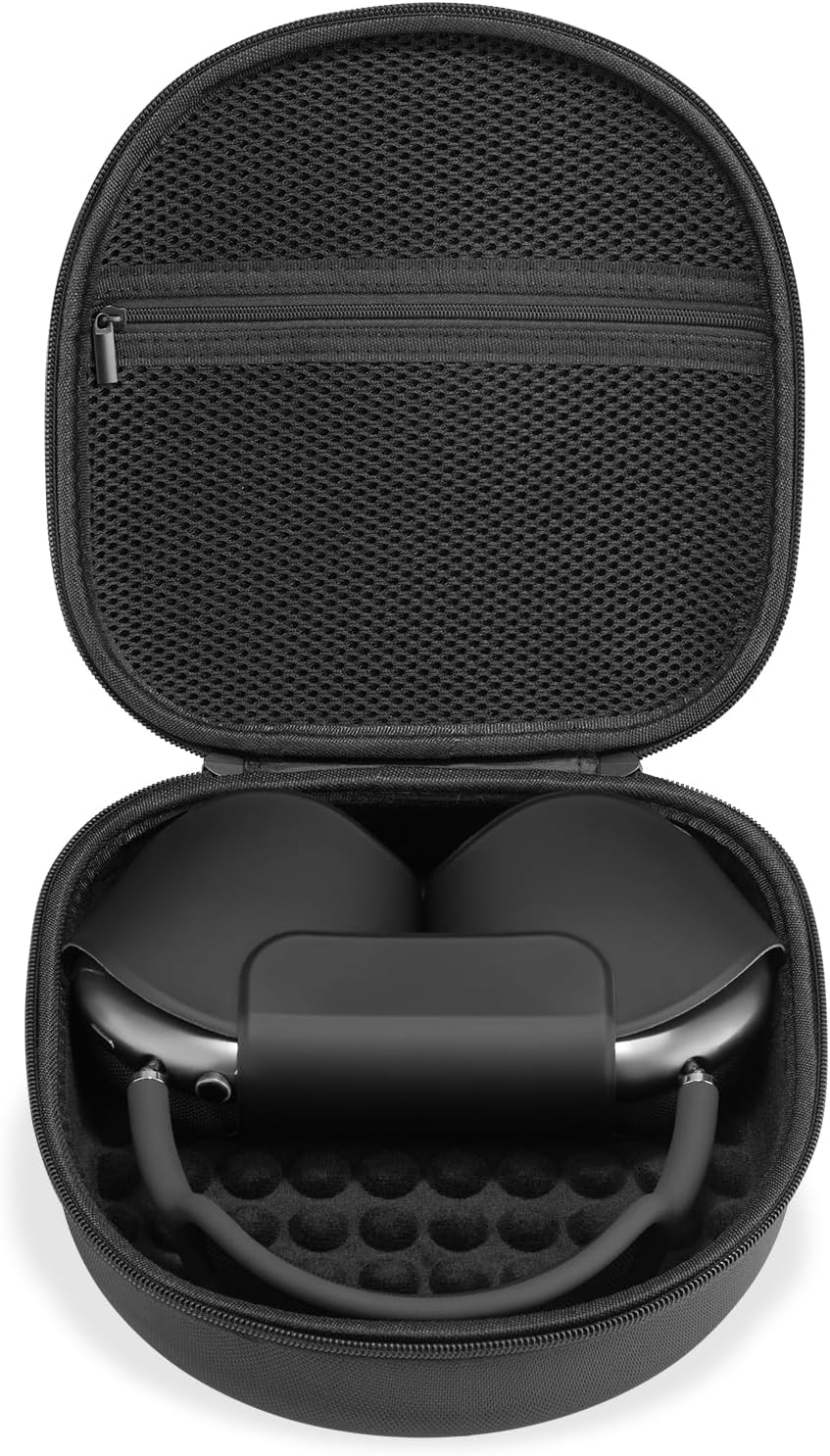
Not all cases are created equal when it comes to fit. The AirPods Max have a unique shape with a stainless steel frame, telescoping arms, and large ear cups. A poorly designed case may force you to fold the headphones awkwardly, potentially straining the hinges or damaging the internal wiring. Look for cases specifically engineered for the AirPods Max—not generic “over-ear headphone” cases. Ideal designs include custom-molded interiors that cradle each component, secure the headband in place, and prevent movement during transit. Some cases even accommodate accessories like charging cables or adapters in dedicated compartments, adding functionality without compromising fit.
5. Closure Mechanism & Security
How a case opens and closes affects both ease of use and security. Magnetic snaps are sleek and quick but may not withstand rough handling. Zippered enclosures offer full coverage and are less likely to accidentally open in a crowded bag. Latches or buckles provide extra security but can be fiddly. Consider your travel style: if you’re constantly accessing your headphones (e.g., during layovers), a fast-open mechanism is valuable. For long-haul flights or checked luggage, prioritize secure closures that won’t pop open under pressure. Some premium cases include TSA-approved locks or tamper-evident features for added peace of mind.
6. Aesthetics & Design Preferences
While protection is paramount, you’ll likely carry this case regularly—so it should reflect your personal style. Options range from minimalist black or gray neutrals to bold colors, textured finishes, or even custom prints. Some cases mimic Apple’s design language with clean lines and matte finishes, while others embrace a more rugged, utilitarian look. Consider how the case complements your other gear—does it match your laptop sleeve or backpack? Also think about visibility: bright colors make it easier to spot in overhead bins, while dark tones hide dirt and scuffs. Don’t overlook tactile details like grip texture or interior color contrast, which can enhance usability.
7. Additional Features & Functionality
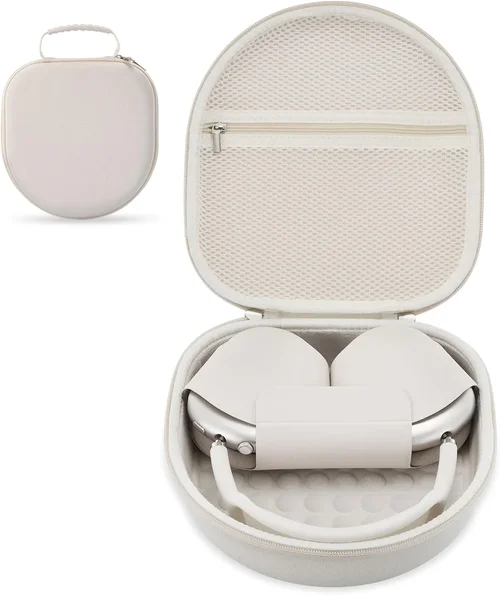
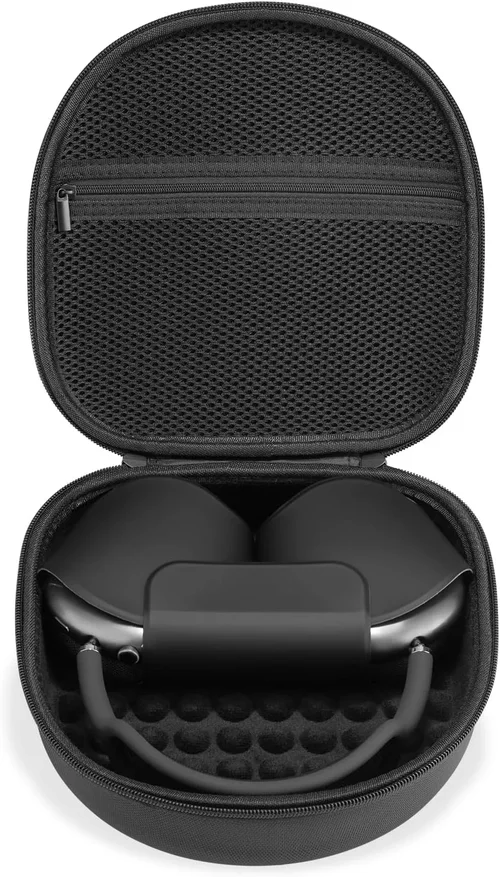
Beyond basic protection, many cases offer bonus features that enhance travel convenience. Look for integrated cable organizers, mesh pockets for small accessories, or built-in stands that let you display your headphones when not in use. Some models include RFID-blocking compartments or anti-theft designs for urban travelers. Others feature modular systems that let you attach the case to a backpack or suitcase handle. Battery cases are emerging too—though rare—offering portable charging for your AirPods Max on the go. While not essential, these extras can justify a higher price point if they align with your needs.
8. Brand Reputation & Customer Support
Stick with reputable brands known for quality audio accessories or travel gear. Companies like Tomtoc, Peak Design, or Native Union have established track records for reliability and customer service. Read verified buyer reviews on Amazon, Best Buy, or specialty audio retailers to gauge real-world performance. Check warranty terms—many premium cases come with 1–3 year coverage against defects. Responsive customer support is crucial if you encounter issues like broken zippers or shipping damage. Avoid no-name brands with vague product descriptions or suspiciously low prices; they often cut corners on materials and testing.
Different Types of Buying Guide
Common Buying Mistakes to Avoid
❌ Mistake: Choosing Style Over Substance
Why it’s bad: A beautifully designed case that lacks adequate padding or a secure closure can leave your AirPods Max vulnerable to damage. Trendy materials like faux leather may look sleek but often lack durability and water resistance.
What to do instead: Prioritize protection features first—then choose a design you love. Look for cases that combine aesthetic appeal with functional elements like reinforced corners and soft interiors.
❌ Mistake: Assuming All “AirPods Max Compatible” Cases Fit Perfectly
Why it’s bad: Generic cases may claim compatibility but force awkward folding or leave gaps where the headphones can shift during transit, increasing risk of hinge stress or driver damage.
What to do instead: Only buy cases explicitly designed for the AirPods Max dimensions. Check product images showing the headphones inside—there should be no bulging or compression.
❌ Mistake: Overlooking Closure Security
Why it’s bad: Weak magnetic snaps or flimsy zippers can fail under pressure, especially in crowded luggage. An open case means exposed headphones—and potential loss or damage.
What to do instead: Test closure mechanisms before buying if possible. Read reviews mentioning “stays closed” or “secure seal.” Opt for dual zippers or latches for high-risk travel.
❌ Mistake: Ignoring Weight and Bulk
Why it’s bad: Adding a heavy, oversized case to already bulky headphones can make packing inefficient and increase carry-on weight—potentially leading to airline fees or discomfort during long walks.
What to do instead: Compare case dimensions and weight specs. If you’re a light packer, choose slim sleeves or hybrid designs that add minimal bulk.
❌ Mistake: Skipping User Reviews
Why it’s bad: Product descriptions often highlight best-case scenarios. Real users reveal flaws like broken hinges, poor stitching, or inaccurate sizing that specs alone won’t show.
What to do instead: Spend 10 minutes reading recent, verified purchase reviews. Look for patterns—if multiple users report the same issue, avoid that model.
❌ Mistake: Buying the Cheapest Option Available
Why it’s bad: Ultra-low-cost cases often use thin foam, weak zippers, or ill-fitting molds that offer little real protection—essentially wasting money and risking your headphones.
What to do instead: Set a reasonable budget ($30 minimum) and focus on value, not price alone. Mid-range cases often deliver the best balance of quality and affordability.
❌ Mistake: Forgetting About Accessory Storage
Why it’s bad: Without a dedicated spot for your USB-C cable or adapter, you risk losing essentials or damaging them by tossing them loosely into your bag.
What to do instead: Choose a case with internal pockets or loops for small items. Even basic mesh compartments prevent tangling and keep everything organized.
Budget Guidelines: How Much Should You Spend?
– Entry-Level ($20–$35): At this price, expect basic soft sleeves with minimal padding—often just a layer of neoprene or thin foam. These are suitable for light daily use or as a secondary liner inside a larger bag, but offer little drop protection. Brands like Moft or generic Amazon sellers dominate this tier. Great for budget-conscious users who prioritize portability over ruggedness.
– Mid-Range ($36–$70): This is the sweet spot for most travelers. Cases here typically feature EVA hard shells, quality zippers, and custom-fit interiors. Brands like Tomtoc, UAG, and Spigen offer reliable options with excellent protection-to-weight ratios. You’ll find thoughtful details like cable organizers, water-resistant coatings, and ergonomic handles. Ideal for frequent flyers, commuters, and anyone wanting durable protection without overspending.
– Premium ($71–$120): Designed for professionals and audiophiles, these cases use premium materials like ballistic nylon, aircraft-grade aluminum frames, or hand-stitched leather accents. Expect precision-molded interiors, TSA-friendly locks, and extended warranties. Models from Peak Design or Native Union fall here—offering not just protection but a statement piece that reflects your taste. Worth it if you travel weekly or treat your gear as an investment.
– Luxury ($120+): At this tier, you’re paying for craftsmanship, exclusivity, and brand prestige. Custom-fitted cases with monogramming, artisanal materials, or integrated tech (like built-in power banks) appear here. While overkill for most, they appeal to collectors or those who want their accessories to match their high-end lifestyle. Only consider if budget is no object and you value bespoke design.
Expert Tips for Getting the Best Deal
– Shop During Major Sales Events: Black Friday, Cyber Monday, and Amazon Prime Day often feature deep discounts on premium cases—sometimes 20–30% off. Sign up for brand newsletters to get early access to promotions.
– Buy Direct from Manufacturer Websites: Brands like Tomtoc or Peak Design frequently offer exclusive colors, bundle deals (case + cable), or free shipping that you won’t find on third-party retailers.
– Check Refurbished or Open-Box Listings: Retailers like Best Buy or B&H Photo sometimes sell returned cases at a discount. These are typically inspected and repackaged, offering near-new quality for less.
– Read the Fine Print on Returns: Ensure the seller offers at least a 30-day return window. Some cases look great online but feel flimsy in person—you want the option to swap it out hassle-free.
– Test Fit Before Finalizing: If buying in-store (e.g., Apple Store, Best Buy), ask to see a demo unit. Open and close it, check the weight, and simulate packing it into your bag.
– Consider Multi-Purpose Designs: Some cases double as stands or include attachment points for backpacks. These add functionality that justifies a higher price.
– Verify Warranty Coverage: A 2-year warranty signals confidence in build quality. Avoid products with no warranty or vague “limited” terms.
– Join Audiophile Communities: Forums like Head-Fi or Reddit’s r/headphones often have members selling gently used cases at steep discounts—just verify condition thoroughly.
Frequently Asked Questions
Q: Will the Apple Smart Case protect my AirPods Max during travel?
A: Not really. The official Apple Smart Case only covers the ear cups and puts the headphones in low-power mode—it offers zero impact protection and leaves the headband and frame fully exposed. It’s best used as a sleep aid at home, not a travel solution.
Q: Can I check a hard-shell case with my AirPods Max in it?
A: Yes, but it’s risky. While the case will protect against minor bumps, rough handling by baggage crews can still cause damage. For maximum safety, always carry your AirPods Max in your personal item (under the seat) rather than checked luggage.
Q: Do I need a case if I’m just commuting locally?
A: Absolutely. Even short trips involve backpacks, subway crowds, and accidental drops. A padded sleeve is sufficient for city use, but avoid going caseless—scratches and dents accumulate quickly.
Q: Are there waterproof AirPods Max cases?
A: Fully submersible cases don’t exist yet due to the headphones’ design, but several offer water-resistant shells and sealed zippers that repel rain and spills. Look for IPX4 ratings or coated fabrics.
Q: How do I clean my travel case?
A: Wipe the exterior with a damp cloth and mild soap. For interiors, use a soft brush to remove dust, then air dry completely. Avoid harsh chemicals that could degrade foam or adhesives.
Q: Can I fit other items in the case with my AirPods Max?
A: Most dedicated cases are form-fitted and leave no extra space. However, some include small pockets for cables or adapters. Avoid overstuffing—it can pressure the headphones and reduce protection.
Q: Are third-party cases safe for the headphones’ hinges?
A: Yes, if designed correctly. Reputable brands account for the telescoping arms and ensure the case doesn’t force unnatural bending. Always check fit reviews before purchasing.
Q: What’s the difference between EVA and polycarbonate shells?
A: EVA (ethylene-vinyl acetate) is lightweight, flexible, and absorbs shocks well—ideal for travel. Polycarbonate is harder and more rigid, offering superior crush resistance but adding weight. Choose based on your priority: comfort (EVA) or extreme durability (polycarbonate).
Q: Do cases affect the sound quality of AirPods Max?
A: No. As long as the case doesn’t compress the ear cups excessively (which could warp the drivers over time), sound remains unaffected. Properly fitted cases actually preserve audio integrity by preventing physical damage.
Q: Can I use a case for other over-ear headphones?
A: Generally no. The AirPods Max have a unique frame and size. Using a non-specific case risks poor fit and reduced protection. Always buy a model made specifically for AirPods Max.
Our Final Recommendations
– Best for Budget-Conscious Buyers: Tomtoc Slim Hard Shell Case ($39) – Offers excellent EVA protection, custom fit, and a sleek profile at an unbeatable price. Includes a cable pocket and comes in multiple colors.
– Best Overall Value: Peak Design Shield Case ($69) – Combines rugged construction with thoughtful design: weather-resistant shell, secure zipper, internal organization, and a lifetime warranty. Perfect for frequent travelers.
– Best Premium Option: Native Union Stow Case ($129) – Luxurious Italian leather exterior, precision-molded interior, and elegant minimalism. Ideal for those who want protection that doubles as a style statement.
– Best for Beginners: Spigen Rugged Armor Pro ($45) – Easy to use, highly protective, and affordably priced. Great first case for new AirPods Max owners unsure of their needs.
– Best for Advanced Users: UAG Metropolis Case ($89) – Military-inspired design with shock-absorbing corners, TSA-friendly latch, and modular attachment points. Built for extreme conditions and tech-savvy travelers.
Conclusion: Making the Right Choice
Choosing the best AirPods Max travel case isn’t just about slapping a cover on your headphones—it’s about aligning protection, portability, and personal preference into one cohesive solution. We’ve covered everything from impact resistance and closure mechanisms to budget tiers and expert shopping strategies. Remember: your case should feel like an extension of your travel routine, not an afterthought. Prioritize fit and durability above all else, but don’t ignore how it looks or feels in your hands. After all, you’ll be carrying it often.
Take a moment to reflect on your typical travel scenarios. Are you navigating busy airports weekly? Do you toss your bag into overhead bins without a second thought? Or are you more of a careful, minimalist packer? Your answers will guide you toward the right type of case. And if you’re still unsure, start with a mid-range option—it’s the safest bet for balancing cost, quality, and features.
Ultimately, the best case is the one you’ll actually use consistently. A $150 luxury case gathering dust in a closet does nothing for your headphones. But a $50 case you trust and rely on every trip? That’s priceless. So go ahead—protect your sound, preserve your investment, and travel with confidence. Your AirPods Max deserve nothing less.