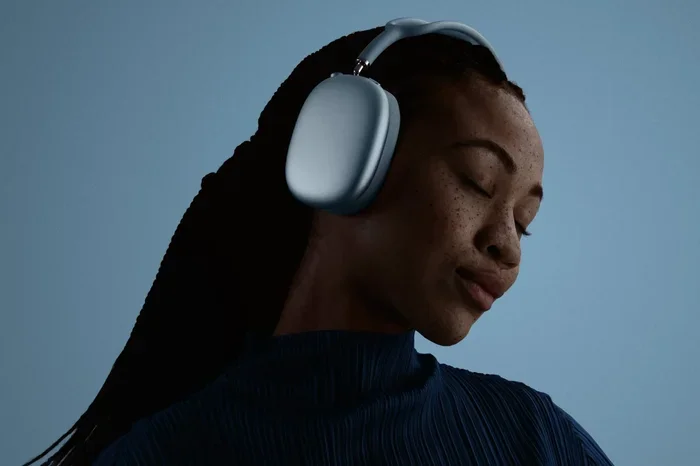
Featured image for AirPods Max adaptive audio feature
Image source: cdn.wccftech.com
AirPods Max do not have Adaptive Audio. This feature is exclusive to AirPods Pro (2nd generation) and AirPods 4. While AirPods Max offer premium noise cancellation and Transparency mode, they lack the advanced adaptive sound technology found in newer Apple models. Users seeking Adaptive Audio will need to consider upgrading to a supported model.
If you’ve been eyeing AirPods Max or already own a pair, you might be wondering about one of Apple’s most talked-about features: Adaptive Audio. The short answer might surprise you. Despite being Apple’s flagship over-ear headphones, AirPods Max do not have Adaptive Audio. This feature remains exclusive to newer AirPods models with upgraded chips.
This guide breaks down everything you need to know about Adaptive Audio, why AirPods Max don’t have it, and what your options are if this feature matters to you. We’ll explore the technology behind it, compare Apple headphones, and help you make informed decisions about your audio gear.
Whether you’re a current AirPods Max owner feeling left out or someone considering a purchase, understanding these distinctions helps you get the most from your investment. Let’s dive into the details.
Key Takeaways
- No Adaptive Audio Support: AirPods Max do not include the Adaptive Audio feature, which automatically blends Active Noise Cancellation and Transparency mode based on environmental conditions.
- Feature Exclusivity: Adaptive Audio is currently available only on AirPods Pro (2nd generation) with the H2 chip and AirPods 4 with active noise cancellation.
- Why the Limitation Exists: AirPods Max use the older H1 chip, which lacks the processing power required for real-time adaptive sound adjustments.
- Available Sound Modes: AirPods Max still offer three excellent listening modes: Active Noise Cancellation, Transparency mode, and Off.
- Software Updates Won’t Add It: Apple cannot add Adaptive Audio to AirPods Max through software updates because the H1 chip lacks necessary hardware capabilities.
- Alternatives Within Apple: Consider AirPods Pro 2 or AirPods 4 if Adaptive Audio is essential to your listening experience.
- Premium Build Quality: AirPods Max remain excellent premium headphones despite missing this single feature, offering superior build, sound quality, and comfort.
📑 Table of Contents
- Understanding Adaptive Audio: What It Is and How It Works
- Do AirPods Max Have Adaptive Audio? The Direct Answer
- Why AirPods Max Lack Adaptive Audio: The Technical Details
- What AirPods Max Do Offer: Features Worth Knowing
- Alternatives to AirPods Max for Adaptive Audio
- Making Your Decision: AirPods Max vs. Alternatives
- The Future of Adaptive Audio in Apple Products
- Conclusion: Understanding AirPods Max and Adaptive Audio
Understanding Adaptive Audio: What It Is and How It Works
Adaptive Audio is one of Apple’s smartest audio features, designed to make your listening experience seamless across different environments. Think of it like having a personal sound assistant that constantly adjusts your headphones based on what’s happening around you.
The Core Concept Behind Adaptive Audio
At its heart, Adaptive Audio dynamically blends two existing features: Active Noise Cancellation (ANC) and Transparency mode. Instead of forcing you to manually switch between these modes, your headphones intelligently decide which mode to use based on your surroundings.
Imagine walking down a quiet street. Adaptive Audio might let in a little environmental sound so you stay aware. Suddenly, a construction site appears. The feature quickly increases noise cancellation to protect your ears and listening experience. Then you enter a coffee shop, and it adjusts again for comfortable conversation.
Conversation Awareness Feature
Adaptive Audio includes a smart sub-feature called Conversation Awareness. When you start talking to someone, your headphones automatically lower your music volume and amplify the person’s voice. The moment you stop speaking, your audio returns to normal levels.
It’s like having a volume knob that knows when you’re chatting. You don’t need to remove your headphones, pause your music, or touch any buttons. The technology handles everything seamlessly, which feels almost magical the first time you experience it.
The Technology Powering Adaptive Audio
Adaptive Audio relies on advanced machine learning algorithms and powerful processors. The H2 chip in newer AirPods models handles millions of calculations per second, analyzing sound patterns, detecting speech, and predicting environmental changes.
The system uses multiple microphones both inside and outside the ear cups. These microphones continuously sample ambient sound, comparing it to trained sound profiles. When the system detects specific patterns like speech, traffic, or sudden loud noises, it responds within milliseconds.
Personalized Volume
Another component of Adaptive Audio is Personalized Volume. This feature learns your preferred volume levels in different environments and automatically adjusts over time. If you typically turn up the volume in noisy places, your headphones remember this preference and apply it automatically in similar situations.
This creates a truly personalized listening experience that evolves with your habits. The more you use it, the smarter it becomes at predicting what you want to hear.
Do AirPods Max Have Adaptive Audio? The Direct Answer
Let’s address the main question clearly and definitively.
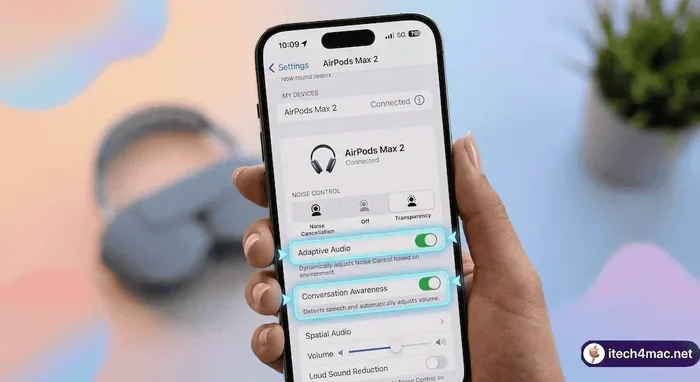
Visual guide about AirPods Max adaptive audio feature
Image source: itech4mac.net
The Straightforward Answer
No, AirPods Max do not have Adaptive Audio. This feature is completely absent from Apple’s premium over-ear headphones. Despite their higher price point and premium positioning, AirPods Max cannot perform the real-time sound adjustments that define Adaptive Audio.
When Apple introduced Adaptive Audio in 2023, it was available only on AirPods Pro (2nd generation). Later, Apple expanded this feature to AirPods 4 with active noise cancellation. AirPods Max were notably absent from both announcements.
Which Apple Devices Support Adaptive Audio?
As of late 2024, only two Apple headphone models support Adaptive Audio:
- AirPods Pro (2nd generation): Released in September 2022, these updated with iOS 17 to gain Adaptive Audio capabilities.
- AirPods 4 (with Active Noise Cancellation): Released in September 2024, these include Adaptive Audio as a standard feature.
Interestingly, even the original AirPods Pro (1st generation) lack Adaptive Audio. This shows that the feature isn’t just about software, it’s tied to specific hardware capabilities that only newer chips provide.
Why This Limitation Exists
The reason comes down to the processor inside each device. AirPods Max use Apple’s H1 chip, which debuted in 2019. While still capable, the H1 lacks the neural processing power needed for Adaptive Audio’s machine learning features.
The H2 chip, found in newer AirPods, includes significantly improved processing capabilities. It can handle the complex calculations required for real-time audio analysis and adjustment. The H1 simply cannot match this performance, no matter how much software optimization Apple applies.
Why AirPods Max Lack Adaptive Audio: The Technical Details
Understanding why AirPods Max miss this feature requires looking at the hardware inside these premium headphones.
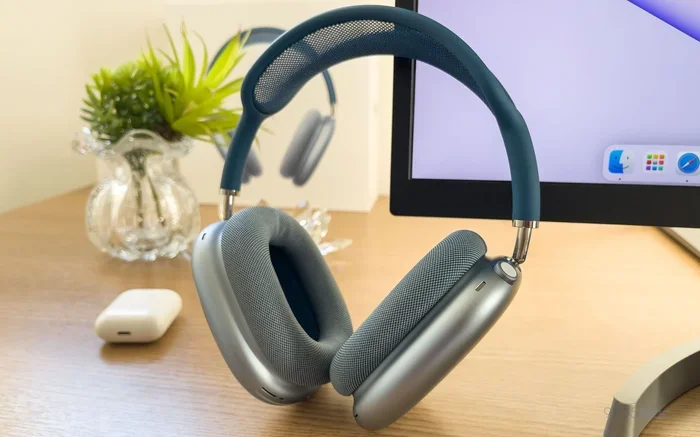
Visual guide about AirPods Max adaptive audio feature
Image source: 9to5mac.com
The H1 Chip Limitation
The H1 chip was revolutionary when it launched. It enabled features like “Hey Siri,” improved battery life, and faster device switching. However, it predates the machine learning advancements that power Adaptive Audio.
Think of it like comparing a 2019 smartphone to a 2024 model. The older phone still works perfectly well for calls and apps, but it lacks the AI processing capabilities of newer devices. Similarly, the H1 chip handles basic audio processing excellently but cannot manage the sophisticated sound analysis Adaptive Audio requires.
Computational Requirements of Adaptive Audio
Adaptive Audio performs several computationally intensive tasks simultaneously:
- Continuous ambient sound analysis
- Speech detection and differentiation
- Real-time mode blending calculations
- User preference pattern recognition
- Environmental context prediction
These tasks happen every second, requiring powerful processing that only newer chips can deliver. The H1 chip would struggle with this workload, potentially causing audio lag, reduced battery life, or unreliable performance.
Why Software Updates Can’t Add It
Some users wonder if Apple could add Adaptive Audio through a future software update. Unfortunately, this isn’t possible. The feature requires hardware capabilities that simply don’t exist in AirPods Max.
It’s similar to asking if software could add a camera to a phone that lacks camera hardware. No amount of programming can create physical processing capabilities that aren’t there. Apple has confirmed this limitation implicitly by not offering Adaptive Audio as an update option.
Apple’s Strategy and Product Positioning
Apple strategically reserves certain features for newer products to encourage upgrades. While this can frustrate existing customers, it’s a standard practice in consumer electronics. By keeping Adaptive Audio exclusive to H2-equipped devices, Apple creates clear differentiation between product tiers.
This strategy also helps justify the existence of multiple product lines. If AirPods Max had every feature available, there would be less incentive to consider newer models or different form factors.
What AirPods Max Do Offer: Features Worth Knowing
While AirPods Max lack Adaptive Audio, they still provide excellent features that make them premium headphones.
Active Noise Cancellation Excellence
AirPods Max deliver industry-leading Active Noise Cancellation. Using six outward-facing microphones and two inward-facing microphones, they detect environmental noise and counter it with anti-noise waves.
In practice, this means a dramatically quieter listening environment. Airplane engines, office chatter, and city traffic fade into the background. Many reviewers consider AirPods Max noise cancellation among the best available, even years after their release.
Transparency Mode
When you need to hear your surroundings, Transparency mode lets external sound pass through naturally. It sounds remarkably like you’re not wearing headphones at all.
This mode proves invaluable for airport announcements, quick conversations, or staying aware while walking. You can switch between ANC and Transparency using the noise control button on the right ear cup.
Spatial Audio with Dynamic Head Tracking
AirPods Max support Spatial Audio, creating an immersive, theater-like experience. This technology places sound in a three-dimensional space around you, making movies and supported music feel more realistic.
Dynamic head tracking adds another dimension. When you turn your head, audio sources remain fixed in their virtual positions. If a character speaks from the left side of the screen, turning right makes their voice sound like it’s coming from further left. This creates a remarkably convincing surround sound experience.
Premium Build and Comfort
AirPods Max feature premium materials throughout. The memory foam ear cushions, knitted mesh canopy, and aluminum ear cups create a luxury feel unmatched by most competitors.
Despite their weight (about 385 grams), the design distributes pressure evenly across your head. The breathable canopy prevents heat buildup during long listening sessions. Many users report wearing AirPods Max for hours without discomfort.
Computational Audio
While not Adaptive Audio, AirPods Max use computational audio for other purposes. The H1 chip processes audio to optimize sound quality, manage noise cancellation, and enable features like Adaptive EQ.
Adaptive EQ adjusts frequencies in real-time based on the seal and fit of the ear cushions. This ensures consistent sound quality regardless of how the headphones sit on your head or whether you’re wearing glasses.
Alternatives to AirPods Max for Adaptive Audio
If Adaptive Audio is essential to your listening experience, several alternatives exist within Apple’s ecosystem.
AirPods Pro (2nd Generation)
The most obvious alternative is AirPods Pro (2nd generation). These in-ear headphones offer full Adaptive Audio support and cost significantly less than AirPods Max.
Beyond Adaptive Audio, AirPods Pro 2 include many of the same premium features as AirPods Max: Transparency mode, Spatial Audio, and seamless Apple device integration. The H2 chip enables all advanced features, plus extras like Precision Finding through the charging case.
For many users, AirPods Pro 2 represent better value. They offer most flagship features in a more portable, gym-friendly package at roughly half the price.
AirPods 4 with Active Noise Cancellation
Apple’s newest AirPods, released in September 2024, include Adaptive Audio. The AirPods 4 with ANC offer this feature at an even lower price point than AirPods Pro 2.
While they lack some premium features like silicone ear tips for customizable fit, they deliver the core Adaptive Audio experience. They’re an excellent choice for users who want smart audio features without the in-ear seal some find uncomfortable.
Considering Your Use Cases
Before switching from AirPods Max, consider how you use your headphones. If you primarily listen at home, in quiet offices, or during travel where you manually control modes, AirPods Max might still suit your needs perfectly.
However, if you frequently transition between noisy and quiet environments, take lots of calls, or simply love having the latest features, the alternatives deserve serious consideration.
Making Your Decision: AirPods Max vs. Alternatives
Choosing the right Apple headphones depends on your priorities and budget.
When AirPods Max Still Make Sense
AirPods Max remain excellent choices in several scenarios:
- You prioritize over-ear comfort: Some users simply prefer not having earbuds in their ears for long sessions.
- Build quality matters: The premium materials and construction are hard to beat.
- You have the budget: If price isn’t a primary concern, AirPods Max offer flagship quality.
- You don’t need Adaptive Audio: If you rarely change environments or prefer manual control, this missing feature won’t impact you.
When Alternatives Make More Sense
Consider AirPods Pro 2 or AirPods 4 if:
- Adaptive Audio is essential: You frequently move between different sound environments.
- Budget is a concern: Both alternatives cost substantially less than AirPods Max.
- Portability matters: Smaller earbuds travel more easily than over-ear headphones.
- You want the latest features: Future updates will likely target H2-equipped devices first.
Waiting for AirPods Max 2?
Many AirPods Max owners hope Apple will release a second generation with H2 chip support and Adaptive Audio. As of late 2024, no official announcement has confirmed this product.
If you’re not in a hurry, waiting might pay off. A potential AirPods Max 2 could include all current flagship features plus Adaptive Audio. However, waiting indefinitely for unreleased products rarely makes sense. Buy what meets your needs now, and upgrade when compelling new options emerge.
The Future of Adaptive Audio in Apple Products
Adaptive Audio represents the direction Apple is heading with audio technology.
Expanding Feature Availability
Apple typically expands premium features to more products over time. Just as Active Noise Cancellation moved from AirPods Pro to AirPods 4, Adaptive Audio may eventually reach additional models.
However, the H2 chip requirement creates a hardware barrier that software alone cannot overcome. Any future AirPods Max version would need upgraded internals to support Adaptive Audio.
Potential Improvements and New Features
Apple continues refining its audio algorithms. Future versions of Adaptive Audio might include:
- Better speech detection in noisy environments
- More granular environmental awareness
- Integration with health and productivity features
- Personalized sound profiles based on hearing tests
These improvements would require hardware updates, making newer products even more attractive over time.
The Broader Context of Smart Audio
Adaptive Audio is part of a larger trend toward intelligent, context-aware technology. Your headphones increasingly understand not just what you’re listening to, but your environment, activities, and preferences.
This trend extends beyond Apple. Competitors like Sony, Bose, and Samsung are developing similar adaptive features. As the technology matures, expect it to become standard across premium headphones rather than a distinguishing feature.
Conclusion: Understanding AirPods Max and Adaptive Audio
AirPods Max do not have Adaptive Audio, and they likely never will. The H1 chip powering these premium headphones lacks the processing capabilities needed for this intelligent feature. While disappointing for AirPods Max owners, this limitation reflects hardware realities, not software oversights.
Despite missing Adaptive Audio, AirPods Max remain exceptional headphones. They deliver best-in-class noise cancellation, premium build quality, and excellent sound. For users who primarily listen in consistent environments or prefer manual control over their audio modes, AirPods Max continue to serve excellently.
If Adaptive Audio matters to your listening style, AirPods Pro (2nd generation) and AirPods 4 with ANC offer this feature at lower prices. They include the H2 chip and will likely receive more features through future updates.
Ultimately, the right choice depends on your priorities. Consider your budget, listening habits, and which features matter most. Whether you choose AirPods Max for their premium over-ear experience or alternatives for their adaptive capabilities, Apple’s ecosystem offers excellent options for every type of listener.
The audio world continues evolving rapidly. Today’s cutting-edge features become tomorrow’s standards. By understanding what’s available now and what’s coming next, you can make informed decisions that serve your listening needs both today and for years to come.
Frequently Asked Questions
Does AirPods Max have Adaptive Audio?
No, AirPods Max do not have Adaptive Audio. This feature is currently exclusive to AirPods Pro (2nd generation) and AirPods 4 with active noise cancellation. The H1 chip in AirPods Max lacks the processing power required for this feature.
Can AirPods Max get Adaptive Audio through a software update?
No, AirPods Max cannot receive Adaptive Audio through software updates. The feature requires the H2 chip’s advanced processing capabilities, which AirPods Max hardware does not include. This is a hardware limitation, not a software one.
Which AirPods have Adaptive Audio?
Adaptive Audio is available on AirPods Pro (2nd generation) with the H2 chip and AirPods 4 with active noise cancellation. Both models were designed with the processing power needed for real-time environmental sound analysis and automatic mode switching.
What does Adaptive Audio do exactly?
Adaptive Audio automatically blends Active Noise Cancellation and Transparency mode based on your environment. It detects changes in ambient sound and adjusts accordingly. The feature also includes Conversation Awareness, which lowers your music volume when you start speaking to someone.
Are AirPods Max still worth buying without Adaptive Audio?
Yes, AirPods Max remain excellent premium headphones. They offer industry-leading noise cancellation, premium build quality, excellent sound, and comfortable over-ear design. If you primarily listen in consistent environments or don’t need automatic mode switching, AirPods Max serve very well.
Will Apple release AirPods Max 2 with Adaptive Audio?
Apple has not officially announced AirPods Max 2. However, many users hope a second generation will include the H2 chip and Adaptive Audio. Until Apple confirms such a product, there’s no guaranteed timeline for a successor with these features.