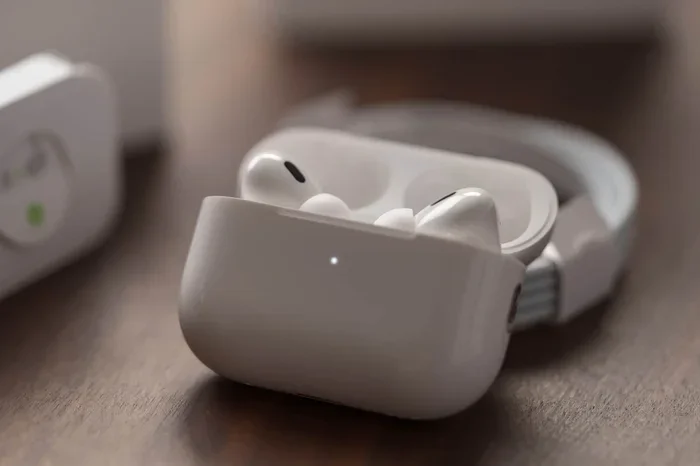
Featured image for airpods hearing protection
Image source: hearingreview.com
AirPods noise cancelling (ANC) helps protect your hearing by reducing the need to crank up the volume in loud environments. However, ANC alone isn’t enough to prevent hearing loss. Long-term safe listening habits—like keeping volume below 60% and taking listening breaks—remain essential. Think of ANC as a helpful teammate, not a complete defense against noise-induced hearing damage.
You hop on the subway, the world roars around you, and you pull out your AirPods. With a tap, the chaos fades. It feels like magic. But does that magic actually protect your ears?
Here’s the deal: AirPods noise cancelling is one of the best features Apple has built into its earbuds. It uses clever tech to hush the world around you. But does it protect your hearing? The short answer is yes, but only when used wisely.
In this guide, we’ll break down exactly how AirPods noise cancelling works, what it can and can’t do, and how to build safe listening habits that last a lifetime. Whether you wear AirPods Pro, AirPods 4, or AirPods Max, you’ll learn how to get the most hearing protection out of them.
Key Takeaways
- ANC Reduces Background Noise: Active Noise Cancelling blocks ambient sounds, so you listen at lower, safer volumes.
- Not a Replacement for Safe Listening: ANC doesn’t eliminate the need to follow the 60/60 rule (60% volume, 60 minutes max).
- Best for Consistent, Low-Frequency Noise: AirPods ANC shines on planes, trains, and HVAC hum but struggles with sudden loud sounds.
- Transparency Mode Has Trade-offs: It lets outside sound in, which can tempt users to raise volume in noisy areas.
- Hearing Loss Is Cumulative: Damage builds over years of exposure, making daily habits more important than any single feature.
- Apple Offers Built-In Hearing Tools: iOS features like headphone notifications and the Health app help track exposure.
- Fit and Seal Matter: A proper ear tip fit boosts passive noise isolation, improving ANC effectiveness.
📑 Table of Contents
- How AirPods Noise Cancelling Actually Works
- Does Noise Cancelling Actually Protect Your Hearing?
- The 60/60 Rule and Other Safe Listening Habits
- Apple’s Built-In Hearing Health Features
- AirPods Models Compared: ANC and Hearing Protection
- Practical Tips to Maximize Hearing Protection with AirPods
- Common Myths About AirPods and Hearing Loss
- The Role of Ear Health Beyond AirPods
- What to Do If You Suspect Hearing Loss
- The Final Verdict: Are AirPods Safe for Your Hearing?
How AirPods Noise Cancelling Actually Works
Imagine you’re sitting in a quiet room and someone outside is hammering a nail. You can’t stop the hammer. But what if you played the exact opposite sound at the same time? The two sound waves would cancel each other out. That’s the basic idea behind Active Noise Cancelling (ANC).
The Science, Made Simple
Your AirPods have tiny microphones on the outside and inside. They listen to the world around you in real time. Then a chip inside the earbuds creates an “anti-noise” signal. This signal is the mirror image of the unwanted sound. When the two meet, they cancel each other out.
Think of it like noise-cancelling headphones for your brain. A loud plane drone becomes a whisper. A chatty café becomes background static.
Passive vs. Active Noise Reduction
Not all noise blocking is created equal. There are two kinds:
- Passive noise isolation: This is just the physical seal. The ear tips block sound like earplugs. A good fit blocks a lot of mid- and high-frequency noise.
- Active noise cancelling (ANC): This uses the tech we just described. It targets low-frequency sounds like engines, fans, and AC hum.
Together, they make a powerful combo. The passive seal blocks high sounds, and ANC kills the low rumble. Neither one alone gets the job done fully.
What ANC Does Best
ANC shines in places with steady, predictable noise:
- Airplanes and jets
- Trains and subways
- Office HVAC systems
- Crowded cafes and open offices
But ANC struggles with sudden, sharp sounds. A car horn or a person shouting near you will still come through. That’s because the earbuds need a split second to create the anti-noise signal. By then, the loud bang already hit your ears.
Does Noise Cancelling Actually Protect Your Hearing?
This is the big question, and the answer is a little nuanced. Let’s get into the “who, what, where, when, why” of it.
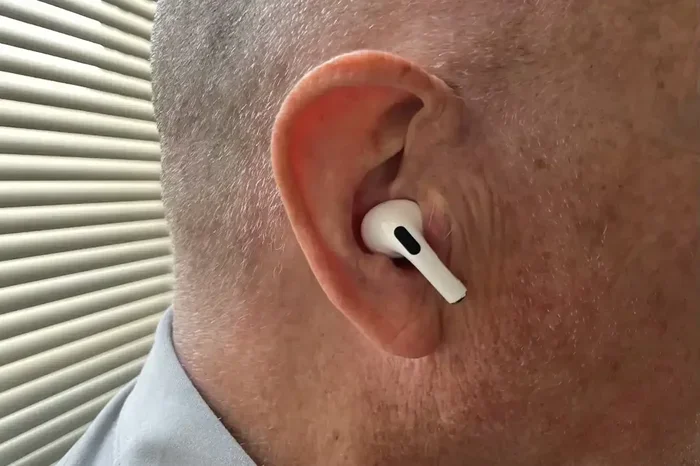
Visual guide about airpods hearing protection
Image source: b2c-contenthub.com
Who Does ANC Help Most?
ANC helps everyone, but it’s a game-changer for people in noisy environments. If you work on a factory floor, commute on loud trains, or fly often, ANC is your friend. It lets you enjoy music or podcasts at a fraction of the volume you’d otherwise need.
What Kind of Hearing Damage Are We Preventing?
There are two main types:
- Noise-induced hearing loss (NIHL): Permanent damage from loud sounds over time. Once the tiny hair cells in your inner ear die, they don’t grow back.
- Temporary threshold shift: That muffled hearing you get after a loud concert. It’s usually temporary, but repeated episodes lead to permanent loss.
ANC targets NIHL by reducing your total daily sound exposure. According to the World Health Organization (WHO), over 1 billion young people worldwide are at risk of hearing loss due to unsafe listening habits. That’s a huge number, and it’s growing. ANC is one tool to fight it.
Where Does ANC Help vs. Where It Falls Short?
ANC helps most in consistent noise environments. But if you’re at a live concert, a fireworks show, or a construction site, ANC won’t save you. In fact, wearing earbuds in these situations might make you less aware of your surroundings. That’s where dedicated earplugs come in.
When Should You Use ANC for Hearing Protection?
Use it whenever you’re in a loud environment and want to listen to audio. The best times include:
- During flights or train rides
- While commuting on public transit
- In noisy offices or coffee shops
- At the gym with loud equipment
Why Isn’t ANC Enough on Its Own?
Because volume still matters. If you turn your music up to 100% in a quiet room, ANC won’t help. In fact, ANC can give a false sense of security. You might think you’re “protected” and crank the volume higher than you would without earbuds.
The National Institute on Deafness and Other Communication Disorders (NIDCD) points out that sounds above 85 decibels can cause hearing damage with prolonged exposure. For reference, that’s about the loudness of heavy city traffic. A maxed-out earbud can easily hit 100+ decibels. ANC lowers the floor, but it doesn’t lower the ceiling.
The 60/60 Rule and Other Safe Listening Habits
ANC is a tool, not a cure. Your daily habits matter far more than any single feature. Let’s look at the gold standard of hearing protection.
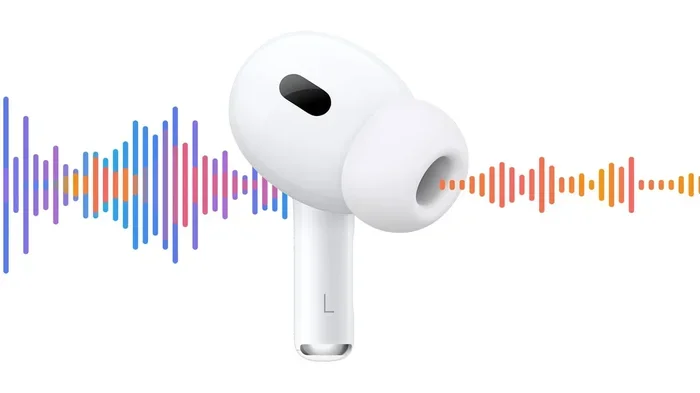
Visual guide about airpods hearing protection
Image source: images.macrumors.com
The 60/60 Rule Explained
This is a simple guideline:
- Keep volume at or below 60% of the max.
- Listen for no more than 60 minutes at a time.
Then take a break. Let your ears rest. This gives the hair cells in your inner ear time to recover.
Think of it like a workout. Your muscles need rest days. So do your ears.
Why Breaks Matter So Much
Every time you expose your ears to loud noise, the hair cells in your cochlea take a hit. With short breaks, they recover. Without breaks, the damage stacks up. Over years, this leads to permanent hearing loss. The scary part? You won’t notice it until it’s too late. Hearing loss is gradual and painless.
Did You Know? Hearing Loss Stats You Should Know
- About 1 in 8 people in the U.S. aged 12 and older has hearing loss in both ears.
- The WHO estimates that 1.1 billion young people are at risk of hearing loss from unsafe listening.
- Once damaged, the hair cells in your inner ear never regenerate.
- Noise is the leading cause of preventable hearing loss.
Apple’s Built-In Hearing Health Features
Apple knows hearing is important. That’s why iOS, iPadOS, and macOS come packed with tools to help. Your AirPods work with these features seamlessly.
Headphone Audio Levels
On your iPhone, go to Settings > Sounds & Haptics > Headphone Safety. You’ll find:
- Reduce Loud Sounds: Caps volume at a safe level (you choose the dB limit).
- Headphone Notifications: Warns you if you’ve been listening too loud for too long.
Turn these on. They take 10 seconds and could save your hearing.
The Apple Health App
The Health app quietly tracks your headphone audio levels over time. You can see your weekly and yearly exposure. It’s like a fitness tracker, but for your ears. If you see spikes in red, you know it’s time to turn it down.
Live Listen and Conversation Boost
These features use your iPhone as a remote mic. They can help in noisy places, but they’re not a hearing protection feature. They’re more about clarity than safety.
Transparency Mode: A Word of Caution
Transparency mode is the opposite of ANC. It pipes outside sound into your ears. This is great for crossing streets or talking to coworkers. But in noisy places, it can tempt you to crank your volume to drown out the noise.
Use Transparency mode in safe environments. In loud places, stick with noise cancelling or take your earbuds off entirely.
AirPods Models Compared: ANC and Hearing Protection
Not all AirPods are created equal. Here’s a quick breakdown of how each model handles noise.
AirPods Pro (1st and 2nd Gen)
These are the gold standard for in-ear ANC. They use silicone ear tips for a great seal. The 2nd gen added Adaptive Transparency, which reduces loud sudden sounds in real time. That’s a nice bonus for hearing protection.
AirPods 4 (with Active Noise Cancellation)
The latest AirPods 4 introduced ANC to the non-Pro line. The noise cancelling isn’t as strong as the Pro, but it’s still solid for the price. They don’t have silicone tips, so the seal is less tight. That can let in more high-frequency noise.
AirPods Max
These over-ear headphones have powerful ANC. The ear cups create a strong passive seal, and the ANC does the rest. For long flights, they’re hard to beat. They’re heavier, though, so they’re not for everyone.
Older AirPods (2nd and 3rd Gen)
These don’t have ANC at all. They rely on passive isolation and a one-size-fits-most design. If hearing protection is your priority, skip these.
Practical Tips to Maximize Hearing Protection with AirPods
Let’s get practical. Here are actionable tips you can use today to protect your hearing while enjoying your AirPods.
Tip 1: Get the Right Fit
If you’re using AirPods Pro, try all the ear tip sizes. Apple includes XS, S, M, and L tips. A good fit creates a tight seal. This boosts ANC performance and blocks more passive noise. You can run the Ear Tip Fit Test in iOS settings to find your perfect match.
Tip 2: Use Adaptive Audio (If Available)
AirPods Pro 2nd gen with iOS 17 or later offers Adaptive Audio. This blends ANC and Transparency mode automatically. It turns ANC up in loud places and down when you need to hear. It’s like having a smart volume knob for your ears.
Tip 3: Take Listening Breaks
Set a timer if you have to. Every 60 minutes, take off your AirPods for 5 to 10 minutes. Let your ears breathe. This single habit can prevent years of damage.
Tip 4: Lower the Bass
Bass-heavy music at high volume is more damaging than treble-heavy music. If you love bass, keep the volume lower. In Apple Music, you can adjust EQ settings to tame the low end.
Tip 5: Avoid Maxing Out the Volume
Most people don’t need to listen above 60% volume, even in noisy places, when ANC is on. If you need more volume, the environment is too loud. Step away or take your earbuds out.
Tip 6: Clean Your AirPods Regularly
Earwax buildup blocks the speaker mesh. This reduces sound quality and makes you crank the volume. A quick wipe with a dry cloth keeps things clear.
Tip 7: Use Noise Cancelling Strategically
Don’t leave ANC on all day. Use it when you need it. In quiet rooms, you don’t need it. Save battery, save your ears, and stay aware of your surroundings.
Common Myths About AirPods and Hearing Loss
Let’s bust a few common myths floating around the internet.
Myth 1: “ANC Damages Your Hearing”
This is false. ANC produces anti-noise, not more noise. It reduces total sound exposure. As long as you keep volume moderate, ANC is safe.
Myth 2: “Earbuds Are Worse Than Headphones for Hearing”
Not necessarily. The damage depends on volume and duration, not the device. Earbuds with good ANC can be safer than over-ear headphones played at high volume.
Myth 3: “If It Doesn’t Hurt, It’s Not Damaging”
Wrong. Hearing damage is painless until it’s significant. By the time you notice ringing or muffling, the damage is done. This is why prevention is everything.
Myth 4: “AirPods Are Too Quiet to Cause Damage”
Also false. Maxed-out AirPods can hit 100+ decibels. That’s the level of a chainsaw. Prolonged exposure at that level causes damage in minutes.
Myth 5: “I Only Use Them for Calls, So I’m Safe”
Calls are usually lower volume, but not always. In noisy places, people often crank call volume to hear. And if you use Transparency mode, you’re exposed to the full ambient noise.
The Role of Ear Health Beyond AirPods
AirPods are part of the picture, not the whole picture. Your overall ear health matters too.
Watch Your Overall Noise Exposure
It’s not just AirPods. Concerts, sporting events, power tools, and traffic all add up. The WHO recommends keeping daily noise exposure below 70 dB averaged over 24 hours. That’s roughly the level of a washing machine.
Get Regular Hearing Tests
Most people never get their hearing tested. If you’re over 25, get a baseline test. Then test every few years. Early signs are easy to miss without a professional.
Protect Your Ears in Loud Environments
At concerts, use musician earplugs. They lower volume without muffling sound. At work, use proper hearing protection. These small steps add up to big protection over a lifetime.
Stay Hydrated and Healthy
Your ears need good blood flow to stay healthy. Exercise, hydration, and avoiding smoking all support ear health. It’s not just about noise.
What to Do If You Suspect Hearing Loss
Maybe you’ve been cranking the volume for years. Maybe you’re noticing ringing or muffled sounds. Don’t panic, but don’t ignore it either.
Signs to Watch For
- Ringing or buzzing in the ears (tinnitus)
- Muffled sounds, especially in noisy places
- Asking people to repeat themselves often
- Turning the TV volume higher than others prefer
- Struggling to understand conversations on the phone
Steps to Take
- Schedule a hearing test: An audiologist can measure your hearing and identify any loss.
- Lower your daily exposure: Start the 60/60 rule today.
- Avoid loud environments: Give your ears a break.
- Consider hearing protection: Custom earplugs are a great long-term investment.
Early detection is key. Hearing loss is permanent, but it’s also manageable with the right tools.
The Final Verdict: Are AirPods Safe for Your Hearing?
So, does AirPods noise cancelling protect hearing? Yes, but only as part of a broader safe listening strategy.
ANC is a powerful tool. It reduces the need for high volume in noisy places. It makes commutes, flights, and busy offices more comfortable. It can absolutely help protect your hearing.
But ANC isn’t magic. It won’t save you if you blast music at full volume for hours on end. It won’t replace hearing protection at concerts. It won’t undo years of unsafe listening.
The real answer to hearing protection is habits. Use ANC wisely. Keep volume moderate. Take breaks. Get your hearing tested. Use Apple’s built-in tools. These simple steps will preserve your hearing for decades to come.
Your ears are with you for life. Treat them well. AirPods are amazing tools, but you’re the one in control.
Frequently Asked Questions
Does AirPods noise cancelling actually protect hearing?
Yes, AirPods noise cancelling helps protect hearing by reducing background noise, so you don’t need to raise the volume to dangerous levels. However, ANC alone isn’t enough. You should still follow safe listening habits, like keeping levels below 60% of max and taking breaks every hour.
Can ANC damage your hearing over time?
No, ANC itself doesn’t damage hearing. It produces anti-noise signals that reduce total sound exposure. As long as you listen at moderate volumes, ANC is safe for your ears.
Is ANC better than earplugs for hearing protection?
Not really. ANC is great for consistent, low-frequency noise like plane engines. But earplugs (especially musician earplugs) offer stronger, more consistent protection across all frequencies. For loud events like concerts, dedicated earplugs are better.
Do cheaper AirPods without ANC still help protect hearing?
They can, but they’re less effective. Without ANC, you tend to raise the volume in noisy environments. This increases your risk of hearing damage. If hearing protection is a priority, choose a model with ANC.
How loud is too loud for AirPods?
The general guideline is to keep volume at or below 60% of max. Apple also lets you set a decibel limit in iOS settings. Anything above 85 dB can cause hearing damage with prolonged exposure.
What’s the safest way to use AirPods for hearing protection?
Use ANC in noisy environments, listen at 60% volume or lower, take breaks every 60 minutes, use Apple’s headphone safety features, and get a baseline hearing test. These habits will protect your hearing for life.